

P2099 on 2014-2021 Dodge Charger: Post Catalyst Fuel Trim System 2 Rich Causes & Fixes
On a 2014-2021 Dodge Charger, code P2099 is most often caused by a faulty downstream oxygen (O2) sensor on Bank 2. Other common causes include exhaust leaks before the sensor, particularly from broken exhaust manifold bolts on HEMI engines, or the need for a PCM software update from a dealer. Replacing the Bank 2, Sensor 2 O2 sensor is a common fix, with parts costing between $40 and $100.
- P2099 means the exhaust on Bank 2 is too rich, as measured by the sensor *after* the catalytic converter.
- The most common fix is replacing the Bank 2, Sensor 2 oxygen sensor.
- Before replacing parts, check for exhaust leaks, especially around the exhaust manifold on V8 models.
- Always check with a Dodge dealer for any available PCM software updates, as this can be a simple, non-mechanical fix.
- Do not replace the expensive catalytic converter unless all other potential causes have been ruled out.
What's Unique About the 2014-2021 Dodge CHARGER
For Dodge vehicles, including the Charger and its platform mates, this code is sometimes triggered by overly sensitive software logic in the PCM. Before extensive mechanical repairs, it's crucial to check if a Technical Service Bulletin (TSB) for a software update applies, as this can be a simple dealer fix. Additionally, the V8 HEMI engines are notorious for exhaust manifold leaks, often from the rear-most bolts breaking. This leak creates an audible 'Hemi tick' when the engine is cold and can disrupt O2 sensor readings, causing this code.
Diagnostic Flowchart
Tap your situation to follow the diagnostic path that matches what you're seeing on this vehicle.
Symptoms You May Notice
- Check Engine Light is on
- Decreased fuel economy
- Rough idle or hesitation during acceleration
- A noticeable smell of unburnt gasoline from the exhaust
- Audible ticking or hissing noise from the engine bay, especially when cold (indicative of an exhaust leak)
- Replacing the catalytic converter when the actual problem is a faulty O2 sensor or an exhaust leak.
- Replacing the upstream O2 sensor (Bank 2, Sensor 1) when the code specifically points to the post-catalyst (downstream) sensor.
- Replacing the Mass Airflow (MAF) sensor, as a MAF issue would typically affect both engine banks and set codes like P2097 and P2099 together.
Most Likely Causes
- Faulty Downstream Oxygen Sensor (Bank 2, Sensor 2) 🔴 High Probability → Shop Oxygen Sensor O2 sensors are wear items and can fail over time, sending incorrect high voltage signals (stuck rich) to the PCM that falsely indicate a rich condition.
How to confirm: Use an OBD-II scanner to monitor the live voltage data from the Bank 2, Sensor 2 O2 sensor. A healthy downstream sensor should show a relatively stable voltage between 0.5V and 0.7V. If it's stuck high (consistently above 0.8V) or fluctuating rapidly like an upstream sensor, it is likely faulty. 🎬 Watch: How to test your O2 sensor for a P2099 code.
Typical fix: Replace the Bank 2, Sensor 2 oxygen sensor. This is the sensor located on the passenger side (V8) or driver's side (V6) after the catalytic converter.
Est. part cost: $40-$100 - Exhaust Leak 🟡 Medium Probability HEMI V8 engines are known for exhaust manifold bolt failures, particularly the rear bolts, leading to leaks. Leaks can also occur at gaskets or weld joints. While leaks often cause lean codes by drawing in air, they can also disrupt exhaust flow and pressure, tricking the downstream sensor into a false rich reading.
How to confirm: Perform a visual inspection of the exhaust system on Bank 2. Look for black soot trails near the manifold or listen for a distinct ticking/hissing sound that is loudest on a cold start and may quiet down as the engine warms up. A smoke test is the most effective way to pinpoint small leaks.
Typical fix: Repair the leak. For HEMI engines, this often involves extracting the broken manifold bolts and replacing the manifold gasket. 🎬 See this walkthrough on fixing a Hemi exhaust manifold leak.
Est. part cost: $20-$500 (Gasket and bolts are cheap; a new manifold is more expensive) - Leaking Fuel Injector(s) on Bank 2 🟡 Medium Probability → Shop Fuel Injector A fuel injector can become stuck partially open or develop a poor spray pattern, dripping excess fuel into one or more cylinders on Bank 2.
How to confirm: Check the long-term fuel trim values for Bank 2 with a scanner; a highly negative number (e.g., -10% or more) indicates the PCM is trying to remove fuel. You can also pull the spark plugs on Bank 2; a plug that is black and sooty indicates a rich condition in that cylinder.
Typical fix: Identify and replace the faulty fuel injector(s) on Bank 2.
Est. part cost: $50-$150 per injector - PCM Software Update Needed ⚪ Low Probability Dodge has issued TSBs for the Charger, Challenger, and 300 addressing overly sensitive diagnostic logic for this code, particularly on 6.4L models.
How to confirm: Contact a Dodge dealership with your vehicle's VIN to see if any open TSBs, such as #18-094-16 (for 2014 6.4L models), apply to your car. This TSB supersedes #18-039-15 REV-A.
Typical fix: The dealership reprograms the Powertrain Control Module (PCM) with updated software using their wiTECH tool.
Est. part cost: $0-$200 (May be covered under warranty; otherwise, it's a labor charge for programming)
Rare But Worth Checking
- High Fuel Pressure: A failing fuel pressure regulator can cause system-wide high pressure, leading to a rich condition that may be detected on one bank first. Check fuel pressure at the rail to confirm.
- Contaminated or Failing Catalytic Converter: → Shop Catalytic Converter While often misdiagnosed, a contaminated or inefficient catalytic converter can sometimes fail to process exhaust gases correctly, leading to abnormal readings from the downstream O2 sensor. This should only be considered after all other causes are ruled out, as a rich condition is more likely to damage the converter than be caused by it.
Diagnosis Steps
- Read all stored fault codes with an OBD-II scanner. Address any other codes, especially for misfires or other sensor faults, first.
- Use the scanner's live data function to monitor the voltage of the Bank 2, Sensor 2 (downstream) O2 sensor. Compare it to the Bank 1, Sensor 2 reading. A faulty sensor may be stuck high (above 0.8V). A healthy sensor should be relatively stable around 0.6-0.7V when the engine is warm.
- Inspect the exhaust system on Bank 2 for any signs of leaks, such as black soot marks or audible ticking sounds, particularly around the exhaust manifold and flange connections. The 'Hemi tick' is a well-known indicator.
- Check the long-term fuel trim data for Bank 2. A significant negative percentage (e.g., -15% or more) confirms the PCM is compensating for a rich condition.
- Inspect the spark plugs on Bank 2. Plugs that are black, sooty, or wet with fuel indicate a rich condition and can help isolate the problem to specific cylinders.
- If an exhaust leak is suspected, perform a smoke test to accurately locate its source.
- If a specific cylinder is running rich, suspect a leaking fuel injector for that cylinder.
- Check with a Dodge dealer using your VIN to see if a PCM software update is available for this issue, referencing TSBs like #18-094-16 for 2014 6.4L models.
Parts You'll Likely Need
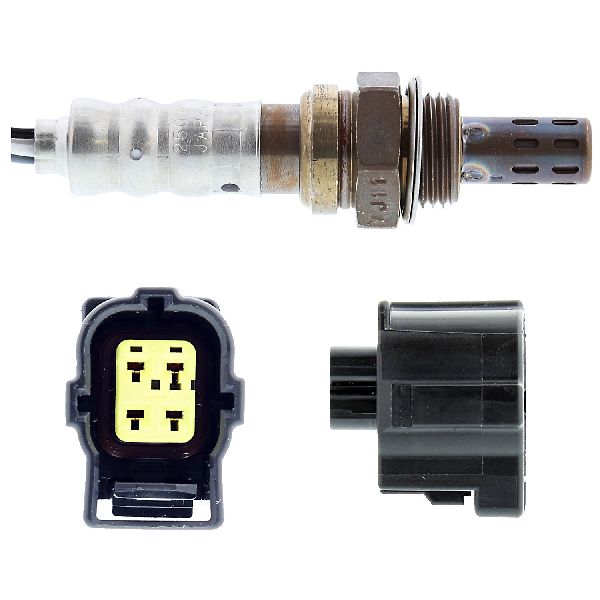
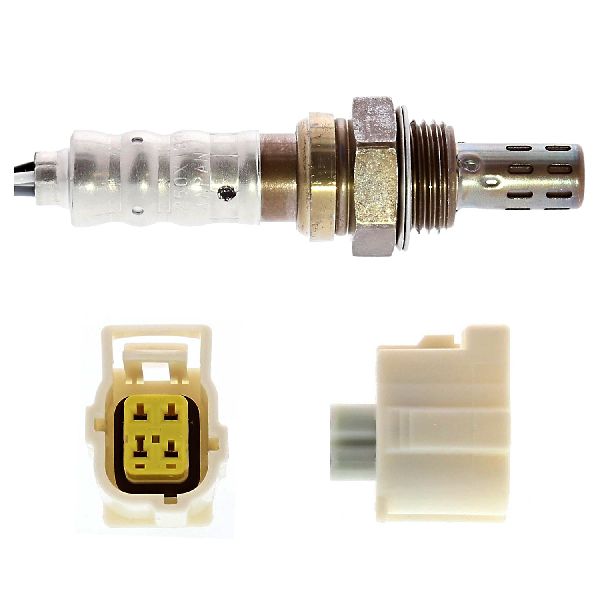
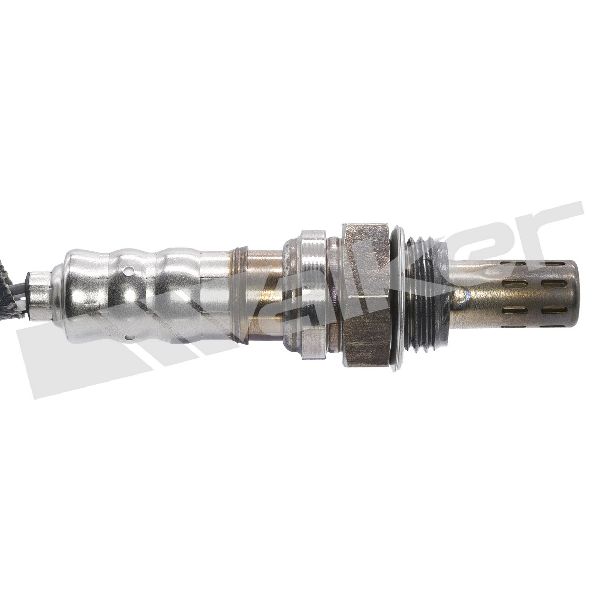
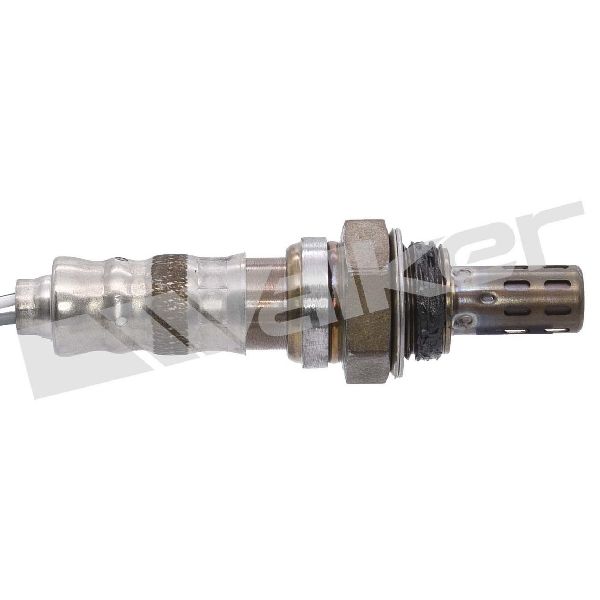
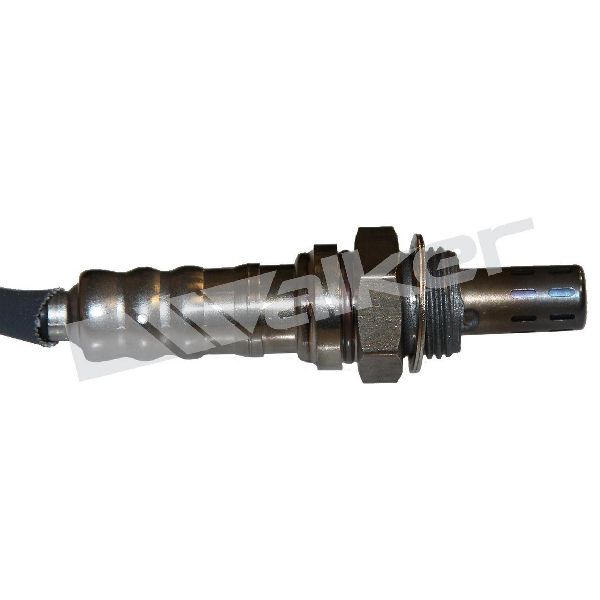
- Downstream Oxygen Sensor (Bank 2, Sensor 2)
(OEM #5149171AB (supersedes 5149171AA))— This sensor is the primary input for the P2099 code and is a common failure point. It directly measures the condition that triggers the code.
Trusted brands: Mopar, Denso, Bosch, NTK
OEM price range: $80-$150
Aftermarket price range: $40-$100 - Exhaust Manifold Gasket — If an exhaust leak is found at the manifold on a HEMI engine due to broken bolts, this gasket will need to be replaced during the repair.
Trusted brands: Fel-Pro, Mahle, Mopar
OEM price range: $20-$40
Aftermarket price range: $10-$25
Related Codes That Often Appear With This One
- P0300 — A multiple cylinder misfire can result from a severe rich condition. TSB #18-094-16 for the 6.4L engine addresses P2099 along with misfire codes. 🎬 Watch: Diagnosing P2099 when you also have engine misfire codes.
- P0302, P0304, P0306, P0308 — These are misfire codes for specific cylinders on Bank 2 (passenger side on V8s). They can help pinpoint a problem like a single leaking fuel injector.
- P2097 — This is the equivalent rich code for Bank 1. Seeing both P2097 and P2099 together would point towards a problem affecting the entire engine, like a fuel pressure regulator or MAF sensor issue, rather than a Bank 2-specific problem.
Technical Service Bulletins (TSBs) & Recalls
- 18-094-16: Supersedes 18-039-15 REV-A. For 2014 Charger/Challenger/300 with 6.4L engines, this TSB involves a PCM reflash to correct software logic that could falsely trigger P2099, among other codes.
- 18-039-15 REV-A: Mentions P2099 - Downstream Fuel Trim System 2 Rich, often in conjunction with misfire codes, for LC platform vehicles (Dodge Challenger), which shares powertrains with the Charger. This TSB is now superseded.
Platform-Specific Known Issues
- A known TSB (#18-094-16) for 2014 Dodge Charger/Challenger/Chrysler 300 models with the 6.4L engine specifically addresses P2099 via a PCM software update.
- The 'Hemi tick,' an audible sign of an exhaust leak from the manifold, is a very common precursor to this code on 5.7L, 6.2L, and 6.4L V8 engines.
Mechanic-Grade Diagnostic Values
- Downstream O2 Sensor (B2S2) Voltage — expected: Relatively stable between 0.5V and 0.8V in closed loop at operating temperature.. Failure: Voltage stuck high (above 0.8V), stuck low, or fluctuating rapidly like an upstream sensor (0.1V - 0.9V).
- O2 Sensor Heater Circuit Resistance — expected: Typically between 2 and 16 ohms, depending on the specific sensor.. Failure: An open circuit (infinite resistance) or a reading significantly outside the specified range.
- O2 Sensor Signal Circuit Voltage (disconnected) — expected: Approximately 5.0 volts with the sensor connector disconnected and ignition on.. Failure: Voltage significantly different from 5.0V may indicate a PCM or wiring issue.
- O2 Sensor Signal Circuit Voltage (jumpered) — expected: Should drop to approximately 2.5 volts when a jumper wire is connected between the signal and return circuits at the harness connector.. Failure: Failure to drop to 2.5V indicates a problem in the wiring or PCM.
Scan Tool Commands That Help
- wiTECH (Dodge Dealer Tool): PCM Flash/Reprogram — Used to perform software updates outlined in Technical Service Bulletins (TSBs) which can be a primary fix for this code on certain models due to overly sensitive logic.
- wiTECH (Dodge Dealer Tool): Reset Fuel Trim Adaptations — After replacing a component like an O2 sensor or fuel injector, this command resets the PCM's learned fuel adjustments to allow it to relearn values with the new part.
Wiring & Ground Locations
- Main Engine Ground — From the engine block to the chassis, often near the motor mounts. One factory ground runs from the top of the motor mount down to the K-member.. A poor engine ground can cause incorrect readings from various sensors, including O2 sensors which ground through the exhaust and engine block.
- O2 Sensor Fuses (Engine Bay) — In the main fuse box in the engine compartment. Check fuses F31, F34, and F35.. These fuses are part of the engine management system and can supply power to the O2 sensor heater circuits. A blown fuse will cause the sensor to operate incorrectly.
- O2 Sensor Relays (Trunk) — In the rear power distribution center (fuse box) in the trunk, behind the carpet liner. Check relay R29 and potentially R14.. These relays, including the ASD (Auto Shutdown) relay, control power to the O2 sensor heaters and other engine components. A faulty relay can disable the sensor's heater.
- Trunk Lid Wiring Harness — The flexible harness that runs from the trunk lid into the body of the car.. While not directly related to the O2 sensor, this is a known chafe point on Chargers that can cause various electrical issues and ground faults due to repeated opening and closing of the trunk. Unrelated electrical noise can sometimes interfere with sensitive sensor signals.
OEM Part Supersession History
5149171AA→5149171AB— Part revision or supplier change. This is a common supersession for downstream O2 sensors on various Chrysler/Dodge/Jeep vehicles with the 3.6L V6 engine.68066160AA→5149171AB— Part consolidation and supersession.
Helpful Videos


We Have This Part in Stock


The information in this article is provided for general reference and educational purposes only. Vehicle specifications, procedures, and part compatibility can vary by production date, trim level, and region. Always consult your vehicle's factory service manual and verify part numbers before purchasing or performing repairs. Safety-critical components such as airbags, seat belts, and braking systems should be installed by a qualified professional.
- Dodge CHARGER:
- 🧭 Diagnostic Flowchart
- 🎬 Helpful Videos
- 🛍️ Shop This Part
- What's Unique About the 2014-2021 Dodge CHARGER
- Symptoms You May Notice
- Most Likely Causes
- Rare But Worth Checking
- Diagnosis Steps
- Parts You'll Likely Need
- Related Codes That Often Appear With This One
- Technical Service Bulletins (TSBs) & Recalls
- Platform-Specific Known Issues
- Mechanic-Grade Diagnostic Values
- Scan Tool Commands That Help
- Wiring & Ground Locations
- OEM Part Supersession History
- 🎟️ Get 5% Off