

P2099 on 2011-2024 Dodge Durango 3.6L: Post-Catalyst Rich Trim Causes and Fixes
On a 2011-2024 Dodge Durango with the 3.6L V6, code P2099 is most often caused by a failing downstream oxygen sensor on the driver's side (Bank 2). For 2021 models specifically, a simple software update under TSB 18-072-22 is a very common fix and should be the first step. Always check for exhaust leaks between the catalytic converter and the downstream sensor before replacing parts, as even small leaks can trigger this code.
- If you own a 2021 Durango 3.6L, your first step should be to check if TSB 18-072-22 applies to your vehicle, as a software update may be the only fix needed.
- For all other years, the most likely cause is a failing downstream (post-catalyst) oxygen sensor on the driver's side.
- Always inspect for exhaust leaks between the engine and catalytic converter before replacing any sensors.
- Do not replace the expensive catalytic converter unless all other possibilities, including sensors, leaks, and fuel delivery issues, have been ruled out.
What's Unique About the 2011-2024 Dodge Durango
For the 2021 Dodge Durango with the 3.6L engine, this code is frequently not a hardware problem. Dodge issued Technical Service Bulletin (TSB) 18-072-22 because the original PCM software was too sensitive and could falsely trigger the P2099 code, often along with P2097 for the opposite bank. In these cases, a simple software reflash at a dealership is the correct fix. For other years, while the causes are more traditional (sensors, leaks), the early Pentastar engines (2011-2013) were known for a significant cylinder head defect and all years are susceptible to rocker arm failure, which can cause misfires and potentially trigger rich condition codes.
Generation note: The 2011-2024 Dodge Durango is a single generation (WD), but it received major facelifts in 2014 and 2021. The core powertrain and exhaust layout remain consistent, but a specific TSB for P2099 applies only to the 2021 model year for vehicles equipped with the 3.6L V6 24V VVT Engine UPG I W/ESS (Sales Code ERC). The Jeep Grand Cherokee (WK2), which shares the same platform and engine, also experiences this issue.
Symptoms You May Notice
- Check Engine Light is on
- Reduced fuel economy
- Poor engine performance or sluggish acceleration
- Rough idle
- Smell of unburnt fuel from the exhaust
- Engine hesitation or stumbling
- Replacing the catalytic converter first. This is an expensive part that is rarely the cause of a P2099 code.
- Replacing the upstream O2 sensor (Bank 2, Sensor 1). While the upstream sensor is critical for fuel control, the P2099 code is set specifically based on the reading from the downstream sensor.
- Replacing the wrong downstream sensor. Bank 2 is the driver's side on the Durango's 3.6L V6.
Most Likely Causes
- PCM Software Update Needed (2021 Models) 🔴 High Probability A specific Technical Service Bulletin (TSB 18-072-22) was released for 2021 models with the 3.6L engine (sales code ERC) to correct overly sensitive monitoring logic in the PCM that falsely triggers P2099 and/or P2097. TSB Bulletin #1807222 further confirms that technicians may find these specific rich condition codes set during diagnostic evaluation.
How to confirm: A Dodge dealership or a qualified shop with access to OEM software (wiTECH) can check if TSB 18-072-22 is applicable and has been performed on your vehicle's VIN.
Typical fix: Reprogramming the Powertrain Control Module (PCM) with the updated software. The TSB specifies maintaining battery voltage between 13.2 and 13.5 volts during the flash process.
Est. part cost: $0-$200 - Failing Downstream Oxygen (O2) Sensor (Bank 2, Sensor 2) 🔴 High Probability → Shop Oxygen Sensor O2 sensors are wear-and-tear items that degrade over time, leading to slow or biased readings. This is the most common hardware failure for this code across all model years.
How to confirm: Using a scan tool, observe the live voltage data for the Bank 2 Sensor 2. A healthy downstream sensor should show a relatively stable voltage. If it's stuck high (above 0.8V) or fluctuating rapidly like the upstream sensor, it has likely failed.
Typical fix: Replace the Bank 2, Sensor 2 (downstream, driver's side) oxygen sensor. The sensor is located on the side of the catalytic converter.
Est. part cost: $40-$120 - Exhaust Leak 🟡 Medium Probability Leaks from cracked exhaust manifolds, failed gaskets, or rusted flange connections before or near the downstream O2 sensor can introduce oxygen and corrupt sensor readings, making the PCM think the mixture is rich when it's actually lean. Welded seams on the stock exhaust pipes or cracks in the Y-pipe can also rot and create leaks.
How to confirm: Perform a visual inspection of the exhaust system from the engine to the catalytic converter on the driver's side. A smoke test is the most effective method, where smoke is forced into the exhaust system to reveal the location of any leaks. You can also sometimes hear or feel a leak.
Typical fix: Repair the leak by replacing the failed gasket, welding the cracked component, or using exhaust putty/wrap for small holes.
Est. part cost: $20-$300 - Leaking Fuel Injector(s) on Bank 2 ⚪ Low Probability → Shop Fuel Injector An injector can get stuck partially open, dumping excess fuel into one or more cylinders on Bank 2 (cylinders 2, 4, 6). This creates a true rich condition.
How to confirm: Pull the spark plugs from the cylinders on Bank 2. A plug that is black, sooty, and smells of raw fuel indicates a rich condition in that cylinder, pointing to a likely injector problem. A fuel injector balance test can also be performed by a professional.
Typical fix: Replace the faulty fuel injector(s) and the corresponding spark plugs. It's good practice to replace all injectors on that bank.
Est. part cost: $50-$150 per injector
Rare But Worth Checking
- Failing Catalytic Converter: → Shop Catalytic Converter While not a common cause for a rich code, a contaminated or failing converter can sometimes cause erratic downstream O2 sensor readings. This should only be considered after all other causes are ruled out.
- Damaged O2 Sensor Wiring: → Shop Oxygen Sensor The wiring harness for the O2 sensor can be damaged by heat from the exhaust or road debris, causing a short or open circuit that mimics a sensor failure. Visually inspect the wiring and connector for melting or breaks.
- Fuel Pressure Issues: A faulty fuel pressure regulator can cause high fuel pressure across the entire engine, potentially triggering rich codes on both banks (P2097 and P2099).
- Failing Rocker Arms/Camshaft Lobes: A known issue on the 3.6L Pentastar is rocker arm failure, which can lead to a misfire. An incomplete combustion event from a misfire can dump unburnt fuel into the exhaust, which the O2 sensor may interpret as a rich condition, triggering P2099 if the misfire is on Bank 2. This is often accompanied by a ticking noise 🎬 Watch: How to identify and repair Pentastar engine ticking noises. and specific misfire codes (P0302, P0304, P0306). Manufacturer TSB Bulletin #18-033-26 notes that customers may comment on a rough idle, engine misfires, or noise when P2099 is set alongside misfire codes like P0306.
Diagnosis Steps
- Scan for other DTCs. If codes like P2097 or any misfire codes (P030x) are present, address them first as they can help pinpoint the root cause.
- For 2021 Models: Contact a Dodge dealer with your VIN to check if TSB 18-072-22 is open for your vehicle. If so, having the PCM reprogrammed is the first and most likely fix.
- Visually inspect the exhaust system on the driver's side for any signs of black soot, cracks, or loose connections, which indicate a leak. For best results, perform a smoke test on the exhaust system.
- Use a scan tool to monitor the live data from the Bank 2, Sensor 2 (downstream) O2 sensor. The voltage should be relatively stable between 0.4V and 0.6V when the engine is warm and in closed loop. If it is stuck high (above 0.8V) or fluctuating wildly like the upstream sensor, 🎬 See this video for a deep dive into P2099 diagnostics. the sensor is likely faulty.
- Inspect the wiring and connector for the Bank 2, Sensor 2 for any signs of melting, corrosion, or damage.
- If the above steps do not reveal the issue, inspect the spark plugs on Bank 2 (cylinders 2, 4, 6). Black, sooty plugs point towards a true rich condition, possibly from a leaking fuel injector.
- Listen for a ticking noise from the top of the engine, which could indicate rocker arm failure, a known issue with the 3.6L Pentastar engine that can lead to misfires and rich codes.
- If all other diagnostics fail, the downstream O2 sensor is the most probable failed component and should be replaced.
Parts You'll Likely Need
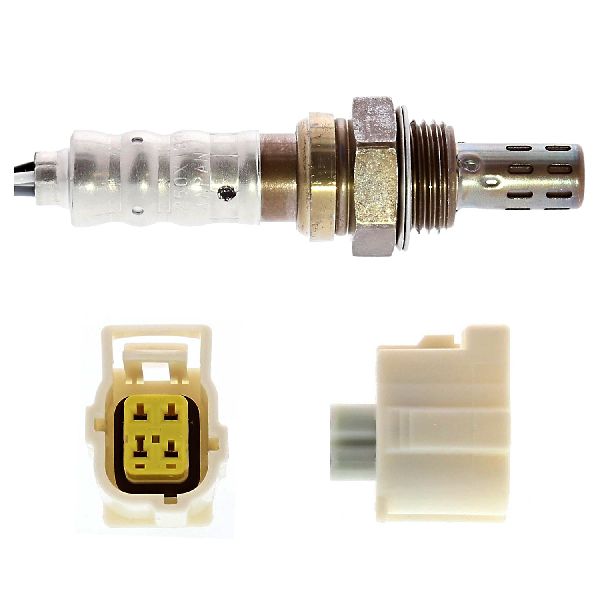
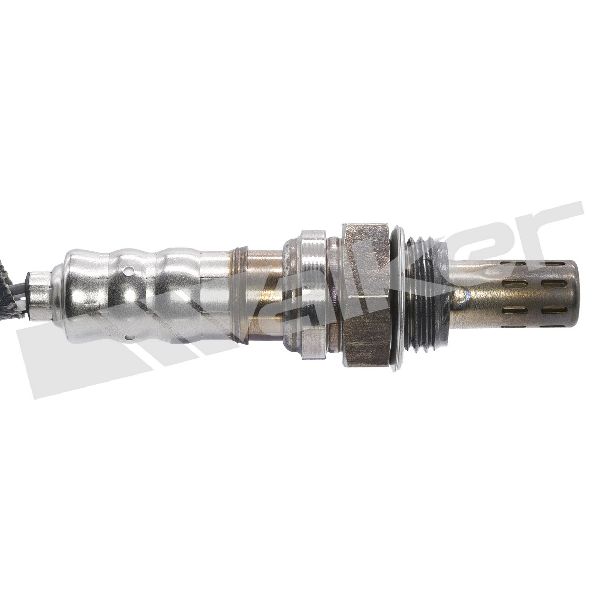
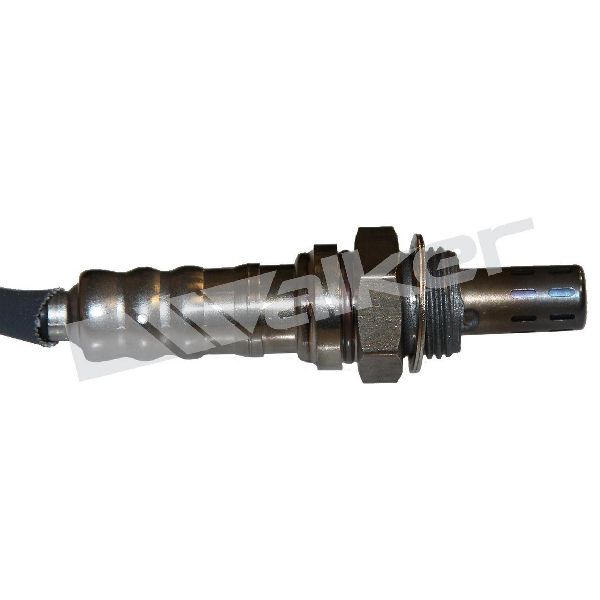
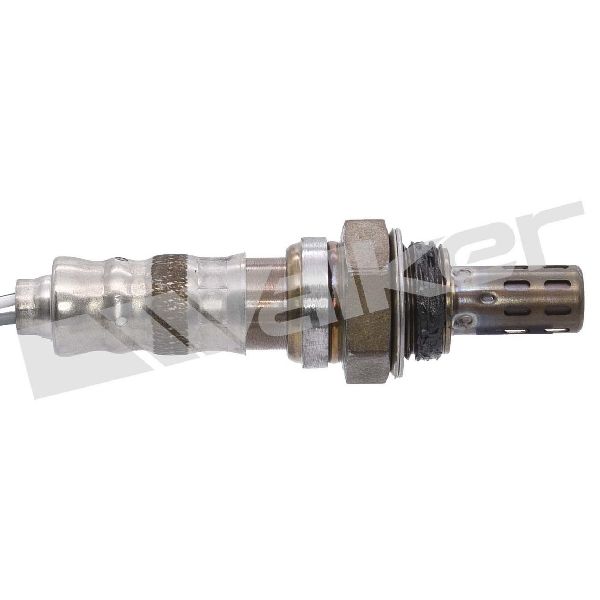
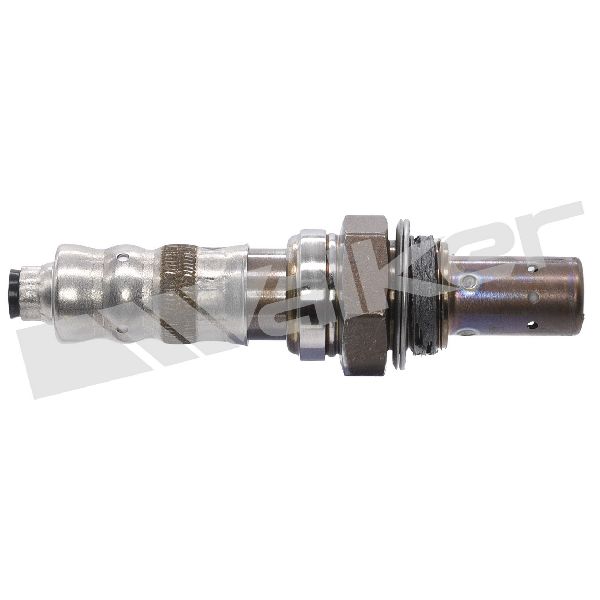
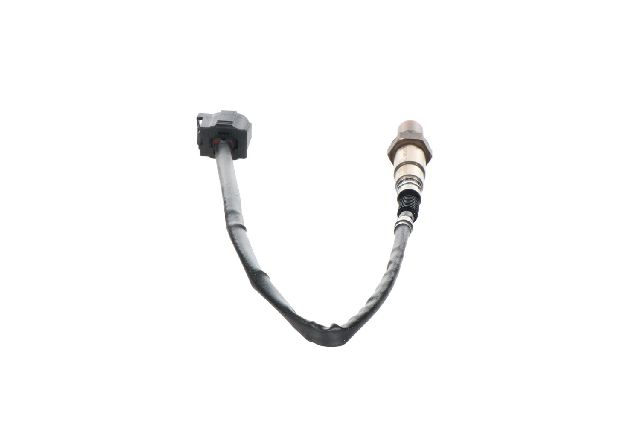
- Downstream Oxygen Sensor (Bank 2, Sensor 2)
(OEM #5149171AA)— This sensor is responsible for setting the code and is the most common hardware component to fail, causing incorrect rich readings.
Trusted brands: Mopar, Denso, Bosch, NTK/NGK
OEM price range: $80-$130
Aftermarket price range: $40-$90
Related Codes That Often Appear With This One
- P2097 — This is the same 'rich' code but for Bank 1 (passenger side). Seeing both together strongly suggests a problem affecting the whole engine, like a fuel pressure issue, a faulty MAP sensor, or the specific software issue addressed by TSB 18-072-22 on 2021 models.
- P0302, P0304, P0306 — These codes indicate misfires on cylinders 2, 4, or 6, which are all on Bank 2. A misfire can cause unburnt fuel to be dumped into the exhaust, which the downstream O2 sensor then reads as a rich condition. This could be caused by a bad coil, plug, or a failing rocker arm. TSB Bulletin #18-033-26 specifically links P2099 with P0306 (Cylinder 6 Misfire) during cold start catalyst heating.
Technical Service Bulletins (TSBs) & Recalls
- 18-072-22: Flash: Powertrain Control Module (PCM) Updates for P2097/P2099 on 2021 models with the 3.6L engine (Sales Code ERC).
- TSB Bulletin #1807222: Diagnostic evaluation notes that P2097 and P2099 may be set in the PCM on 2021 models.
- TSB Bulletin #18-033-26: Addresses P2099 and P2097 occurring alongside misfire codes like P0306-00, often resulting in a rough idle or noisy engine.
Platform-Specific Known Issues
- TSB 18-072-22: Some 2021 Dodge Durango models with the 3.6L engine may set a false P2099 code due to sensitive PCM software. The official fix is a software update, not a part replacement.
- Early Pentastar Valvetrain Issues (2011-2013): These model years were known for a cylinder head defect that caused misfires. While typically affecting the left head (Bank 2), it's a critical consideration for any engine performance code on these early models.
- Rocker Arm Failure (All Years): The 3.6L Pentastar is known for rocker arm failure, which can cause a ticking noise and misfires. An unburnt fuel charge from a misfire on Bank 2 can be interpreted by the downstream O2 sensor as a rich condition, triggering P2099.
Mechanic-Grade Diagnostic Values
- Downstream O2 Sensor (B2S2) Voltage — expected: Relatively stable voltage between 0.4V and 0.6V at warm idle in closed loop.. Failure: Voltage is stuck high (above 0.8V) or fluctuates rapidly like an upstream sensor (0.1V to 0.9V).
- O2 Sensor Heater Circuit Resistance — expected: Typically between 5 and 15 Ohms.. Failure: An open circuit (infinite resistance/OL) or a shorted circuit (near zero resistance).
- Fuel Pressure (3.6L V6 Engine) — expected: Approximately 58 PSI.. Failure: Significantly higher pressure could indicate a faulty regulator and cause a rich condition across both banks.
- Long Term Fuel Trim (Post-Repair) — expected: Between -10% and +10% after a 30-40 minute drive cycle.. Failure: Values outside this range indicate the rich condition has not been fully resolved.
Scan Tool Commands That Help
- wiTECH (Dodge Dealer Tool): PCM Flash/Reprogram — This is the specific function required to perform the software update outlined in TSB 18-072-22 for 2021 models, which is a primary fix for P2099.
- wiTECH (Dodge Dealer Tool): Reset Fuel Trim Adaptations — After replacing a component like an O2 sensor or fuel injector, this command forces the PCM to relearn fuel adjustments immediately, helping to confirm if the repair was successful.
- Advanced OBD-II Scanner (e.g., Foxwell, iCarsoft): O2 Sensor Test — This function actively tests the sensor's response time. A good sensor should switch between rich and lean states several times within a few seconds when the engine RPM is raised. A slow or non-responsive sensor will fail this test.
Wiring & Ground Locations
- G304 — Left rear of the engine compartment.. This is a major engine compartment ground point. A corroded or loose connection here can affect various sensor readings, including the oxygen sensors, potentially causing erroneous codes like P2099.
- O2 Sensor 2/2 Connector — On the driver's side exhaust pipe, after the catalytic converter.. This is the connector for the sensor that triggers the P2099 code. The wiring harness is routed near the hot exhaust and is susceptible to melting or physical damage, which can cause a short or open circuit and mimic a failed sensor.
- PCM Connector — Right front of the engine compartment.. All sensor signals terminate here. If wiring is suspected to be faulty, checking for continuity and voltage at the specific pin for the Bank 2 downstream O2 sensor at this connector can confirm a wiring issue between the sensor and the PCM.
Real Owner Repair Stories
- Go-Parts analysis of Ram 1500 (similar platform) (Ram 1500 5.7L (similar exhaust layout)) — Persistent P2099 code
❌ Tried (didn't work) Initial visual inspection of exhaust
✅ What actually fixed it A crack in the exhaust Y-pipe, located after the catalytic converter but before the downstream O2 sensor, was found and repaired. This leak was missed during the first inspection.
"I Checked Everything" — The Actual Cause
- In some cases involving platform-mates (Ram 1500), a visual inspection and even a smoke test can miss a hairline crack in the exhaust Y-pipe or flex pipe that only opens up under specific thermal or load conditions. The fix was to replace or weld the cracked section of the pipe, which was not immediately obvious as the source of the leak.
OEM Part Supersession History
5149171AA, 68066160AA→5149171AB— Standard part revision by the manufacturer for improved performance, durability, or manufacturing efficiency.
Heads up: Part 5149171AB is a widely used O2 sensor across many Chrysler/Dodge/Jeep vehicles for various positions. While it is the correct replacement for the downstream sensor on the 3.6L Durango, it's crucial to verify fitment for the specific position, as it's also used as an upstream sensor on other models.
Model Year Variations Within This Range
- 2021 only: A specific PCM software calibration issue exists that can falsely trigger P2099 and P2097. The fix is a software update via TSB 18-072-22, which does not apply to other model years.
- 2011-2013: These early 3.6L Pentastar engines had a higher incidence of a left cylinder head defect which could lead to valve seat issues, causing misfires on Bank 2 and potentially triggering a P2099 code as a secondary result of incomplete combustion.
Diagnostic Flowchart
Other Known Issues on This Vehicle
Issues unrelated to this code that are worth knowing about as an owner of this generation:
- Rocker Arm / Valvetrain Failure 🔴 High — Common across all model years, but especially noted in 2011-2014 models. Often presents as a distinct 'Pentastar Tick' noise from the upper engine. (Ref: Multiple class-action lawsuits filed regarding this issue.)
- Cracked Oil Filter Housing / Cooler Assembly 🔴 High — Extremely common. The original plastic housing becomes brittle from heat cycles and cracks, causing significant oil and/or coolant leaks. Often misdiagnosed as a rear main seal leak. (Ref: No official recall, but a widespread, well-documented failure. Aftermarket aluminum housings are a popular and more durable fix.)
- Totally Integrated Power Module (TIPM) Failure 🔴 High — Common on 2011-2013 models. Causes a wide range of bizarre electrical issues, including no-start conditions (fuel pump relay failure), horn honking randomly, wipers activating, and doors locking/unlocking on their own. (Ref: Subject of a class-action lawsuit. No formal recall, but many owners require TIPM replacement or repair.)
- Left Cylinder Head Defect (Early Models) 🔴 High — Primarily affects 2011-2013 models. A manufacturing defect caused premature wear of valve guides and seats, leading to misfires (P0302, P0304, P0306) and requiring cylinder head replacement. (Ref: FCA issued an extended warranty (10 years/150,000 miles) for the left cylinder head on affected vehicles.)
- Water Pump Failure 🟠 Medium — Common failure item, particularly in earlier models (2011-2012), leading to coolant leaks and potential overheating.
Used vs. New Parts: Buying Guide for This Vehicle
When a used part is the smart pick: For this repair, using used parts is generally not recommended for the primary components. O2 sensors are wear items and a used one has an unknown lifespan. However, if a larger exhaust component like a Y-pipe or manifold is confirmed to be the cause, a used OEM part from a low-mileage, rust-free donor vehicle can be a cost-effective alternative to new.
Donor-vehicle mileage cap: roughly under 60000 miles for the part to have meaningful remaining life.
What to inspect on the donor part:
- For exhaust components, check for heavy rust, especially at welds and flanges.
- Ensure there are no visible cracks or previous repairs.
- For any included sensors, assume they will need to be replaced and factor that into the cost.
OEM-only on this vehicle (don't cheap out):
- Catalytic Converter: Aftermarket catalytic converters for modern vehicles like the Durango often lack sufficient precious metal loading, leading to a recurring P0430 (catalyst inefficiency) code shortly after installation, even if they fix the P2099 code temporarily. An OEM or a used OEM converter is a much safer bet.
Aftermarket brands forum-validated for this vehicle:
- NTK/NGK: Often the original equipment manufacturer for Mopar sensors; considered a top-tier replacement.
- Denso: A highly reputable OEM supplier known for quality and reliability in oxygen sensors.
- Bosch: A common and generally reliable choice for aftermarket O2 sensors.
Brands owners have reported issues with on this vehicle:
- Unbranded/no-name online marketplace sensors: These often have high failure rates, incorrect calibration, or short lifespans, leading to a quick return of the check engine light.
Real Owner Stories
Aggregated from forums and TSBs cited above. Mileages and costs reflect what owners reported in those sources.
2021 Dodge Durango 3.6L V6
Symptoms: Check Engine Light came on for P2099 with no other noticeable performance issues.
What fixed it: Reprogramming the Powertrain Control Module (PCM) with updated software as per the TSB.
Cost: $0-$200
Source hint: TSB 18-072-22
2014 Dodge Durango 3.6L V6
Symptoms: Heard a distinct 'Pentastar Tick' noise from the upper engine, along with a P2099 code and misfires.
What fixed it: The underlying cause was rocker arm failure, which required replacement of the faulty valvetrain components.
Source hint: Vehicle Specific Issues: Rocker Arm Failure (All Years)
2012 Dodge Durango 3.6L V6
Symptoms: Engine was misfiring and threw a P2099 code, which was traced back to the known cylinder head defect on the left head (Bank 2).
What fixed it: The root cause was a defective cylinder head which needed to be replaced.
Source hint: Vehicle Specific Issues: Early Pentastar Valvetrain Issues (2011-2013)
Related OBD-II Codes
Frequently Asked Questions
I have a 2021 Dodge Durango with a P2099 code. Is there a TSB for this?
Where is the Bank 2, Sensor 2 oxygen sensor located on my 3.6L Durango?
I hear a ticking noise from my engine along with the P2099 code. Could this be the 'Pentastar Tick'?
Are there any specific known issues that cause P2099 on an early model, like a 2012 Durango?
What are the common exhaust leak spots on the Durango that could cause a P2099?
How can I check if a leaking fuel injector is causing the P2099 on my Durango?
Helpful Videos
We Have This Part in Stock

The information in this article is provided for general reference and educational purposes only. Vehicle specifications, procedures, and part compatibility can vary by production date, trim level, and region. Always consult your vehicle's factory service manual and verify part numbers before purchasing or performing repairs. Safety-critical components such as airbags, seat belts, and braking systems should be installed by a qualified professional.
- Dodge Durango:
- 🧭 Diagnostic Flowchart
- 🎬 Helpful Videos
- 🛍️ Shop This Part
- What's Unique About the 2011-2024 Dodge Durango
- Symptoms You May Notice
- Most Likely Causes
- Rare But Worth Checking
- Diagnosis Steps
- Parts You'll Likely Need
- Related Codes That Often Appear With This One
- Technical Service Bulletins (TSBs) & Recalls
- Platform-Specific Known Issues
- Mechanic-Grade Diagnostic Values
- Scan Tool Commands That Help
- Wiring & Ground Locations
- Real Owner Repair Stories
- "I Checked Everything" — The Actual Cause
- OEM Part Supersession History
- Model Year Variations Within This Range
- Other Known Issues on This Vehicle
- Used vs. New Parts: Buying Guide for This Vehicle
- Real Owner Stories
- 2021 Dodge Durango 3.6L V6
- 2014 Dodge Durango 3.6L V6
- 2012 Dodge Durango 3.6L V6
- Related OBD-II Codes
- Frequently Asked Questions
- 🎟️ Get 5% Off