

P2099 on 2011-2018 Ram 1500: Post Catalyst Fuel Trim System Too Rich Bank 2
P2099 on a 2011-2018 Ram 1500 means the engine is running rich on Bank 2 (driver's side). The most common causes are exhaust leaks before the O2 sensor, particularly from broken manifold bolts on HEMI engines, or a failing downstream oxygen sensor. A PCM software update may also be required as per manufacturer bulletins.
- P2099 means your Ram's engine is running too rich on the driver's side (Bank 2).
- Before buying parts, thoroughly inspect for exhaust leaks, especially at the driver's side exhaust manifold.
- The most common parts to fail are the downstream O2 sensor or an exhaust gasket.
- Ask a dealer to check if your truck needs a PCM software update, as this is a known issue covered by TSBs.
- Ignoring this code can lead to a damaged catalytic converter, a much more expensive repair.
What's Unique About the 2011-2018 Ram 1500
For the 4th generation Ram 1500, this code is frequently linked to either simple exhaust leaks or a faulty oxygen sensor. A very common and well-documented issue is the breaking of rear exhaust manifold bolts on the 5.7L HEMI engine, which creates a leak that can trigger this code. Additionally, a notable issue for this platform is that Chrysler issued multiple Technical Service Bulletins (TSBs) indicating the PCM's software may need an update to improve the accuracy of its fuel trim diagnostics. This means that in some cases, the root cause is not a faulty part but rather overly sensitive software that needs to be updated by a dealer.
Diagnostic Flowchart
Tap your situation to follow the diagnostic path that matches what you're seeing on this vehicle.
Generation note: The 2011-2018 model years cover the fourth generation of the Ram 1500 (DS/DJ). The primary V-engines in this generation where this code applies are the 5.7L HEMI V8 and the 3.6L Pentastar V6 (introduced in 2013). The diagnostic principles are similar for both engines, though the exhaust manifold bolt issue is particularly prevalent on the 5.7L HEMI.
Symptoms You May Notice
- Check Engine Light is on
- Decreased fuel economy
- Rough idle or engine hesitation
- Smell of unburnt fuel or gasoline at idle
- Black smoke from the exhaust, especially on startup or acceleration
- Audible ticking noise from the engine bay, especially when cold, indicating an exhaust leak
- Replacing the upstream O2 sensor when the code is for the post-catalyst (downstream) system.
- Replacing the catalytic converter without first diagnosing exhaust leaks, O2 sensor function, or fuel system issues.
- Replacing fuel injectors without confirming they are leaking via a pressure test or spark plug inspection.
Most Likely Causes
- Exhaust Leak 🔴 High Probability Exhaust manifold bolts on 5.7L HEMI engines are notorious for breaking, especially the rearmost bolts, 🎬 Watch this video to understand why these Hemi bolts break. due to thermal stress and different expansion rates of the steel bolts and aluminum heads. This creates a leak near the cylinder head that allows unmetered air to enter the exhaust, paradoxically causing a rich reading from the O2 sensor as the PCM tries to compensate.
How to confirm: Visually inspect the exhaust manifold on the driver's side, especially the bolts closest to the firewall. Look for black soot trails indicating a leak. A ticking noise that is loudest on a cold start and may quiet down as the engine warms up is a classic symptom. A smoke test is the most definitive way to confirm a leak.
Typical fix: Repair the leak. This involves removing the manifold, extracting the broken bolt(s) (which may require drilling and an extractor kit or welding a nut on), replacing the manifold gasket, and installing new bolts. 🎬 See a step-by-step walkthrough on extracting broken manifold bolts. Some owners recommend replacing the warped manifold at the same time.
Est. part cost: $20-$300 - Faulty Downstream Oxygen (O2) Sensor (Bank 2, Sensor 2) 🔴 High Probability → Shop Oxygen Sensor O2 sensors are wear items and fail over time due to contamination and constant exposure to high heat. A sensor can become lazy or biased, sending a false 'rich' signal (stuck high voltage) to the PCM.
How to confirm: Use a diagnostic scan tool to monitor the live data from the Bank 2, Sensor 2. A healthy downstream sensor should show a relatively steady voltage (e.g., 0.6-0.8V) when the engine is warm and in closed loop. If it's stuck high (above 0.8V) or fluctuating rapidly like the upstream sensor, it's likely faulty.
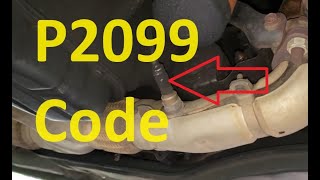
Typical fix: Replace the Bank 2, Sensor 2 oxygen sensor. This is located on the driver's side, after the catalytic converter. 🎬 Watch: How to change the O2 sensors on your Ram.
Est. part cost: $40-$120 - PCM Software Update Needed 🟡 Medium Probability Chrysler released several TSBs for these trucks to address inaccurate fuel trim codes. The original software logic can be overly sensitive and set a P2099 code when no mechanical fault exists.
How to confirm: A Ram dealership or a qualified shop with access to FCA's wiTECH software can check your vehicle's VIN against available TSBs like #18-103-16 REV. B. They can see if a software update is available for the PCM.
Typical fix: The dealership reprograms or 'flashes' the PCM with the latest software version. This process typically takes under an hour.
Est. part cost: $0-$250 - Leaking Fuel Injector(s) on Bank 2 ⚪ Low Probability → Shop Fuel Injector Injectors can become stuck partially open or leak from a bad seal, dumping excess fuel into the cylinders on Bank 2.
How to confirm: Perform a fuel pressure leak-down test. Another method is to pull the spark plugs on Bank 2 (cylinders 2, 4, 6, 8) and check for signs of excessive fuel (wetness, strong gas smell, heavy black soot). A dark, sooty plug indicates a rich condition in that cylinder.
Typical fix: Replace the faulty fuel injector(s). It is often recommended to replace all injectors on that bank at the same time.
Est. part cost: $50-$150 per injector
Rare But Worth Checking
- Failing Catalytic Converter: → Shop Catalytic Converter While less common, a clogged or inefficient catalytic converter can sometimes cause this code. This is often a result of a long-term rich condition, not the initial cause. If the downstream O2 sensor voltage mimics the upstream sensor's fluctuations, it's a strong sign of a bad converter.
- High Fuel Pressure: A failing fuel pressure regulator can cause system-wide high fuel pressure, leading to a rich condition. This would typically affect both banks (setting P2097 and P2099), but can sometimes manifest on one side first.
- Mass Airflow (MAF) Sensor Issues: Though less common on these trucks to cause a single-bank code, a dirty or failing MAF sensor can provide incorrect airflow readings, leading the PCM to miscalculate the fuel mixture.
Diagnosis Steps
- Read all fault codes with an OBD-II scanner. Note any other codes present, especially misfire codes for Bank 2 or the equivalent code (P2097) for Bank 1.
- Check for Technical Service Bulletins (TSBs) for your specific VIN. A PCM update as per TSB 18-103-16 REV. B may be the required fix. This should be a primary step.
- Perform a thorough visual inspection of the exhaust system on Bank 2 (driver's side). Listen for a ticking noise when the engine is cold. Look for soot trails near the manifold-to-head connection, especially at the rearmost cylinder.
- Use a scan tool to observe live data. Warm up the engine. The Bank 2, Sensor 2 (downstream) O2 sensor voltage should be relatively stable between 0.5V and 0.9V. If it is stuck high (>0.8V), it confirms a rich condition or a faulty sensor. If it switches rapidly like the upstream sensor, the catalytic converter is suspect.
- If an exhaust leak is suspected but not visible, perform a smoke test on the exhaust system to pinpoint the leak.
- If no exhaust leaks are found and the PCM software is up-to-date, investigate the fuel system. Check fuel pressure and perform a leak-down test. Pull spark plugs on Bank 2 to look for wet, sooty plugs indicating a leaking injector.
- As a final step if all other possibilities are exhausted, test the O2 sensor itself. If the sensor is confirmed to be reading a true rich condition (and not faulty itself), do not replace it. If the sensor is determined to be faulty (e.g., biased, slow response), replace the Bank 2 downstream O2 sensor.
Parts You'll Likely Need
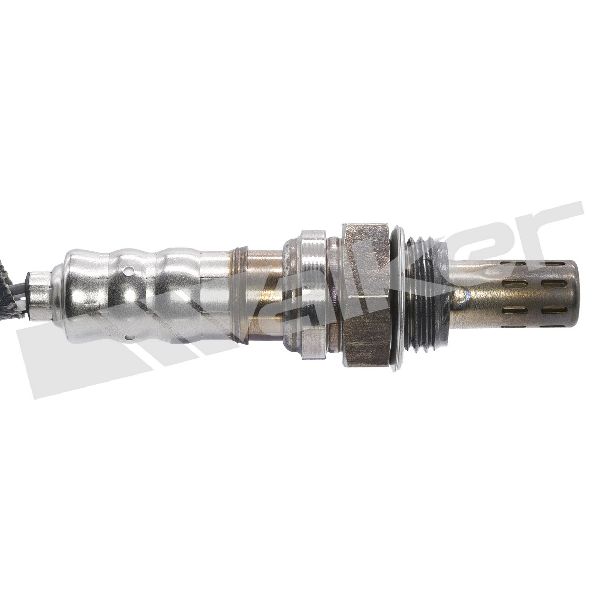
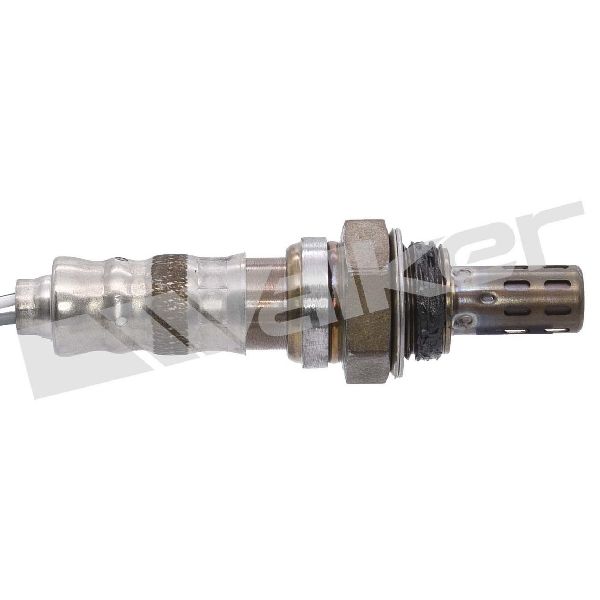
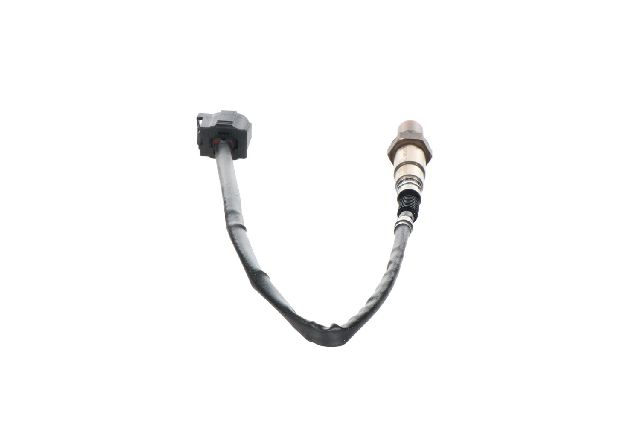
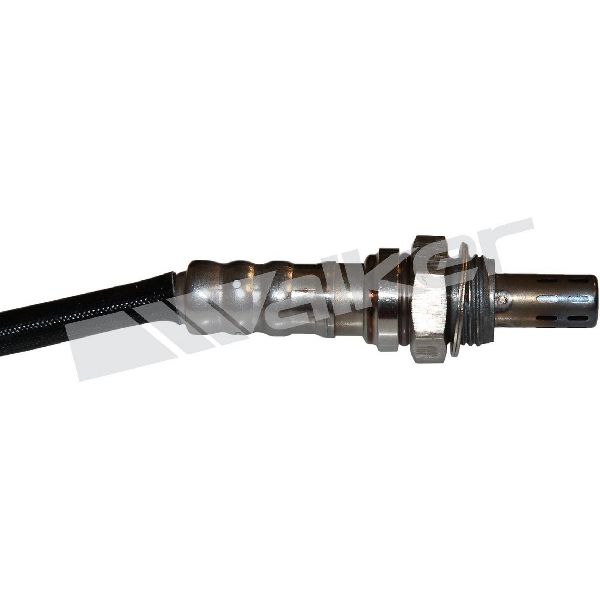
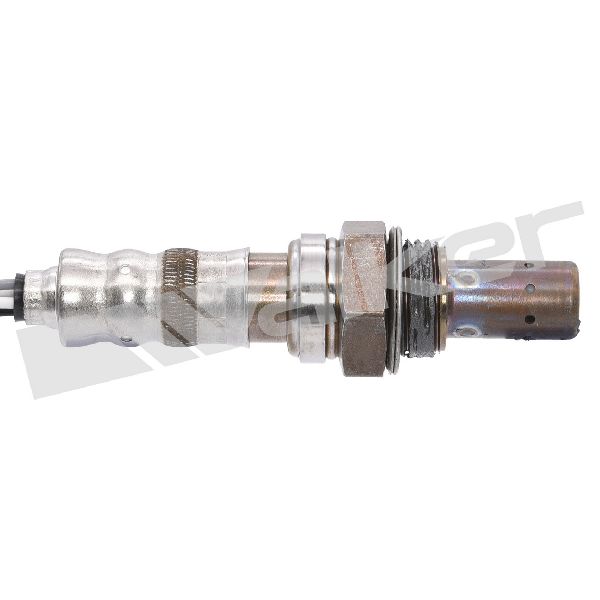
- Downstream Oxygen Sensor (Bank 2, Sensor 2)
(OEM #56029049AA)— This sensor is the primary input for this code and is a common failure point due to age and heat exposure. Part number 56029049AA is a widely cited Mopar part for this application.
Trusted brands: Mopar, NTK, Denso, Bosch
OEM price range: $70-$110
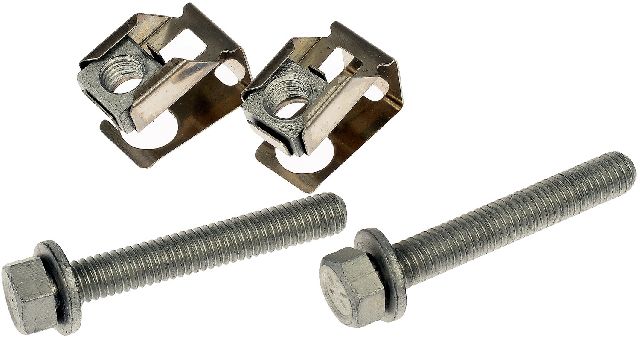
Aftermarket price range: $40-$90 - Exhaust Manifold Gasket and Bolt Kit
(OEM #Gasket: 5045496AA)— Required when fixing the common exhaust manifold leaks. The bolts are often single-use and the old gasket will not reseal properly.
Trusted brands: Mopar, Fel-Pro, Dorman
OEM price range: $50-$100
Aftermarket price range: $25-$60
Related Codes That Often Appear With This One
- P0300, P0302, P0304, P0306, P0308 — Misfire codes on Bank 2 cylinders can occur alongside P2099 if a leaking injector or other issue is causing poor combustion. A forum user with a 2015 5.7L reported P0308 along with P2099.
- P2097 — This is the equivalent rich code for Bank 1. If both are present, it points to a systemic issue like high fuel pressure or a faulty MAF sensor affecting the entire engine.
- P0456 — EVAP System Small Leak. This code is mentioned alongside P2099 in TSB #18-103-16 REV. B, suggesting that the PCM software update addresses multiple potential codes at once.
Technical Service Bulletins (TSBs) & Recalls
- 18-103-16 REV. B: The most relevant TSB, which applies to 2013-2015 Ram 1500s with 3.6L, 4.7L, or 5.7L engines. It involves reprogramming the PCM to correct false MIL illumination for P2099 and other codes.
- 1810316: An earlier version of the same bulletin, also listing P2099 as a code addressed by a software update.
- 18-077-14: Another bulletin related to PCM updates for fuel trim codes, including P2099.
Platform-Specific Known Issues
- Broken exhaust manifold bolts on the 5.7L HEMI engine are a very common source of exhaust leaks that can trigger this code. Owners on forums frequently discuss this repair, with many noting the rear-most bolts are the typical culprits.
- PCM software logic
Mechanic-Grade Diagnostic Values
- Downstream O2 Sensor (Bank 2, Sensor 2) Voltage — expected: Relatively stable between 0.5V and 0.9V at idle on a warm engine.. Failure: Consistently above 0.8V, or fluctuating rapidly like the upstream sensor.
- Fuel Pressure (5.7L HEMI, 2004+) — expected: 58 psi +/- 5 psi. A 2015 Ram with a 6.4L HEMI showed a spec of 58 psi +/- 2 psi.. Failure: Significantly lower pressure (e.g., 30 psi) indicates a failing fuel pump or regulator.
- O2 Sensor Heater Resistance — expected: Typically between 10-25 ohms when cool.. Failure: A reading of 0 ohms indicates a short, while an infinite reading (OL) indicates an open circuit in the heater element.
- Exhaust Leak Pressure Test — expected: System should hold pressure with no leaks.. Failure: Bubbles forming when soapy water is sprayed on joints, or smoke escaping during a smoke test. Pressure for this test should not exceed 4 psi.
Scan Tool Commands That Help
- wiTECH or equivalent professional scan tool: O2 Sensor Heater Test — To verify the integrity of the oxygen sensor's internal heater circuit, which is necessary for the sensor to reach operating temperature quickly and provide accurate readings. This helps differentiate a sensor failure from a wiring or PCM issue.
- wiTECH or equivalent professional scan tool: View DTCs / Review Freeze Frame Data — This is a primary step to see under what conditions (engine temp, speed, load) the P2099 code was set. It can help replicate the fault during a test drive.
Wiring & Ground Locations
- PCM Ground Circuits — Multiple ground wires connecting to the Powertrain Control Module (PCM), which is typically located in the engine bay.. A poor ground connection at the PCM can cause incorrect sensor readings and faulty logic. A service manual procedure involves checking the PCM ground circuits for high resistance or opens using a test light connected to a 12V source.
- O2 Sensor Connector (Bank 2, Sensor 2) — On the driver's side of the vehicle, following the exhaust pipe after the catalytic converter. The connector is typically mounted to the frame or a bracket to keep it away from the hot exhaust.. The wiring and connector are susceptible to damage from heat, road debris, or corrosion. Inspecting the connector for pushed-out pins, corrosion, or melted wires is a critical step. The connector for the Bank 2 downstream sensor is often black or yellow and has 4 terminals.
Model Year Variations Within This Range
- 2013-2014: The 2013 model year introduced significant changes including the 3.6L Pentastar V6 and an 8-speed automatic transmission. The 2014 models continued these but also introduced the EcoDiesel option, which uses a different emissions system (urea injection) and has its own set of potential causes for emissions-related codes. The base engine power also slightly differed between 2013 and 2014.
Helpful Videos
We Have This Part in Stock

The information in this article is provided for general reference and educational purposes only. Vehicle specifications, procedures, and part compatibility can vary by production date, trim level, and region. Always consult your vehicle's factory service manual and verify part numbers before purchasing or performing repairs. Safety-critical components such as airbags, seat belts, and braking systems should be installed by a qualified professional.
- Ram 1500:
- 🧭 Diagnostic Flowchart
- 🎬 Helpful Videos
- 🛍️ Shop This Part
- What's Unique About the 2011-2018 Ram 1500
- Symptoms You May Notice
- Most Likely Causes
- Rare But Worth Checking
- Diagnosis Steps
- Parts You'll Likely Need
- Related Codes That Often Appear With This One
- Technical Service Bulletins (TSBs) & Recalls
- Platform-Specific Known Issues
- Mechanic-Grade Diagnostic Values
- Scan Tool Commands That Help
- Wiring & Ground Locations
- Model Year Variations Within This Range
- 🎟️ Get 5% Off