

P2099 on 2019-2022 Ram 1500: Post Catalyst Fuel Trim System 2 Rich Causes and Fixes
On a 2019-2022 Ram 1500, code P2099 is most often caused by an exhaust leak at the manifold on the driver's side (Bank 2), especially on 5.7L HEMI engines which are known for cracked manifolds or broken bolts. Other likely causes include a faulty downstream oxygen sensor or the need for a PCM software update per manufacturer TSBs.
- P2099 means the engine is running too rich on the driver's side (Bank 2).
- For the 5.7L HEMI, the most likely cause is a cracked exhaust manifold or broken manifold bolts, creating an exhaust leak.
- Always check for available PCM software updates from a dealer before replacing parts, as this is a known fix.
- Do not replace the O2 sensor without first ruling out exhaust leaks and software issues.
- Ignoring the code can lead to reduced fuel economy and eventual damage to the expensive catalytic converter.
What's Unique About the 2019-2022 Ram 1500
For the 5th generation Ram 1500 (DT), this code is frequently linked to specific, well-documented issues. The 5.7L HEMI engine, in particular, is known for breaking exhaust manifold bolts or even cracking the manifold itself, which creates a leak that is a primary cause of P2099. This leak allows unmetered air into the exhaust, which tricks the O2 sensors and causes the PCM to create a rich condition. Furthermore, Ram has issued multiple Technical Service Bulletins (TSBs), like 18-021-26 for 2022 models, indicating that the PCM software can be overly sensitive and may need an update to correct false P2099 codes. [TSB #18-021-26] These two issues—exhaust leaks and software updates—should be the first items to investigate before replacing any parts.
Diagnostic Flowchart
Tap your situation to follow the diagnostic path that matches what you're seeing on this vehicle.
Symptoms You May Notice
- Check Engine Light is on
- Rough idle or engine miss, especially during a cold start. [TSB #18-021-26]
- Lack of power or responsiveness, especially for the first few minutes of driving. [TSB #1803723]
- Reduced fuel economy.
- Audible ticking or puffing noise from the driver's side engine bay (especially when cold), indicating an exhaust leak.
- Smell of unburnt gasoline from the exhaust.
- Black smoke from the exhaust upon acceleration or startup.
- Replacing the oxygen sensor without first checking for exhaust leaks or available software updates. An exhaust leak is the most common cause on these trucks, and a new sensor will not fix it.
- Replacing the catalytic converter. The P2099 code indicates a problem with the air/fuel mixture being *reported* after the converter; it is almost never caused by a bad converter itself.
Most Likely Causes
- Exhaust Leak (Cracked Manifold or Broken Bolts) 🔴 High Probability The 5.7L HEMI engine is notorious for breaking exhaust manifold bolts, particularly the ones closest to the firewall, due to thermal stress. The manifolds themselves are also known to crack. This creates a leak that allows unmetered air into the exhaust stream, which paradoxically causes the PCM to overcompensate by adding fuel, creating a rich condition that triggers P2099.
How to confirm: Visually inspect the driver's side exhaust manifold for black soot trails or broken/missing bolt heads. Listen for a distinct 'ticking' sound when the engine is cold, which may quiet down as the metal expands. A professional smoke test is the most definitive way to identify leaks. Some owners on forums like 5thGenRams have found cracks by removing the heat shield for a direct look.
Typical fix: Replace the broken exhaust manifold bolts and the manifold gasket. If the manifold is cracked or warped, it must be replaced. Many owners on forums recommend replacing the entire manifold with an aftermarket version to prevent recurrence.
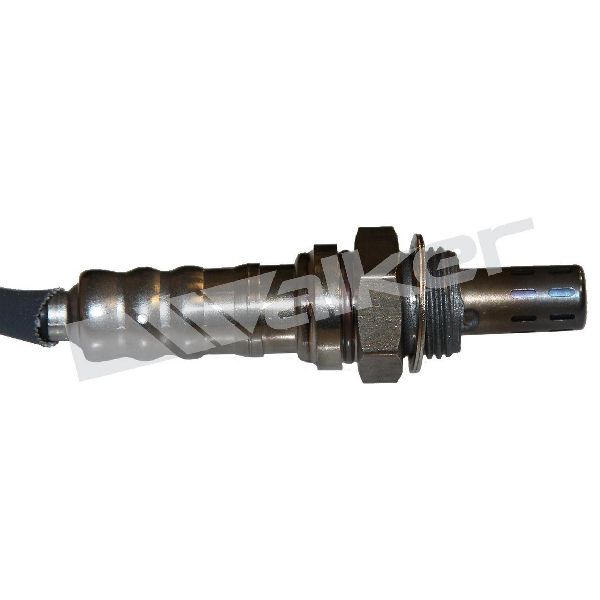
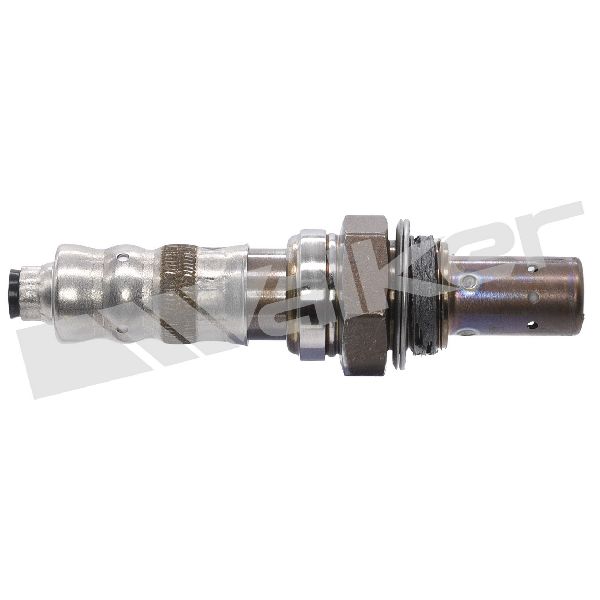
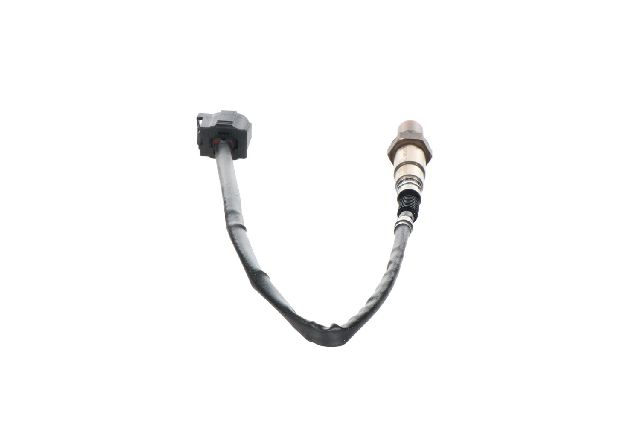
Est. part cost: $40-$450 - Faulty Downstream Oxygen (O2) Sensor 🟡 Medium Probability → Shop Oxygen Sensor O2 sensors are wear-and-tear items that degrade over time from heat and contaminants. While not a specific platform weakness, it's a common failure point on any vehicle.
How to confirm: Use a scan tool to monitor the Bank 2, Sensor 2 voltage. A healthy downstream sensor should show a relatively steady voltage (e.g., 0.6-0.8V) when warm. If it's stuck high (above 0.8V) or not responding, it's likely faulty. A definitive test is to swap the downstream sensors between Bank 1 and Bank 2. Clear the codes and drive. If the code changes to P2097 (Bank 1 Rich), the sensor is bad.
Typical fix: Replace the Bank 2, Sensor 2 oxygen sensor, which is located on the driver's side, after the catalytic converter.
Est. part cost: $50-$150 - PCM Software Update Needed 🟡 Medium Probability Ram has released multiple TSBs (e.g., #18-021-26 for 2022 models, #18-037-23 for 2022 models) to address inaccurate fuel trim codes. [TSB #18-021-26, TSB #1803723] The original software logic can be too sensitive and set a P2099 code when no mechanical fault exists. This has been a recurring issue across multiple model years.
How to confirm: A Ram dealership or a properly equipped independent shop with access to FCA's wiTECH software can check your vehicle's VIN to see if any software updates are available and have not been performed. [1, TSB #18-021-26]
Typical fix: Reprogramming the Powertrain Control Module (PCM) with the latest software. This is typically a 0.3-hour labor operation at a dealership. [TSB #18-021-26, TSB #1803723]
Est. part cost: $0-$250 - Leaking Fuel Injector ⚪ Low Probability → Shop Fuel Injector
How to confirm: If other codes like cylinder misfire codes for Bank 2 (P0302, P0304, P0306, P0308) are present, it points towards a possible injector issue. You can also pull the spark plugs on Bank 2; a wet or sooty, black plug can indicate a leaking injector on that cylinder. A fuel pressure leak-down test can also help diagnose a leaky injector.
Typical fix: Replace the faulty fuel injector(s) on Bank 2.
Est. part cost: $70-$200 per injector
Rare But Worth Checking
- Vacuum leak from intake manifold gaskets. On higher mileage engines, a vacuum leak can cause the PCM to add excessive fuel to compensate for the unmetered air, leading to a rich condition reported by the downstream O2 sensor.
Diagnosis Steps
- Check for Technical Service Bulletins (TSBs): Before any other step, check with a dealer if your VIN has any open recalls or TSBs related to the PCM software for fuel trim codes like P2099. TSBs 18-021-26 and 18-037-23 are specific to 2022 models. [TSB #18-021-26, TSB #1803723]
- Inspect for Exhaust Leaks: Perform a thorough visual and audible inspection of the exhaust system on the driver's side (Bank 2), especially around the exhaust manifold. Look for soot trails and listen for a ticking noise when the engine is cold. For a definitive check, have a smoke test performed. 🎬 See this walkthrough on how to fix those broken manifold bolts.
- Analyze Live Data with a Scan Tool: Monitor the short-term and long-term fuel trims for both banks. Observe the voltage of the Bank 2, Sensor 2 (downstream) O2 sensor. It should be relatively stable between 0.6V and 0.8V when warm. If it's stuck high (e.g., >0.8V), it confirms a rich reading.
- Test the O2 Sensor: If no leaks are found and a software update is not available or doesn't fix the issue, test the sensor. The easiest way is to swap the downstream O2 sensors between the driver's side (Bank 2) and passenger side (Bank 1). Clear the codes and drive. If the code returns as P2097 (Bank 1 Rich), the sensor is faulty.
- Check Fuel Injectors and Spark Plugs: If the problem persists, inspect the spark plugs on Bank 2 for signs of heavy carbon fouling or being wet with fuel. This can point to a leaking injector, which may require a professional injector balance test to confirm.
Parts You'll Likely Need
- Exhaust Manifold & Gasket/Bolt Kit
(OEM #Manifold (Left/Driver Side): 68045559BA; Gasket: 5045496AA)— This is the most common fix for the notorious exhaust manifold leaks on the 5.7L HEMI engine that cause this code, due to either a cracked manifold or broken bolts.
Trusted brands: Mopar, Dorman, Fel-Pro, BD Diesel
OEM price range: $150-$450
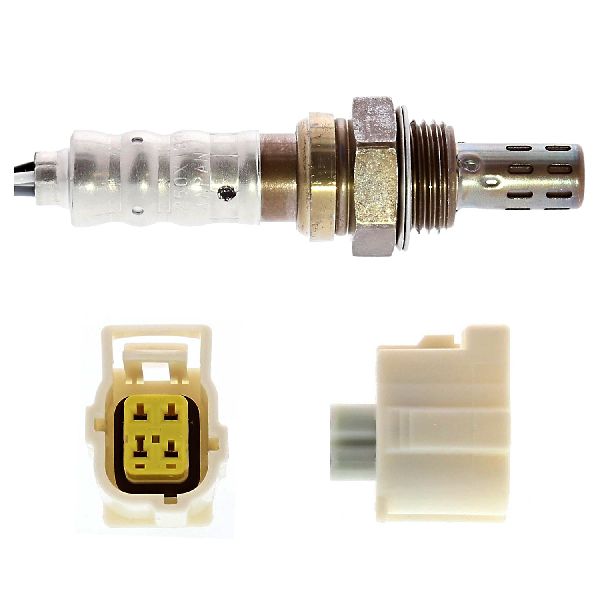
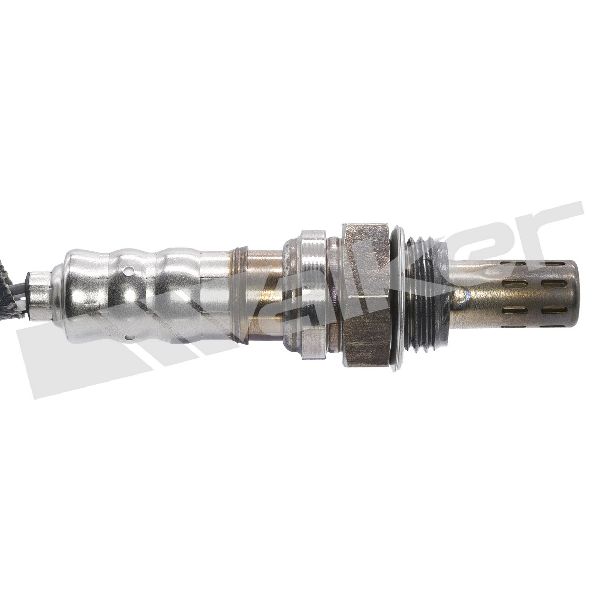
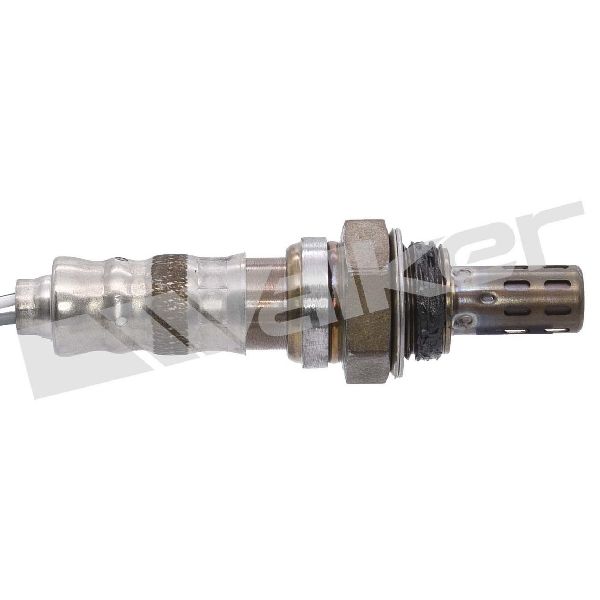
Aftermarket price range: $80-$300 - Downstream Oxygen Sensor (Bank 2, Sensor 2)
(OEM #56029049AA (Verify by VIN))— If the sensor itself has failed and is sending a false rich signal, it will need to be replaced. This is the sensor on the driver's side, after the catalytic converter.
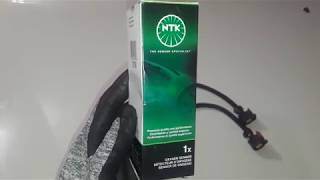
Trusted brands: Mopar, Denso, Bosch, NTK
OEM price range: $70-$110
Aftermarket price range: $40-$90
Related Codes That Often Appear With This One
- P2097 — This is the identical 'rich' code but for Bank 1 (passenger side). If both codes appear together, it suggests a systemic problem like a fuel pressure issue, a major software fault, or a vacuum leak affecting both banks.
- P0300, P0302, P0304, P0306, P0308 — Misfire codes for cylinders on Bank 2 (driver's side) can occur if a leaking fuel injector is causing both the rich condition and fouling the spark plug. TSB #18-021-26 specifically links a cylinder 6 misfire (P0306) with P2099 on 2022 models. [TSB #18-021-26]
- P0430 — This code indicates 'Catalyst System Efficiency Below Threshold (Bank 2)'. A long-term rich condition from P2099 can overheat and damage the catalytic converter, eventually causing a P0430 code to appear.
Technical Service Bulletins (TSBs) & Recalls
- 18-021-26: For 2022 models, addresses P2099/P2097 set with various cylinder misfire codes (P0300-P0306) causing rough idle or miss after cold start. Fix is a PCM software update.
- 18-037-23: For 2022 models with the 3.6L eTorque engine, addresses P2099/P2097 causing a lack of power for ~90 seconds after a cold start. Fix is a PCM software update.
- 09-003-23: For 2019-2022 models with the 5.7L HEMI, addresses a cold start ticking noise. The fix involves replacing cracked exhaust manifolds with an updated part. While not directly mentioning P2099, it addresses the root cause.
- 18-103-16 REV. B: An older TSB for 2013-2015 models that lists P2099 as a code that can be resolved with a PCM software update, indicating a history of software-related fixes for this code.
Platform-Specific Known Issues
- TSB #18-021-26 notes that P2099 may be set along with a P0306 (Cylinder 6 Misfire) during cold start, causing a rough idle or engine miss on 2022 models. [TSB #18-021-26]
- TSB #18-037-23 mentions that P2099 can cause a lack of power or responsiveness for the first couple of minutes of driving on 2022 models with the 3.6L engine. [TSB #1803723]
Mechanic-Grade Diagnostic Values
- Downstream O2 Sensor (Bank 2, Sensor 2) Voltage at Idle (Warm Engine) — expected: Relatively stable voltage between 0.6V and 0.8V.. Failure: A voltage consistently stuck high (above 0.8V) indicates a rich condition or a biased sensor. Rapid fluctuations similar to the upstream sensor indicate a failing catalytic converter.
- Long Term Fuel Trim (LTFT) for Bank 2 — expected: Close to 0%, ideally within +/- 5%.. Failure: A strong negative number (e.g., -15% or more) shows the PCM is actively removing fuel to compensate for a perceived rich condition.
Hidden / Shadow Codes Worth Checking
- Mode 6, TID:$57, CID:$00: This test ID relates to the Fuel System Bank 1 Delta High Threshold. While this specific example is for Bank 1, a failing test for the equivalent Bank 2 monitor can indicate an intermittent fuel system issue before a hard DTC like P2099 is set. (see via A professional scan tool capable of displaying Mode 6 diagnostic data.)
Wiring & Ground Locations
- Engine Ground Strap — A primary engine-to-chassis ground strap is typically located on the back of the cylinder head. Another key ground point is from the battery negative terminal to the driver's side fender.. A poor or corroded engine ground can introduce electrical noise and cause incorrect readings from sensors, including the oxygen sensors, potentially leading to false rich or lean codes. Ensuring a clean, tight ground connection is a crucial, often overlooked, electrical diagnostic step.
Real Owner Repair Stories
- 5thGenRams.com forum user (2019 Ram 1500 5.7L HEMI) — P2099 code, dealer could not find a leak.
❌ Tried (didn't work) Dealer smoke test (found no leaks), PCM software update
✅ What actually fixed it The owner discovered a crack in the exhaust Y-pipe, after the catalytic converter but before the downstream O2 sensor. Replacing the Y-pipe resolved the code.
"I Checked Everything" — The Actual Cause
- In one documented case for a 2019 Ram 1500, a dealer's smoke test and software update failed to fix the P2099 code. The actual cause was a crack in the exhaust Y-pipe, located after the catalytic converter but before the downstream O2 sensor, which was missed during the initial inspection.
OEM Part Supersession History
53034137AC, 68045559AA, 68045559AB→68045559BA— Part has been updated by the manufacturer over time.
Helpful Videos
We Have This Part in Stock

The information in this article is provided for general reference and educational purposes only. Vehicle specifications, procedures, and part compatibility can vary by production date, trim level, and region. Always consult your vehicle's factory service manual and verify part numbers before purchasing or performing repairs. Safety-critical components such as airbags, seat belts, and braking systems should be installed by a qualified professional.
- Ram 1500:
- 🧭 Diagnostic Flowchart
- 🎬 Helpful Videos
- 🛍️ Shop This Part
- What's Unique About the 2019-2022 Ram 1500
- Symptoms You May Notice
- Most Likely Causes
- Rare But Worth Checking
- Diagnosis Steps
- Parts You'll Likely Need
- Related Codes That Often Appear With This One
- Technical Service Bulletins (TSBs) & Recalls
- Platform-Specific Known Issues
- Mechanic-Grade Diagnostic Values
- Hidden / Shadow Codes Worth Checking
- Wiring & Ground Locations
- Real Owner Repair Stories
- "I Checked Everything" — The Actual Cause
- OEM Part Supersession History
- 🎟️ Get 5% Off