

P2099 on 2008-2010 Saturn VUE V6: Causes and Fixes for Post-Catalyst Rich Condition
On a 2008-2010 Saturn VUE with a V6 engine, code P2099 is most often caused by a leaking fuel injector. A General Motors Technical Service Bulletin (TSB) highlights this as a known issue. Diagnosis should begin with a fuel injector balance test before replacing any other parts.
- P2099 on a 2008-2010 V6 Saturn VUE is not a generic problem; a GM service bulletin points directly to leaking fuel injectors as the most common cause.
- Your first diagnostic step should be a fuel injector balance test, not replacing the O2 sensor.
- Driving with this code can reduce fuel efficiency and may eventually damage your catalytic converter.
- This code only applies to VUE models with the 3.5L or 3.6L V6 engine, as four-cylinder engines do not have a 'Bank 2'.
What's Unique About the 2008-2010 Saturn VUE
For many cars, a P2099 code points to an O2 sensor or exhaust leak. However, on the 2008-2010 Saturn VUE with the 3.6L V6 engine (and its platform mates), General Motors issued a specific Technical Service Bulletin (TSB PIP4964F) because this code is frequently caused by faulty, leaking fuel injectors. This official guidance from the manufacturer makes injector testing the most critical first step, which is a unique diagnostic priority for this specific vehicle platform.
Diagnostic Flowchart
Tap your situation to follow the diagnostic path that matches what you're seeing on this vehicle.
Symptoms You May Notice
- Check Engine Light (SES light) is on
- Reduced fuel economy
- A smell of gasoline from the exhaust
- Potentially no noticeable drivability problems
- Slightly rough idle or engine vibration
- Replacing the oxygen sensor without testing it first. While a bad O2 sensor can cause this code, the manufacturer TSB for the Saturn VUE strongly suggests fuel injectors are the more likely culprit. The O2 sensor is often just accurately reporting the rich condition caused by the injector.
Most Likely Causes
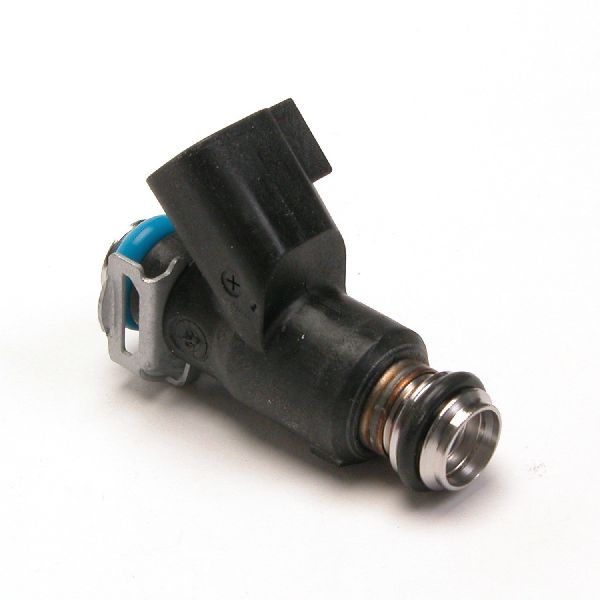
- Leaking Fuel Injector(s) 🔴 High Probability → Shop Fuel Injector A GM Technical Service Bulletin (#PIP4964F) specifically identifies faulty fuel injectors as the most common cause for the P2099 code on this vehicle platform and its siblings. The issue can be a mechanical leak or poor atomization from carbon buildup.
How to confirm: Perform a fuel injector balance test or an Active Fuel Injector Test (AFIT) with a capable scan tool (like a GM Tech 2 or GDS2). This measures the pressure drop for each injector to see if one is leaking or flowing more fuel than the others. A visual inspection of the spark plugs on Bank 2 (front cylinders) may also reveal one or more plugs that are black and sooty from excess fuel.
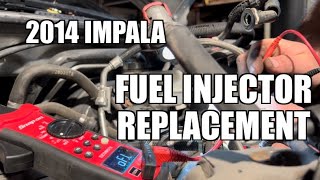
Typical fix: Replace the faulty fuel injector(s). It is highly recommended to replace all three injectors on the affected bank 🎬 See this walkthrough for replacing fuel injectors on a GM 3.6L (Bank 2) at the same time to ensure balanced fuel delivery.
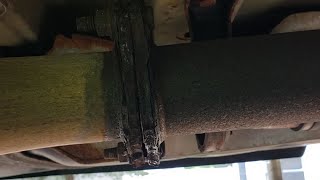
Est. part cost: $50-$120 per injector - Exhaust Leak 🟡 Medium Probability Gaskets and welds in the exhaust system can degrade over time. The same TSB that points to injectors also suggests checking for small exhaust leaks if injector issues are not found. Common leak points are the exhaust manifold gasket or the flange gasket at the catalytic converter outlet.
How to confirm: Visually inspect the exhaust system from the engine to the post-catalyst O2 sensor for cracks, holes, or black soot trails indicating a leak. The TSB recommends a low-pressure smoke test (5-8 PSI) with soapy water applied to gaskets and welds to find hard-to-see leaks.
Typical fix: Replace the leaking gasket or repair the cracked section of the exhaust pipe.
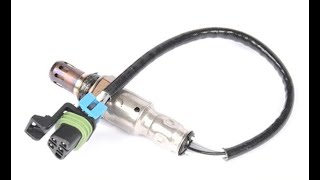
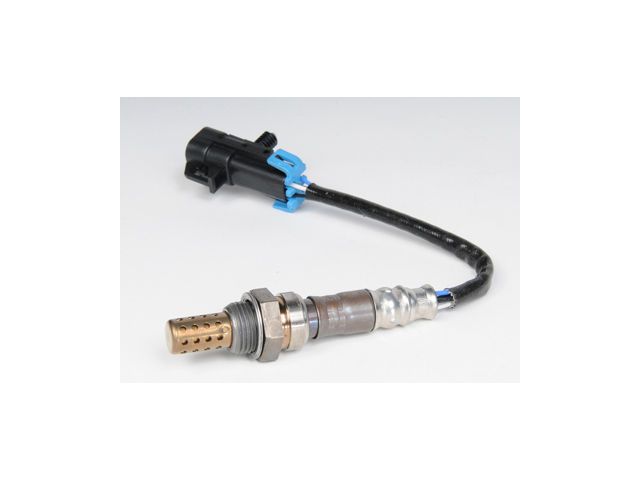
Est. part cost: $10-$50 for a gasket - Faulty Downstream Oxygen (O2) Sensor 🟡 Medium Probability → Shop Oxygen Sensor
How to confirm: Use a scan tool to monitor the voltage of the Bank 2, Sensor 2. A healthy downstream sensor should show a relatively stable voltage (typically between 0.5V and 0.8V) on a warm, running engine. If it's stuck high (above 0.8V) or fluctuating rapidly like an upstream sensor, it may be faulty. However, remember this is often a symptom of a rich condition, not the cause.
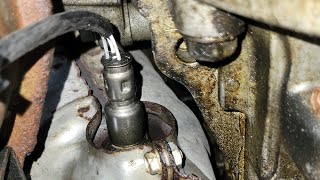
Typical fix: Replace the Bank 2, Sensor 2 oxygen sensor. This is located on the exhaust pipe after the front catalytic converter. 🎬 Watch: How to replace the Bank 2 Sensor 2 oxygen sensor
Est. part cost: $40-$100 - High Fuel Pressure ⚪ Low Probability
How to confirm: Connect a fuel pressure gauge to the fuel rail's service port. Check if the pressure is within the manufacturer's specified range. Pressure that is too high points to a faulty fuel pressure regulator, which on the 3.6L engine is typically part of the in-tank fuel pump module.
Typical fix: Replace the fuel pump module or the fuel pressure regulator if it's serviceable separately.
Est. part cost: $50-$150 for a regulator, $250+ for a pump module
Rare But Worth Checking
- Mass Airflow (MAF) Sensor Malfunction: A dirty or failing MAF sensor can under-report the amount of air entering the engine, causing the computer to inject too much fuel. Cleaning the sensor with a dedicated MAF sensor cleaner is a simple first step before considering replacement.
- Poor Engine Ground Connection: A corroded or loose engine-to-chassis ground strap can cause erratic voltage signals from various sensors, including the O2 sensors, leading the ECM to misinterpret the data and set false codes. Visually inspect the main ground straps for integrity and tightness.
Diagnosis Steps
- Scan for any other DTCs to see if other problems are present, paying close attention to misfire or O2 sensor codes.
- Follow TSB Guidance: Perform a fuel injector balance test using a professional scan tool with GM-specific software (e.g., Tech 2 or GDS2). Compare flow rates to identify any leaking or over-performing injectors on Bank 2 (front bank).
- Inspect the exhaust system carefully for any leaks, especially around the exhaust manifold gasket and the flanges of the catalytic converter on Bank 2. Use a smoke machine or the soapy water method with low air pressure as described in TSB PIP4964F.
- Use a scan tool to observe the live data for the Bank 2, Sensor 2 (downstream) oxygen sensor. A healthy sensor on a warm engine at idle should have a relatively steady voltage above 0.5V. If it's stuck high (e.g., >0.8V), it confirms a rich condition but doesn't identify the cause.
- Check fuel pressure using a mechanical gauge to ensure it's within OEM specifications. Excess pressure can force too much fuel through the injectors.
- Inspect the Mass Airflow (MAF) sensor for contamination and check its readings with a scan tool to ensure they respond correctly to changes in engine RPM.
- Pull the spark plugs from the Bank 2 cylinders (2, 4, 6) and inspect them. Black, sooty plugs are a strong indicator of a rich condition in those specific cylinders, pointing towards an injector issue.
Parts You'll Likely Need
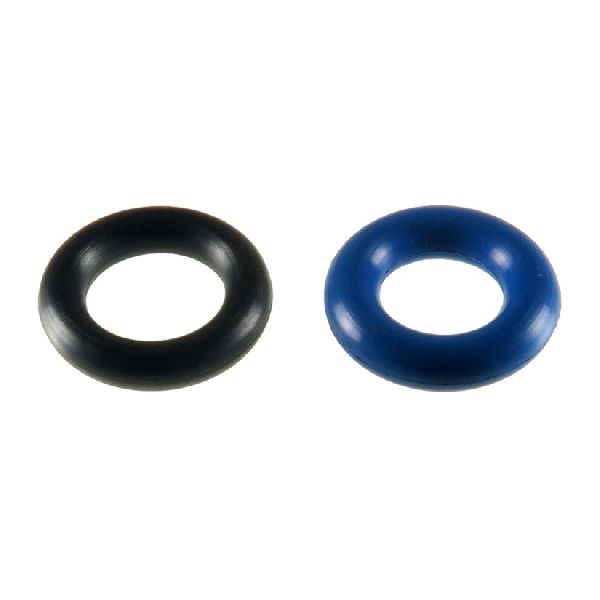
- Fuel Injector
(OEM #12638530 (superseded by 12669384))— Identified by GM TSB PIP4964F as the most frequent cause of P2099 on this specific vehicle.
Trusted brands: ACDelco, Bosch, Standard Motor Products
OEM price range: $90-$150
Aftermarket price range: $50-$120 - Downstream Oxygen Sensor (Bank 2, Sensor 2) — This sensor provides the reading that triggers the code. If it fails, it can send a false 'rich' signal, though it's more often correctly reporting a real rich condition.
Trusted brands: ACDelco, Denso, Bosch
OEM price range: $70-$120
Aftermarket price range: $40-$100 - Exhaust Manifold Gasket — A common source of exhaust leaks that can throw off O2 sensor readings and cause this code.
Trusted brands: Fel-Pro, ACDelco
OEM price range: $20-$40
Aftermarket price range: $10-$25
Related Codes That Often Appear With This One
- P0158 — This code means 'O2 Sensor Circuit High Voltage (Bank 2, Sensor 2)'. It can be set along with P2099 because a continuously rich exhaust condition will cause the O2 sensor to produce a constant high voltage signal.
- P0300-P0306 — Misfire codes (e.g., P0302, P0304, P0306 for Bank 2 cylinders) may accompany P2099 if a leaking injector is severe enough to foul the spark plug and disrupt combustion in a specific cylinder.
- P2097 — This is the equivalent 'Post Catalyst Fuel Trim System Too Rich' code for Bank 1. If both P2097 and P2099 are present, it points to a systemic issue like high fuel pressure or a faulty MAF sensor affecting both banks, though multiple leaking injectors are also possible.
Technical Service Bulletins (TSBs) & Recalls
- PIP4964F: Addresses a Service Engine Soon light with DTC P2097 or P2099. It directs technicians to check for faulty fuel injectors as the primary cause before proceeding with other diagnostics. It also provides a procedure for checking for small exhaust leaks using low-pressure air and soapy water.
Platform-Specific Known Issues
- GM Technical Service Bulletin PIP4964F explicitly states that for a P2099 code on the 2008-2010 Saturn VUE 3.6L, the most common cause is a faulty fuel injector, and that an injector balance test should be performed early in the diagnosis.
- Bank 2 on the 3.6L V6 is the cylinder bank closer to the front of the vehicle (radiator side), which can make access to the rear injector or O2 sensor slightly more difficult than Bank 1 (firewall side).
Mechanic-Grade Diagnostic Values
- Fuel Pressure (Key On, Engine Off) — expected: 345-414 kPa (50-60 psi). Failure: Pressure below 345 kPa (50 psi) may indicate a weak pump or leak. Pressure above 414 kPa (60 psi) suggests a faulty regulator.
- Fuel Pressure (Engine Idling, Warm) — expected: 296-310 kPa (43-45 psi). Failure: Pressure outside this range at idle can indicate a problem with the fuel pressure regulator or pump.
- Downstream O2 Sensor (Bank 2, Sensor 2) Voltage — expected: Relatively stable between 0.5V and 0.8V on a warm, running engine at idle.. Failure: A voltage stuck high (consistently >0.8V) confirms a rich condition. A voltage that fluctuates rapidly like an upstream sensor (0.1V - 0.9V) can indicate a failing catalytic converter. A voltage stuck low would set a different code (e.g., P0157).
- Fuel Injector Resistance — expected: Typically 11-16 Ohms, but should be compared between all injectors.. Failure: An injector with significantly higher or lower resistance than the others may have a faulty coil. However, this test will not identify a mechanical leak or clog.
Scan Tool Commands That Help
- GM Tech 2 / GDS2 / AFIT (CH-47976): Fuel Injector Balance Test / Active Fuel Injector Test (AFIT) — This is the primary diagnostic step recommended by TSB PIP4964F. The test measures the pressure drop across each injector to precisely identify leaking or clogged injectors that cause fuel trim imbalances. The AFIT tool provides a 'GOOD' or 'BAD' result for each injector.
- GM Tech 2 / GDS2: Fuel Pump On/Off — Used in conjunction with a mechanical fuel pressure gauge to test for key-on/engine-off fuel pressure, leak-down rates, and the functionality of the fuel pressure regulator without starting the engine.
Wiring & Ground Locations
- ECM (Engine Control Module) — For the 3.6L V6, the ECM is typically located on the front of the engine, mounted to the right (Bank 1) valve cover. On other VUE models/years it may be near the battery or under the fuse box.. The ECM is the computer that receives all sensor data and controls the fuel injectors. Its connections and grounds are critical for proper operation.
- G103 / G104 — Primary engine grounds. Locations vary by platform, but on similar GM V6 vehicles they are often found on the back of the cylinder heads near the bellhousing or on the front/side of the engine block. One source notes G103 is fastened to the ECM case itself.. A loose or corroded ground at these points can cause erratic sensor readings, including from the O2 sensors, leading the ECM to misinterpret data and set false rich/lean codes.
OEM Part Supersession History
12638530→12669384— The reason for supersession is not officially stated, but it is common for manufacturers to update parts to improve durability or address known failure patterns, such as the leaking issue identified in TSB PIP4964F.
Heads up: The new part number, 12669384, is the correct service replacement for the original. It has also superseded older numbers 12611545 and 12632255.
Helpful Videos

We Have This Part in Stock

The information in this article is provided for general reference and educational purposes only. Vehicle specifications, procedures, and part compatibility can vary by production date, trim level, and region. Always consult your vehicle's factory service manual and verify part numbers before purchasing or performing repairs. Safety-critical components such as airbags, seat belts, and braking systems should be installed by a qualified professional.
- Saturn VUE:
- 🧭 Diagnostic Flowchart
- 🎬 Helpful Videos
- 🛍️ Shop This Part
- What's Unique About the 2008-2010 Saturn VUE
- Symptoms You May Notice
- Most Likely Causes
- Rare But Worth Checking
- Diagnosis Steps
- Parts You'll Likely Need
- Related Codes That Often Appear With This One
- Technical Service Bulletins (TSBs) & Recalls
- Platform-Specific Known Issues
- Mechanic-Grade Diagnostic Values
- Scan Tool Commands That Help
- Wiring & Ground Locations
- OEM Part Supersession History
- 🎟️ Get 5% Off