

P2099 on 2014-2019 Toyota Highlander: Causes and Fixes for Rich Fuel Trim (Bank 2)
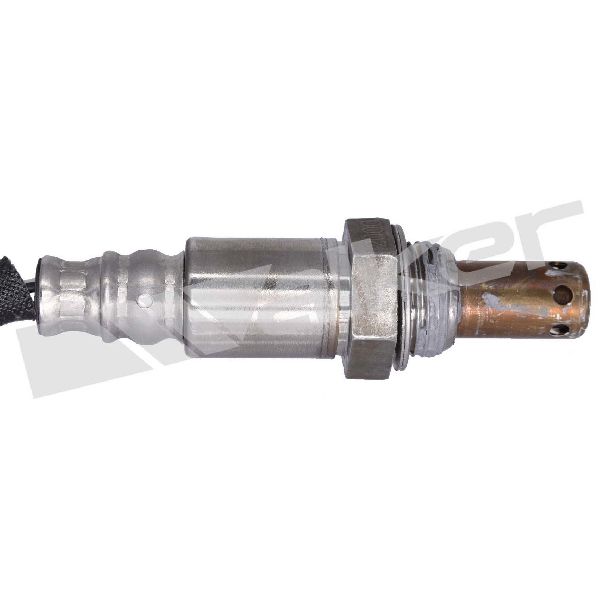
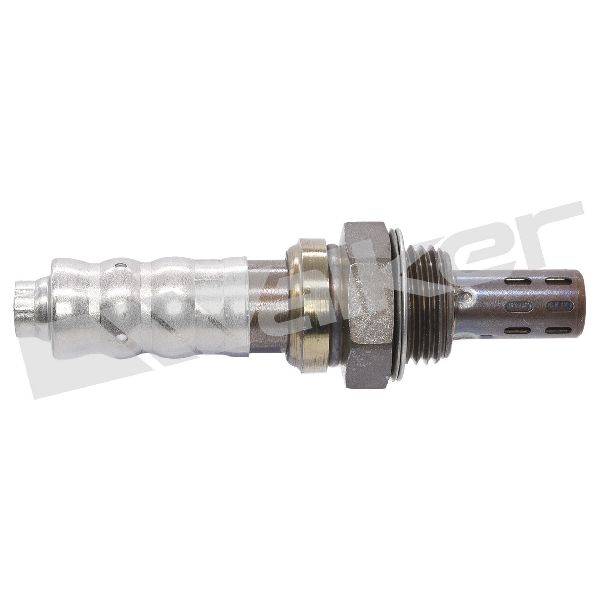
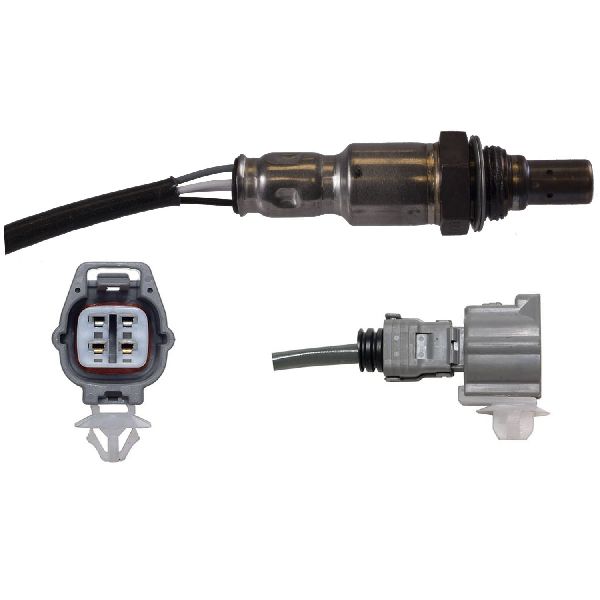
P2099 on a 2014-2019 Highlander usually means the Bank 2 (rear, firewall side) downstream oxygen sensor is faulty or there's an exhaust leak. The Bank 2 downstream O2 sensor is the most likely part to replace. The OEM part is #89465-0E150, and a Denso equivalent is #234-4509. Accessing this sensor on the rear bank is more difficult than the front.
- P2099 on your Highlander means the rear cylinder bank's exhaust is too rich after the catalytic converter.
- The most likely cause is a failed Bank 2 downstream O2 sensor (OEM# 89465-0E150), which is located near the firewall and is harder to access than the front sensor.
- Before replacing the sensor, always check for exhaust leaks between the engine and the sensor, as this is a common and often overlooked cause.
- While driving is possible, ignoring the code can lead to reduced fuel economy and eventual damage to the expensive catalytic converter.
What's Unique About the 2014-2019 Toyota Highlander
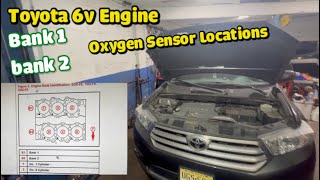
For the 2GR-FE engine in this Highlander, the P2099 code is a straightforward emissions-related fault. There are no widespread, unique design flaws that make this vehicle especially prone to this specific code. The causes are typical for modern V6 engines, generally boiling down to an aging sensor, a physical exhaust leak, or a fuel delivery issue. Unlike some other manufacturers, Toyota does not have common ECM software glitches that are known to trigger this particular code on this platform, though it remains a rare possibility. The primary vehicle-specific challenge is the physical location of Bank 2 components 🎬 Watch: Locate Bank 1 and Bank 2 sensors near the firewall.
Symptoms You May Notice
- Check Engine Light illuminated on the dashboard.
- Decreased fuel economy.
- Hesitation or a lack of power during acceleration.
- Rough engine idle.
- Possible smell of fuel or black smoke from the exhaust.
- Replacing the upstream Air/Fuel Ratio sensor (Sensor 1) instead of the downstream Oxygen Sensor (Sensor 2). P2099 specifically relates to the post-catalyst sensor.
- Replacing the catalytic converter. While a failing converter can be related (often with code P0430), it's not the primary cause of a P2099 code and is an expensive misdiagnosis.
Most Likely Causes
- Faulty Bank 2 Downstream Oxygen (O2) Sensor 🔴 High Probability → Shop Oxygen Sensor Oxygen sensors have a finite lifespan and can fail from age, heat cycles, and contamination from exhaust gases. This is the most common cause for a post-catalyst fuel trim code.
How to confirm: Use an OBD-II scanner to monitor the live data for the Bank 2, Sensor 2 voltage. With the engine warm, a healthy sensor should show a relatively stable voltage. If the voltage is stuck high (above 0.8V), it's likely faulty or correctly reporting a rich condition.
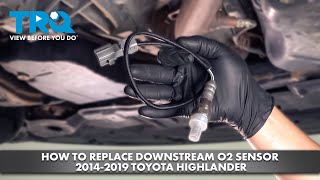
Typical fix: Replace the Bank 2, Sensor 2 oxygen sensor. This sensor is located on the exhaust system after the catalytic converter for the rear (firewall side) cylinder bank. 🎬 Watch: How to replace the downstream O2 sensor Access can be tight.
Est. part cost: $80-$220 - Exhaust System Leak 🟡 Medium Probability Exhaust gaskets can fail and pipes can develop cracks from corrosion and heat cycles, which is common in areas with road salt. A leak before the O2 sensor can introduce outside air, confusing the sensor and causing incorrect fuel trim adjustments.
How to confirm: Visually inspect the exhaust manifolds and pipes for cracks or black soot trails, especially around flanges and gaskets. Listen for hissing or tapping noises that get louder on acceleration. A smoke test is the most definitive way to find a leak. 🎬 Watch: How to find exhaust leaks with a smoke machine
Typical fix: Repair depends on the location. It may involve replacing a gasket, welding a crack, or replacing a section of the exhaust pipe.
Est. part cost: $20-$300 - Leaking Fuel Injector on Bank 2 ⚪ Low Probability → Shop Fuel Injector Injectors can become stuck open or leak due to internal wear or contamination over many miles, causing excess fuel to enter one or more cylinders.
How to confirm: This is more difficult to confirm. A professional may perform a fuel pressure drop test or remove the injectors for flow testing. Misfire codes for Bank 2 cylinders may accompany P2099 if an injector is failing badly. You can also inspect the spark plugs on Bank 2; a plug that is black and sooty indicates a rich condition in that cylinder.
Typical fix: Replace the faulty fuel injector(s). For Bank 2, this is a labor-intensive job as the intake manifold must be removed. It's recommended to replace all three Bank 2 injectors at the same time.
Est. part cost: $70-$150 per injector - Dirty or Faulty Mass Air Flow (MAF) Sensor ⚪ Low Probability The MAF sensor wire can become contaminated with oil or dust, causing it to under-report the amount of air entering the engine, leading the ECU to calculate an incorrect (rich) fuel mixture.
How to confirm: Inspect the sensor element for contamination. Monitor MAF readings on a scan tool; values should increase smoothly with engine RPM. A sudden drop or erratic reading can indicate a problem.
Typical fix: Clean the MAF sensor with a dedicated MAF sensor cleaner spray. If cleaning doesn't work, replace the sensor.
Est. part cost: $10 for cleaner, $100-$180 for a new sensor
Rare But Worth Checking
- High Fuel Pressure: A failing fuel pressure regulator can cause too much fuel to be delivered to all injectors. This is less likely as it would typically affect both engine banks and trigger P2097 (Bank 1) as well, not just Bank 2.
- Damaged O2 Sensor Wiring: → Shop Oxygen Sensor The wiring harness to the O2 sensor can be damaged by road debris or contact with hot exhaust components, causing a short circuit that results in a false rich signal.
- PCM Software Glitch: In rare cases, the Powertrain Control Module (PCM) may have a software calibration issue that incorrectly interprets sensor data, though this is not a common documented problem for this specific code on Highlanders.
Diagnosis Steps
- Read all stored fault codes with an OBD-II scanner. Note any other codes present.
- Check for any Technical Service Bulletins (TSBs) related to your vehicle's VIN and this code.
- Using the scanner's live data function, monitor the voltage of the Bank 2, Sensor 2 O2 sensor with the engine fully warmed up. It should be relatively stable. If it's stuck high (e.g., >0.8V), the sensor is likely faulty or there is a true rich condition.
- Visually inspect the exhaust system from the engine to the tailpipe. Look for signs of leaks like black soot, cracks, or rust holes, especially around welds and flanges. A smoke test is the most effective method.
- Inspect the wiring and connector for the Bank 2, Sensor 2 O2 sensor. Ensure it is not melted, frayed, or corroded.
- If no exhaust leaks or sensor issues are obvious, investigate potential causes of a rich condition. Inspect the spark plugs on Bank 2 (rear bank) for black, sooty deposits, which would indicate a rich condition in a specific cylinder.
- Clean and inspect the Mass Air Flow (MAF) sensor as a low-cost, preventative step.
Parts You'll Likely Need
- Bank 2 Downstream Oxygen Sensor
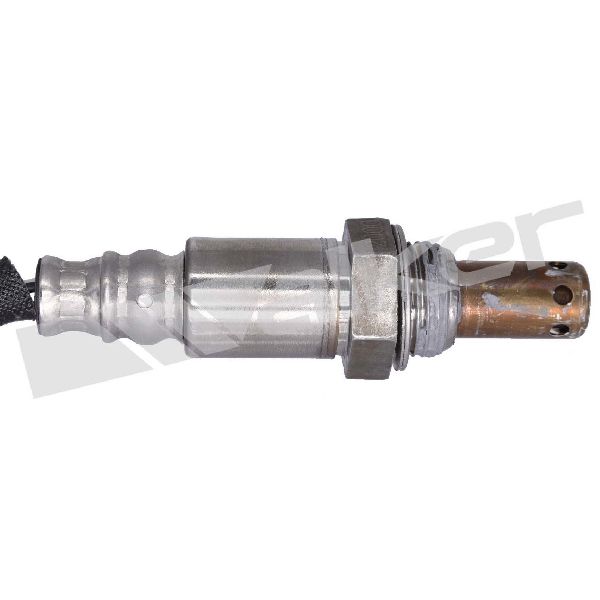
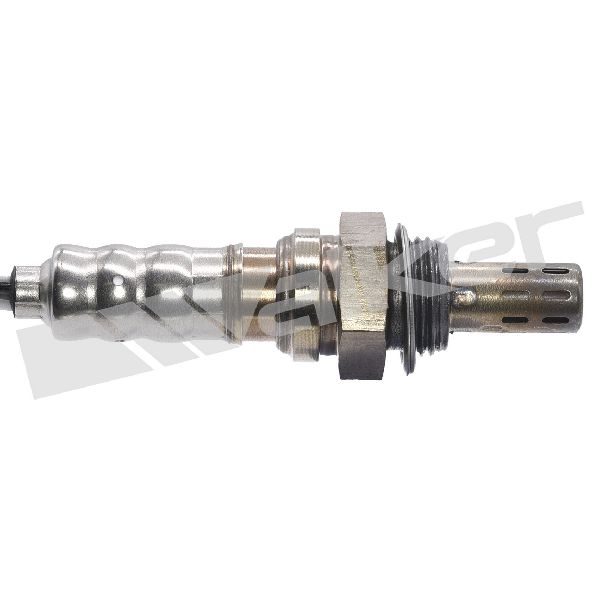
(OEM #89465-0E150)— This is the most common failure point for code P2099. The sensor either fails from age or correctly identifies a problem upstream. Bank 2 is the rear bank, closer to the firewall.
Trusted brands: Denso (OEM Manufacturer), Bosch
OEM price range: $150-$220
Aftermarket price range: $80-$150 - Exhaust Gasket / Doughnut — If an exhaust leak is found at a flange connection, replacing the gasket is often the required fix. These are inexpensive parts that are crucial for sealing the exhaust system.
Trusted brands: Walker Exhaust, Fel-Pro
OEM price range: $30-$60
Aftermarket price range: $15-$40
Related Codes That Often Appear With This One
- P0158 — This code means 'O2 Sensor Circuit High Voltage (Bank 2, Sensor 2)', which directly points to a problem with the same sensor that triggers P2099.
- P0430 — This code means 'Catalyst System Efficiency Below Threshold (Bank 2)'. A failing catalytic converter can cause erratic readings from the downstream O2 sensor, potentially triggering P2099 as well.
- P0175 — This code means 'System Too Rich (Bank 2)', detected by the upstream A/F sensor. If seen with P2099, it strongly suggests a true rich condition (like a leaking injector) is present, not just a sensor fault.
Technical Service Bulletins (TSBs) & Recalls
- T-SB-0194-17: Addresses lack of power, high RPM shift points, and hesitation in some 2017 models by updating the transmission software. While not directly for P2099, it's a key TSB for this generation's powertrain.
- T-SB-0072-18: Pertains to a vibration from the front brakes during light application at highway speeds on 2014-2018 models.
- T-SB-0211-17: Details a fix for an abnormal squeak or groan from the rear suspension on 2014-2017 models.
- LSC 90K: A Limited Service Campaign for older 2GR-FE engines to replace a problematic VVT-i oil line. Relevant for engine family history, though 2014+ models should have the updated all-metal part.
Platform-Specific Known Issues
- The Bank 2 Downstream O2 sensor is located on the rear cylinder bank (closer to the firewall), making it more difficult to access than the Bank 1 sensor. While still a DIY-possible job, it requires reaching into a tighter space.
Mechanic-Grade Diagnostic Values
- Downstream O2 Sensor (Heated O2 Sensor) Voltage — expected: A healthy, warm downstream sensor should show a relatively stable voltage, typically between 0.5V and 0.8V. It should not switch rapidly like the upstream A/F sensor.. Failure: A voltage signal stuck high (consistently > 0.8V) indicates a rich condition or a faulty sensor.
- Upstream Air/Fuel (A/F) Sensor Resistance (for reference) — expected: Between 1.8 to 3.4 Ω at 20°C (68°F) between terminals HA1A and +B.. Failure: Resistance outside this range indicates a faulty A/F sensor, which could be the root cause of the rich condition.
- Downstream O2 Sensor Heater Element Resistance — expected: Typically between 5 and 20 ohms when cold, depending on the specific sensor. A common expected range is 11-16 Ω.. Failure: Infinite resistance (open circuit) or zero resistance (short circuit) indicates a failed heater element, which can affect sensor accuracy and trigger separate heater circuit codes.
Scan Tool Commands That Help
- Toyota Techstream: Active Test: Control the Fuel Injection Volume — This function allows a technician to manually increase or decrease the fuel injection amount for a specific bank. While watching the live data for the Bank 2 downstream O2 sensor, a technician can lean out the mixture and see if the sensor's voltage responds by dropping. If the voltage stays high despite commanding a lean mixture, it points strongly to a faulty sensor or a significant exhaust leak drawing in oxygen.
- Toyota Techstream: Health Check / All DTCs — Performs a comprehensive scan of all vehicle ECUs. This is more thorough than a generic OBD-II scan and can reveal related codes in other systems (like ABS or VSC) that might be triggered by the primary engine fault but not show up on a basic scanner.
Wiring & Ground Locations
- Engine Harness Ground (Front Head) — On the front cylinder head (Bank 2), there is a primary grounding point for the engine wiring harness.. A loose or corroded ground at this location can introduce electrical noise or incorrect voltage offsets into sensor readings, including the O2 and A/F sensors for Bank 2, potentially causing false rich or lean codes.
- Engine Harness Ground (Valve Cover to Chassis) — The 2GR-FE typically has ground straps running from the valve covers to the chassis near the strut towers.. These are major ground paths. Poor contact here can affect the entire engine management system and lead to erratic sensor behavior that is difficult to diagnose.
- Bank 2 Sensor 2 Connector — Located on the exhaust pipe after the rear catalytic converter. The harness runs up and the connector is often clipped to a bracket on the vehicle's underbody or transmission area to keep it away from heat.. This connector and its wiring are exposed to road debris, moisture, and extreme heat. Physical inspection for melted wires, corrosion in the pins, or frayed insulation is critical before replacing the sensor itself.
Real Owner Repair Stories
- Go-Parts Repair Database (High-mileage 5.7L HEMI (different vehicle, but analogous problem)) — Persistent P2099 code.
❌ Tried (didn't work) Exhaust smoke test came back clean (no leaks found)., Downstream O2 sensor was replaced.
✅ What actually fixed it The actual cause was found to be failing intake manifold gaskets. The resulting vacuum leak caused the PCM to add excessive fuel to compensate, which the downstream O2 sensor correctly reported as a rich condition. Replacing the intake manifold gaskets resolved the code.
"I Checked Everything" — The Actual Cause
- In some cases reported for similar P2099 codes on other platforms, a smoke test of the exhaust system reveals no leaks, yet the code persists. The root cause was later found to be a vacuum leak at the intake manifold gaskets. This forces the ECU to enrich the fuel mixture across all cylinders on that bank to compensate for the unmetered air, which the downstream O2 sensor then correctly reports as a rich condition.
OEM Part Supersession History
89465-0E150→89465-0E150 (current)— No supersession found. This part number appears to be stable for the specified vehicle years.
Heads up: Part 89465-0E150 is listed for 2014-2017 Highlander models. Always verify fitment with VIN as later models (2017+) began using the 2GR-FKS engine, which may have different sensors.
Model Year Variations Within This Range
- 2017-2019: Starting in the 2017 model year, Toyota began phasing in the 2GR-FKS engine to replace the 2GR-FE. The 2GR-FKS features a more advanced D-4S fuel injection system (combining direct and port injection) and VVT-iW, allowing it to switch to an Atkinson cycle. While the P2099 code's meaning is the same, the diagnostic approach for a rich condition may need to also consider the high-pressure fuel system components unique to the 2GR-FKS.
Diagnostic Flowchart
Other Known Issues on This Vehicle
Issues unrelated to this code that are worth knowing about as an owner of this generation:
- 8-Speed Transmission Hesitation/Shudder (2017+) 🟠 Medium — Common complaint on 2017 and newer models with the 8-speed automatic. Issues include delayed/harsh shifting and hesitation. (Ref: T-SB-0194-17 addresses lack of power and high RPM shifts with a software update.)
- Water Pump Failure 🟠 Medium — While generally durable, the water pump on the 2GR-FE can fail, typically after 80,000-100,000 miles. Symptoms include a grinding noise, coolant leaks from the front of the engine, or overheating.
- Front Brake Vibration 🟡 Low — Some owners report a vibration from the front brakes during light application at highway speeds. (Ref: T-SB-0072-18 was issued to address this condition.)
- Rear Suspension Squeak/Groan 🟡 Low — An abnormal noise may be heard from the rear suspension when going over uneven roads or coming to a stop. (Ref: T-SB-0211-17 provides a repair procedure for this noise.)
- VVT-i Oil Line Leak (Engine Family History) 🔴 High — Primarily affected pre-2010 2GR-FE engines, but is a famous issue for this engine family. A rubber oil line could rupture, causing rapid oil loss and catastrophic engine failure. Most vehicles, including early 3rd gen Highlanders, should have had this addressed via a service campaign. (Ref: Limited Service Campaign (LSC) 90K was issued to replace the rubber hose with an all-metal line.)
Used vs. New Parts: Buying Guide for This Vehicle
When a used part is the smart pick: For this repair, buying used parts is generally not recommended. The primary failure components are sensors and gaskets which are considered wear items. A used fuel injector could be considered if it's from a known low-mileage donor vehicle and has been professionally cleaned and tested.
Donor-vehicle mileage cap: roughly under 50000 miles for the part to have meaningful remaining life.
What to inspect on the donor part:
- For a fuel injector: Ask for proof of cleaning/flow testing or pull from a vehicle with documented low mileage and no signs of engine sludge or poor maintenance.
- For exhaust components (pipes/mufflers): Check for rust, especially at welds and flanges. Avoid parts from regions with heavy road salt use.
OEM-only on this vehicle (don't cheap out):
- Air/Fuel Ratio Sensor (Upstream)
- Oxygen Sensor (Downstream)
Aftermarket brands forum-validated for this vehicle:
- Denso (This is the original equipment manufacturer for Toyota, making it the most reliable choice).
- NTK (Also a highly regarded OEM supplier for many Japanese vehicles).
Brands owners have reported issues with on this vehicle:
- Bosch (While a quality brand for European vehicles, many Toyota owners report driveability issues or premature failure when using Bosch O2 sensors, as the vehicle's ECU is calibrated for the specific response curve of Denso sensors).
- Unbranded or generic 'eBay special' sensors (These often fail quickly or have incorrect voltage ranges, leading to persistent codes).
Real Owner Stories
Aggregated from forums and TSBs cited above. Mileages and costs reflect what owners reported in those sources.
2017 Toyota Highlander 3.5L V6
Symptoms: Lack of power, high RPM shift points, and hesitation.
What fixed it: Updating the transmission software as per T-SB-0194-17.
Source hint: T-SB-0194-17
2014-2018 Toyota Highlander
Symptoms: Vibration from the front brakes during light application at highway speeds.
What fixed it: Repair procedure detailed in T-SB-0072-18.
Source hint: T-SB-0072-18
2014-2017 Toyota Highlander
Symptoms: Abnormal squeak or groan from the rear suspension when going over uneven roads or coming to a stop.
What fixed it: Repair procedure provided in T-SB-0211-17.
Source hint: T-SB-0211-17
2016 Toyota Highlander 3.5L V6 — ~90000 miles
Symptoms: Grinding noise and coolant leaks from the front of the engine; concerns about whether the vehicle is safe to drive to a shop.
What fixed it: Replacement of the failing water pump.
Source hint: Reddit - 'Highlander pump going bad, can I still drive it until the shop can get it in?'
Related OBD-II Codes
Frequently Asked Questions
Does T-SB-0194-17 apply to my 2017 Highlander if I'm experiencing hesitation and lack of power along with code P2099?
Where is the Bank 2 Downstream O2 sensor located on my 3.5L V6 Highlander?
Can a dirty Mass Air Flow (MAF) sensor cause a P2099 code on the 2GR-FE engine?
I have a 2015 Highlander with a squeak in the rear; is this related to the P2099 code?
Is the VVT-i oil line issue relevant to my 2014-2019 Highlander?
What are the symptoms of a failing water pump on the 2GR-FE engine?
Helpful Videos
We Have This Part in Stock


The information in this article is provided for general reference and educational purposes only. Vehicle specifications, procedures, and part compatibility can vary by production date, trim level, and region. Always consult your vehicle's factory service manual and verify part numbers before purchasing or performing repairs. Safety-critical components such as airbags, seat belts, and braking systems should be installed by a qualified professional.
- Toyota Highlander:
- 🧭 Diagnostic Flowchart
- 🎬 Helpful Videos
- 🛍️ Shop This Part
- What's Unique About the 2014-2019 Toyota Highlander
- Symptoms You May Notice
- Most Likely Causes
- Rare But Worth Checking
- Diagnosis Steps
- Parts You'll Likely Need
- Related Codes That Often Appear With This One
- Technical Service Bulletins (TSBs) & Recalls
- Platform-Specific Known Issues
- Mechanic-Grade Diagnostic Values
- Scan Tool Commands That Help
- Wiring & Ground Locations
- Real Owner Repair Stories
- "I Checked Everything" — The Actual Cause
- OEM Part Supersession History
- Model Year Variations Within This Range
- Other Known Issues on This Vehicle
- Used vs. New Parts: Buying Guide for This Vehicle
- Real Owner Stories
- 2017 Toyota Highlander 3.5L V6
- 2014-2018 Toyota Highlander
- 2014-2017 Toyota Highlander
- 2016 Toyota Highlander 3.5L V6 — ~90000 miles
- Related OBD-II Codes
- Frequently Asked Questions
- 🎟️ Get 5% Off