

P2100 on 2019 Dodge Charger: Electronic Throttle Control Motor Circuit Fixes
On a 2019 Dodge Charger, code P2100 means there's an open circuit for the electronic throttle control motor, which will put the car in 'limp mode' with a flashing 'red lightning bolt' on the dash. The most common fixes are repairing damaged wiring to the throttle body or replacing the entire throttle body assembly. A dealership visit is critical to check for TSB 09-003-20 REV. C, which may require a throttle body replacement based on its manufacturing date.
- P2100 on a 2019 Charger indicates a serious fault with the electronic throttle control that will put the car into a power-limited 'limp mode', often with a flashing red lightning bolt symbol on the dash.
- Crucially, check for TSB #09-003-20 REV. C. A dealership must verify if your vehicle has a defective throttle body from a specific manufacturing batch, which would require replacement.
- If the TSB does not apply, the cause is most likely damaged wiring going to the throttle body or a general internal failure of the throttle body assem
What's Unique About the 2019-2019 Dodge CHARGER
For the 2019 Dodge Charger, this code is specifically addressed by manufacturer's Technical Service Bulletin (TSB) 09-003-20 REV. C. Unlike a simple software update, this TSB involves a physical inspection of the throttle body's manufacturing date (Julian date). If the part falls within a specific batch, it must be replaced, suggesting a known manufacturing defect. This makes checking the TSB and inspecting the part itself a critical first step, superseding generic diagnostic procedures.
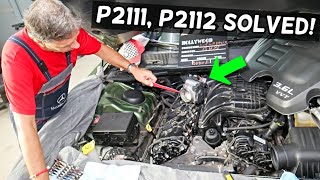
🎬 Watch: Diagnosing P2111 and P2112 codes on your ChargerDiagnostic Flowchart
Tap your situation to follow the diagnostic path that matches what you're seeing on this vehicle.
Symptoms You May Notice
- Check Engine Light is on
- Electronic Throttle Control (ETC) warning light is on or flashing (often looks like a red lightning bolt between two vertical lines).
- Vehicle enters 'limp home mode' with severely limited acceleration and speed.
- Little or no response when pressing the accelerator pedal.
- Engine may stall, especially at idle or low speeds.
- Unstable or rough idle.
- Inability to start in severe cases.
- Replacing the Accelerator Pedal Position (APP) sensor. This code specifically points to an issue in the motor circuit at the throttle body, not the sensor at the pedal that requests throttle input. A faulty APP sensor would typically generate different trouble codes, such as P2138.
Most Likely Causes
- Faulty Electronic Throttle Body Assembly (per TSB) 🔴 High Probability → Shop Fuel Injection Throttle Body Manufacturer TSB #09-003-20 REV. C was issued for the 2019 Charger (LD body) with the 5.7L V8 Hemi (Sales Code EZH), indicating a known issue with a specific batch of throttle bodies. The bulletin requires inspecting the Julian date on the part and replacing it if it matches the defective batch.
How to confirm: A Dodge dealership or a properly equipped independent shop must check the vehicle's VIN against the TSB. The TSB outlines inspecting the throttle body for a green dot near the barcode; if absent, the part may be faulty and require replacement.
Typical fix: Replace the entire throttle body assembly with a new part. A throttle relearn procedure must be performed after replacement.
Est. part cost: $200-$450 - Damaged Wiring or Poor Connection 🟡 Medium Probability Engine vibration and heat can cause the wiring harness leading to the throttle body to chafe against other components, or the connector pins can corrode or loosen. This is a common failure point on many vehicles with electronic throttle control.
How to confirm: Visually inspect the wiring harness leading to the electronic throttle body for any signs of breaks, chafing, melting, or rubbing against brackets or the cylinder head. Unplug the connector and check for corrosion (green tint) or backed-out pins. Use a multimeter to check for 12V power and ground at the connector per the factory service manual.
Typical fix: Repair the damaged section of the wire or replace the faulty connector pigtail.
Est. part cost: $10-$50 - Faulty Electronic Throttle Body Assembly (General Failure) 🟡 Medium Probability → Shop Fuel Injection Throttle Body Even outside of the specific TSB, the internal electric motor or position sensors within the throttle body can fail electronically. This is a common failure point for modern drive-by-wire systems and is not unique to this platform.
How to confirm: If the TSB does not apply and the wiring/connections are confirmed to be good, the failure is internal to the throttle body assembly. The actuator is replaced as a complete unit.
Typical fix: Replace the entire throttle body assembly. A throttle relearn procedure must be performed after replacement.
Est. part cost: $200-$450
Rare But Worth Checking
- Faulty Powertrain Control Module (PCM): → Shop Engine Control Module (ECM) This is a rare cause. The PCM should only be considered after all other possibilities, including the TSB, wiring, and the throttle body itself, have been exhaustively ruled out.
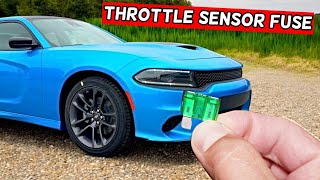
- Blown Fuse or Faulty Relay: The throttle control system is protected by fuses and relays. While not a common failure, it's a simple check. On a 2019 Charger, relevant fuses (e.g., F31, F34, F35, F37) and the ASD relay are located in the front fuse box under the hood.
Diagnosis Steps
- Check for Technical Service Bulletins (TSBs). For a 2019 Charger, TSB #09-003-20 REV. C is directly related to this code. A dealer can check if your VIN is affected. The TSB involves inspecting the throttle body's manufacturing date and replacing it if it's from a known bad batch.
- Scan the PCM for any other stored trouble codes that could provide more context.
- Perform a thorough visual inspection of the wiring harness and connector going to the electronic throttle body. Look for any chafed, broken, corroded wires, or loose connections. Pay attention to where the harness may rub against engine components.
- If the TSB doesn't apply and wiring looks good, check for power at the throttle body connector. Using a multimeter and a wiring diagram, verify that the throttle actuator motor circuit has proper power (typically 12V) and ground.
- If wiring and power are intact, the next step is to replace the throttle body assembly, as the motor is internal to it.
- After replacing the throttle body, perform a throttle relearn procedure. This can often be done manually: turn the ignition to 'ON' (engine off), slowly press the accelerator to the floor, slowly release it, turn the ignition 'OFF', then start the engine.
Parts You'll Likely Need
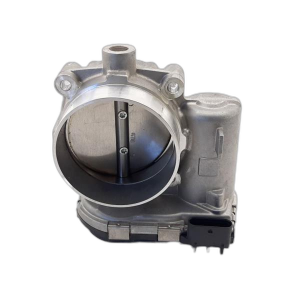
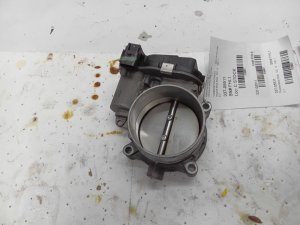
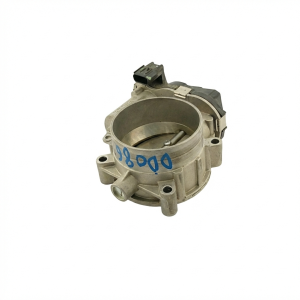
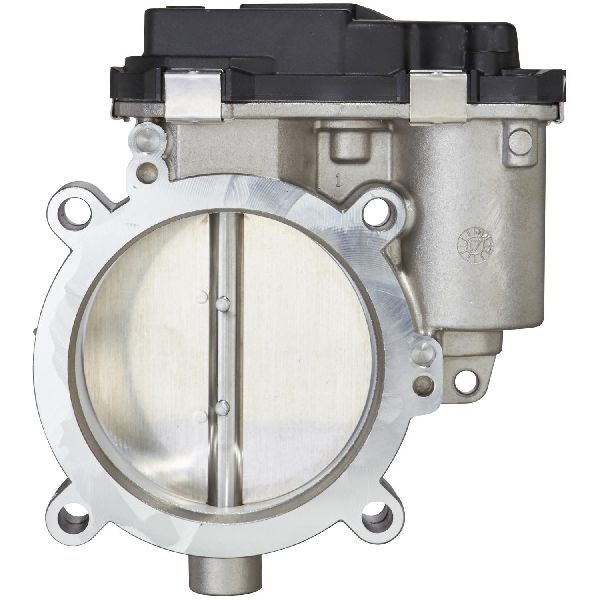
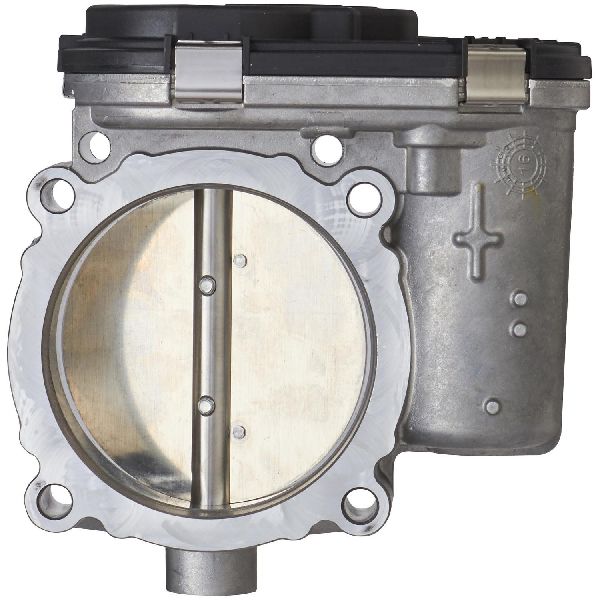
- Electronic Throttle Body Assembly
(OEM #5184349AF (for 3.6L V6), 53034251AD (for 5.7L/6.4L V8), 68184386AE (for 6.2L V8 Supercharged))— This assembly contains the electronic motor that fails, triggering the P2100 code. Per TSB 09-003-20 REV. C, certain 2019 models have defective units from the factory.
Trusted brands: Mopar (OEM)
OEM price range: $210-$440
Aftermarket price range: $150-$250
Technical Service Bulletins (TSBs) & Recalls
- 09-003-20 REV. C: Addresses Malfunction Indicator Lamp (MIL) illumination for P2100 - Electronic Throttle Control Motor Circuit/Open. Involves inspecting the Julian date on the throttle body and possibly replacing the assembly.
Platform-Specific Known Issues
- TSB 09-003-20 REV. C: A Technical Service Bulletin was issued by the manufacturer for the 2019 Dodge Charger (and other models) experiencing a MIL illumination with DTC P2100. The fix is not a software update, but an inspection of the throttle body's Julian manufacturing date and replacement of the assembly if it falls within a known faulty production run. This TSB specifically applies to models like the Charger (LD) with the 5.7L HEMI V8 (EZH).
Mechanic-Grade Diagnostic Values
- Throttle Actuator Control (TAC) Motor Power Supply — expected: 12V (Battery Voltage). Failure: Significantly less than 12V or no voltage indicates a power supply issue from a fuse, relay, or wiring.
- Continuity of ETC Motor Circuit Wiring — expected: Below 5.0 ohms. Failure: Resistance above 5.0 ohms, or an Open Line (OL) reading on a multimeter, indicates a break in the wire between the PCM and the throttle body.
- Throttle Actuator Motor Internal Resistance — expected: Approximately 2 to 15 Ohms. Failure: A reading over the limit (Open) or less than 1 Ohm (Short) indicates the internal motor is defective and the throttle body assembly needs replacement.
- Throttle Position Sensor (TPS) 5V Reference Supply — expected: Approximately 5V. Failure: No voltage or incorrect voltage points to a PCM or wiring fault.
Scan Tool Commands That Help
- wiTECH 2.0 (or capable aftermarket scanner): Throttle Valve Activation Test — This bidirectional test commands the throttle plate to open and close, allowing a technician to verify if the actuator motor is physically responding to PCM commands. If the plate doesn't move but wiring has power, the throttle body is faulty.
- wiTECH 2.0 (or capable aftermarket scanner): Throttle Control Relay Test — This function cycles the throttle control relay (often the ASD relay) on and off to confirm it is working. This can quickly rule out a faulty relay before performing more complex wiring diagnostics.
- wiTECH 2.0 (or capable aftermarket scanner): ETC Learn / Throttle Follower Test — This is a mandatory procedure after replacing the throttle body. It allows the PCM to learn the new sensor's closed, open, and part-throttle positions. Failure to perform this can result in incorrect idle, poor throttle response, or new ETC-related codes.
Wiring & Ground Locations
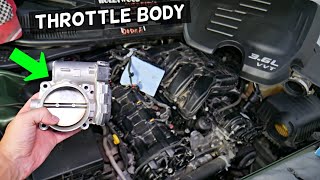
- Throttle Body Connector — Directly on the electronic throttle body, mounted to the front of the intake manifold.. This 6-pin connector is the primary failure point for wiring issues. The pins for the motor control circuit can corrode, get damaged, or back out, causing an open circuit and triggering P2100.
- Front Power Distribution Center (PDC) — Under the hood, on the passenger side of the engine compartment.. This fuse box contains critical fuses (F31, F34, F35, F37) and the Auto Shutdown (ASD) relay which supplies power to the ETC system. A blown fuse or failed relay here will cut power and cause P2100.
- PCM Connector C2 — On the Powertrain Control Module (PCM), which is typically located in the engine bay.. For deep electrical diagnosis, specific pins on this connector must be tested for continuity back to the throttle body. Key pins include those for the motor control, sensor signals (TP1/TP2), and 5V reference.
- Main Engine/Chassis Ground — Commonly a braided strap from the engine block (often near the passenger side cylinder head) to the firewall or chassis.. While not a direct cause of an 'open circuit' code, a poor or loose main ground can cause floating voltages and erratic behavior in electronic modules, including the PCM's control over the throttle body. Ensuring this is clean and tight is a foundational step.
Real Owner Repair Stories
- ChallengerTalk Forums (2016 Dodge Challenger 5.7L (similar platform and engine)) — Car went into limp mode with the red lightning bolt and check engine light on. Codes P2100 and others related to throttle control were present.
❌ Tried (didn't work) Initially replaced the accelerator pedal assembly, which did not fix the issue.
✅ What actually fixed it The problem was ultimately resolved by replacing the entire electronic throttle body assembly. After replacement and clearing the codes, the issue did not return.
Helpful Videos
Used OEM Parts in Stock
New Aftermarket Parts Available



The information in this article is provided for general reference and educational purposes only. Vehicle specifications, procedures, and part compatibility can vary by production date, trim level, and region. Always consult your vehicle's factory service manual and verify part numbers before purchasing or performing repairs. Safety-critical components such as airbags, seat belts, and braking systems should be installed by a qualified professional.
- Dodge CHARGER:
- 🧭 Diagnostic Flowchart
- 🎬 Helpful Videos
- 🛍️ Shop This Part
- What's Unique About the 2019-2019 Dodge CHARGER
- Symptoms You May Notice
- Most Likely Causes
- Rare But Worth Checking
- Diagnosis Steps
- Parts You'll Likely Need
- Technical Service Bulletins (TSBs) & Recalls
- Platform-Specific Known Issues
- Mechanic-Grade Diagnostic Values
- Scan Tool Commands That Help
- Wiring & Ground Locations
- Real Owner Repair Stories
- 🎟️ Get 5% Off