

P2101 on 2007-2013 Chevrolet Avalanche: Throttle Actuator Fixes and Causes
On a 2007-2013 Avalanche, P2101 almost always means the electronic throttle body is failing or dirty. This triggers 'Reduced Engine Power' mode. The most common fix is cleaning the throttle body, but replacement is often the permanent solution. A new throttle body costs about $150-$400.
- P2101 on a 2007-2013 Avalanche will trigger the 'Reduced Engine Power' mode, making the truck very slow and difficult to drive.
- The most likely cause is a dirty or failing electronic throttle body, a known issue for these trucks at higher mileage.
- Before spending money on a new part, try thoroughly cleaning the throttle body and performing an idle relearn procedure.
- Do not waste money replacing the accelerator pedal sensor or MAF sensor for this code; the fault lies with the throttle body or its wiring.
- If cleaning doesn't work, replacing the entire throttle body assembly is the most reliable and permanent fix.
What's Unique About the 2007-2013 Chevrolet AVALANCHE
The 2007-2013 Chevrolet Avalanche (GMT900 platform) is known for throttle body issues, especially at higher mileage. The manufacturer issued a Technical Service Bulletin (TSB #PIP4578B) acknowledging that P2101, along with other throttle-related codes, can occur on high-mileage vehicles. The TSB explains that as carbon builds up, the ECM learns to open the throttle more to maintain idle; if the throttle is cleaned or power is lost, this learned value is erased, causing issues until a relearn is performed. The problem is so common that for most owners, P2101 is practically synonymous with a failing throttle body.
Diagnostic Flowchart
Tap your situation to follow the diagnostic path that matches what you're seeing on this vehicle.
Symptoms You May Notice
- Check Engine Light is on
- "Reduced Engine Power" message on the dashboard
- "Service StabiliTrak" and/or "Service Traction Control" messages may also appear.
- Severely limited acceleration and speed (limp mode)
- Unstable or rough idle, or a surging idle.
- Engine may stall at stops
- Unresponsive or delayed throttle response
- A buzzing or clicking noise from the throttle body area after engine shut down.
- Replacing the Accelerator Pedal Position (APP) Sensor. P2101 specifically points to a problem at the throttle body motor, not the pedal. A bad APP sensor typically sets different codes, like P2138.
- Replacing the Mass Airflow (MAF) Sensor. A dirty MAF sensor can cause performance issues but does not directly cause the P2101 code.
Most Likely Causes
- Dirty or Failing Electronic Throttle Body Assembly 🔴 High Probability → Shop Fuel Injection Throttle Body Carbon and oil residue from the PCV system build up in the throttle bore over time, restricting the movement of the throttle plate. The internal motor and position sensors also wear out, a common issue on high-mileage GM trucks of this era, as noted in TSB #PIP4578B.
How to confirm: Visually inspect the throttle body for heavy carbon deposits. If cleaning doesn't resolve the issue, and the wiring is confirmed to be good, the throttle body assembly itself is faulty. A scan tool can command the throttle plate to open and close to test its response, confirming a slow or stuck actuator.
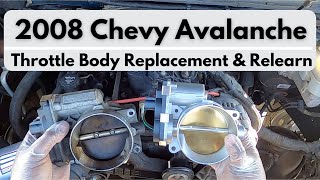
Typical fix: First, attempt to clean the throttle body thoroughly with a dedicated cleaner and a soft cloth or brush. If the problem persists, the entire throttle body assembly must be replaced. 🎬 See this walkthrough for replacing the assembly and performing a relearn. An idle relearn procedure is required after cleaning or replacement.
Est. part cost: $150-$400 - Damaged Wiring or Poor Connection at Throttle Body 🟡 Medium Probability → Shop Fuel Injection Throttle Body The wiring harness in the engine bay is exposed to heat and vibration. This can cause wires to break inside the insulation, typically within 1-4 inches of the throttle body connector. Another known issue is poor terminal tension or corrosion in the connector pins themselves. Poor engine-to-chassis ground straps can also cause electrical noise that leads to this code.
How to confirm: Visually inspect the throttle body connector and nearby wiring for any signs of damage, corrosion, or loose pins. Wiggle the harness near the connector with the engine running to see if it triggers the fault. Check critical engine grounds (e.g., G103, G104 on cylinder heads) for tightness and corrosion.
Typical fix: Repair the damaged section of wiring. Clean the connector pins. In some cases, adding redundant ground wires from the engine block to the firewall has resolved persistent issues for owners. If the connector itself is damaged, it will need to be replaced with a new pigtail.
Est. part cost: $10-$50
Rare But Worth Checking
- Faulty Powertrain Control Module (PCM): → Shop Engine Control Module (ECM) This is very rare. The PCM should only be considered after all other possibilities, including the throttle body and its wiring, have been exhaustively ruled out. Another TSB (#PIP3879A) noted that on rare occasions, an ECM replacement was the only fix.
Diagnosis Steps
- Read the trouble codes with an OBD-II scanner to confirm P2101 and check for any other related codes like P1516, P2176, or P0121.
- Inspect the wiring harness and connector at the electronic throttle body. Look for any loose connections, corrosion, or damaged wires. Pay close attention to the first few inches of wiring from the connector.
- Inspect key engine ground straps for tightness and corrosion, particularly those on the cylinder heads and firewall.
- Remove the air intake duct to access the throttle body. Inspect the throttle bore and plate for heavy carbon buildup.
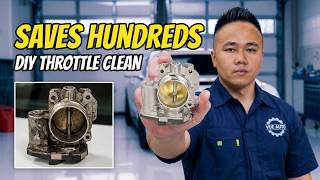
- If significant buildup is present, clean the throttle body thoroughly using a dedicated throttle body cleaner and a soft brush/rag. 🎬 Watch this DIY guide on how to clean your throttle body. Do not force the throttle plate open manually with your fingers; use the accelerator pedal with the key on, engine off if needed.
- Reassemble the intake, clear the codes, and perform an idle relearn procedure. This can be done manually: start the engine and let it idle in Park for 3 minutes, turn the engine off for 60 seconds, then restart and let it idle for another 3 minutes.
- If the code returns after cleaning, the throttle body assembly is likely faulty and needs to be replaced.
- If a new throttle body does not fix the issue, perform a continuity and resistance test on the wiring between the throttle body and the ECM.
- As a final step, if all other components and wiring test good, consider a faulty ECM, though this is highly unlikely.
Parts You'll Likely Need
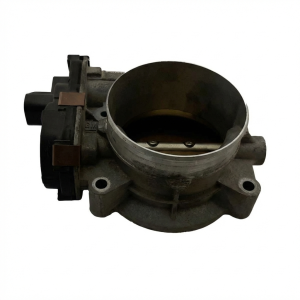
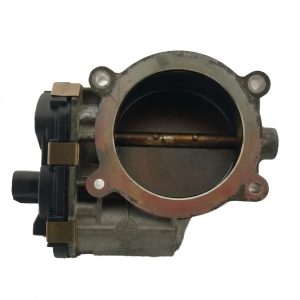
- Electronic Throttle Body Assembly
(OEM #12679524 (supersedes 12580760, 12572658))— This is the most common failure point for code P2101 on this vehicle. The internal motor or position sensors wear out over time, or carbon buildup causes the motor to struggle, triggering the performance error.
Trusted brands: ACDelco (GM Genuine), Bosch, Standard Motor Products
OEM price range: $250-$400
Aftermarket price range: $150-$250
Related Codes That Often Appear With This One
- P1516 — This code is a GM-specific code for 'Throttle Actuator Control (TAC) Module Throttle Actuator Position Performance'. It is very commonly set alongside P2101 as they both relate to the ECM detecting an issue with throttle body performance.
- P2176 — 'Throttle Actuator Control System - Idle Position Not Learned'. This code often appears after cleaning or replacing the throttle body if the idle relearn procedure is not performed correctly.
- P0068 — 'MAP/MAF - Throttle Position Correlation'. The ECM sees a conflict between the amount of air the MAF sensor says is entering the engine and what the throttle position sensor is reporting, which is a direct consequence of the P2101 fault.
- P0121 — 'Throttle/Pedal Position Sensor 'A' Circuit Range/Performance'. This code indicates a problem with the sensor data from the throttle body, which is often the root cause of the P2101 performance issue.
Technical Service Bulletins (TSBs) & Recalls
- PIP4578B: Mentions DTCs including P2101 related to idle surge and reduced engine power on high mileage vehicles due to carbon buildup, requiring cleaning and an idle relearn.
- PIP3089B: Cites P2101 and other TAC codes as potentially being caused by a loose wiring crimp or broken wire near the throttle body connector.
Platform-Specific Known Issues
- TSB #PIP4578B: High Mileage Carbon Buildup: A Technical Service Bulletin was issued by GM for multiple model years, including the 2007-2013 Avalanche, referencing DTC P2101 in conjunction with reduced engine power on high mileage vehicles. It explains that carbon buildup causes the computer to adapt, and cleaning the throttle body without an idle relearn can cause new problems.
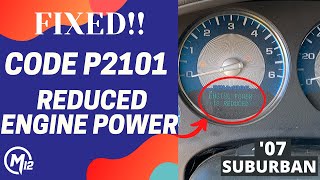
- TSB #PIP3089B: Loose Wiring Crimps: This earlier TSB also covers P2101 and points to a loose wiring crimp at the throttle body connector as a potential cause. It advises technicians to wiggle-test the individual wires to check for intermittent connections. 🎬 Watch how to diagnose reduced power mode and throttle control codes.
- Owner Experience: Grounding Issues: Multiple owners on forums have reported that even after replacing the throttle body, the issue persisted until they cleaned and reinforced the main engine and chassis ground connections. Some have added redundant ground straps from the engine block to the firewall to create a more stable ground path for the sensitive electronics.
Mechanic-Grade Diagnostic Values
- Throttle Actuator Control (TAC) Motor Resistance — expected: 2 to 15 Ohms. Failure: A reading less than 1 Ohm (short circuit) or an over-limit/infinite reading (open circuit).
- Throttle Position Sensor (TPS) 1 & 2 Shared Circuit Resistance — expected: Approximately 1.5 kOhms. Failure: A reading significantly different from 1.5 kOhms, or showing an open/short circuit.
- Throttle Position Sensor (TPS) Voltage at Idle (Key On, Engine Off) — expected: Approximately 0.5 to 0.7 Volts. Failure: Voltage significantly higher, such as 0.96V or more, can indicate an issue.
- Throttle Position Sensor (TPS) Voltage at Wide Open Throttle (Key On, Engine Off) — expected: Approximately 4.5 to 5.0 Volts. Failure: Voltage does not increase smoothly or fails to reach the expected range when the throttle is opened.
- Voltage Drop at Throttle Body Connector — expected: Less than 0.5 Volts. Failure: A voltage drop greater than 0.5V compared to the PCM supply voltage suggests high resistance in the wiring or a bad connector.
Scan Tool Commands That Help
- GM Tech2 / GDS2: Control Functions > Throttle Position Control — This bidirectional control allows a technician to command the throttle plate to specific percentages (e.g., 25%, 50%, 75%) while observing the 'Commanded' vs 'Actual' throttle position data. A lag or failure to reach the commanded position confirms a faulty throttle body actuator or a binding plate.
- GM Tech2 / GDS2: Special Functions > Idle Learn Reset — This function must be used after cleaning or replacing the throttle body. It erases the old learned idle airflow values stored in the ECM, preventing a high or unstable idle and potential for setting code P2176.
Wiring & Ground Locations
- G103 — On the front of the passenger side (right) cylinder head.. This is a primary engine ground. A loose or corroded G103 can cause erratic sensor readings and insufficient voltage for the throttle actuator motor, directly leading to P2101 and other electronic faults.
- G104 — On the rear of the driver side (left) cylinder head, near the firewall. A ground strap often connects from here to the firewall.. Similar to G103, this is a critical engine-to-chassis ground. Poor connection here can cause a host of electronic issues, including the symptoms associated with P2101. Verifying this ground is tight and clean is a key diagnostic step.
- Throttle Body Connector (X105) — 6-pin connector directly on the electronic throttle body assembly.. This is the single connection point for the throttle actuator motor and the dual throttle position sensors. Pins can lose tension, corrode, or wires can break within a few inches of the connector due to engine vibration and heat, causing an intermittent or total loss of control.
Real Owner Repair Stories
- Magnificent DIY Auto Repair on YouTube (2007 Chevrolet Suburban (GMT900 platform-mate to Avalanche)) — Check Engine Light, 'Service StabiliTrak', 'Service Traction Control', and 'Reduced Engine Power' messages. Throttle pedal was completely unresponsive.
❌ Tried (didn't work) Initially, the user suspected a faulty throttle body or incorrect installation position after cleaning.
✅ What actually fixed it The user had accidentally left a cleaning rag inside the intake tube, which was sucked against the throttle body, preventing the plate from opening. Removing the rag and performing an idle relearn with a scan tool resolved all symptoms and codes.
OEM Part Supersession History
12572658→12580760, then 12679524— Standard part evolution for improved reliability and manufacturing changes.
Heads up: While all parts are physically interchangeable, some sources state that the newest GM Genuine part (12679524) may require a software update or programming by a dealer to function correctly, whereas many aftermarket versions are plug-and-play.
Helpful Videos

Used OEM Parts in Stock
New Aftermarket Parts Available





The information in this article is provided for general reference and educational purposes only. Vehicle specifications, procedures, and part compatibility can vary by production date, trim level, and region. Always consult your vehicle's factory service manual and verify part numbers before purchasing or performing repairs. Safety-critical components such as airbags, seat belts, and braking systems should be installed by a qualified professional.
- Chevrolet AVALANCHE:
- 🧭 Diagnostic Flowchart
- 🎬 Helpful Videos
- 🛍️ Shop This Part
- What's Unique About the 2007-2013 Chevrolet AVALANCHE
- Symptoms You May Notice
- Most Likely Causes
- Rare But Worth Checking
- Diagnosis Steps
- Parts You'll Likely Need
- Related Codes That Often Appear With This One
- Technical Service Bulletins (TSBs) & Recalls
- Platform-Specific Known Issues
- Mechanic-Grade Diagnostic Values
- Scan Tool Commands That Help
- Wiring & Ground Locations
- Real Owner Repair Stories
- OEM Part Supersession History
- 🎟️ Get 5% Off