

P2101 on 2017 Chevrolet Silverado: Throttle Actuator Performance Guide
On a 2017 Silverado, P2101 often means the truck has entered 'Reduced Engine Power' mode due to a throttle body issue. The most common fixes are an ECM software update as per TSB #18-NA-037, or cleaning/replacing the throttle body assembly. A dealer software update can cost around $250, while a new throttle body is about $150-$400 for the part. In many cases, the software update is the required first step before replacing parts.
- For a 2017 Silverado, P2101 is a serious code that will put the truck in 'Reduced Engine Power' mode.
- Before replacing any parts, check with a GM dealer if your truck needs an ECM software update per TSB #18NA037, as this can be the required fix.
- A dirty or sticking throttle body is a very common cause; cleaning it is an inexpensive and effective first step.
- If software updates and cleaning do not solve the issue, the throttle body assembly itself has likely failed and needs to be replaced.
- Always perform an idle relearn procedure after cleaning or replacing the throttle body to ensure proper engine operation.
What's Unique About the 2017-2017 Chevrolet SILVERADO

For the 2017 Silverado, this code is uniquely tied to several manufacturer-issued Technical Service Bulletins (TSBs). One TSB, #18-NA-037, points to a required ECM software update to correct a software anomaly that falsely sets P2101. Another bulletin, #PIP5501B, notes that a feature called 'Driver Door Open Prime' (DDOP)—introduced in 2017 to improve cold starting—could cause the code to set falsely, especially if the battery has a low charge. This happens when opening the driver's door triggers a fuel system prime and simultaneously runs a throttle diagnostic, causing a fault. These software-related issues mean that unlike many other vehicles, the first step isn't always to replace the throttle body.
Diagnostic Flowchart

Tap your situation to follow the diagnostic path that matches what you're seeing on this vehicle.
Symptoms You May Notice
- "Reduced Engine Power" message on the dashboard.
- Check Engine Light is on.
- Severely limited acceleration and throttle response.
- Unstable or rough idle.
- Vehicle may stall at stops.
- In some cases, a no-start or no-crank condition accompanied by a single click.
- Replacing the Accelerator Pedal Position (APP) sensor. While part of the same system, P2101 specifically points to a performance issue at the throttle body motor, not the pedal sensor.
- Replacing the throttle body before performing the mandatory ECM software update. Many owners report the code returning until the TSB is completed.
Most Likely Causes

- ECM Software Calibration Issue 🔴 High Probability Manufacturer TSB #18-NA-037 explicitly states that an ECM reprogram is available to correct a software anomaly that falsely sets DTC P2101. Another TSB, #PIP5501B, mentions the code can be set falsely by the 'Driver Door Open Prime' (DDOP) feature, particularly with a low battery.
How to confirm: A GM dealership or a qualified shop with access to GM's service information system can check if the vehicle's VIN is eligible for this software update and if it has been performed. Freeze frame data showing the code set with the engine off (0 RPM) and ignition relay off points strongly to the DDOP issue.
Typical fix: Reprogramming the Engine Control Module (ECM) with the updated software as per TSB #18-NA-037. A Reddit user confirmed a Chevy dealer quoted $250 for this software update as the required first step.
Est. part cost: $0 - Dirty or Sticking Throttle Body 🔴 High Probability → Shop Fuel Injection Throttle Body Carbon and gunk from the PCV system can build up in the throttle bore, causing the throttle plate (butterfly valve) to stick or move slowly. This prevents it from responding to the ECM's commands in time, triggering the performance code.
How to confirm: Remove the air intake hose and visually inspect the throttle plate and bore for black carbon deposits. Manually push the plate with your finger (with the engine off); it should move smoothly and spring back to its default position without sticking.
Typical fix: Thoroughly clean the throttle body plate and bore with a dedicated throttle body cleaner and a soft cloth or brush. 🎬 Watch: A simple guide to cleaning your Silverado throttle body. An idle relearn procedure may be required after cleaning.
Est. part cost: $10-$20 (cleaner) - Failed Throttle Body Assembly 🟡 Medium Probability → Shop Fuel Injection Throttle Body The internal electric motor or the integrated throttle position sensors can fail over time. TSB #PIP4578B mentions this code can occur on high-mileage vehicles, pointing towards component wear.
How to confirm: After confirming the software is updated and the unit is clean, a diagnostic scan tool can be used to command the throttle open and closed while monitoring commanded vs. actual throttle position percentages. A significant lag or mismatch indicates a faulty unit. A technician in a YouTube video diagnosed a faulty motor on a 2017 Silverado using a scan tool's throttle sweep test. 🎬 See how a pro diagnoses the throttle motor with a scan tool.
Typical fix: Replace the entire throttle body assembly. An idle relearn procedure is required after replacement.
Est. part cost: $150-$400 - Wiring or Connector Issue ⚪ Low Probability Engine vibration and heat can cause wires in the harness leading to the throttle body to fray, or the connector pins can become corroded or loose. GM has issued bulletins for harness chafing on the K2XX platform in various locations, such as near the cylinder head, ECM/TCM bracket, or on the upper control arm, which can cause a wide variety of electrical issues.
How to confirm: Visually inspect the wiring harness for any signs of damage, chafing, or melting, particularly where it might rub against engine components. Unplug the 6-pin connector and check for corrosion, moisture, or bent/loose pins.
Typical fix: Repair the damaged section of the wiring harness or clean/replace the connector.
Est. part cost: $5-$50
Diagnosis Steps
- Check for Technical Service Bulletins (TSBs). This is the most critical first step. Contact a GM dealer with your VIN to see if TSB #18-NA-037 (ECM reprogram) applies. If so, this should be performed before any parts are replaced.
- Scan for other DTCs. Codes like P0121, P1516, or P2119 can help confirm the issue is isolated to the throttle body system.
- Analyze Freeze Frame Data. Check if the code was set with the engine off (0 RPM). If so, it strongly suggests the DDOP software glitch described in TSB #PIP5501B is the cause, and part replacement is not needed.
- Inspect and clean the throttle body. Remove the intake duct and check for heavy carbon buildup. Clean it thoroughly with throttle body cleaner and a rag. Be careful not to move the throttle plate aggressively by hand.
- Test throttle plate movement. With the key off, gently push the throttle plate open with your finger. It should move smoothly and spring back firmly. Any sticking or binding indicates a problem.
- Inspect the electrical connector and wiring. Check the throttle body connector for corrosion or loose pins and inspect the harness for any visible damage or chafing, paying attention to known problem areas on the K2XX platform.
- If the problem persists after the software update and cleaning, the throttle body assembly is the most likely failed component and should be replaced.
- Perform an idle relearn procedure. After cleaning or replacing the throttle body, an idle relearn is necessary. This can sometimes be done without a scan tool by starting the engine and letting it idle for 3 minutes, turning it off for 1 minute, and then idling again for 3 minutes. However, some cases may require a scan tool to complete the relearn successfully.
Parts You'll Likely Need

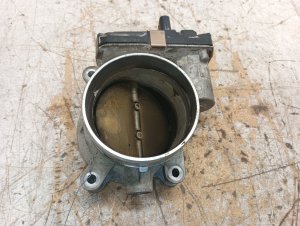
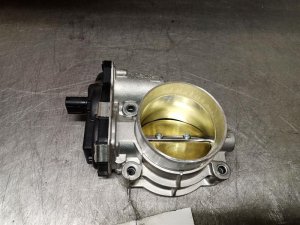
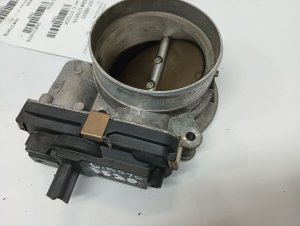
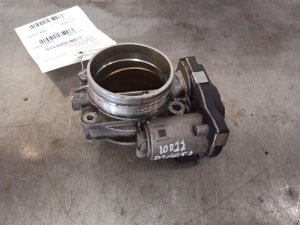
- Throttle Body Assembly
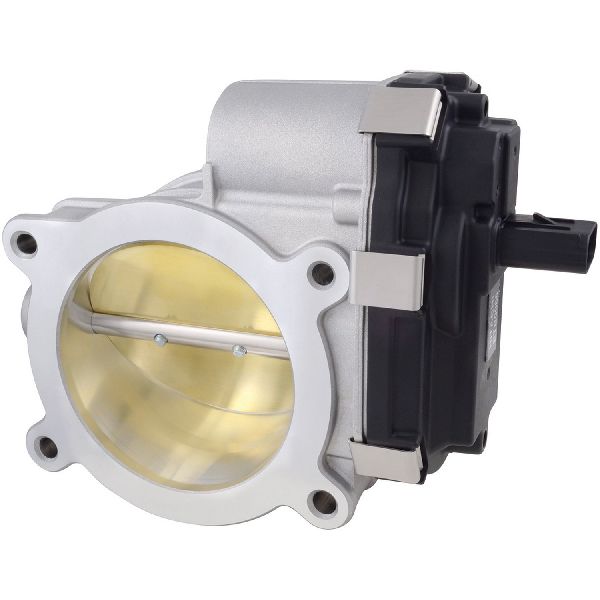
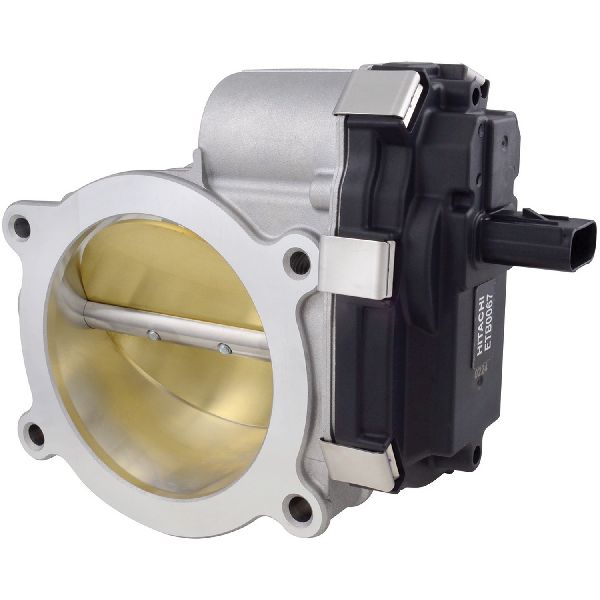
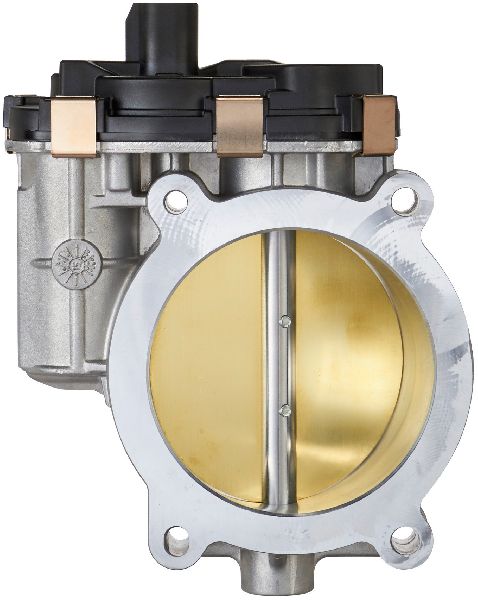
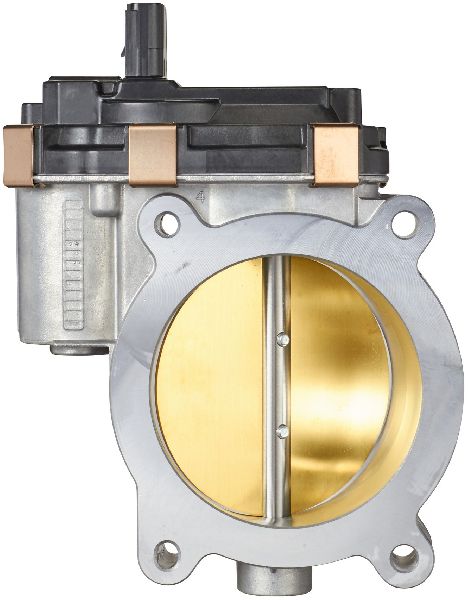
(OEM #12679524)— This assembly contains the throttle plate, the actuator motor, and the position sensors. Failure of the internal motor is a common cause for P2101 after software and cleanliness have been ruled out. This part requires programming/setup procedures after installation. 🎬 Watch: Step-by-step walkthrough for replacing the throttle body assembly.
Trusted brands: ACDelco, GM Genuine
OEM price range: $250-$400
Aftermarket price range: $150-$250
Related Codes That Often Appear With This One
- P0068 — MAP/MAF - Throttle Position Correlation. Both relate to airflow and throttle angle.
- P0121 — Throttle/Pedal Position Sensor 'A' Circuit Range/Performance. Directly related to the sensor feedback from the throttle body.
- P1516 — A GM-specific code for Throttle Actuator Control (TAC) Module Throttle Actuator Position Performance. Very similar in nature to P2101 and often appears alongside it.
- P2119 — Throttle Actuator Control Throttle Body Range/Performance. Also points to the throttle body's mechanical/electrical function.
Technical Service Bulletins (TSBs) & Recalls
- 18-NA-037: Provides ECM reprogramming information to Correct DTC P2101 caused by a software anomaly related to the DDOP feature.
- PIP4578B: Superseded a previous bulletin to add information concerning idle surge, reduced engine power mode, and DTC P2101 on high mileage vehicles.
- PIP5501B: Communicates that vehicles may be setting DTC P2101 falsely due to the 'Driver Door Open Prime' (DDOP) feature, especially with a low state of battery charge.
- PIE0415: An engineering request for information from the field on vehicles setting DTC P2101.
Platform-Specific Known Issues
- TSB #18-NA-037 indicates that a simple ECM reprogramming can correct this code, suggesting a software logic fault rather than a hardware failure in some cases.
- TSB #PIP5501B warns that the 'Driver Door Open Prime' (DDOP) feature, new for 2017, can cause a false P2101 code to be set, especially with a low battery. The fix is to check freeze frame data, clear the code, and not replace parts.
- TSB #PIP4578B notes that P2101 can occur on high-mileage vehicles, often accompanied by an idle surge and other throttle-related codes.
- PIE0415: An engineering request for information from the field on vehicles setting DTC P2101.
Mechanic-Grade Diagnostic Values
- Throttle Position Sensor (TPS) Voltage — expected: 0.5V - 4.5V. Failure: Voltage fluctuating wildly or outside of the specified range during a throttle sweep test.
- Throttle Actuator Motor Current Draw — expected: 0 - 10 Amps. Failure: Current draw spikes or is abnormally high, indicating a struggling motor.
- Voltage Drop Test at Motor Connector — expected: Less than 0.5V. Failure: A voltage drop greater than 0.5V compared to the PCM supply voltage suggests high resistance in the wiring or connector.
- Harness Wire Continuity — expected: ≤0.2 Ω. Failure: Resistance higher than 0.2 ohms indicates a fault in the harness wire being tested.
- Throttle Body Mounting Bolt Torque — expected: 89 in-lbs. Failure: Improper torque can lead to vacuum leaks or damage to the throttle body.
- Battery Voltage at Rest — expected: 12.6V. Failure: Low system voltage can exacerbate motor-circuit errors and trigger false P2101 codes, especially related to the DDOP feature.
Hidden / Shadow Codes Worth Checking
- Freeze Frame Data Analysis: Not a code itself, but a hidden diagnostic clue. If P2101 is set with Engine Speed at 0 RPM, Power Mode OFF, and Engine Controls Ignition Relay Command OFF, it strongly indicates the code was falsely triggered by the 'Driver Door Open Prime' (DDOP) feature and not a hardware failure. (see via Any professional scan tool (like GDS2) that can read Freeze Frame data associated with a trouble code.)
Scan Tool Commands That Help
- GDS2 / Professional Scan Tool: Throttle Sweep Test — With the key on and engine off, this command sweeps the throttle plate from open to closed, allowing you to graph the TPS sensor voltages to look for glitches, flat spots, or slow response that indicate a failing throttle body.
- GDS2 / Professional Scan Tool: Idle Learn Reset — This function, found under 'Module Setup' or similar menus, must be performed after cleaning or replacing the throttle body to reset learned idle and throttle position values in the ECM.
- GDS2 / Professional Scan Tool: Throttle/Idle Learn — This is a broader function that includes the Idle Learn Reset and may be required to fully calibrate a new throttle body to the vehicle.
Wiring & Ground Locations
- G101 — Located at the left front of the engine, on the lower block.. This is a primary ground for the Engine Control Module (ECM). A poor connection here can cause a multitude of engine control issues, including erratic sensor readings and false codes.
- G103 — Located at the left rear of the engine compartment on the cowl, above the brake booster.. This grounds the Body Control Module (BCM) and the Data Link Connector (DLC). A fault here can cause communication issues between modules and problems with diagnostics.
- Engine Harness Chafe Point 1 — The black bracket holding the ECM/TCM on the driver's side of the engine bay.. The engine harness can rub against the sharp edge of this bracket, potentially shorting out the wires that control the throttle body.
- Engine Harness Chafe Point 2 — The driver's side upper control arm.. Engine movement can cause the harness to make contact with the upper control arm, leading to chafing and wire damage over time.
- Engine Harness Chafe Point 3 — The front corner of the left-hand (driver's side) cylinder head.. This is another common contact point where engine vibration can cause the harness to rub through, potentially affecting throttle control circuits.
- Throttle Body Connector — The 6-pin electrical connector on the throttle body assembly itself.. This is the direct connection point for the throttle motor and position sensors. Loose pins, corrosion, or wire damage right at the connector can directly cause P2101.
Real Owner Repair Stories
- Reddit user on r/Silverado (2017 Chevrolet Silverado 1500) — Message 'ENGINE POWER IS REDUCED', Check Engine Light on, and a 'click, no crank' condition where the truck would not attempt to start.
❌ Tried (didn't work) A local shop checked the battery and found it was good but could not definitively diagnose the problem, guessing it might be the starter.
✅ What actually fixed it The user took it to a Chevrolet dealer. The dealer identified code P2101 and stated the first required repair step, per a TSB, was a mandatory ECM software update at a cost of $250. This highlights the 'software-first' approach for this specific vehicle and code. - PAULY'S AUTO on YouTube (2017 Chevrolet Silverado 6.2L) — Check Engine Light and 'Reduced Engine Power' message.
❌ Tried (didn't work) The technician could not get the fault to duplicate on a test drive initially. Cleaning the MAF sensor was also performed but the ultimate issue was the throttle body.
✅ What actually fixed it Using a Snap-On scan tool, the technician performed a 'Throttle Sweep' functional test which revealed a faulty internal motor in the throttle body assembly. The throttle body assembly was replaced to fix the P2101 code.
"I Checked Everything" — The Actual Cause
- While not a smoke test issue, a similar pattern exists for P2101 on this truck. A technician can perform a full physical and electrical inspection of the throttle body and find no faults, because the root cause is a software glitch. The 'Driver Door Open Prime' (DDOP) feature can falsely trigger P2101 with the engine off, a fact only discoverable by analyzing the freeze frame data for 0 RPM engine speed at the time of the fault.
OEM Part Supersession History
12572658, 12580760→12679524— Standard part evolution for improved reliability or manufacturing changes.
Heads up: The replacement part 12679524 requires programming and/or special setup procedures using a GM-level scan tool to ensure proper operation in the vehicle.
Model Year Variations Within This Range
- 2017: The 2017 model year introduced the 'Driver Door Open Prime' (DDOP) feature. A software anomaly related to this new feature can cause the ECM to falsely set DTC P2101 when the driver's door is opened, especially if the battery has a low charge. This is a known issue addressed by TSBs #PIP5501B and #18-NA-037.
Helpful Videos

Used OEM Parts in Stock
New Aftermarket Parts Available



The information in this article is provided for general reference and educational purposes only. Vehicle specifications, procedures, and part compatibility can vary by production date, trim level, and region. Always consult your vehicle's factory service manual and verify part numbers before purchasing or performing repairs. Safety-critical components such as airbags, seat belts, and braking systems should be installed by a qualified professional.
- Chevrolet SILVERADO:
- 🧭 Diagnostic Flowchart
- 🎬 Helpful Videos
- 🛍️ Shop This Part
- What's Unique About the 2017-2017 Chevrolet SILVERADO
- Symptoms You May Notice
- Most Likely Causes
- Diagnosis Steps
- Parts You'll Likely Need
- Related Codes That Often Appear With This One
- Technical Service Bulletins (TSBs) & Recalls
- Platform-Specific Known Issues
- Mechanic-Grade Diagnostic Values
- Hidden / Shadow Codes Worth Checking
- Scan Tool Commands That Help
- Wiring & Ground Locations
- Real Owner Repair Stories
- "I Checked Everything" — The Actual Cause
- OEM Part Supersession History
- Model Year Variations Within This Range
- 🎟️ Get 5% Off