

P2101 on 2012-2014 Honda Ridgeline: Throttle Control Malfunction Causes and Fixes
On a 2012-2014 Honda Ridgeline, code P2101 is most often caused by a failing electronic throttle body assembly. This can cause the truck to enter a 'limp mode' with severely reduced power. Replacing the throttle body is the most common fix.
- P2101 on a 2012-2014 Ridgeline indicates a fault with the electronic throttle body.
- Symptoms are serious and include a sudden loss of power as the truck enters 'limp mode'.
- The most common fix is to replace the entire electronic throttle body assembly, which costs between $150 and $350 for the part.
- Honda was actively investigating this specific issue on these trucks, so it is a known problem for this platform.
- After replacing the part, a throttle relearn procedure is usually required.
What's Unique About the 2012-2014 Honda RIDGELINE
For the 2012-2014 Ridgeline, Honda was aware of an issue causing the P2101 code. The National Highway Traffic Safety Administration (NHTSA) has records of multiple Technical Service Bulletins (TSBs) where Honda initiated investigations into this specific problem on this exact vehicle range. This suggests a higher-than-average likelihood of encountering this code due to a specific component or design characteristic 🎬 Watch: Understanding the P2101 code and its common causes., rather than just random failure.
Diagnostic Flowchart
Tap your situation to follow the diagnostic path that matches what you're seeing on this vehicle.
Symptoms You May Notice
- Check Engine Light (Malfunction Indicator Lamp) is on
- Vehicle enters 'failsafe' or 'limp' mode.
- Lack of power or poor acceleration.
- Unresponsive or sluggish throttle pedal.
- Engine will not accelerate.
- Unstable idle or stalling.
- Accelerator Pedal Position (APP) Sensor: While a faulty APP sensor can cause similar acceleration problems, it will typically set its own specific trouble codes.
Most Likely Causes
- Failing Electronic Throttle Body Assembly 🔴 High Probability → Shop Fuel Injection Throttle Body The existence of multiple manufacturer TSBs investigating this specific code on this model range points towards a potential weakness in the throttle body unit itself.
How to confirm: A mechanic can use a bidirectional scan tool to command the throttle body to open and close while observing its actual position. If it fails to respond correctly or its movement is erratic, the unit is faulty.
Typical fix: Replace the entire throttle body assembly. After replacement, a 'throttle relearn' procedure is often required so the PCM can calibrate to the new part.
Est. part cost: $250-$350 - Carbon Buildup in Throttle Body 🟡 Medium Probability → Shop Fuel Injection Throttle Body Over time, carbon deposits can build up around the throttle plate, restricting its movement and causing the motor to work harder than expected, which can trigger a performance range code.
How to confirm: Visually inspect the throttle body bore and plate for black, sooty buildup. Check if the plate moves smoothly by hand (with the engine off).
Typical fix: Clean the throttle body bore and plate thoroughly with a dedicated throttle body cleaner and a soft brush. A throttle relearn procedure may be necessary after cleaning.
Est. part cost: $10-$20 - Wiring or Connector Issue ⚪ Low Probability
How to confirm: Inspect the wiring harness and connector at the throttle body for any signs of damage, corrosion, or loose pins. Use a multimeter to check for proper voltage and ground at the connector according to the vehicle's service manual.
Typical fix: Repair the damaged section of the wiring harness or clean/replace the connector.
Est. part cost: $5-$50
Rare But Worth Checking
- Powertrain Control Module (PCM) Failure: → Shop Engine Control Module (ECM) This is the least likely cause. The PCM should only be considered after all other possibilities, including the throttle body and its wiring, have been definitively ruled out.
Diagnosis Steps
- Scan the PCM for any other stored trouble codes. Address other codes first if present.
- Check the provided NHTSA Technical Service Bulletins (TSBs) to see if your vehicle's symptoms match the known issues Honda was investigating.
- Visually inspect the wiring harness and connector going to the electronic throttle body for any damage, corrosion, or loose connections.
- Remove the air intake tube and inspect the throttle body for heavy carbon buildup that could restrict the throttle plate's movement.
- If it's dirty, clean the throttle body thoroughly with a dedicated cleaner. Do not spray cleaner directly on electrical components.
- Using a capable scan tool, monitor the commanded vs. actual throttle position. A significant discrepancy points to a faulty throttle body.
- If the throttle body and wiring are confirmed to be good, the issue may lie with the PCM, but this is rare.
Parts You'll Likely Need
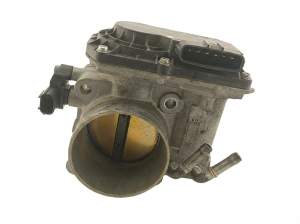
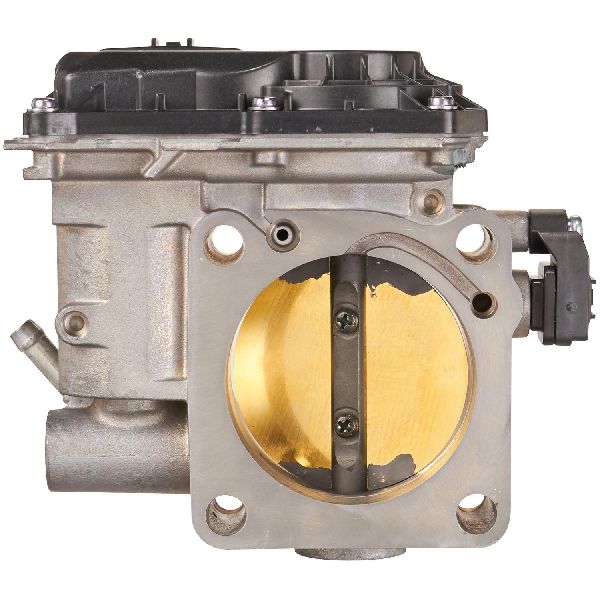
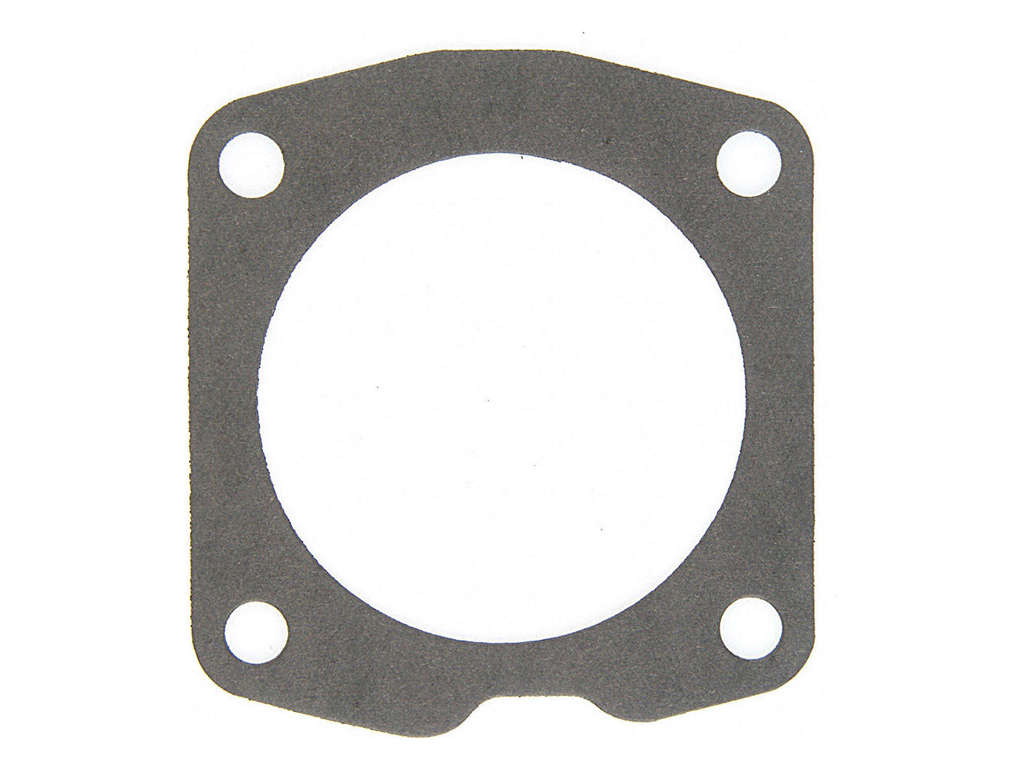
- Electronic Throttle Body Assembly
(OEM #16400-RN0-A01)— This is the most common failure point for code P2101 on this vehicle, as evidenced by multiple TSBs and general repair information. The internal motor or position sensor fails.
Trusted brands: Honda (Genuine OEM), Standard Motor Products, Hitachi, Duralast
OEM price range: $260-$370
Aftermarket price range: $150-$250
Technical Service Bulletins (TSBs) & Recalls
- Bulletin #DLR MSG - RFV - (2013 EQUIPMENT, dated 2014-06-12): Manufacturer investigation into P2101 on 2012-2014 Ridgelines.
- Bulletin #Service Bulletin (2012 POWER TRAIN, dated 2015-04-23): Notes that P2101 can cause failsafe mode and lack of power.
- Bulletin #DLR MSG - RFV - (2012 EQUIPMENT, dated 2014-07-07): Manufacturer investigation into P2101 on 2012-2014 Ridgelines.
- Bulletin #ENG REQ - AER131 (2012 ELECTRICAL SYSTEM, dated 2014-05-29): Engineering request for investigation into P2101 on 2012-2014 Ridgelines.
Platform-Specific Known Issues
- American Honda issued multiple dealer messages and service bulletins between 2014 and 2015 to investigate the cause of P2101 on 2012-2014 Ridgeline models. One bulletin notes the issue can cause the vehicle to enter a failsafe mode with a lack of power.
Mechanic-Grade Diagnostic Values
- Throttle Position Sensor (TPS) Voltage at Idle — expected: ~0.5V - 1.0V. Failure: Voltage significantly higher or lower than the expected range at closed throttle.
- Throttle Position Sensor (TPS) Voltage at Wide-Open Throttle (WOT) — expected: ~4.5V. Failure: Voltage does not reach the expected level when the throttle is fully open, or the voltage reading is erratic as the throttle opens.
- Throttle Actuator Motor Resistance — expected: 2-10 ohms (check service manual for exact spec). Failure: Infinite resistance (open circuit) or very low resistance (short circuit) across the motor terminals.
- Scan Tool Throttle Position Percentage (Closed) — expected: Approximately 10%. Failure: Reading is not within the specified range when the throttle is fully closed.
- Scan Tool Throttle Position Percentage (Open) — expected: Approximately 90%. Failure: Reading does not reach the specified range when the throttle is fully open.
Scan Tool Commands That Help
- Honda Diagnostic System (HDS): ETCS Test (Electronic Throttle Control System) — This is a specific diagnostic routine within the dealer-level software used to check the function of the entire electronic throttle control system after clearing the DTC.
- Honda Diagnostic System (HDS): Reset PCM — Used to clear adaptive memory from the Powertrain Control Module before performing the idle learn procedure.
- Honda Diagnostic System (HDS) or capable bidirectional scanner: PCM Idle Learn Procedure — This is the most reliable method to make the PCM relearn the throttle's idle and off-idle characteristics after cleaning or replacing the throttle body.
- Manual Procedure (No Scan Tool): Idle Relearn Procedure — Use after disconnecting the battery, or cleaning/replacing the throttle body if a scan tool is not available. Steps: 1. Turn off all electrical accessories (A/C, radio, lights). 2. Turn ignition to ON (II) for 2 seconds. 3. Start the engine and hold RPM at 3,000 in Park or Neutral until the engine reaches operating temperature (cooling fans cycle on). 4. Let the engine idle for at least 5 minutes with no accessories on. If fans turn on, the 5-minute timer starts after they turn off. 5. Turn off the engine. The procedure is complete.
Wiring & Ground Locations
- G101 — Typically located on the thermostat housing, connected to the water pipe side of the housing.. G101 serves as a critical power and logic ground for the ECU. A poor connection here due to corrosion or looseness can cause a wide range of erratic engine behavior and fault codes, including those related to the throttle body, as the ECU cannot properly control its actuators.
- Throttle Body Connector — Directly on the electronic throttle body assembly, where the engine wiring harness connects.. This connector carries the power for the actuator motor and the signal wires for the throttle position sensor. Any corrosion, loose pins, or damage to this connector or its wiring can directly cause the P2101 code by interrupting the signals between the PCM and the throttle body.
Real Owner Repair Stories
- Honda-Tech Forum (Honda Civic Si (K20Z3 engine, similar DBW system)) — Car threw a P2101 code and had a funny idle from a cold start.
❌ Tried (didn't work) Clearing the code (it did not immediately return, but the root cause was not yet found).
✅ What actually fixed it The user discovered a hole in their cold air intake (CAI) tube. They suspected the difference in air pressure was causing sensors to report conflicting data, making the ECU believe the throttle position was incorrect. After patching the hole, the P2101 code did not return.
OEM Part Supersession History
16400-RYE-A01→16400-RN0-A01— Part revision by the manufacturer. The new part is the current replacement for the original.
Helpful Videos
Used OEM Parts in Stock
New Aftermarket Parts Available


The information in this article is provided for general reference and educational purposes only. Vehicle specifications, procedures, and part compatibility can vary by production date, trim level, and region. Always consult your vehicle's factory service manual and verify part numbers before purchasing or performing repairs. Safety-critical components such as airbags, seat belts, and braking systems should be installed by a qualified professional.
- Honda RIDGELINE:
- 🧭 Diagnostic Flowchart
- 🎬 Helpful Videos
- 🛍️ Shop This Part
- What's Unique About the 2012-2014 Honda RIDGELINE
- Symptoms You May Notice
- Most Likely Causes
- Rare But Worth Checking
- Diagnosis Steps
- Parts You'll Likely Need
- Technical Service Bulletins (TSBs) & Recalls
- Platform-Specific Known Issues
- Mechanic-Grade Diagnostic Values
- Scan Tool Commands That Help
- Wiring & Ground Locations
- Real Owner Repair Stories
- OEM Part Supersession History
- 🎟️ Get 5% Off