

P2111 on 2014-2017 Audi A8 3.0L TDI: Throttle Stuck Open Causes and Fixes
On the Audi A8 3.0L TDI, P2111 is most often caused by a carbon-fouled throttle body that needs cleaning or replacement. After cleaning or replacement, a mandatory throttle body adaptation procedure is required, which may need a professional scan tool like VCDS. Expect to pay for 1-2 hours of labor for diagnosis and adaptation. An updated part and ECU software may be available from Audi.
- P2111 on your A8 TDI almost always points to a problem with the throttle body itself.
- Start by assuming the throttle body is dirty. A thorough cleaning is the most common and cheapest first step.
- You MUST perform a Throttle Body Adaptation with a proper scan tool after cleaning or replacing the part. Do not skip this step.
- If the code appears, the vehicle will enter limp mode. Avoid driving long distances to prevent secondary issues like a clogged DPF.
- If cleaning and adaptation don't work, a new throttle body assembly is the next logical step.
What's Unique About the 2014-2017 Audi A8
While P2111 is a generic code, on the Audi 3.0L TDI engine (engine codes CPNB, CRTC, etc.), it is very closely tied to two specific issues: heavy carbon buildup on the throttle body and the subsequent need for a throttle body adaptation. The TDI engine's emission systems can lead to significant oily soot and carbon deposits that physically jam the throttle plate. More importantly, simply cleaning or replacing the part is not enough. These vehicles require a specific electronic 're-learning' procedure, called a Throttle Body Adaptation (TBA), to reset the component's baseline settings. As documented by owners, failing to perform this adaptation, or using a tool that cannot complete it successfully, will cause the P2111 code to persist even with a perfectly clean or new part. There is also a Technical Service Bulletin (TSB 2037563 / 24-14-40) that addresses this issue with a revised throttle body part and an ECM software update.
Symptoms You May Notice
- Check Engine Light is on
- Flashing glow plug light on the dashboard
- Vehicle enters 'limp mode' with drastically reduced engine power
- Poor acceleration and limited RPM
- Unstable or high idle speed
- In some cases, the Diesel Particulate Filter (DPF) warning light may come on because the P2111 fault prevents regeneration cycles.
- Replacing the throttle body without performing the adaptation. The code will return, making you think the new part is also faulty.
- Assuming a new throttle body is bad when the adaptation procedure fails due to low battery voltage or an incompatible scan tool.
Most Likely Causes
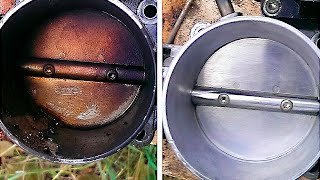
- Dirty or Carbon-Clogged Throttle Body 🔴 High Probability → Shop Fuel Injection Throttle Body The TDI engine's crankcase ventilation and EGR systems introduce oil vapor and soot into the intake tract, which builds up as thick, oily gunk on the throttle body over time, causing the plate to physically stick.
How to confirm: Remove the intake hose connected to the throttle body and visually inspect the throttle plate and bore for thick, black carbon deposits that could restrict movement.
Typical fix: Remove the throttle body and clean it thoroughly 🎬 See this video for a guide on removing the throttle valve. with an appropriate throttle body cleaner and a soft brush. A new gasket should be used upon reinstallation.
Est. part cost: $10-$25 for cleaner and a new gasket. - Throttle Body Adaptation Not Performed or Failed 🔴 High Probability → Shop Fuel Injection Throttle Body This is a required step after cleaning, disconnecting, or replacing the throttle body on modern VAG vehicles. The ECU needs to relearn the closed, open, and intermediate positions of the cleaned or new throttle plate.
How to confirm: This is a procedural cause. If the P2111 code appeared immediately after the throttle body was serviced, this is the most likely reason. A diagnostic tool like VCDS is needed to attempt the adaptation. One owner reported their VCDS giving a 'safety reasons' error, and the dealer had to perform the adaptation with their factory tool (ODIS) to resolve the issue.
Typical fix: Perform a Throttle Body Adaptation (TBA) using a compatible diagnostic tool (like VCDS or a dealer-level tool). The procedure is done with the key on, engine off, and requires stable battery voltage (at least 11.5V).
Est. part cost: $0 if you have the tool, or typically part of a 1-hour diagnostic charge at a shop. - Defective Throttle Body Assembly 🟡 Medium Probability → Shop Fuel Injection Throttle Body If cleaning and adaptation do not resolve the issue, the internal electronic motor or the integrated position sensors have likely failed. This is a known failure point addressed by an official TSB. This was the ultimate fix for one owner after cleaning didn't help.
How to confirm: After confirming the throttle body is clean and that the adaptation procedure still fails or the code returns immediately, the part itself is condemned. This is especially likely if the part number is not the latest revision (ending in 'R').
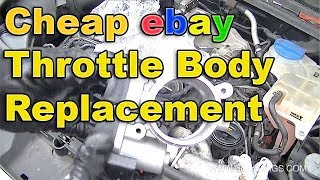
Typical fix: Replace the entire throttle body assembly with a new, updated unit (part number ending in 'R'), followed by a successful throttle body adaptation. 🎬 Watch: See a full throttle body replacement and test drive walkthrough.
Est. part cost: $200-$500
Rare But Worth Checking
- Wiring Harness or Connector Fault: While less common, check the 5-pin wiring connector and harness leading to the throttle body for any signs of damage, corrosion, or loose pins, especially if the vehicle has a history of other repairs in that area.
- Faulty Powertrain Control Module (PCM): → Shop Engine Control Module (ECM) This is extremely rare. The PCM should only be considered after all other possibilities, including the throttle body and wiring, have been exhaustively tested and ruled out. A software update for the PCM may be required as per TSB 2037563.
Diagnosis Steps
- Connect a diagnostic scanner (VCDS recommended) and confirm P2111 is the primary active code. Note any other codes, especially DPF-related ones like P2463.
- With the key on and engine off, use the scanner to monitor live data for Commanded Throttle Position vs. Actual Throttle Position. A large discrepancy confirms the fault.
- Visually inspect the throttle body for heavy carbon buildup by removing the intake pipe.
- If dirty, remove the throttle body, clean it thoroughly with throttle body cleaner, and reinstall with a new gasket. Do not manually force the throttle plate open on the bench.
- Crucial Step: Perform a Throttle Body Adaptation (TBA). With VCDS, go to [01-Engine] -> [Basic Settings - 04] -> Select 'Throttle Valve Adaptation' from the dropdown (for UDS). Ensure battery voltage is above 11.5V.
- If the adaptation fails or the code returns, inspect the wiring and 5-pin connector at the throttle body for damage or corrosion. Use only gold-plated terminals for any repairs on this connector.
- If wiring is good and adaptation fails on a clean throttle body, check the part number. If it is not the revised 'R' version, replace the throttle body assembly with the updated part (059145950R).
- After installing the new throttle body, perform the Throttle Body Adaptation again.
- Check with an Audi dealer if TSB 2037563 (ECU software update) is applicable and has been performed.
- Clear all codes and perform a test drive. If DPF codes were present, a service regeneration may be required after the throttle issue is fixed.
Parts You'll Likely Need
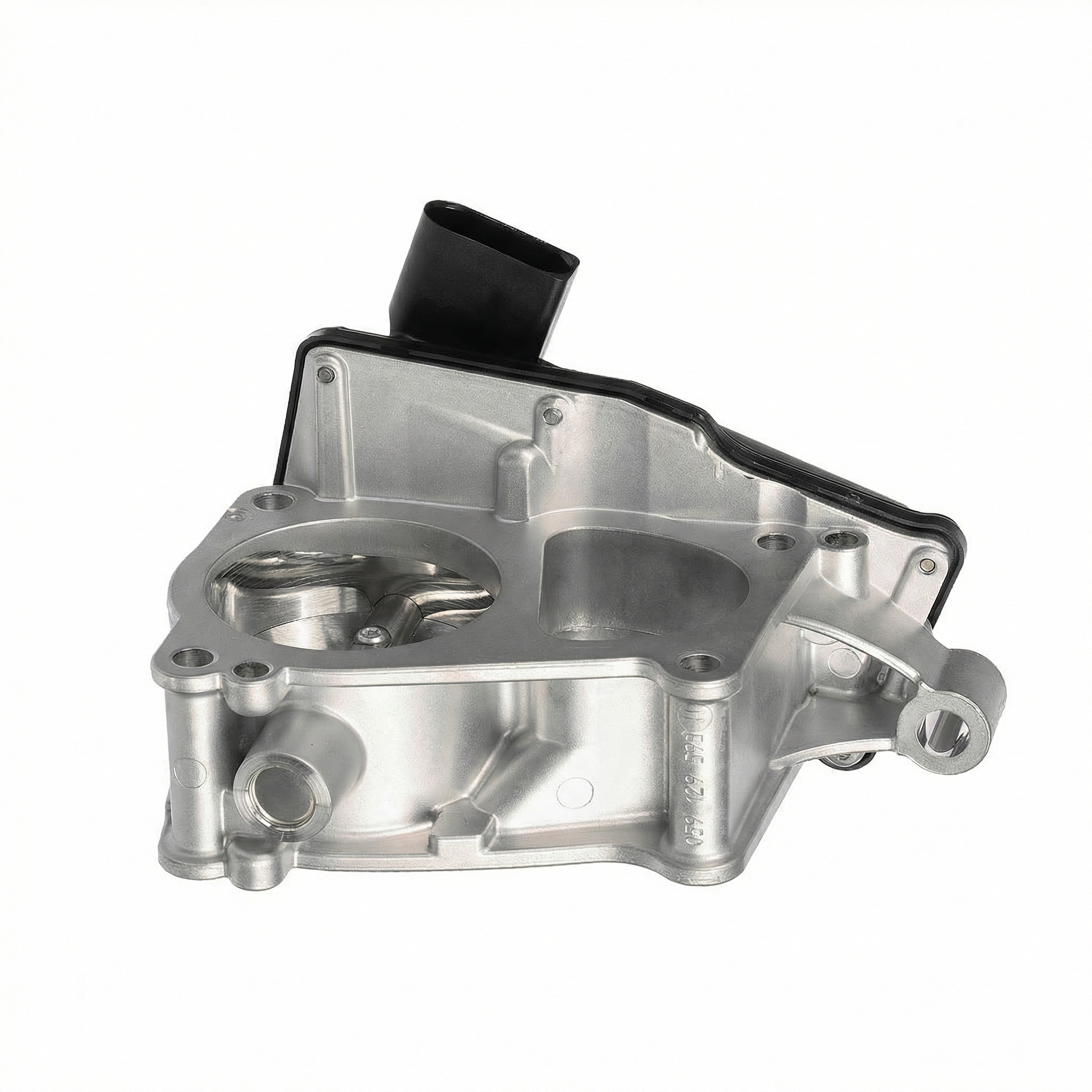
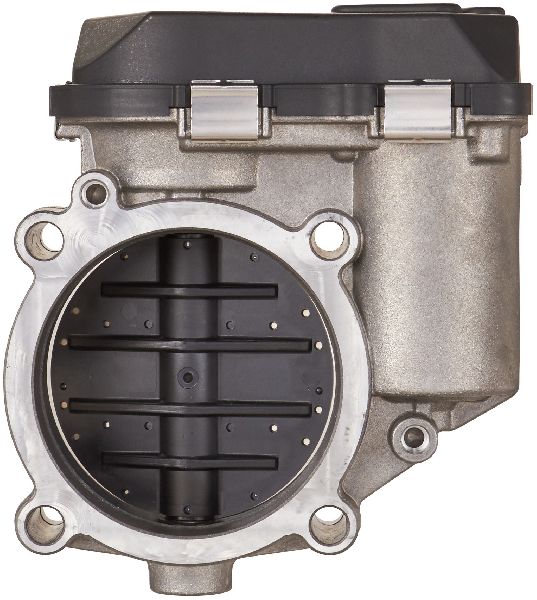
- Throttle Body Assembly
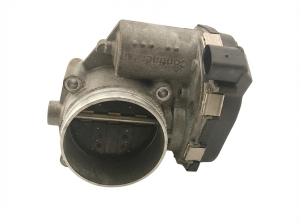
(OEM #059145950R)— This is the most likely part to be replaced if cleaning and adaptation fail. The 'R' suffix denotes the revised part intended to fix the issue permanently, per TSB 2037563. Older versions include 059145950A, 059145950D, and 059145950H.
Trusted brands: VAG (OEM), Pierburg, Bosch
OEM price range: $400-$550
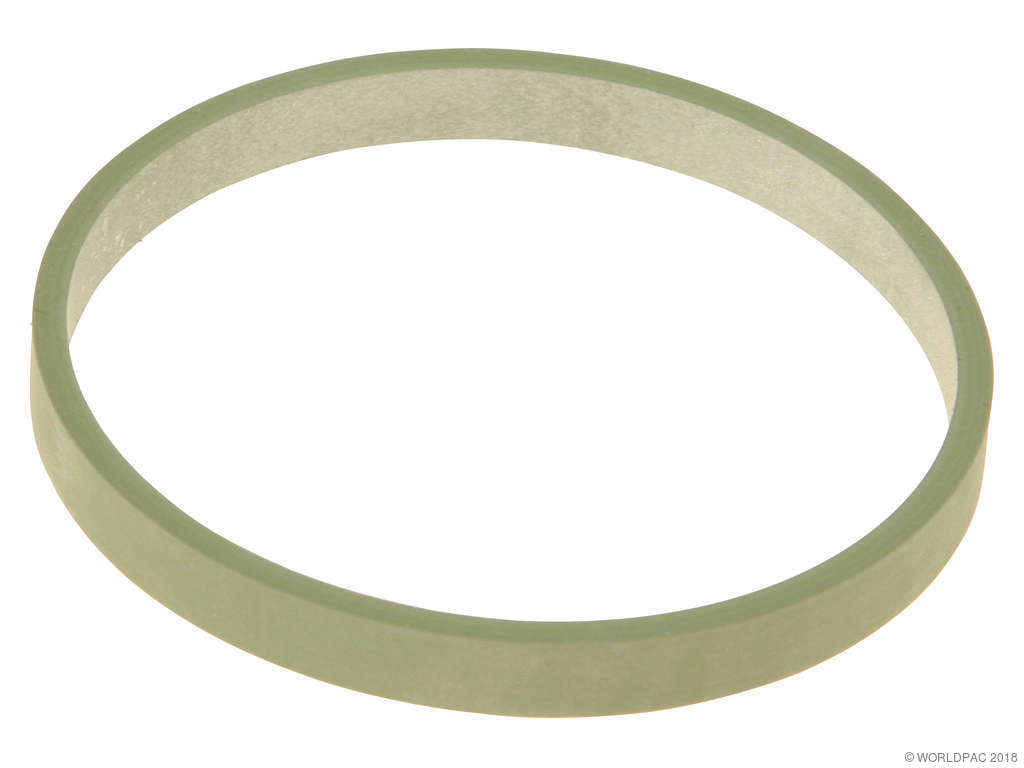
Aftermarket price range: $150-$350 - Throttle Body Gasket
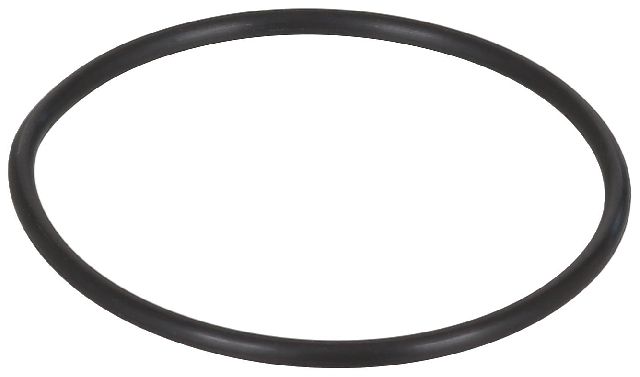
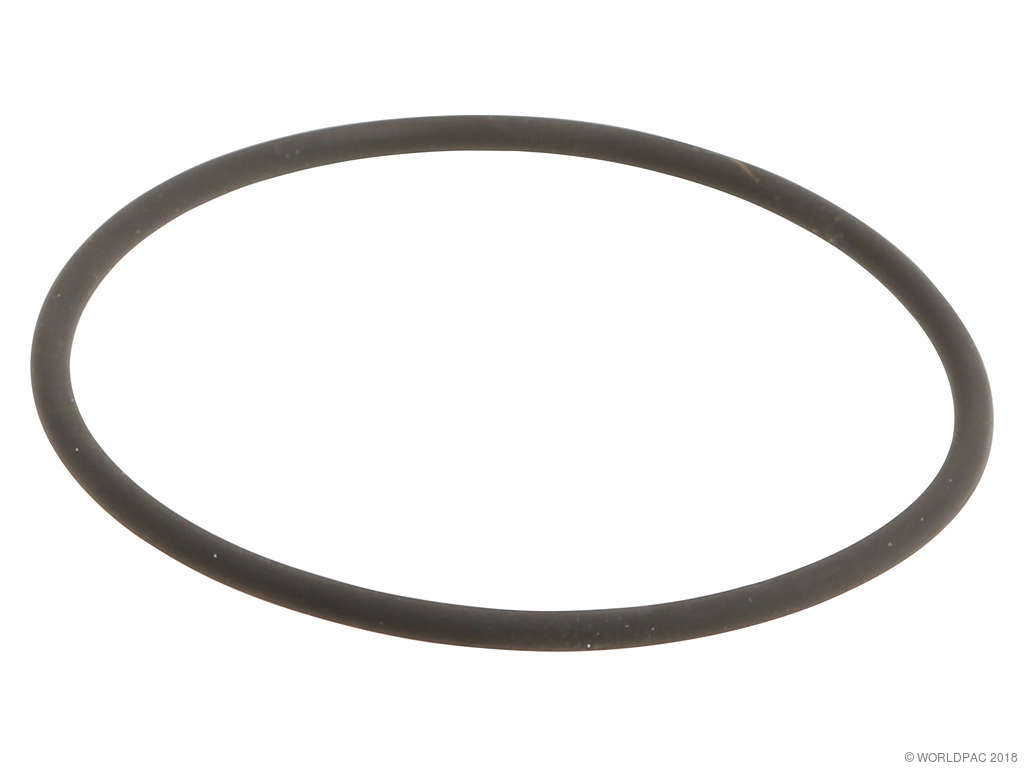
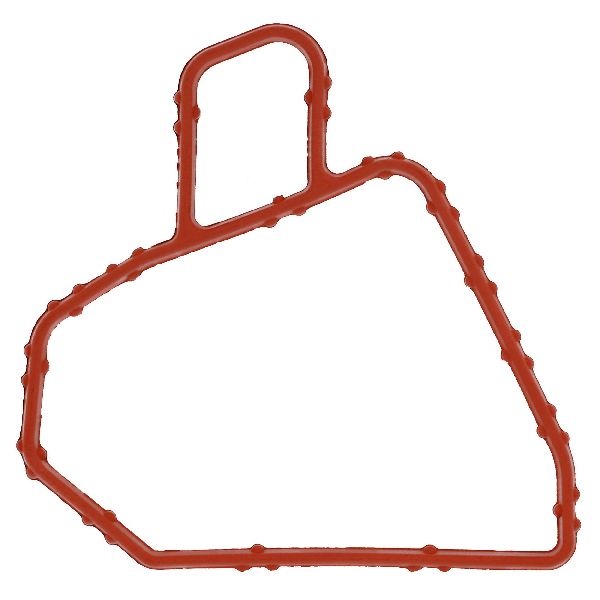
(OEM #059129717L)— Should always be replaced when the throttle body is removed for cleaning or replacement to prevent vacuum leaks.
Trusted brands: Victor Reinz, Elring
OEM price range: $10-$20
Aftermarket price range: $5-$15
Related Codes That Often Appear With This One
- P2112 — This code for 'Throttle Actuator Control System - Stuck Closed' can sometimes appear with P2111 as the system struggles to determine the throttle's true position.
- P0638 — This is another code for 'Throttle Actuator Control Range/Performance', which points to the same system and general problem.
- P2463 — This code for 'Diesel Particulate Filter - Excessive Soot Accumulation' often appears because the P2111 fault prevents the DPF from regenerating.
Technical Service Bulletins (TSBs) & Recalls
- TSB 2037563 / 24-14-40: Addresses P2111 and related throttle actuator faults on 3.0L TDI engines. The fix involves an ECM software update and, if necessary, replacement of the throttle body with a revised part.
Platform-Specific Known Issues
- The 3.0L TDI engine is known for significant carbon buildup in the intake system, which makes the throttle body a common failure point for sticking.
- A P2111 fault will prevent the DPF from performing active regeneration, which can lead to a clogged DPF (and code P2463) if the throttle issue is not addressed promptly.
- Audi released TSB 2037563 / 24-14-40 for this issue, which involves an ECM software update and potentially replacing the throttle body with an updated part (059145950R).
Mechanic-Grade Diagnostic Values
- Battery Voltage (Pre-Check) — expected: At least 11.5V (12.5V recommended). Failure: Voltage below 11.5V can cause adaptation procedures to fail.
- Throttle Body Connector (J338) Voltage Check (Key On) — expected: Terminals 4 to 8: >= 4.5V. Some manuals specify Terminals 4 to 7 (Ground): 4.0-6.0V.. Failure: Voltage outside the specified range indicates a wiring or ECM issue.
- Throttle Body Connector (J338) Power Supply Check (Key On) — expected: Terminals 3 to 7 (Ground): 9.0-14.5V.. Failure: No or low voltage points to a power supply issue to the module.
- Throttle Actuator Motor Resistance — expected: Between terminals 3 and 5 of the throttle body itself: 3-200 Ohms (varies by specific part).. Failure: Open circuit (infinite resistance) or short (near zero) indicates a failed motor.
- Wiring Harness Resistance (Throttle Connector to ECM) — expected: Max 1.5 Ohms.. Failure: Higher resistance indicates corrosion or a damaged wire in the harness.
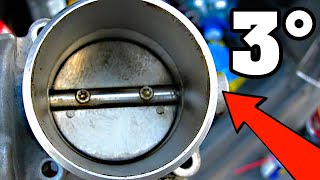
- VCDS Live Data - Throttle Valve Angle — expected: Actual position should closely track commanded position within a few percent. Idle stop should be between 3.0% and 25.0%.. Failure: A large, persistent discrepancy between commanded and actual values confirms the fault.
Hidden / Shadow Codes Worth Checking
- Freeze Frame Data (e.g., Fault Status: 01100010): While not a separate code, advanced scanners like VCDS provide detailed freeze frame data, including a binary fault status, fault priority, frequency, and mileage. This data helps a technician understand the conditions under which the fault occurred. (see via VCDS or other professional VAG diagnostic tools when reading the specific fault code from the Engine (01) controller.)
Scan Tool Commands That Help
- VCDS (VAG-COM): [01-Engine] -> [Basic Settings - 04] -> 'Throttle Valve Adaptation' — This is a mandatory reset procedure after cleaning, reinstalling, or replacing the throttle body. It allows the ECU to relearn the plate's position limits.
- ODIS (Dealer Tool): Guided Functions - Throttle Body Adaptation — Use when VCDS or other aftermarket tools fail to complete the adaptation, sometimes giving a 'safety reasons' error. ODIS may use a slightly different command sequence that is required on some vehicles.
- VCDS (VAG-COM): [Turbo] button in Measuring Blocks — When logging live data to diagnose an intermittent throttle response issue. This function increases the data sampling rate, making it easier to catch brief signal dropouts or glitches.
Wiring & Ground Locations
- J338 Connector — The 5-pin or 8-pin electrical connector on the throttle body assembly itself.. This is the primary connection point for all power, ground, and signal wires to the throttle actuator and sensors. Corrosion or damage here is a potential cause of P2111. Pinout testing is performed at this connector.
- Ground Point 12 — Main ground connection post in the engine compartment, on the left side (driver's side in LHD vehicles).. A poor main engine ground can cause fluctuating voltages and erratic behavior in electronic modules like the throttle body.
- Ground Point 600 — A ground connection located on the right-side cylinder head.. This is a critical engine ground point. Ensuring it is clean and tight is essential for stable sensor and actuator operation.
Real Owner Repair Stories
- Ross-Tech Forums user (2014 Audi A8 3.0L TDI) — Check Engine Light, DPF light, and fault code P2111 'Stuck Open'.
❌ Tried (didn't work) Thoroughly cleaning the throttle body., Attempting a Throttle Body Adaptation using VCDS, which repeatedly failed with an 'aborted for safety reasons' error.
✅ What actually fixed it Taking the vehicle to an Audi dealer. The dealer successfully performed the Throttle Body Adaptation using their factory tool (ODIS) in a few minutes, which resolved the code. - YouTube creator 'Car & Motor' (Audi A6 3.0 TDI (same engine family)) — Engine management light on, very slow acceleration, lack of power.
❌ Tried (didn't work) Diagnosis confirmed a throttle body issue.
✅ What actually fixed it Replacing the entire throttle body assembly with a new part purchased from eBay. After replacement, power was restored and the check engine light was gone.
When the Usual Fixes Don't Work
- In one documented case on a 2014 A8 TDI, the common fix of cleaning the throttle body and running the adaptation with VCDS did not work. The code persisted because the VCDS tool was unable to complete the adaptation procedure, reporting a 'safety reasons' error. The ultimate fix was not a different part, but using a different, dealer-level scan tool (ODIS) which successfully completed the exact same adaptation procedure. This indicates a potential software/tooling dependency for this repair that goes beyond just the physical parts.
OEM Part Supersession History
059145950A, 059145950D, 059145950H→059145950R— Part revision to address the sticking issue and improve durability. The TSB (2037563) recommends updating to this latest part number.
Heads up: While older versions will physically fit, they are prone to the original failure mode. Installing anything other than the latest 'R' revision is not recommended.
Diagnostic Flowchart
Other Known Issues on This Vehicle
Issues unrelated to this code that are worth knowing about as an owner of this generation:
- Timing Chain Tensioner Wear 🔴 High — A startup rattle lasting 1-2 seconds is a common early symptom, often appearing after 80,000-100,000 miles. Failure is a very expensive, engine-out repair.
- AdBlue Heater Failure 🟠 Medium — Common failure, especially in colder climates. Triggers emissions warnings, limp mode, and eventually a no-start countdown. (Ref: A TSB exists for some models related to reductant tank temperature sensor faults (P205B).)
- Oil Leaks 🟠 Medium — Leaks from the upper/lower oil pans, timing chain covers, and oil cooler seals are common as the vehicle ages.
- Adaptive Air Suspension Leaks 🔴 High — Air struts can develop leaks and the compressor can wear out, causing the vehicle to sag at one or more corners. A costly repair.
- Water Pump Failure 🟠 Medium — The water pump can leak or fail, leading to overheating. It's often replaced preventatively during other major services.
Used vs. New Parts: Buying Guide for This Vehicle
When a used part is the smart pick: A used OEM part can be a cost-effective and reliable choice if it is a later revision (ideally ending in 'R') and comes from a low-mileage donor vehicle. It is often a better option than a new, unbranded aftermarket part due to superior build quality and electronics.
Donor-vehicle mileage cap: roughly under 60000 miles for the part to have meaningful remaining life.
What to inspect on the donor part:
- Verify the part number is the latest possible revision (059145950R).
- Inspect the electrical connector pins for any signs of corrosion, damage, or pushed-in pins.
- Gently move the throttle plate by hand; it should move smoothly without binding or catching. A small amount of resistance from the motor is normal.
- Check the bore for excessive scoring or wear, though some carbon residue is expected and can be cleaned.
OEM-only on this vehicle (don't cheap out):
- While not strictly OEM-only, it is highly recommended to use either a genuine VAG part or one from an OEM supplier like Bosch or Pierburg. The internal electronics are sensitive and critical to proper function.
Aftermarket brands forum-validated for this vehicle:
- Pierburg (often the original equipment manufacturer)
- Bosch
Brands owners have reported issues with on this vehicle:
- Unbranded, low-cost parts from online marketplaces can be a gamble, as their internal electronics and gear mechanisms may not meet OEM durability standards, potentially leading to premature failure.
Real Owner Stories
Aggregated from forums and TSBs cited above. Mileages and costs reflect what owners reported in those sources.
2014 Audi A8 3.0L TDI
Symptoms: The vehicle had a P2111 code and the owner attempted a Throttle Body Adaptation using VCDS, but the software returned a 'safety reasons' error.
What fixed it: The vehicle had to be taken to a dealer to have the adaptation performed using the factory ODIS tool.
Source hint: Ross-Tech Forums (https://forums.ross-tech.com/index.php?threads/29633/)
2013-2016 Audi Q7 3.0L TDI
Symptoms: Experienced carbon buildup and a P2111 code; the platform-mate shares the same EA897 engine and intake design as the A8.
What fixed it: Cleaning the throttle body or replacing it followed by a successful adaptation.
Source hint: vehicle_specific_issues and platform_mates section
Related OBD-II Codes
Frequently Asked Questions
Does TSB 2037563 apply to my 2014-2017 Audi A8 3.0L TDI?
What is the specific updated part number for the A8 TDI throttle body?
Can I perform the Throttle Body Adaptation on my Audi A8 without a diagnostic tool?
Why is my DPF light on alongside the P2111 code?
Is it safe to manually move the throttle plate while cleaning it?
What should I check if the throttle body is clean but the adaptation still fails?
Helpful Videos
Used OEM Parts in Stock
New Aftermarket Parts Available


The information in this article is provided for general reference and educational purposes only. Vehicle specifications, procedures, and part compatibility can vary by production date, trim level, and region. Always consult your vehicle's factory service manual and verify part numbers before purchasing or performing repairs. Safety-critical components such as airbags, seat belts, and braking systems should be installed by a qualified professional.
- Audi A8:
- 🧭 Diagnostic Flowchart
- 🎬 Helpful Videos
- 🛍️ Shop This Part
- What's Unique About the 2014-2017 Audi A8
- Symptoms You May Notice
- Most Likely Causes
- Rare But Worth Checking
- Diagnosis Steps
- Parts You'll Likely Need
- Related Codes That Often Appear With This One
- Technical Service Bulletins (TSBs) & Recalls
- Platform-Specific Known Issues
- Mechanic-Grade Diagnostic Values
- Hidden / Shadow Codes Worth Checking
- Scan Tool Commands That Help
- Wiring & Ground Locations
- Real Owner Repair Stories
- When the Usual Fixes Don't Work
- OEM Part Supersession History
- Other Known Issues on This Vehicle
- Used vs. New Parts: Buying Guide for This Vehicle
- Real Owner Stories
- 2014 Audi A8 3.0L TDI
- 2013-2016 Audi Q7 3.0L TDI
- Related OBD-II Codes
- Frequently Asked Questions
- 🎟️ Get 5% Off