

P2111 on 2011-2014 Ford Edge 3.7L: Throttle Body Stuck Open Causes and Fixes
On a 2011-2014 Ford Edge with the 3.7L V6, code P2111 almost always means the electronic throttle body has failed. This is a very common and well-documented problem that forces the vehicle into a low-power 'limp mode.' The fix is to replace the entire throttle body assembly, which costs between $90 and $250 for the part. This issue was so prevalent it led to Ford's Customer Satisfaction Program 13N03, extending the part's warranty.
- P2111 on your 2011-2014 Edge 3.7L means the electronic throttle body has almost certainly failed due to a known defect.
- This is a known, widespread defect. Do not waste money on other diagnoses like the accelerator pedal sensor.
- Before replacing the throttle body, have your battery and charging system tested, as low voltage can sometimes cause this code.
- The fix is to replace the entire throttle body assembly (OEM Part AT4Z-9E926-B) and its gasket.
- The repair is straightforward for a DIYer with basic tools and takes about an hour.
- After installation, a simple, no-tool throttle relearn procedure is required to ensure proper operation.
What's Unique About the 2011-2014 Ford Edge
The 2011-2014 Ford Edge 3.7L, along with many other Ford models from this era using the 3.5L and 3.7L engines, is known for a high rate of electronic throttle body (ETB) failures. The root cause is often contamination on the internal motor contacts, leading to intermittent electrical connectivity. This specific issue was the subject of a NHTSA investigation and multiple class-action lawsuits that explicitly named this vehicle and engine combination. The problem is so prevalent that Ford initiated a Customer Satisfaction Program (13N03) extending the warranty on these parts to 10 years or 150,000 miles for many affected vehicles. Therefore, a P2111 code on this Edge is almost certainly due to this known defect rather than a more obscure cause.
Symptoms You May Notice
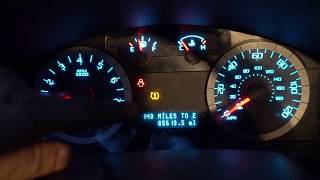
- Wrench light illuminated on the dashboard
- Check Engine Light is on
- Vehicle enters 'limp mode' with drastically reduced engine power and acceleration
- Inability to accelerate past a very low speed
- Rough or unstable idle
- No throttle response
- Vehicle stalling, sometimes intermittently 🎬 Watch: A breakdown of common bad throttle body symptoms
- Replacing the Accelerator Pedal Position (APP) Sensor. A faulty APP sensor would generate its own set of specific trouble codes (like P2135 or P2138), not P2111.
Most Likely Causes
- Defective Electronic Throttle Body (ETB) 🔴 High Probability → Shop Fuel Injection Throttle Body This is a widely documented failure point on many Ford vehicles from this period, including the Edge 3.7L, due to internal electronic faults caused by contamination on the motor contacts. The issue led to warranty extensions (Customer Satisfaction Program 13N03) and class-action lawsuits.
How to confirm: With the engine off, remove the air intake tube from the throttle body. Have a helper turn the key to the 'ON' position (engine off) and slowly press the gas pedal. The throttle plate should move smoothly. Any sticking, buzzing, or failure to move indicates a bad throttle body. Often, no physical test is needed as this is the default diagnosis for this code on this vehicle. One owner on a forum noted that aggressive driving could trigger the stall and code, which would clear on restart, making it hard for dealers to diagnose without a data recorder. NHTSA ODI #11340206 notes that the P2111 code for the actuator being stuck open can cause a rough idle and can occur at highway speeds or when accelerating from a stop.
Typical fix: Replace the entire electronic throttle body assembly and the associated gasket. After replacement, 🎬 See this step-by-step walkthrough of the replacement process perform a throttle body relearn procedure. Cleaning the throttle body is often a temporary fix at best, as the problem is electronic, not just carbon buildup.
Est. part cost: $90-$250
Rare But Worth Checking
- Wiring Harness Damage: While much less common than ETB failure, damage to the wires leading to the throttle body connector can cause identical symptoms. Check for chafed, broken, or corroded wires before replacing the throttle body, especially if the vehicle has been in an accident or had other engine work done.
- Failing Battery or Low System Voltage: The electronic throttle body is sensitive to system voltage. A weak or failing battery can cause erratic behavior and trigger a P2111 code. One owner on a Ford Edge Forum reported the code appeared when their battery was failing and disappeared after it was replaced. It's a wise step to test the battery and charging system before replacing more expensive parts.
- Powertrain Control Module (PCM) Fault: → Shop Engine Control Module (ECM) In very rare cases, the PCM itself can fail and incorrectly report a throttle body issue. This should only be considered after a known-good throttle body has been installed and the wiring has been verified to be intact. NHTSA ODI #10615836 mentions a repair that involved both replacing the throttle body and updating the powertrain software.
Diagnosis Steps
- Confirm the presence of code P2111 using an OBD-II scanner. Check for any other codes, especially P2112.
- Test the battery and charging system to rule out low voltage as a potential cause.
- Given the high probability of failure, the primary diagnostic step is to inspect the throttle body. Turn the vehicle off.
- Disconnect the air intake duct from the throttle body to gain visual access to the throttle plate.
- Inspect the throttle bore and plate for heavy carbon buildup or any physical obstruction that could cause it to stick. While cleaning is an option, it rarely fixes the electronic fault that triggers P2111 on this platform.
- Inspect the wiring harness and connector going to the throttle body for any visible signs of damage, corrosion, or loose pins.
- If the wiring appears intact and there are no obvious obstructions, the electronic throttle body assembly is faulty and should be replaced. This is the confirmed cause in the vast majority of cases for this vehicle. NHTSA ODI #10779194 confirms that a dealership diagnosis for P2111 identified the throttle body actuator control was stuck open, requiring replacement of the throttle body and motor assembly.
- After replacing the throttle body, perform a relearn procedure. This can often be done without a scan tool by turning the key to 'ON' (engine off), slowly pressing the accelerator pedal to the floor and holding for a few seconds, slowly releasing it, and then turning the key off. Wait one minute before starting the engine 🎬 Watch: How to perform the full calibration and relearn procedure to verify the light is off and the vehicle operates normally.
Parts You'll Likely Need
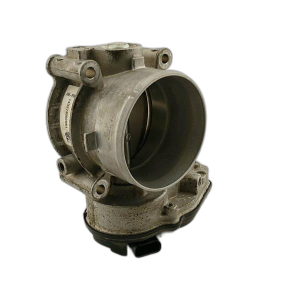
- Electronic Throttle Body Assembly
(OEM #AT4Z-9E926-B)— This is the root cause of code P2111 on this vehicle in over 95% of cases due to a well-documented internal electronic defect. An older part number, 7T4Z-9E926-FA, was specified in an earlier TSB for related models.
Trusted brands: Motorcraft, SKP, Hitachi, A-Premium
OEM price range: $150-$250
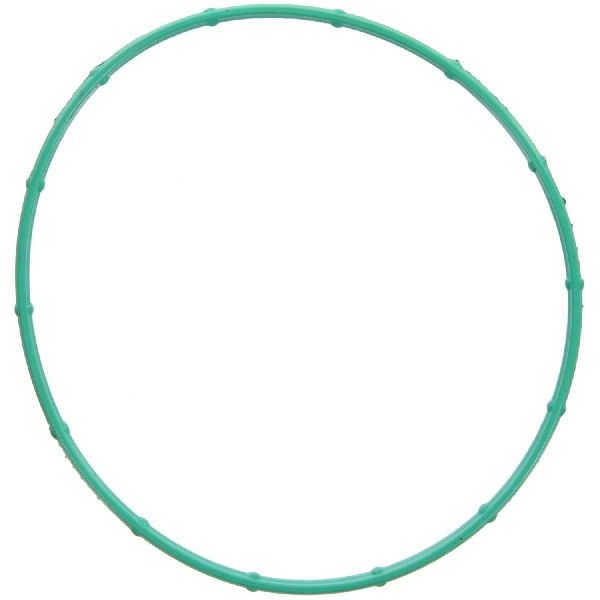
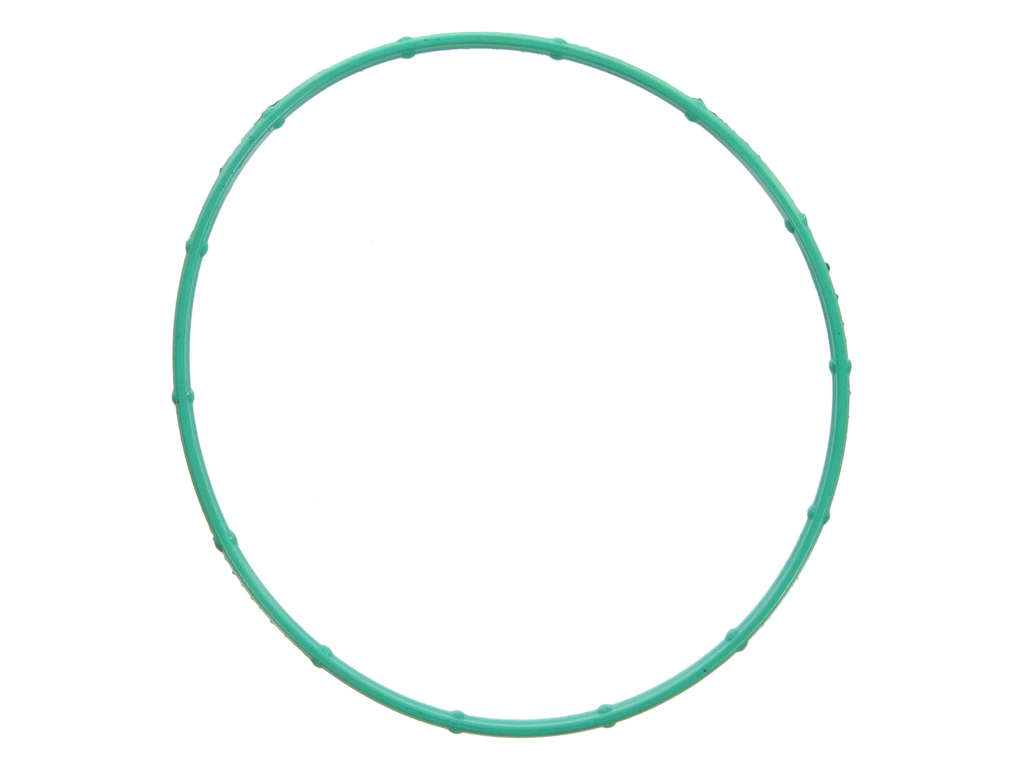
Aftermarket price range: $90-$180 - Throttle Body Gasket — A new gasket should always be used when replacing the throttle body to prevent vacuum leaks. Some new throttle bodies include one.
Trusted brands: Motorcraft, Fel-Pro, Mahle
OEM price range: $10-$20
Aftermarket price range: $5-$15
Related Codes That Often Appear With This One
- P2112 — This code means 'Throttle Actuator Control System - Stuck Closed.' It is the direct companion to P2111 and is caused by the exact same internal electronic failure of the throttle body.
- P2110 — This code, 'Throttle Actuator Control System - Forced Limited RPM,' is often triggered as part of the fail-safe 'limp mode' strategy when a fault like P2111 is detected.
Technical Service Bulletins (TSBs) & Recalls
- While not for the 3.7L specifically, TSB 10-21-6 was issued for the related 3.5L engine in the Lincoln MKX and 3.7L in the MKT for codes P2111 and P2112, recommending ETB replacement with part number 7T4Z-9E926-FA.
- Customer Satisfaction Program 13N03 extended the warranty on the ETB to 10 years/150,000 miles for many affected Ford models due to high failure rates from internal contact contamination. This program expired for most vehicles by January 31, 2015, if they were already past the mileage/year limit.
Platform-Specific Known Issues
- This vehicle was named in a class-action lawsuit (Franco v. Ford Motor Company) regarding sudden deceleration caused by defective electronic throttle bodies, which trigger codes P2111 and P2112.
Mechanic-Grade Diagnostic Values
- Throttle Actuator Control (TAC) Motor Resistance — expected: Approximately 2 to 25 Ohms between the two motor pins on the throttle body (connector unplugged).. Failure: An ohmmeter reading of infinite resistance (open circuit) or zero resistance (short circuit) indicates a failed motor.
- Scan Tool Live Data: Commanded vs. Actual Throttle Position — expected: The 'Throttle Position Actual' PID should track the 'Throttle Position Commanded' PID with less than a 2% difference.. Failure: A significant and persistent discrepancy between the commanded and actual positions indicates the throttle plate is physically sticking or the actuator is failing.
- Throttle Position Sensor (TPS) Voltage Sweep — expected: Approximately 0.5V at closed throttle, sweeping smoothly to around 4.5V at wide-open throttle.. Failure: Voltage spikes, dropouts, or readings that do not correspond to the throttle plate's physical position indicate a faulty TPS within the assembly.
Scan Tool Commands That Help
- Ford IDS (or equivalent professional scanner): Actuator Test Mode / Output State Control — To command the throttle plate to open and close while monitoring live data PIDs (TP_CMD vs TP_ACT). This directly tests the actuator's response to PCM commands and can confirm a lazy or non-responsive motor.
- Ford IDS (or equivalent professional scanner): PCM/TCM > Reset All Adaptations — After replacing the throttle body, this function clears the old learned values from the PCM's memory and forces it to relearn the new throttle body's idle and range of motion. This is the most reliable alternative to the manual relearn procedures.
Wiring & Ground Locations
- Electronic Throttle Body Connector — Directly on the side of the electronic throttle body, where the engine air intake duct connects.. This 6-pin connector provides all power, ground, and signal lines to the throttle body. A poor connection, corrosion, or damaged pins here are a primary point of failure and can mimic a faulty throttle body.
- G107 — On the right front of the engine compartment.. This is a primary engine and PCM ground point. A loose or corroded G107 can cause erratic voltage and signal issues for multiple engine components, including the electronic throttle control system, potentially triggering false codes.
- Powertrain Control Module (PCM) — Located on the right front of the engine compartment, near the firewall.. The PCM is the source of the commands for the throttle body. All wiring from the throttle body terminates here. Verifying signal and voltage at the PCM connector is the final step before condemning the PCM itself.
Real Owner Repair Stories
- YouTube channel 'MeAndCarKeys' (Ford F-150 with 3.7L V6, 174,000 miles) — Sudden loss of power, wrench light, limp mode, and stored code P2111.
❌ Tried (didn't work) The owner considered cleaning the throttle body but opted for direct replacement due to the high mileage and commonality of the electronic failure.
✅ What actually fixed it Replacing the entire electronic throttle body assembly with an aftermarket unit ('A-Premium' brand) and clearing the codes resolved the issue completely. The owner noted significantly improved throttle response after the replacement. - Reddit user in r/FocusST (Ford Focus ST (demonstrates the same failure mode on a different Ford platform)) — Limp mode with code P2111.
❌ Tried (didn't work) Reseating the electrical connector provided a temporary fix, but the problem returned.
✅ What actually fixed it Replacing the entire throttle body assembly was the permanent solution that solved the problem. - NHTSA ODI #10888115 — An owner reported that after an AWD light and engine light appeared, the vehicle entered a limp home condition with code P2111, which required replacing the throttle body and motor assembly.
OEM Part Supersession History
AT4Z-9E926-A→AT4Z-9E926-B— This is a common revision update from Ford. While not explicitly stated, parts are often superseded to improve reliability or address known failure points.
Heads up: The parts are interchangeable. AT4Z-9E926-B is the current replacement for the original -A part.7T4Z-9E926-FA→AT4Z-9E926-B— TSB 10-21-6 specified part number 7T4Z-9E926-FA for this issue on 2010 models. The current recommended part for the 2011-2014 Edge is AT4Z-9E926-B, which fits a wider range of applications.
Heads up: While the older part may fit, AT4Z-9E926-B is the correct, most up-to-date part for this specific vehicle and is recommended to ensure any design improvements are included.
Diagnostic Flowchart
Other Known Issues on This Vehicle
Issues unrelated to this code that are worth knowing about as an owner of this generation:
- Power Transfer Unit (PTU) Failure 🔴 High — Common on AWD models. The lubricant can overheat and break down, leading to gear failure. Failures can occur as early as 40,000-50,000 miles. Repair costs can be $1,600-$3,000.
- Faulty Brake Booster 🔴 High — A prevalent issue on 2007-2015 models where the booster's internal diaphragm can tear, leading to a hard brake pedal and increased stopping distances. Ford extended the warranty for this part under a separate program (not 13N03). (Ref: Warranty Extension Program (10 years/150,000 miles))
- Door Ajar Sensor Failure 🟡 Low — Extremely common on 2011-2013 models. A switch inside the door latch fails, causing the 'door ajar' light to stay on, the interior dome lights to remain lit, and preventing doors from locking automatically.
- Water Leak at A-Pillar 🟠 Medium — Some vehicles experience water leaks into the cabin through poorly sealed sheet metal joints in the A-pillar area, which can lead to wet carpets and musty odors. A related customer satisfaction program (15B21) was issued for some 2015 models. (Ref: Customer Satisfaction Program 15B21 (for 2015 models))
- Transmission Torque Converter/General Failure 🔴 High — Some owners report transmission issues, including clunking sounds, torque converter failure, and complete transmission failure, which can be a very expensive repair.
Used vs. New Parts: Buying Guide for This Vehicle
When a used part is the smart pick: A used throttle body is NOT recommended for this repair. The primary failure mode is internal electronic contamination and wear, not a simple mechanical issue. A used part from a salvage yard carries a very high risk of failing soon after installation for the exact same reason the original part failed.
What to inspect on the donor part:
- Not applicable, as buying a used throttle body for this specific, known electronic failure is a poor investment.
OEM-only on this vehicle (don't cheap out):
- Electronic Throttle Body - While not strictly 'OEM-only', using a Motorcraft (Ford's OEM brand) part is the safest bet for longevity and compatibility. The cost difference is often minimal compared to the labor of replacing it twice.
Aftermarket brands forum-validated for this vehicle:
- Hitachi (Often an OEM supplier)
- SKP
- A-Premium (Cited in a successful repair story)
Brands owners have reported issues with on this vehicle:
- Avoid unbranded, generic parts from online marketplaces that lack a warranty or clear brand identity. The quality control on these parts can be highly variable.
Real Owner Stories
Aggregated from forums and TSBs cited above. Mileages and costs reflect what owners reported in those sources.
2011 Ford Edge Sport 3.7L V6 — 55629 miles
Symptoms: Car suddenly would not accelerate and engine ran very rough. Wrench light came up on dash. It would stop if the car was restarted, but would randomly happen again.
What fixed it: Throttle body had to be replaced.
Source hint: CarComplaints.com
2011-2014 Ford Edge
Symptoms: Owner experienced stalling and multiple dealer visits. The dealer initially replaced the purge valve and MAF sensor, but the problem persisted. The code would clear on restart, making it difficult to catch.
What fixed it: A data recorder finally captured the P2111 code during a failure event, leading to a throttle body replacement.
Source hint: Ford Edge Forum - 'EDGE STALLING // Throttle body thread'
2011-2014 Ford F-150 (3.7L V6)
Symptoms: Owner reported P2111 and limp mode issues. Attempted to clean the throttle body as a repair.
What fixed it: Cleaning provided only a temporary fix for a few days; a full replacement of the throttle body was the permanent solution.
Source hint: Ford F150 Forum
NHTSA Reported Incident — ODI #10638623
Symptoms: An owner was advised that cleaning the throttle body could fix the problem. However, after a month of cleaning, the vehicle threw code P2111 as the throttle body completely went out.
What fixed it: The owner ordered a replacement part online for $150 to resolve the issue.
Source hint: NHTSA ODI #10638623
NHTSA Reported Incident — ODI #10615836
Symptoms: After the third incident of the engine light appearing, the car was taken to a dealership where code P2111 was found.
What fixed it: The throttle body was replaced for $636, along with a powertrain software update ($95) and a fuel system cleaning.
Source hint: NHTSA ODI #10615836
Related OBD-II Codes
Frequently Asked Questions
Does Customer Satisfaction Program 13N03 still cover my 2011-2014 Ford Edge 3.7L?
Can I just clean the throttle body on my Edge to fix the P2111 code?
Is there a specific TSB for the 3.7L engine regarding throttle body failure?
Could a weak battery be causing the P2111 code on my Ford Edge?
What is the 'relearn procedure' I need to do after replacing the throttle body?
Was the 2011-2014 Ford Edge included in any legal action regarding this throttle issue?
Helpful Videos

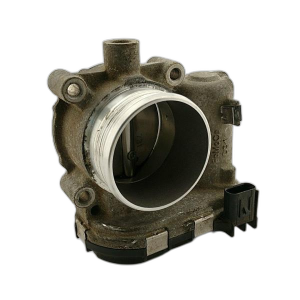
Used OEM Parts in Stock
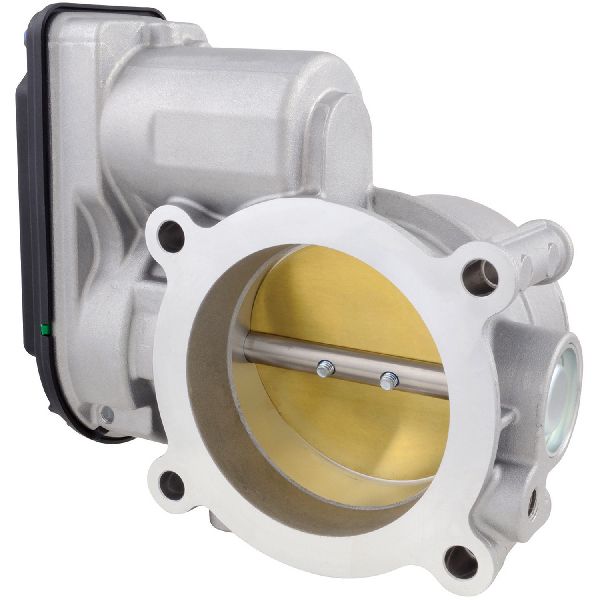
New Aftermarket Parts Available

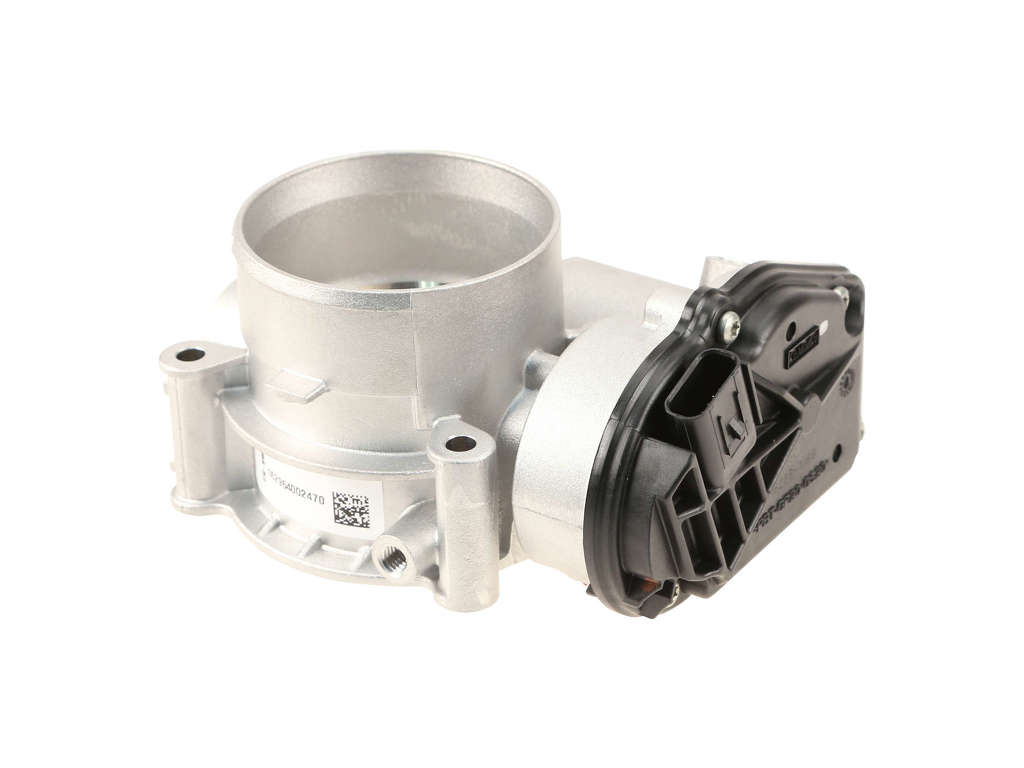

The information in this article is provided for general reference and educational purposes only. Vehicle specifications, procedures, and part compatibility can vary by production date, trim level, and region. Always consult your vehicle's factory service manual and verify part numbers before purchasing or performing repairs. Safety-critical components such as airbags, seat belts, and braking systems should be installed by a qualified professional.
- Ford Edge:
- 🧭 Diagnostic Flowchart
- 🎬 Helpful Videos
- 🛍️ Shop This Part
- What's Unique About the 2011-2014 Ford Edge
- Symptoms You May Notice
- Most Likely Causes
- Rare But Worth Checking
- Diagnosis Steps
- Parts You'll Likely Need
- Related Codes That Often Appear With This One
- Technical Service Bulletins (TSBs) & Recalls
- Platform-Specific Known Issues
- Mechanic-Grade Diagnostic Values
- Scan Tool Commands That Help
- Wiring & Ground Locations
- Real Owner Repair Stories
- OEM Part Supersession History
- Other Known Issues on This Vehicle
- Used vs. New Parts: Buying Guide for This Vehicle
- Real Owner Stories
- 2011 Ford Edge Sport 3.7L V6 — 55629 miles
- 2011-2014 Ford Edge
- 2011-2014 Ford F-150 (3.7L V6)
- NHTSA Reported Incident — ODI #10638623
- NHTSA Reported Incident — ODI #10615836
- Related OBD-II Codes
- Frequently Asked Questions
- 🎟️ Get 5% Off