

P2111 on 2010 Lincoln MKX 3.5L: Throttle Actuator Stuck Open Causes and Fixes
On a 2010 Lincoln MKX, code P2111 almost always means the electronic throttle body has failed. This is a very common issue confirmed by a manufacturer TSB and a subsequent customer satisfaction program. The only reliable fix is to replace the entire throttle body assembly, which costs around $100-$200 for the part. Cleaning the unit is not an effective repair for this specific code.
- Code P2111 on a 2010 Lincoln MKX is a direct indicator of a failed electronic throttle body, a very common problem for this vehicle confirmed by Ford.
- Do not waste time or money cleaning the throttle body; the root cause is an internal electronic failure that requires full replacement of the assembly.
- The correct, updated OEM part number is 7T4Z-9E926-FA.
- After replacement, a specific throttle body relearn procedure is necessary to ensure proper idle and performance.
What's Unique About the 2010-2010 Lincoln MKX
The 2010 Lincoln MKX, along with many other Ford and Lincoln vehicles from this era using the 3.5L Cyclone engine, has a well-documented history of premature electronic throttle body (ETB) failures. The problem was so common that Ford issued Technical Service Bulletin (TSB) 10-21-6, which directly addresses code P2111 on the 2010 MKX and instructs technicians to replace the throttle body if the engine was built between March 1, 2010, and August 3, 2010. Ford later launched Customer Satisfaction Program 13N03, extending the warranty on the throttle body to 10 years or 150,000 miles due to this known defect. The failure is typically due to an internal electronic fault within the throttle body motor, not dirt or carbon buildup, which is why cleaning the unit is not an effective repair for this code.
Symptoms You May Notice
- Vehicle enters "limp mode" with severely reduced engine power
- Illumination of the dashboard "wrench" light
- Check Engine Light is on
- Unresponsive or sluggish accelerator pedal
- Engine idle speed is lower than normal or fluctuates.
- Engine may stall when coming to a stop.
- The issue can be intermittent, with symptoms appearing and disappearing.
- Attempting to clean the throttle body. For this specific code and vehicle, the issue is almost always an internal electronic failure due to contact contamination, not carbon buildup. While extreme carbon buildup can cause sticking and temporarily trigger the code, cleaning will not solve the underlying electronic failure and the code will likely return.
- Replacing the Accelerator Pedal Position (APP) sensor. While the symptoms might seem related to the gas pedal, and in rare cases can be the cause, code P2111 specifically points to a fault within the throttle actuator system at the engine.
Most Likely Causes
- Failed Electronic Throttle Body (ETB) 🔴 High Probability → Shop Fuel Injection Throttle Body This is a widely documented failure point on this platform, confirmed by manufacturer TSB 10-21-6 and Customer Satisfaction Program 13N03. The failure is typically internal to the ETB's electronics or motor due to contamination of the contacts.
How to confirm: Confirm the presence of code P2111 (often accompanied by P2112). Given the TSB and extended warranty program, if the code is present and the vehicle is a 2010 model, the ETB is the confirmed point of failure.
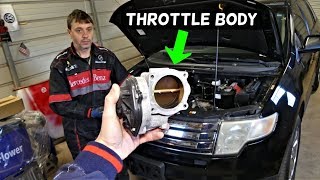
Typical fix: Replace the entire electronic throttle body assembly. 🎬 See this step-by-step throttle body removal and replacement walkthrough. Cleaning is not an effective fix for this specific failure mode.
Est. part cost: $98-$180
Rare But Worth Checking
- Wiring Harness or Connector Damage: While the ETB itself is the most common cause, it's always wise to inspect the wiring harness and connector leading to the throttle body for any signs of corrosion, damage, or loose pins before replacing parts. An open or short in the TACM+ or TACM- circuits can trigger this code. Rodent damage to this harness has also been reported as a root cause.
- Powertrain Control Module (PCM) Fault: → Shop Engine Control Module (ECM) This is extremely rare. The PCM should only be considered as a potential cause after the throttle body has been replaced with a known-good part and the wiring has been verified, yet the problem persists.
Diagnosis Steps
- Confirm the presence of code P2111 using an OBD-II scanner.
- Check for Ford/Lincoln Technical Service Bulletin (TSB) 10-21-6. This TSB directly applies to 2010 MKX models with a 3.5L engine built between 3/1/2010 and 8/3/2010.
- Also, be aware of Customer Satisfaction Program 13N03, which extended the warranty on this part to 10 years/150,000 miles, though this has likely expired.
- Visually inspect the electrical connector and wiring harness at the throttle body for any obvious damage, corrosion, rodent nesting, or loose connections. Check for opens or shorts on the TACM+ and TACM- circuits.
- Following the guidance of TSB 10-21-6, the primary diagnostic step is to replace the electronic throttle body assembly if code P2111 is present.
- After replacing the throttle body, perform the throttle body calibration/relearn procedure. While some systems learn automatically, a manual procedure may be required for immediate stable performance. 🎬 Watch: How to perform the manual throttle calibration procedure.
- Clear the DTCs with the scanner and perform a test drive to ensure the code does not return.
Parts You'll Likely Need
- Electronic Throttle Body Assembly
(OEM #7T4Z-9E926-FA)— This is the component that fails, as identified by manufacturer TSB 10-21-6 for this specific code and vehicle. This part number supersedes the earlier 7T4Z-9E926-EA.
Trusted brands: Motorcraft (OEM), Dorman (e.g., 977-588), Hitachi
OEM price range: $150-$260
Aftermarket price range: $98-$160
Related Codes That Often Appear With This One
- P2112 — P2112 is 'Throttle Actuator Control System - Stuck Closed.' Both P2111 and P2112 are common codes pointing to a failing throttle body and are often listed together in TSBs and customer satisfaction programs for this exact issue.
Technical Service Bulletins (TSBs) & Recalls
- TSB 10-21-6: Addresses DTCs P2111 or P2112, or fluctuating/low idle, by recommending the replacement of the electronic throttle body on 2010 MKX models with the 3.5L engine.
Platform-Specific Known Issues
- TSB 10-21-6 was issued by Ford for the 2010 Lincoln MKX (and other models) which specifically identifies DTC P2111 and instructs technicians to replace the throttle body for vehicles with an engine build date between 3/1/2010 and 8/3/2010.
- Customer Satisfaction Program 13N03 was later issued, extending the warranty coverage for the electronic throttle body to 10 years or 150,000 miles from the warranty start date due to the high failure rate from internal contact contamination.
Mechanic-Grade Diagnostic Values
- Live Scan Tool Data: Desired vs. Actual Throttle Position — expected: The actual throttle position percentage should closely match the desired (commanded) throttle position percentage.. Failure: A significant deviation between the desired and actual values. For example, a log from a failing truck showed a desired position of 5% while the actual position was stuck at 22%.
Scan Tool Commands That Help
- Ford IDS (Integrated Diagnostic System): Throttle Position Sensor (TPS) Calibration / Reset — This is the dealership-level tool used to perform a forced relearn or calibration of a new throttle body if the manual procedures are not successful.
- Professional Scan Tool (e.g., AutoEnginuity with Ford extensions): Live Data Logging (Graphing) — Used to graph the 'Desired Throttle Position' vs. 'Actual Throttle Position' PIDs to visually confirm if the throttle plate is physically sticking or not responding to PCM commands.
Wiring & Ground Locations
- Throttle Body Connector — Directly on the electronic throttle body assembly, where the engine wiring harness connects.. This connector and its wiring are the primary electrical interface. An open or short on the Throttle Actuator Control Motor circuits (TACM+ and TACM-) will set a P2111 code. It is also a potential site for corrosion or rodent damage.
- Smart Junction Box (SJB) / Passenger Fuse Panel — Located behind a trim panel in the driver's side footwell, near the parking brake.. This panel contains fuses and relays that supply power to various vehicle modules, including the PCM which controls the throttle body. While a specific fuse isn't typically the cause, it's a central point for electrical diagnosis.
- Power Distribution Box — Located in the engine compartment on the left (driver's) side.. Contains the main fuses and relays for engine and powertrain components. A fault here could affect power to the PCM and its control over the throttle system.
Real Owner Repair Stories
- Ford F150 Forum user (2012 Ford F-150 3.7L with 180k miles) — Intermittent limp mode with wrench light, code P2111 would appear but clear on restart.
❌ Tried (didn't work) A thorough cleaning of the throttle body provided a temporary fix for a few days, but the P2111 code and limp mode eventually returned.
✅ What actually fixed it Replacing the entire electronic throttle body assembly with a new unit resolved the issue permanently. - Ford F150 Forum user (Ford F-150 (year not specified)) — Wrench light, limp mode, fuel light on. Code P2111 present.
❌ Tried (didn't work) Replacing the throttle body assembly did not fix the problem., Performing a PCM reset by jumping the battery cables did not fix the problem.
✅ What actually fixed it The user discovered that rodents had chewed through the wiring harness leading to the throttle body. Splicing and repairing the damaged wires was the final fix.
When the Usual Fixes Don't Work
- While the vast majority of P2111 codes on this platform are fixed by replacing the throttle body, there are documented cases where the issue persisted. In one instance, the root cause was found to be rodent damage to the wiring harness leading to the throttle body connector. In another, a faulty accelerator pedal assembly was the culprit, though this was accompanied by other codes. This underscores the importance of inspecting the wiring harness thoroughly before condemning the PCM if a new throttle body does not resolve the code.
OEM Part Supersession History
7T4Z-9E926-EA→7T4Z-9E926-FA— The original part was prone to premature failure due to internal electronic faults, as documented in TSB 10-21-6. The new part is the revised, more reliable version.
Model Year Variations Within This Range
- 2010: TSB 10-21-6 specifically applies to vehicles with a 3.5L engine build date between March 1, 2010, and August 3, 2010. The vehicle's manufacturing date can be found on the driver's side door jamb label and can be used as a strong indicator.
Diagnostic Flowchart
Used vs. New Parts: Buying Guide for This Vehicle
When a used part is the smart pick: Buying a used throttle body for this repair is highly discouraged due to the well-documented high failure rate of the original part design. It only makes sense if you can personally verify the used part is the updated OEM part number (7T4Z-9E926-FA) and it comes from a very low-mileage, non-collision donor vehicle.
Donor-vehicle mileage cap: roughly under 50000 miles for the part to have meaningful remaining life.
What to inspect on the donor part:
- Verify the part number sticker reads '7T4Z-9E926-FA'. Do not buy the older '-EA' version.
- Inspect the electrical connector pins for any signs of corrosion, bending, or damage.
- Ensure the throttle plate moves smoothly by hand (with the unit disconnected) and is not physically damaged.
- Avoid parts from vehicles that show signs of flood or front-end damage.
OEM-only on this vehicle (don't cheap out):
- Electronic Throttle Body
Aftermarket brands forum-validated for this vehicle:
- Motorcraft (OEM) is the most recommended and reliable choice.
Brands owners have reported issues with on this vehicle:
- While brands like Dorman (977-588) exist, there is insufficient positive feedback from owner forums to confidently recommend them over the updated OEM part for this specific, critical failure. Given the safety implications of limp mode, sticking with the OEM revised part is the wisest choice.
Real Owner Stories
Aggregated from forums and TSBs cited above. Mileages and costs reflect what owners reported in those sources.
2007-2010 Ford Edge 3.5L
Symptoms: Owner experienced diagnostic trouble code P2111 and questioned if low voltage could be the cause.
What fixed it: The community consensus pointed towards a likely failure of the electronic throttle body, which is the common cause for this code on this platform.
Source hint: FordEdgeForum.com thread titled 'can-low-voltage-issues-cause-code-p2111/'
Related OBD-II Codes
Frequently Asked Questions
Is there a recall or special warranty for the P2111 throttle body issue on my 2010 Lincoln MKX?
My 2010 MKX has an engine build date of May 2010. Does TSB 10-21-6 apply to my vehicle?
Can I just clean the electronic throttle body to fix the 'limp mode' and P2111 code?
If I replace the throttle body myself, does the new part need to be programmed by a dealer?
What's the best replacement throttle body to buy for my MKX to avoid this happening again?
My MKX suddenly lost power, the wrench light came on, and the accelerator pedal is unresponsive. Is this the P2111 issue?
Helpful Videos

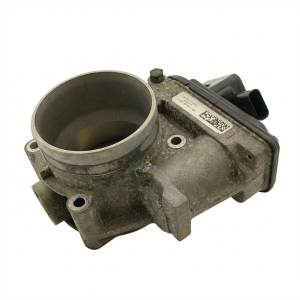
Used OEM Parts in Stock
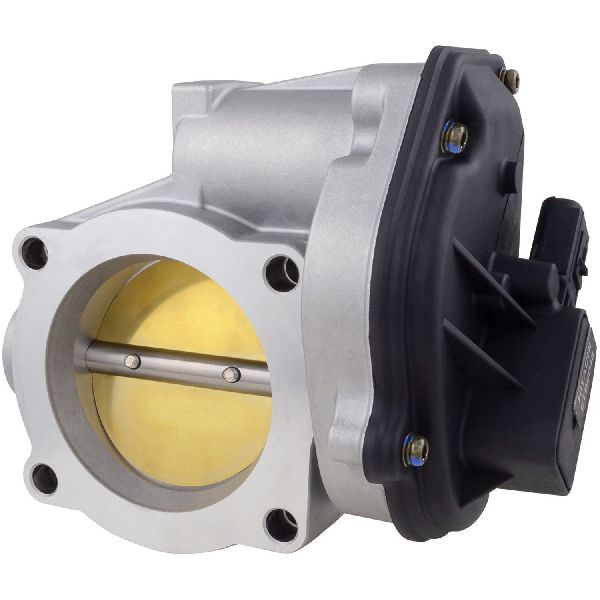
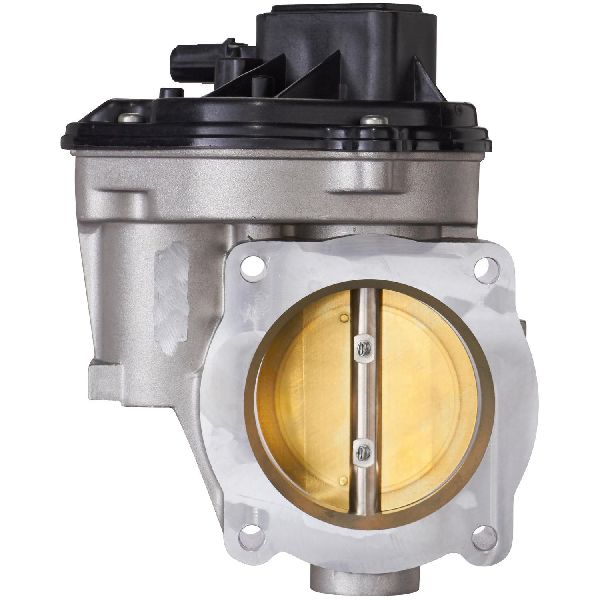
New Aftermarket Parts Available


The information in this article is provided for general reference and educational purposes only. Vehicle specifications, procedures, and part compatibility can vary by production date, trim level, and region. Always consult your vehicle's factory service manual and verify part numbers before purchasing or performing repairs. Safety-critical components such as airbags, seat belts, and braking systems should be installed by a qualified professional.
- Lincoln MKX:
- 🧭 Diagnostic Flowchart
- 🎬 Helpful Videos
- 🛍️ Shop This Part
- What's Unique About the 2010-2010 Lincoln MKX
- Symptoms You May Notice
- Most Likely Causes
- Rare But Worth Checking
- Diagnosis Steps
- Parts You'll Likely Need
- Related Codes That Often Appear With This One
- Technical Service Bulletins (TSBs) & Recalls
- Platform-Specific Known Issues
- Mechanic-Grade Diagnostic Values
- Scan Tool Commands That Help
- Wiring & Ground Locations
- Real Owner Repair Stories
- When the Usual Fixes Don't Work
- OEM Part Supersession History
- Model Year Variations Within This Range
- Used vs. New Parts: Buying Guide for This Vehicle
- Real Owner Stories
- 2007-2010 Ford Edge 3.5L
- Related OBD-II Codes
- Frequently Asked Questions
- 🎟️ Get 5% Off