

P2111 on 2010-2015 Toyota Prius: Throttle Stuck Open Causes and Fixes
On a 2010-2015 Prius, P2111 means the throttle is stuck open, causing a severe 'limp mode'. The most likely fix is cleaning the throttle body of carbon buildup. If it occurs in freezing weather with code P0A0F, an updated intake manifold is needed per a Toyota TSB. If cleaning doesn't work, the throttle body assembly itself has likely failed.
- P2111 is a critical code on a Prius that will make the car undrivable; do not ignore it.
- Before buying any parts, spend $10 on throttle body cleaner and thoroughly clean the throttle plate and bore, as this is the most common fix.
- If the code appeared in freezing weather and was accompanied by a P0A0F code, the problem is likely a known issue requiring an updated intake manifold (TSB T-SB-0103-12 Rev2).
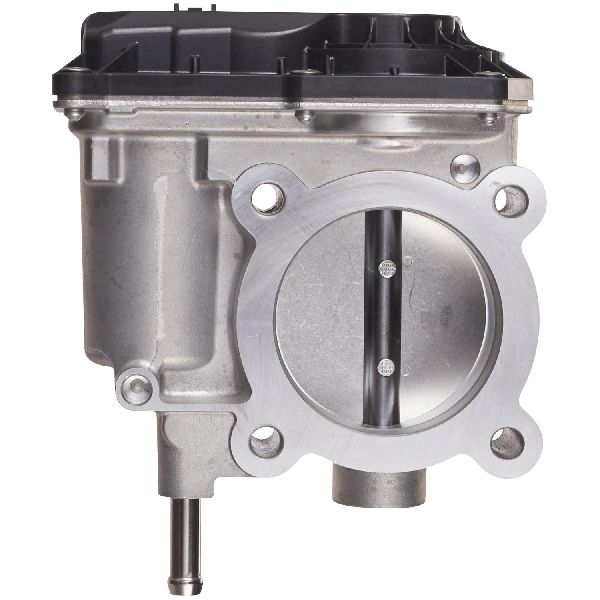
- If cleaning doesn't work and the weather isn't cold, the entire throttle body assembly (P/N 22030-37060) likely needs to be replaced.
What's Unique About the 2010-2015 Toyota Prius
The 2010-2015 Prius is highly prone to this code for two main reasons. First, its EGR (Exhaust Gas Recirculation) and PCV systems can lead to significant carbon buildup, physically gumming up the throttle body. Second, and more uniquely, these models are subject to a Technical Service Bulletin (TSB-0103-12 Rev2) for an issue where moisture freezes inside the intake manifold in cold weather, causing the throttle to stick and triggering P2111, often with a P0A0F 'Engine Failed to Start' code.
Symptoms You May Notice
- Check Engine Light is on
- "Check Hybrid System" message on the dash
- Vehicle enters 'limp mode' with severely reduced engine power and speed
- Car may struggle to accelerate past a few miles per hour, sometimes as low as 1 mph
- Engine may stall when coming to a stop
- Vehicle may be shaky or rough when the issue occurs
- Replacing the accelerator pedal position sensor. P2111 indicates a problem with the throttle body's response, not the driver's input from the pedal.
- Assuming a no-start condition is a bad fuel pump, especially when P0A0F is also present. The root cause is often the throttle/intake issue preventing the engine from starting correctly.
- Replacing the MAF sensor. While cleaning the MAF sensor is good practice during this repair, it is not the cause of a P2111 code.
Most Likely Causes
- Dirty or Carbon-Clogged Throttle Body 🔴 High Probability → Shop Fuel Injection Throttle Body The 2ZR-FXE engine's EGR and PCV systems can circulate oily carbon deposits back into the intake, which accumulate on the throttle plate and bore, causing it to stick. This is a very common first point of failure leading to P2111.
How to confirm: Remove the air intake hose from the throttle body. Visually inspect the throttle plate and the inside of the throttle body for a thick, black layer of carbon. Manually try to move the plate by rotating the spring mechanism; it should move smoothly and spring back without binding or feeling gritty.
Typical fix: Thoroughly clean the throttle body plate and bore using a dedicated throttle body cleaner, a soft cloth, and a soft brush. Do not spray cleaner directly down the intake. Disconnecting the 12V battery for a few minutes to reset the ECU is also recommended.
Est. part cost: $5-$15 - Intake Manifold Icing (Cold Weather Issue) 🟡 Medium Probability → Shop Engine Intake Manifold A known design issue allows moisture to collect and freeze inside the intake manifold in temperatures below 23°F (-5°C), preventing the throttle from moving freely. This is documented in Toyota TSB T-SB-0103-12 Rev2.
How to confirm: Check if code P0A0F ('Engine Failed to Start') is also present. Review the freeze-frame data with a scan tool to see if the ambient temperature was below 23°F (-5°C) when the code was set. This is a strong indicator of the TSB condition.
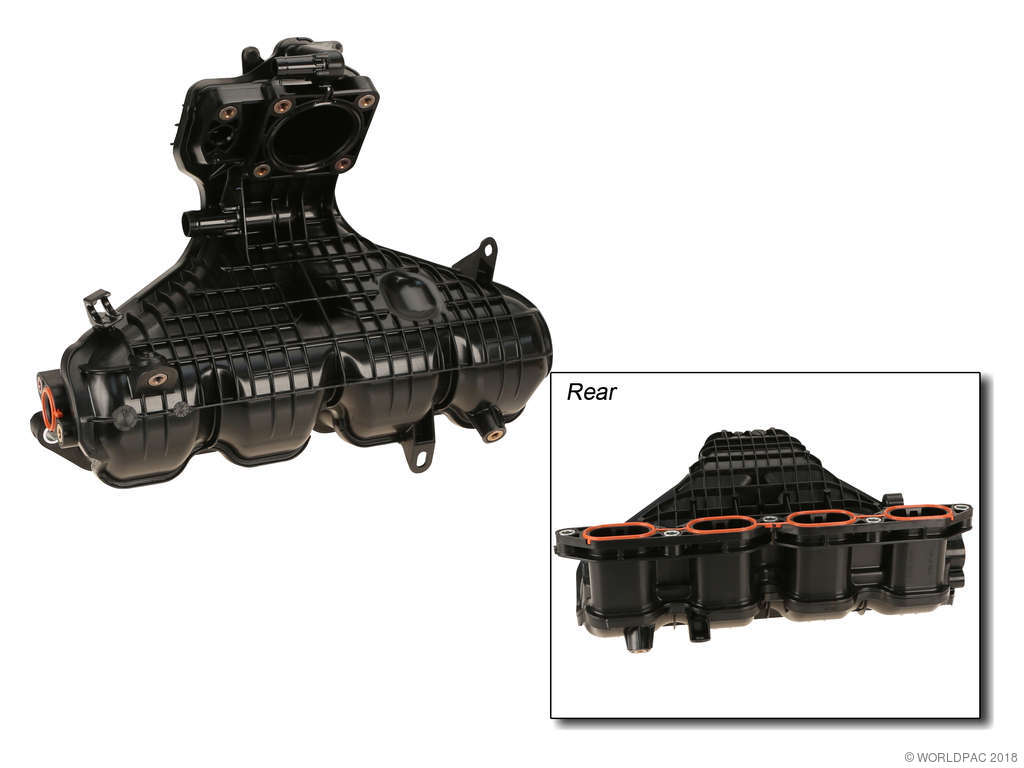
Typical fix: Replace the original intake manifold with an updated part (P/N 17120-37091) as specified in the TSB. An ECM software update may also be required as part of the TSB procedure. The TSB notes that if the existing manifold is already part number 17120-37090, it does not need replacement as it contains the update.
Est. part cost: $200-$400 - Failed Throttle Body Assembly ⚪ Low Probability → Shop Fuel Injection Throttle Body While durable, the internal electronic motor or position sensor can fail over time, often intermittently. This is often the cause if cleaning the throttle body does not resolve the issue or if the code returns shortly after. Forum users report that cleaning provides only a temporary fix before the code returns, ultimately requiring replacement.
How to confirm: If the code returns quickly after a thorough cleaning and the TSB for cold weather does not apply, the throttle body itself is the likely culprit. A technician can use a scan tool like Toyota Techstream to perform an 'Active Test' to command the throttle motor and watch its response to confirm a failure.
Typical fix: Replace the entire throttle body assembly. An idle relearn procedure may be needed after installation, which can sometimes be accomplished by disconnecting the 12V battery for several minutes.
Est. part cost: $150-$500
Rare But Worth Checking
- Wiring or Connector Issue: Damage to the wiring harness or corrosion in the connector at the throttle body can interrupt the signal from the ECM. This is uncommon but worth inspecting, especially if the vehicle has been in an accident or had other engine work done. Check for a solid 'click' when reconnecting the harness.
- Poor ECM Ground Connection: A corroded or loose engine ground wire can cause a wide range of erratic electronic issues, including improper function of the throttle body. There are main ground wire clusters that bolt to the engine itself; ensuring these are clean and tight can resolve mysterious electronic faults.
Diagnosis Steps
- Scan for all diagnostic trouble codes. Note if P0A0F is present alongside P2111.
- If P0A0F is present, check the freeze-frame data for the ambient temperature when the code was set. If below 23°F (-5°C), the issue is almost certainly the intake manifold icing described in TSB T-SB-0103-12 Rev2.
- If P2111 is the only code, or if the temperature was warm, the next step is to inspect the throttle body.
- Disconnect the 12V battery. Remove the air intake hose connected to the throttle body.
- Visually inspect the throttle plate and bore for heavy carbon buildup.
- Using a dedicated throttle body cleaner and a clean rag (do not use abrasive materials), thoroughly clean all carbon from the plate and bore. Manually open the plate by rotating the external spring mechanism to clean all surfaces.
- Inspect the electrical connector on the throttle body for corrosion, damage, or loose pins. Ensure the wiring harness is secure.
- Reassemble the intake, reconnect the battery, and clear the codes. Start the vehicle and perform a test drive. The engine may idle roughly for a minute as it burns off the cleaner.
- If the code returns, especially within a short drive, the throttle body assembly itself has likely failed and requires replacement.
Parts You'll Likely Need
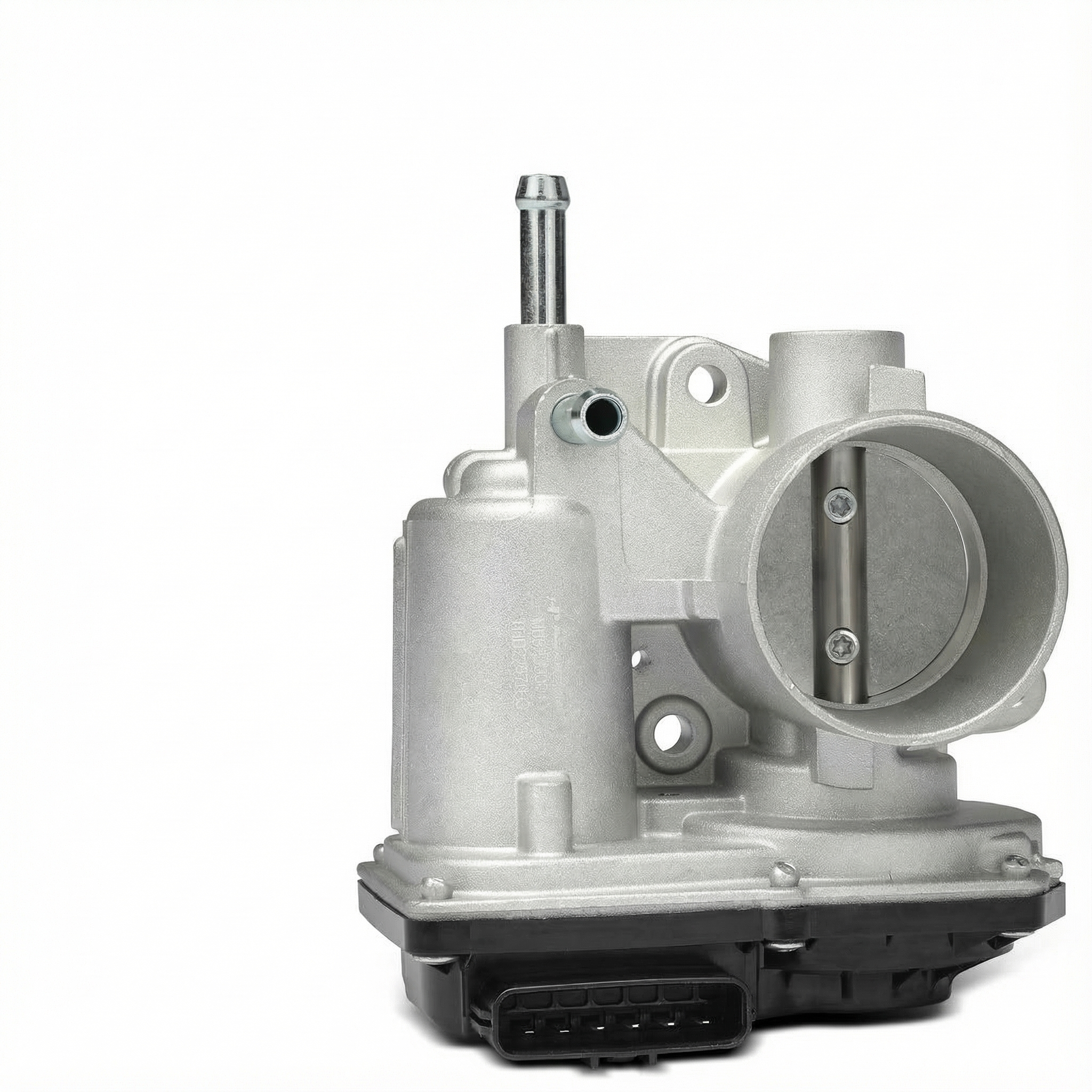
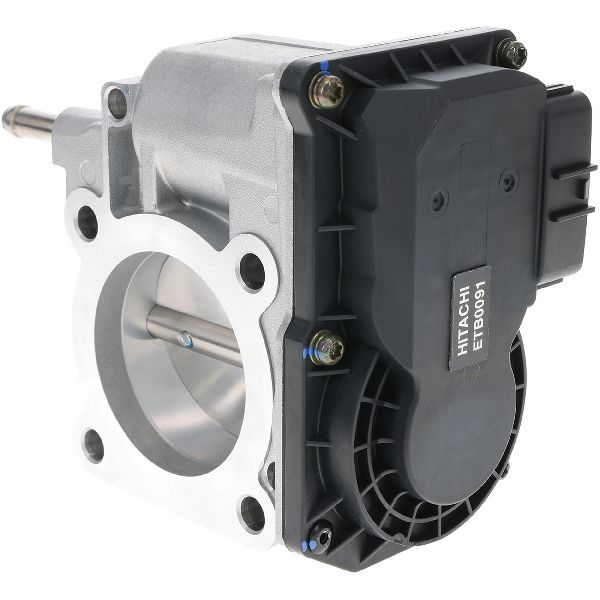
- Throttle Body Assembly
(OEM #22030-37060)— This is the correct replacement part if cleaning the original unit does not fix the code. The internal motor or sensor fails, requiring replacement of the whole unit.
Trusted brands: Toyota (OEM), Aisin, Denso
OEM price range: $350-$500
Aftermarket price range: $150-$300 - Intake Manifold Assembly
(OEM #17120-37091)— This is the updated part required to fix the cold-weather icing issue described in TSB T-SB-0103-12 Rev2.
Trusted brands: Toyota (OEM)
OEM price range: $200-$400
Aftermarket price range: $150-$250 - Throttle Body Cleaner — This is the first and cheapest step in fixing the issue, used to remove carbon buildup that causes the throttle plate to stick.
Trusted brands: CRC, WD-40 Specialist, Gumout
OEM price range: $5-$15
Aftermarket price range: $5-$15
Related Codes That Often Appear With This One
- P0A0F — This 'Engine Failed to Start' code is specifically linked with P2111 in Toyota's TSB T-SB-0103-12 Rev2 for the cold-weather intake manifold icing issue.
Technical Service Bulletins (TSBs) & Recalls
- T-SB-0103-12 Rev2: Addresses a MIL 'ON' condition with DTCs P2111 and P0A0F present when ambient temperatures are below 23°F (-5°C) due to moisture freezing in the intake manifold. The fix involves a new intake manifold (P/N 17120-37091) and potentially an ECM logic update.
- L-SB-0061-12 Rev2: A parallel TSB for the Lexus CT200h, which shares the same 2ZR-FXE engine, confirming the platform-wide nature of the cold-weather issue.
Platform-Specific Known Issues
- A known design flaw addressed by Toyota TSB T-SB-0103-12 Rev2 can cause moisture to freeze inside the intake manifold in very cold weather, leading to codes P2111 and P0A0F. The official fix is an updated intake manifold.
Mechanic-Grade Diagnostic Values
- Throttle Actuator Motor Resistance — expected: 0.3 to 100 Ω (when cold). Failure: A resistance reading far outside this range (e.g., 170+ Ω) indicates a failed motor, which can be intermittent and only show up when the engine is hot.
- Fail-Safe Throttle Angle — expected: Approximately 6° to 16°. Failure: This is not a failure value, but the predetermined angle the throttle plate is forced to by a spring when the ECM cuts power to the motor due to a fault like P2111. The ECM then uses fuel cut and ignition timing to control speed.
Scan Tool Commands That Help
- Toyota Techstream: Active Test: Control the Throttle Opening Angle — This bidirectional test is crucial for confirming a failed throttle body. It allows a technician to command the throttle plate to open and close with the engine off. If the live data for throttle position does not match the commanded angle, or if the plate does not move, it confirms a fault within the throttle body assembly itself.
- Toyota Techstream: Data List: Throttle Position Sensor Voltage / Throttle Motor Current — Use this to monitor live data from the throttle position sensor and the current draw of the actuator motor. This helps confirm if the sensor is reporting the correct position and if the motor's current draw is within the expected range during operation.
Wiring & Ground Locations
- Engine Ground Cluster 1 — On the engine block, near the top, where a cluster of black ground wires from the main harness bolts down.. A poor connection at this primary engine ground can cause a wide range of erratic electronic issues, including incorrect signals to and from the ECM which controls the throttle body.
- Engine Ground Cluster 2 — A second cluster of ground wires that bolts to the engine block. On the 2ZR-FXE, there are two main grounding points on the engine itself for the harness.. Similar to the first cluster, ensuring this point is clean and tight is critical for stable operation of all engine electronics, including the Electronic Throttle Control System (ETCS).
- Throttle Body Connector — A 6-pin rectangular connector directly on the throttle body assembly.. This is the direct connection point for the throttle motor and position sensors. The two larger pins are for the motor (M+ and M-). The other four are for the dual throttle position sensors. Checking for voltage, ground, and resistance at these specific pins is the primary way to diagnose the electrical integrity of the circuit.
Real Owner Repair Stories
- PriusChat forum user (2010 Prius, 290k miles) — P2111 and P0A0F codes, limp mode. Issue started in cold weather (0°F).
❌ Tried (didn't work) Replacing the Throttle Body and MAF sensor.
✅ What actually fixed it The user replaced the throttle body, but the code returned in very cold weather. The final resolution pointed to the cold-weather TSB (T-SB-0103-12 Rev2), indicating the intake manifold was the true root cause, as the problem was temperature-dependent even with a new throttle body. - YouTube channel 'Fixing cars and stuff' (Toyota Sienna with similar ETCS logic) — Intermittent P2111 and P2112 codes, vehicle enters limp mode (10 mph max) only when hot. Runs fine when cold.
❌ Tried (didn't work) Testing the throttle body motor resistance when the engine was cold (it showed within spec).
✅ What actually fixed it The mechanic re-tested the throttle body motor's resistance when the engine was hot and the fault was active. The resistance measured ~172 ohms, far outside the 0.3-100 ohm spec. The internal motor windings were failing intermittently due to heat. Replacing the entire throttle body assembly permanently fixed the issue.
OEM Part Supersession History
Various older intake manifolds→17120-37091— Updated design to prevent moisture from collecting and freezing near the throttle body, which causes P2111 and P0A0F in cold weather.
Heads up: The TSB specifies that if the manifold is already part number 17120-37090, it contains the updated design and does not need to be replaced.
Diagnostic Flowchart
Other Known Issues on This Vehicle
Issues unrelated to this code that are worth knowing about as an owner of this generation:
- Excessive Oil Consumption 🔴 High — Common in earlier models (2010-2014), especially at higher mileage. Caused by piston ring design. Toyota specified new pistons/rings for 2015 models. (Ref: T-SB-0169-16 (describes the repair))
- Clogged EGR Circuit & Head Gasket Failure 🔴 High — Very common across all 2010-2015 models. The EGR cooler and intake manifold passages clog with carbon, leading to engine knock and eventually head gasket failure if not cleaned preventatively (e.g., every 60-90k miles).
- Brake Booster / Actuator Failure 🔴 High — Common enough to prompt multiple recalls and warranty extensions. A crack can develop in the brake booster pump assembly, leading to a loss of braking assist. (Ref: Recall (e.g., for 2010 models) and Warranty Extension Program ZJB (for 2010-2015 models).)
- Hybrid Inverter Failure 🔴 High — A known issue where the Intelligent Power Module (IPM) in the inverter can overheat and fail, causing the vehicle to stall or enter limp mode. (Ref: Multiple recalls (e.g., 14V053000, 18V684000) and a 15-year unlimited mileage warranty enhancement were issued.)
- Center Multi-Function Display Failure 🟡 Low — The main screen can fail due to poorly soldered internal connections, causing it to go blank.
Used vs. New Parts: Buying Guide for This Vehicle
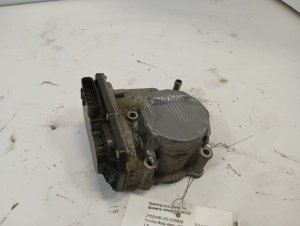
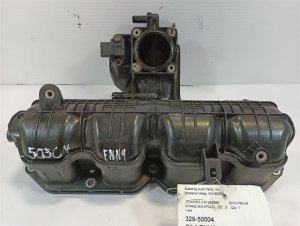
When a used part is the smart pick: A used throttle body or intake manifold from a reputable salvage yard is a very reasonable choice for this repair, especially given the high cost of new OEM parts. Many owners report success with used parts.
Donor-vehicle mileage cap: roughly under 120000 miles for the part to have meaningful remaining life.
What to inspect on the donor part:
- For a throttle body, check for a clean throttle plate and bore; excessive carbon may suggest a poorly maintained donor vehicle.
- Ensure the electrical connector and pins are free of corrosion or damage.
- For an intake manifold, confirm you are getting the updated part number (17120-37091 or 17120-37090) if you are addressing the cold weather TSB.
- Buy from a seller that offers a short warranty (e.g., 30-90 days) to protect against a DOA part.
Aftermarket brands forum-validated for this vehicle:
- Aisin (often the OEM supplier for Toyota)
- Denso (OEM supplier)
- NGK
- Nissens
Brands owners have reported issues with on this vehicle:
- No-name, unbranded parts from online marketplaces should be avoided, as the quality of the internal electronics is critical and often poor in cheap copies.
Real Owner Stories
Aggregated from forums and TSBs cited above. Mileages and costs reflect what owners reported in those sources.
2005 Toyota Prius
Symptoms: Vehicle entered a fail-safe mode with severely reduced speed, struggling to accelerate past 1 mph. The owner attempted to clean the throttle body and inspect internal gears, but the problem remained intermittent.
What fixed it: The owner determined that when cleaning and gear inspection fail to resolve the intermittent code, the entire throttle body assembly must be replaced.
Source hint: PriusChat [P2111 code and fail safe mode]
2010 Toyota Prius 1.8L
Symptoms: The Check Engine Light was on with code P2111. The owner cleaned both the throttle body and the MAF sensor, but the code returned after only one hour of driving.
What fixed it: Replacement of the throttle body assembly.
Source hint: Reddit (r/autorepair) [Replacing throttle body help needed]
Related OBD-II Codes
Frequently Asked Questions
My 2010 Prius is showing P2111 and P0A0F in freezing weather. Is there an official fix?
Can I just clean the throttle body on my 2ZR-FXE engine to fix P2111?
Is the Lexus CT200h prone to the same P2111 sticking throttle issue?
What part number should I look for to ensure my Prius has the updated intake manifold?
Why does my Prius enter a 'limp mode' where it only goes 1 mph when P2111 triggers?
Could my P2111 code be related to the common Prius oil consumption issue?
Used OEM Parts in Stock
New Aftermarket Parts Available

The information in this article is provided for general reference and educational purposes only. Vehicle specifications, procedures, and part compatibility can vary by production date, trim level, and region. Always consult your vehicle's factory service manual and verify part numbers before purchasing or performing repairs. Safety-critical components such as airbags, seat belts, and braking systems should be installed by a qualified professional.
- Toyota Prius:
- 🧭 Diagnostic Flowchart
- 🛍️ Shop This Part
- What's Unique About the 2010-2015 Toyota Prius
- Symptoms You May Notice
- Most Likely Causes
- Rare But Worth Checking
- Diagnosis Steps
- Parts You'll Likely Need
- Related Codes That Often Appear With This One
- Technical Service Bulletins (TSBs) & Recalls
- Platform-Specific Known Issues
- Mechanic-Grade Diagnostic Values
- Scan Tool Commands That Help
- Wiring & Ground Locations
- Real Owner Repair Stories
- OEM Part Supersession History
- Other Known Issues on This Vehicle
- Used vs. New Parts: Buying Guide for This Vehicle
- Real Owner Stories
- 2005 Toyota Prius
- 2010 Toyota Prius 1.8L
- Related OBD-II Codes
- Frequently Asked Questions
- 🎟️ Get 5% Off