

P2111 on 2012-2016 Toyota Prius V: Causes and Fixes for Throttle System Faults
On a 2012-2016 Prius V, code P2111 is most often caused by a known issue with the intake manifold in cold weather, as outlined in a Toyota TSB. The fix is an updated intake manifold. Other causes include a dirty or faulty throttle body.
- For a 2012-2016 Prius V, P2111 is very often linked to a specific cold-weather issue outlined in Toyota TSB T-SB-0103-12 Rev2.
- If the code appears in winter along with a P0A0F (Engine Failed to Start) code, the most likely fix is replacing the intake manifold with an updated part (P/N 17120-37054).
- If the code appears in warmer weather or by itself, the first step should be to thoroughly clean the throttle body.
- Driving with this code is unsafe as the vehicle will have severely limited power and may stall, posing a safety risk.
- If cleaning the throttle body doesn't work, replacement of the entire assembly is the next logical step.
What's Unique About the 2012-2016 Toyota PRIUS V
The 2012-2016 Prius V, with its 2ZR-FXE engine, is uniquely susceptible to this code in cold climates. Toyota issued a Technical Service Bulletin (TSB T-SB-0103-12 Rev2) acknowledging that in temperatures below 23°F (-5°C), these vehicles can set P2111 along with P0A0F (Engine Failed to Start) due to moisture freezing within the original intake manifold design. This makes the intake manifold a primary suspect if the code appears in winter, a situation not common to most other vehicles which often point to throttle body icing or direct electronic failure.
Diagnostic Flowchart
Tap your situation to follow the diagnostic path that matches what you're seeing on this vehicle.
Symptoms You May Notice
- Check Engine Light is on
- "Check Hybrid System" message on the dash
- Vehicle enters 'limp mode' (severely reduced power)
- Engine fails to start, especially in cold weather
- High or fluctuating idle speed, sometimes over 1200 RPM
- Vehicle may stall, particularly when coming to a stop
- Unresponsive or sluggish accelerator pedal
- Sudden acceleration surges (in rare cases)
- Replacing the accelerator pedal position sensor. This sensor tells the ECM what the driver wants, but P2111 indicates a problem with the throttle body *responding* to the command.
- Assuming any no-start condition is the fuel pump. When P2111 is present with P0A0F, the root cause is often related to the throttle/intake system, not fuel delivery.
Most Likely Causes
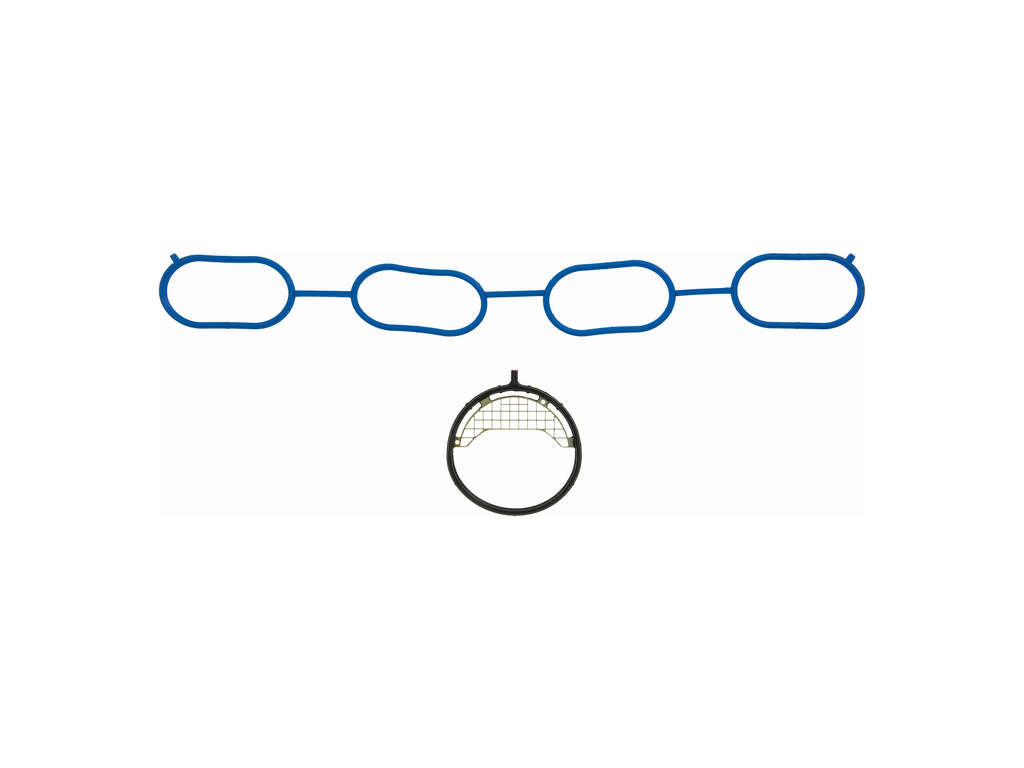
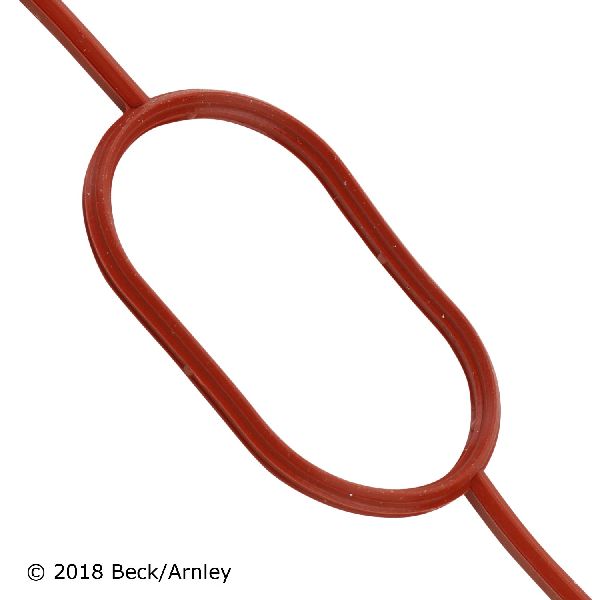
- Intake Manifold Issue in Cold Weather 🔴 High Probability → Shop Engine Intake Manifold A known design flaw documented by Toyota in TSB T-SB-0103-12 Rev2. In ambient temperatures below 23°F (-5°C), moisture can freeze inside the manifold, causing the throttle to stick and trigger P2111 and P0A0F simultaneously.
How to confirm: Check freeze frame data for the ambient temperature when the code was set. If it was below 23°F and code P0A0F is also present, this is the most likely cause. The part number of the manifold can be found on top of intake runner #4 to see if it's an older version.
Typical fix: Replace the intake manifold with the updated part (latest P/N 17120-37054). The TSB also calls for checking if an ECM logic update is needed, which requires Toyota's Techstream software.
Est. part cost: $250-$360 - Dirty or Sticking Throttle Body 🟡 Medium Probability → Shop Fuel Injection Throttle Body Carbon and oil vapor from the PCV system can build up in the throttle body over time, causing the throttle plate to bind and not close properly. This can happen in any weather condition.
How to confirm: Remove the intake air hose from the throttle body and visually inspect the throttle plate and bore for black carbon deposits. With the engine off, check if the plate moves smoothly or binds. A user on PriusChat noted that even after cleaning, their throttle valve was visibly not closing correctly, indicating a deeper failure.
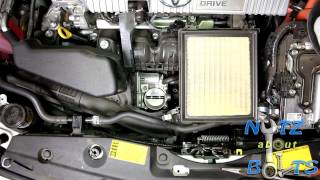
Typical fix: Clean the throttle body bore and plate thoroughly with a dedicated throttle body cleaner and a soft brush or rag. 🎬 See how to properly clean the throttle body and plate. After cleaning, an idle relearn procedure may be necessary, which can sometimes be accomplished by driving the vehicle for a few miles.
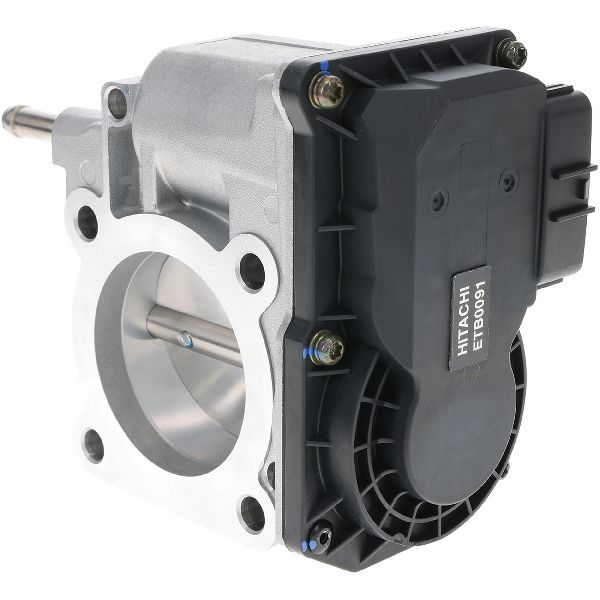
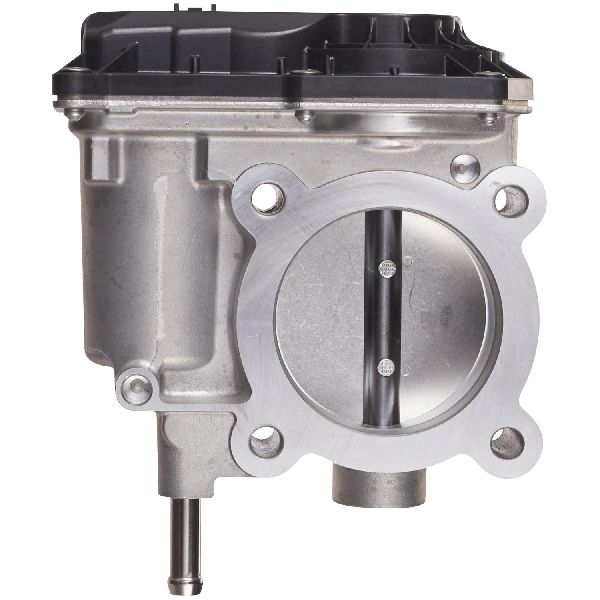
Est. part cost: $10-$20 - Failed Throttle Body Assembly ⚪ Low Probability → Shop Fuel Injection Throttle Body The internal motor, position sensor, or plastic gears within the throttle body assembly can fail electronically or mechanically over time, leading to intermittent or permanent failure.
How to confirm: If the throttle body is clean and moves freely but the code persists, the fault is likely internal. A technician can use a scan tool to command the throttle open and closed to test the motor's response. Intermittent failure when hot is a common symptom. A PriusChat owner confirmed that replacing the throttle body solved both P2111 and P0A0F codes after cleaning did not work.
Typical fix: Replace the entire throttle body assembly. An idle relearn procedure is often required after installation, which may involve disconnecting the 12V battery or using a scan tool.
Est. part cost: $400-$720
Rare But Worth Checking
- Wiring or Connector Issue: Damage to the wiring harness or a poor connection at the throttle body connector can interrupt the signal between the ECM and the throttle motor, causing this code. Check for corrosion or loose pins in the connector.
- Powertrain Control Module (PCM) Fault: → Shop Engine Control Module (ECM) While very rare, the ECM itself can fail or require a software update as specified in TSB T-SB-0103-12 Rev2. This should only be considered after all other possibilities have been exhaustively ruled out.
Diagnosis Steps
- Connect a scan tool (preferably Toyota Techstream) and check for any other DTCs, paying close attention to P0A0F.
- Review the freeze frame data to see the engine conditions when the code was set, especially the ambient temperature.
- If the temperature was below 23°F (-5°C) and P0A0F is present, suspect the intake manifold per TSB T-SB-0103-12 Rev2. Inspect the part number on the manifold; if it is 17120-37050, -37051, -37052, or -37053, it is an outdated version.
- If TSB conditions are not met, turn the vehicle off and remove the air intake tube from the throttle body.
- Visually inspect the throttle plate and bore for heavy carbon buildup.
- If dirty, clean it thoroughly with throttle body cleaner and a soft cloth. Do not spray cleaner directly on electrical components.
- After cleaning, perform an idle relearn procedure. This may involve disconnecting the 12V battery for a few minutes or driving the vehicle at various speeds to allow the ECM to adapt.
- If the throttle body is clean and the code returns, inspect the wiring harness and connector for any visible damage, corrosion, or loose pins.
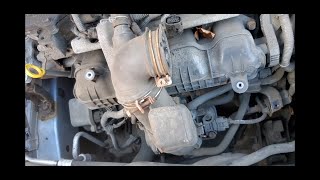
- If no issues are found, the throttle body assembly itself is likely faulty and requires replacement. A PriusChat user reported that even after cleaning, the valve was visibly misaligned, and replacement was the only fix. 🎬 Watch: How to diagnose and replace a faulty throttle body.
Parts You'll Likely Need
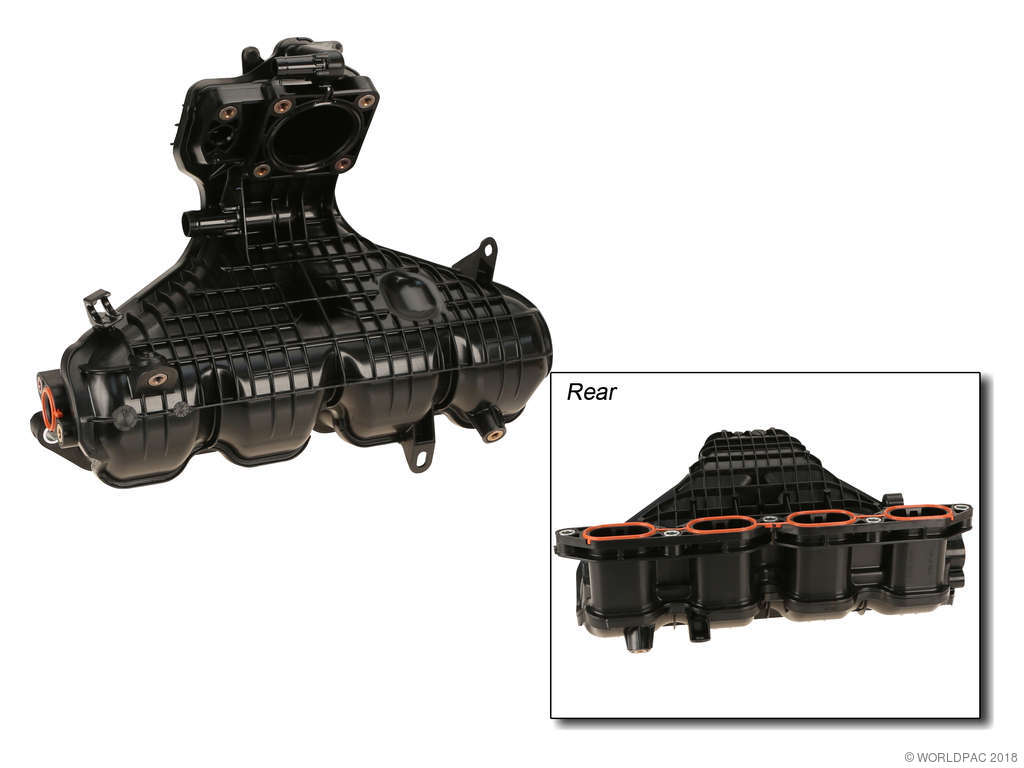
- Intake Manifold Assembly
(OEM #17120-37054)— This is the updated part from Toyota designed to fix the cold-weather issue described in TSB T-SB-0103-12 Rev2. It supersedes several previous part numbers.
Trusted brands: Toyota (Genuine)
OEM price range: $250-$360 - Throttle Body Assembly
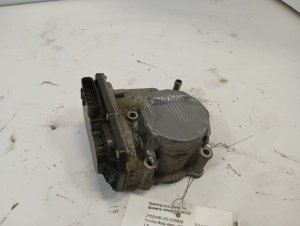
(OEM #22030-37060)— If cleaning the throttle body doesn't resolve the issue, the entire unit, which contains the non-serviceable motor and sensor, needs to be replaced.
Trusted brands: Toyota (Genuine), Aisan, Dorman, SKP
OEM price range: $480-$720
Aftermarket price range: $90-$400
Related Codes That Often Appear With This One
- P0A0F — Stands for 'Engine Failed to Start.' This code is specifically linked with P2111 in Toyota's TSB T-SB-0103-12 Rev2 for the cold weather intake manifold issue.
Technical Service Bulletins (TSBs) & Recalls
- T-SB-0103-12 Rev2: Describes a condition where 2012-2016 Prius V models may set DTCs P2111 and P0A0F in very cold weather due to an intake manifold issue. The fix involves an updated manifold and potentially an ECM software update. This TSB also applies to other 2ZR-FXE powered models.
- L-SB-0061-12 Rev2: A parallel TSB for the Lexus CT200h, which shares the same 2ZR-FXE engine and problem, confirming the platform-wide nature of the cold-weather issue.
Platform-Specific Known Issues
- A known design issue can cause P2111 and P0A0F when ambient temperatures drop below 23°F (-5°C). Toyota addressed this with an improved intake manifold assembly (P/N 17120-37054) and updated ECM logic in TSB T-SB-0103-12 Rev2.
Mechanic-Grade Diagnostic Values
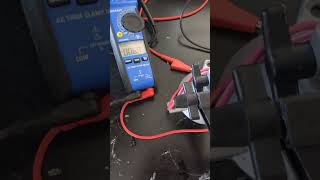
- Throttle Control Motor Resistance — expected: 0.3 to 100 Ω at 20°C (68°F). Failure: A reading outside this range indicates a faulty motor.
- Throttle Position Sensor (TPS) Voltage - VTA1 vs VTA2 — expected: The voltage difference between VTA1 and VTA2 should not be approximately 0V. The ECM expects a specific voltage difference between the two signals.. Failure: If VTA1 is within 0.02V of VTA2, the ECM interprets this as a short circuit and will set a fault code.
- Throttle Position Sensor Live Data (Techstream) — expected: 60% or more when the accelerator pedal is fully depressed with the shift lever in Neutral.. Failure: A value less than 60% at wide-open throttle suggests a fault in the throttle body assembly.
Scan Tool Commands That Help
- Toyota Techstream: Active Test: Control the Throttle Actuator — This bidirectional command allows a technician to manually order the throttle plate to open and close. It's used to verify if the throttle motor is physically capable of moving and to check if it moves smoothly without binding, helping to distinguish between a failed motor and a mechanical obstruction.
- Toyota Techstream: Data List: THROTTLE POS — Used to monitor the live percentage of the throttle valve opening. This is critical for confirming if the sensor is reporting the correct angle and to check if it matches the commanded position during an active test.
- Toyota Techstream: Utility: All Readiness — After a repair, this function can be used to check the DTC judgment result and confirm that the P2111 fault does not immediately return, verifying the fix.
Wiring & Ground Locations
- Engine Harness Ground Points — On the 2ZR-FXE engine, there are two main ground wire clusters that bolt to the engine itself, near the top. One is located near the coolant reservoir.. The Electronic Throttle Control System (ETCS) relies on a stable ground reference for both the motor and the position sensors. A corroded or loose engine ground can cause erratic voltage signals, potentially leading to incorrect operation and fault codes like P2111. One forum user noted the throttle body itself is isolated and may not have continuity to the chassis, emphasizing the importance of the harness grounds.
- ECM Terminals (M+, M-) — These are the pins on the Engine Control Module (ECM) connector that control the throttle motor.. When diagnosing a persistent P2111 after confirming the throttle body is good, a technician would perform a continuity and resistance check on the wires between the throttle body connector and these specific ECM pins to rule out a wiring harness failure.
Real Owner Repair Stories
- PriusChat user 'shawn.ne' (2010 Toyota Prius (Gen 3 with same 2ZR-FXE engine)) — Check Hybrid System light with codes P0A0F and P2111.
❌ Tried (didn't work) Cleaning the throttle body.
✅ What actually fixed it Replacing the entire throttle body assembly (which includes the throttle position sensor) resolved both codes and the issue did not return for over 110,000 miles.
OEM Part Supersession History
17120-37050, 17120-37051, 17120-37052, 17120-37053→17120-37054— Improved design to prevent moisture from freezing inside the manifold in cold climates, which was the root cause of the issue described in TSB T-SB-0103-12.
Heads up: The newer part 17120-37054 is the correct replacement for all earlier versions. A later part, 17120-37091, also exists as a valid replacement.22030-37050→22030-37060— Standard part evolution and minor revisions for the throttle body assembly used on the 2ZR-FXE engine.
Heads up: Part number 22030-37060 is the common replacement for the 2ZR-FXE engine in the Prius V and other Toyota/Lexus hybrids of this era.
Helpful Videos

Used OEM Parts in Stock
New Aftermarket Parts Available

The information in this article is provided for general reference and educational purposes only. Vehicle specifications, procedures, and part compatibility can vary by production date, trim level, and region. Always consult your vehicle's factory service manual and verify part numbers before purchasing or performing repairs. Safety-critical components such as airbags, seat belts, and braking systems should be installed by a qualified professional.
- Toyota PRIUS V:
- 🧭 Diagnostic Flowchart
- 🎬 Helpful Videos
- 🛍️ Shop This Part
- What's Unique About the 2012-2016 Toyota PRIUS V
- Symptoms You May Notice
- Most Likely Causes
- Rare But Worth Checking
- Diagnosis Steps
- Parts You'll Likely Need
- Related Codes That Often Appear With This One
- Technical Service Bulletins (TSBs) & Recalls
- Platform-Specific Known Issues
- Mechanic-Grade Diagnostic Values
- Scan Tool Commands That Help
- Wiring & Ground Locations
- Real Owner Repair Stories
- OEM Part Supersession History
- 🎟️ Get 5% Off