

P2112 on 2019-2021 Ford Ranger: Throttle Stuck Closed Causes and Fixes
On a 2019-2021 Ford Ranger, code P2112 is most often caused by water or ice buildup behind the throttle body, as noted in Ford's Technical Service Bulletin #SSM 50597. This moisture, often from the PCV system, can freeze in cold weather, physically jamming the throttle plate. The fix is to remove and clean the throttle body and intake opening. If that doesn't work, the throttle body assembly likely needs replacement due to internal electronic failure.
- For the 2019-2021 Ranger, P2112 is very likely caused by water or ice physically blocking the throttle plate, especially in cold or wet climates.
- The first and cheapest diagnostic step is to remove the throttle body and inspect the intake for moisture before buying any parts.
- If cleaning doesn't fix it, the entire throttle body assembly needs to be replaced.
- Driving with this code is not recommended, as the truck will have no power and could stall, creating a safety hazard.
- This is a DIY-friendly repair for those with basic tools, with a difficulty of 2 out of 5.
What's Unique About the 2019-2021 Ford RANGER
The 2019-2021 Ford Ranger with the 2.3L EcoBoost engine has a documented susceptibility to this specific code due to a unique issue. A Technical Service Bulletin (TSB SSM 50597) issued by Ford points directly to water or ice collecting in the intake manifold right behind the throttle body. This moisture is often condensation from the PCV (Positive Crankcase Ventilation) system that pools in the intake tract. In cold or wet weather, this obstruction can physically freeze the throttle plate, preventing it from opening and leading directly to a P2112 code. This is a known issue beyond typical electronic or mechanical failure.
Diagnostic Flowchart
Tap your situation to follow the diagnostic path that matches what you're seeing on this vehicle.
Symptoms You May Notice
- Check Engine Light is on
- Powertrain malfunction indicator (wrench) light is on
- Engine has little to no acceleration (unresponsive gas pedal)
- Vehicle is stuck in 'limp mode'
- Rough or unstable idle
- Engine may stall or fail to start
- Hesitant or sluggish acceleration before the main fault occurs
- Replacing the accelerator pedal position (APP) sensor. While the APP sensor is part of the overall throttle control system, a P2112 code specifically points to a problem at the throttle body itself (the actuator is not achieving the commanded position), not the pedal sensor that sends the command.
Most Likely Causes
- Water or Ice Buildup in Intake Manifold 🔴 High Probability Per Ford TSB #SSM 50597, the intake design can allow moisture from the PCV system to accumulate behind the throttle body, which can freeze or otherwise obstruct the throttle plate, especially in freezing temperatures. This is a well-documented issue in owner forums.
How to confirm: Remove the air intake tube and the throttle body (typically four 8mm bolts). Visually inspect the intake manifold opening directly behind where the throttle body was mounted for signs of water, ice, or a milky oil/water residue.
Typical fix: Thoroughly dry and clean out any moisture or ice from the intake manifold and the throttle body itself. Reinstall and perform a throttle body relearn procedure. Some owners install an aftermarket air-oil separator (catch can) to reduce the amount of moisture entering the intake from the PCV system.
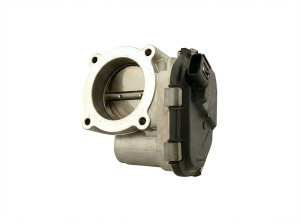
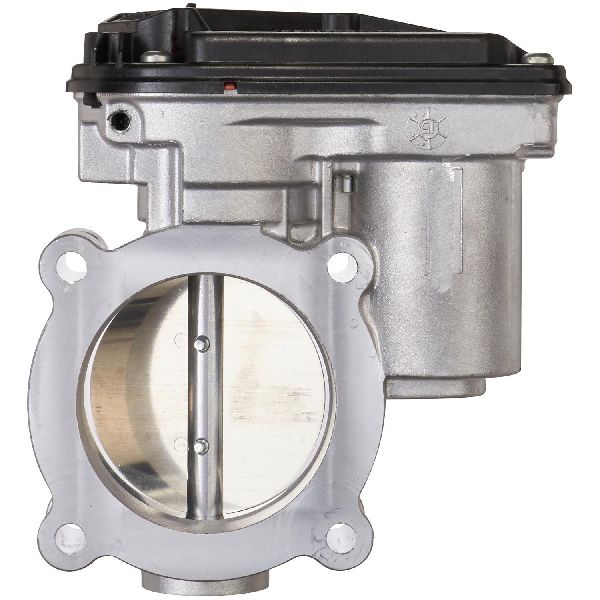
Est. part cost: $0 - $15 (for cleaner) - Failed Throttle Body Assembly 🟡 Medium Probability → Shop Fuel Injection Throttle Body The internal electric motor can fail, or the gears can wear out, preventing the throttle plate from moving. This can also be a secondary failure caused by the motor burning out while trying to overcome an obstruction like ice. This is a common failure point across many Ford EcoBoost platforms.
How to confirm: If no obstruction is found and the plate cannot be moved by hand (with ignition off) or does not respond to electronic commands via a bidirectional scan tool, the unit is faulty. The failure is often internal to the electronics and cannot be fixed by cleaning.
Typical fix: Replace the entire throttle body assembly. A throttle body relearn procedure is required after replacement.
Est. part cost: $100 - $350 - Carbon Buildup ⚪ Low Probability While less common than the water/ice issue on this specific truck, all direct-injection engines can eventually develop carbon deposits around the throttle plate, causing it to stick.
How to confirm: Remove the air intake hose and inspect the throttle bore and plate for a thick, black, sticky coating that restricts movement.
Typical fix: Clean the throttle body bore and plate with a dedicated throttle body cleaner and a soft cloth or brush. Do not use overly aggressive tools that could scratch the bore.
Est. part cost: $5 - $15 - Wiring or Connector Issue ⚪ Low Probability
How to confirm: Visually inspect the wiring harness and connector at the throttle body for any signs of damage, corrosion, or loose pins. Use a multimeter to check for proper voltage and ground at the connector according to the vehicle's service manual.
Typical fix: Repair the damaged section of the harness or clean/replace the connector.
Est. part cost: $10 - $100
Rare But Worth Checking
- Faulty Powertrain Control Module (PCM): This is extremely rare. The PCM should only be considered after all other possibilities, including the throttle body and wiring, have been exhaustively tested and ruled out.
Diagnosis Steps
- Scan the PCM for trouble codes. Confirm P2112 is present and note any other codes like P2111 or P2119.
- Inspect the throttle body electrical connector and wiring harness for any visible damage, corrosion, or loose connections.
- Following Ford TSB #SSM 50597, remove the air intake ducting from the throttle body (typically a 7mm clamp).
- Remove the four 8mm bolts holding the throttle body to the intake manifold.
- Carefully inspect the area inside the intake manifold directly behind the throttle body for any signs of moisture, ice, or other contamination.
- If an obstruction is found, clean and dry the area completely. Also, clean the throttle plate and bore with appropriate cleaner.
- If no obstruction is found, the throttle body assembly is the most likely culprit. The internal motor or electronics have likely failed.
- Replace the throttle body with a new part if necessary. Always use a new gasket.
- After reassembly or replacement, perform a throttle body relearn procedure. For many modern Fords, this can be done by simply starting the engine and letting it idle for 10-15 minutes to reach operating temperature, allowing the PCM to adapt. A more robust method involves specific key-on/key-off cycles or using a diagnostic scan tool like Ford IDS to perform a 'PCM Reset'.
- Clear all codes and perform a test drive to ensure the issue is resolved.
Parts You'll Likely Need
- Throttle Body Assembly
(OEM #JT4Z-9E926-A)— This is the most common part to fail if cleaning does not resolve the issue. The internal motor or position sensors fail, requiring replacement of the whole unit.
Trusted brands: Motorcraft, Bosch, Dorman, Spectra Premium, Blue Streak
OEM price range: $175-$285
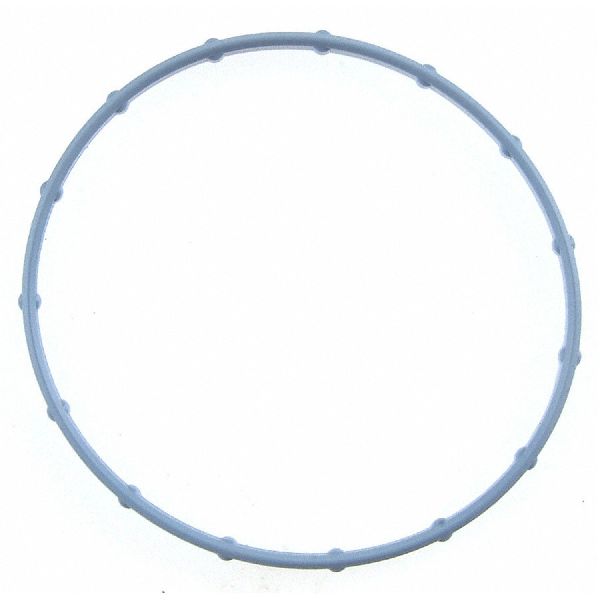
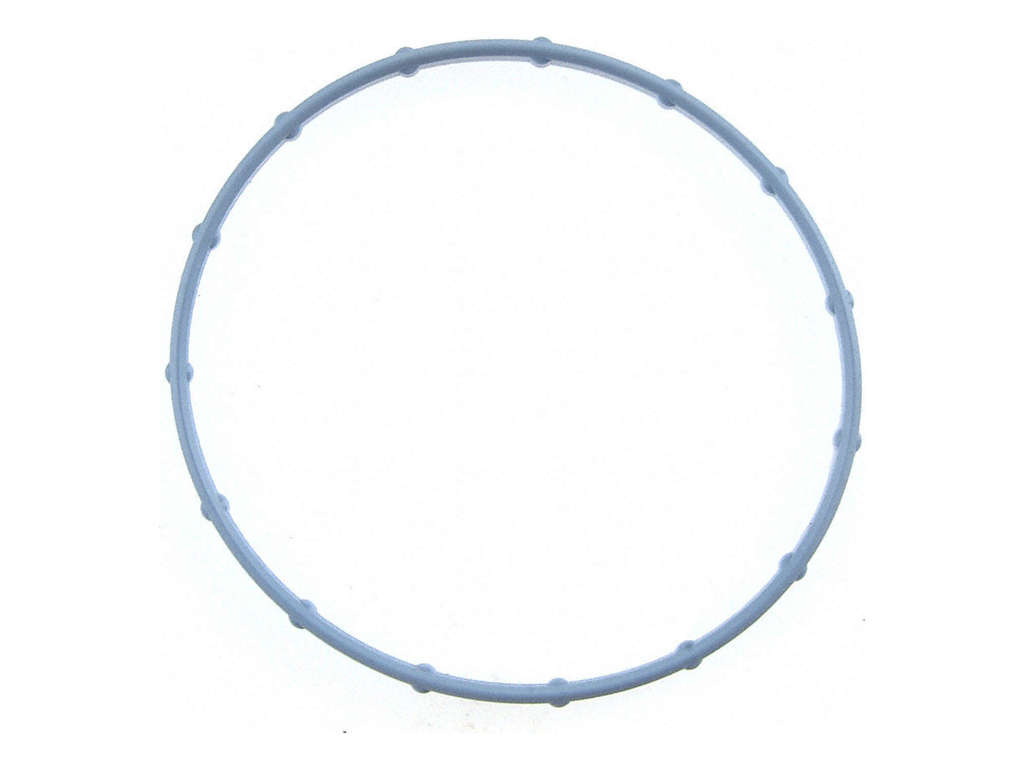
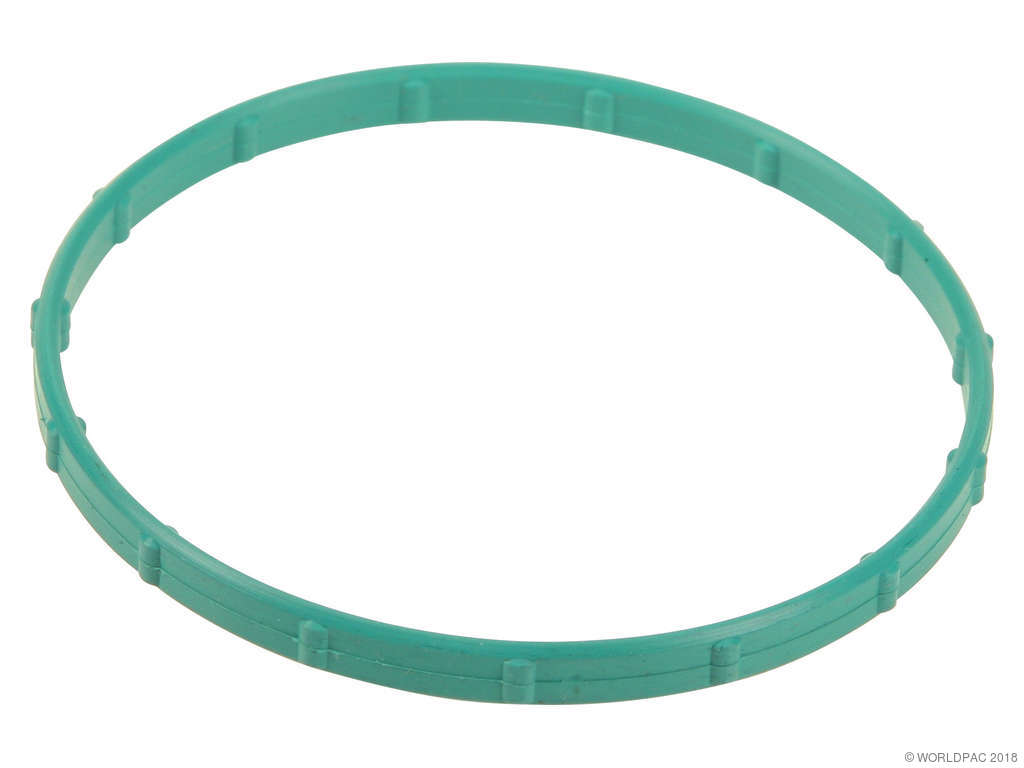
Aftermarket price range: $90-$200 - Throttle Body Gasket — The gasket should always be replaced when the throttle body is removed to prevent vacuum leaks. Sometimes it is included with the new throttle body.
Trusted brands: Motorcraft, Fel-Pro, Mahle
OEM price range: $10-$20
Aftermarket price range: $5-$15
Related Codes That Often Appear With This One
- P2111 — This code means 'Throttle Actuator Control System - Stuck Open'. It's the opposite of P2112 and can be set if the PCM detects erratic behavior where the plate gets stuck in both directions. The provided TSB #SSM 50597 also lists this code.
- P2119 — This code means 'Throttle Actuator Control Throttle Body Range/Performance'. It indicates a general performance issue with the throttle body's movement, which is consistent with it being stuck or obstructed. The provided TSB #SSM 50597 also lists this code.
Technical Service Bulletins (TSBs) & Recalls
- SSM 50597: States that DTCs P2111, P2112, and/or P2119 may be due to water or ice buildup in the intake manifold behind the throttle body on some 2019-2022 Ranger, 2021-2022 Bronco, and 2022 Maverick vehicles.
Platform-Specific Known Issues
- A Ford Technical Service Bulletin (TSB #SSM 50597) directly addresses P2112 on this vehicle. It states the cause may be 'water or ice buildup in the intake manifold behind the throttle body.'
- A forum user on ranger5g.com reported a dealer confirmed 'moisture inside the Throttle Body' as the cause of failure after driving in freezing rain, which required a full replacement.
- Another thread on ranger5g.com provides a detailed step-by-step guide with photos for how an owner removed and cleaned their throttle body using 7mm and 8mm sockets to resolve idling issues.
Mechanic-Grade Diagnostic Values
- Throttle Angle Variance (Commanded vs. Actual) — expected: Less than 6 degrees of difference.. Failure: The PCM will set code P2112 if the measured throttle angle is more than 6 degrees lower than what the PCM is commanding.
- Throttle Position Sensor (TPS) Reference Voltage — expected: 4.5 to 5.0 Volts DC with key on, engine off, at the connector.. Failure: No voltage or low voltage indicates a problem with the PCM or the wiring between the PCM and the throttle body.
- Throttle Position Sensor (TPS) Signal Voltage — expected: A smooth sweep from approximately 0.5-0.9V at closed throttle to 4.5-4.8V at wide-open throttle.. Failure: Voltage that is stuck, erratic, or has dropouts when the throttle plate is moved indicates a failed sensor within the throttle body assembly.
Hidden / Shadow Codes Worth Checking
- Mode $06 Data: Mode $06 is not a specific code, but a diagnostic mode that reveals the results of the PCM's self-tests on various components. For P2112, it can provide freeze-frame data showing the exact engine parameters (load, RPM, temp) at the moment the fault was triggered, which can help differentiate between a cold-start ice issue and a hot-running electronic failure. (see via A professional-grade scan tool or advanced DIY software like FORScan is needed to access Mode $06 data.)
Scan Tool Commands That Help
- Ford IDS (or FORScan): PCM Reset / Clear Adaptive Memory — This function should be used after cleaning or replacing the throttle body. It clears the learned values stored in the PCM, forcing it to perform a new throttle body learn procedure to adapt to the clean or new part.
- Ford IDS (or FORScan): Throttle Body Learn Procedure — After a PCM reset or part replacement, the PCM must relearn the throttle plate's closed, open, and resting positions. The scan tool can initiate this, or it can be done via a specific key-on/key-off and idle sequence.
Wiring & Ground Locations
- G200 / G202 — Located behind the dash panel area on a 2019 Ranger.. While not the primary engine ground, poor interior grounds can cause erratic behavior in the PCM and other modules that control the throttle system. These are known, documented ground points for this specific vehicle generation.
- Main Engine & Body Grounds — Key locations include the battery negative terminal to the chassis/frame, a ground strap from the engine block to the firewall, and a ground on the radiator support.. The Electronic Throttle Body relies on a stable voltage and clean ground path to function. High resistance in a primary ground can cause voltage drops and unpredictable behavior in the throttle actuator motor and sensors, potentially mimicking a failed part.
OEM Part Supersession History
JT4Z-9E926-A→N/A— No supersession found for this specific part number as of early 2026. It appears to be the current part for the 2019-2021 Ranger 2.3L.
Heads up: Be aware that other Ford throttle bodies, like AT4Z-9E926-B, may look similar but are for different engines (e.g., 3.7L V6) and are not compatible.
Used OEM Parts in Stock
New Aftermarket Parts Available


The information in this article is provided for general reference and educational purposes only. Vehicle specifications, procedures, and part compatibility can vary by production date, trim level, and region. Always consult your vehicle's factory service manual and verify part numbers before purchasing or performing repairs. Safety-critical components such as airbags, seat belts, and braking systems should be installed by a qualified professional.
- Ford RANGER:
- 🧭 Diagnostic Flowchart
- 🛍️ Shop This Part
- What's Unique About the 2019-2021 Ford RANGER
- Symptoms You May Notice
- Most Likely Causes
- Rare But Worth Checking
- Diagnosis Steps
- Parts You'll Likely Need
- Related Codes That Often Appear With This One
- Technical Service Bulletins (TSBs) & Recalls
- Platform-Specific Known Issues
- Mechanic-Grade Diagnostic Values
- Hidden / Shadow Codes Worth Checking
- Scan Tool Commands That Help
- Wiring & Ground Locations
- OEM Part Supersession History
- 🎟️ Get 5% Off