

P2119 on 2005-2009 Chevrolet Trailblazer: Throttle Body Failure Causes and Fixes
On a 2005-2009 Trailblazer, code P2119 almost always points to a dirty or failing electronic throttle body. Carbon buildup restricts the throttle plate, causing 'Reduced Engine Power' mode. Cleaning the throttle body and performing an idle relearn often resolves the issue. If not, replacement is the next step. A new throttle body costs between $150 and $425.
- P2119 on a Trailblazer almost always points to an issue with the throttle body, not other sensors.
- Always start with the cheapest and easiest fix: a thorough cleaning of the throttle body.
- After cleaning or replacing the throttle body, you must perform an idle relearn procedure for the fix to be effective.
- This code will put your vehicle into 'Reduced Engine Power' mode, so expect significant loss of power until it is fixed.
- Pay attention to other codes; P1516, P2101, and P2176 are common companions to P2119 and confirm a throttle body-related fault.
What's Unique About the 2005-2009 Chevrolet TRAILBLAZER
On this generation of Trailblazer and its GMT360 platform mates, P2119 is a very common code, especially on higher-mileage vehicles. The primary issue, as noted in official GM Technical Service Bulletins, is often heavy carbon and oil buildup inside the throttle body from the PCV system, which physically restricts the throttle plate's movement. This problem can be significantly worse in very cold weather. TSB PIP4573B explains that at temperatures around -10°F (-23°C), condensation in the crankcase can freeze the PCV system, leading to excessive pressure that can also cause oil leaks and a sticking throttle blade.
Diagnostic Flowchart
Tap your situation to follow the diagnostic path that matches what you're seeing on this vehicle.
Symptoms You May Notice
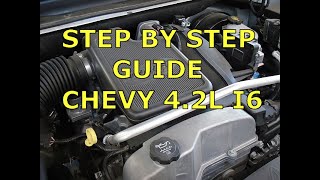
- "Reduced Engine Power" message on the dashboard 🎬 Watch: How to fix the Reduced Engine Power message easily.
- Check Engine Light is on
- Idle speed is erratic, surging, or unstable (too low or too high).
- Vehicle has little to no acceleration or feels hesitant.
- In some cases, a no-crank condition can occur, especially if the fault is present at startup.
- Replacing the Accelerator Pedal Position (APP) sensor. While the APP sensor is part of the throttle control system, it has its own set of diagnostic codes (e.g., P1121, P2138). P2119 specifically points to a problem with the throttle body's range of motion or performance at the engine.
Most Likely Causes
- Dirty Throttle Body 🔴 High Probability → Shop Fuel Injection Throttle Body As cited in TSB #PIP4578B, these vehicles are known to accumulate carbon and oil deposits from the PCV system in the throttle body, especially at high mileage. This buildup creates a sticky residue that physically prevents the throttle plate from closing to its intended position or moving smoothly.
How to confirm: Visually inspect the inside of the throttle body and the edges of the throttle plate for a thick, black, tar-like layer of carbon buildup. The plate may feel sticky or slow to move when pushed lightly (with the engine off).
Typical fix: Remove the throttle body and clean it thoroughly with a dedicated throttle body cleaner and a soft brush or rag. 🎬 Watch: How to clean the throttle body on your Trailblazer. Do not use carburetor cleaner, which can damage the throttle body's coating. A new gasket is recommended upon reinstallation.
Est. part cost: $5-$15 - Failed Throttle Body Assembly 🟡 Medium Probability → Shop Fuel Injection Throttle Body The internal electric motor, plastic gears, or integrated throttle position sensor (TPS) within the actuator can wear out over time, leading to a failure to control the throttle plate correctly. This can manifest as a complete jam or an intermittent electronic failure. Aftermarket parts are sometimes cited by owners as failing prematurely.
How to confirm: If cleaning the throttle body does not resolve the code, and the wiring is confirmed to be good, the assembly itself is the likely culprit. A scan tool can command the throttle to open and close to test its function; a lack of response or grinding noise indicates failure.
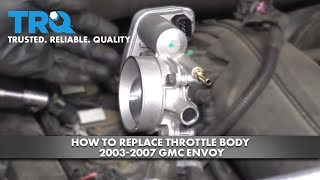
Typical fix: Replace the entire throttle body assembly. 🎬 See this walkthrough on how to replace the throttle body. This part is a single unit containing the throttle position sensor (TPS) and actuator motor.
Est. part cost: $150-$425 - Wiring or Connector Issue ⚪ Low Probability Engine vibration and heat can cause wires in the harness leading to the throttle body to break or the connector pins to become corroded or loose. Owners have reported finding chafed wires near the throttle body.
How to confirm: Inspect the wiring harness and the 8-pin connector at the throttle body for any signs of damage, corrosion, or loose pins. Wiggle the connector with the engine running to see if it affects idle. Use a multimeter to check for proper voltage and ground signals according to the service manual.
Typical fix: Repair the damaged section of the wiring harness or clean/replace the connector pigtail.
Est. part cost: $10-$50
Rare But Worth Checking
- Powertrain Control Module (PCM) Failure: This is very rare. Before suspecting the PCM, all other possibilities (throttle body, wiring) should be exhaustively ruled out. A PCM failure usually presents with multiple, unrelated codes.
- Weak Battery: TSB #PIP4573B notes that a weak or marginal battery can affect the throttle plate's operation during cold starts, potentially contributing to this code. If the issue is intermittent and occurs in cold weather, test the battery.
Diagnosis Steps
- Scan the PCM for any stored trouble codes. Note all codes present, as codes like P1516, P2101, and P2176 are highly relevant and point to the same system.
- Turn the ignition off and remove the air intake duct from the throttle body.
- Visually inspect the throttle bore and plate for heavy carbon buildup. This is the most common cause.
- If dirty, remove the throttle body assembly (typically four 10mm bolts) and clean it thoroughly using dedicated throttle body cleaner and a soft brush or cloth. Do not force the plate open aggressively by hand.
- Reinstall the throttle body with a new gasket to prevent vacuum leaks.
- Perform a throttle/idle relearn procedure. This is critical. A common no-tool method is: 1) Disconnect the battery or pull PCM/ECM fuses for 15 minutes to reset the computer. 2) Reconnect and start the engine, letting it idle in Park for 3-5 minutes. 3) Turn on the A/C and let it idle for another 3-5 minutes. 4) Turn the engine off for at least 60 seconds. The PCM should now have relearned the idle position.
- If the code returns, inspect the wiring harness and connector at the throttle body for damage, corrosion, or loose connections.
- If the wiring is intact and cleaning did not fix the issue, the throttle body assembly has likely failed internally and requires replacement.
Parts You'll Likely Need
- Throttle Body Assembly
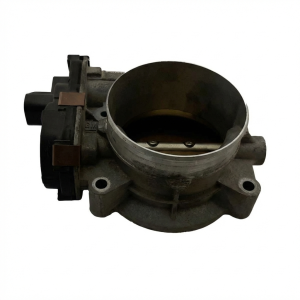
(OEM #12572658 (for 5.3L/6.0L V8), 12568580 (for 4.2L I6))— This is the complete unit that fails if cleaning doesn't work. It includes the non-serviceable actuator motor and position sensor. Always verify the part number with your VIN. The ACDelco part number for many V8 models is 217-2422, which corresponds to GM 12572658.
Trusted brands: ACDelco (OEM), Delphi, Hitachi, Dorman
OEM price range: $250-$425
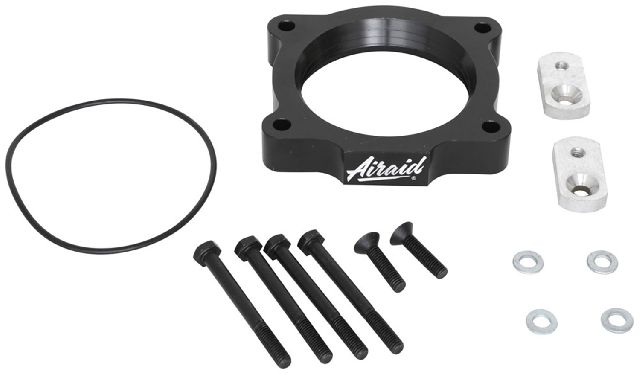
Aftermarket price range: $100-$250 - Throttle Body Gasket
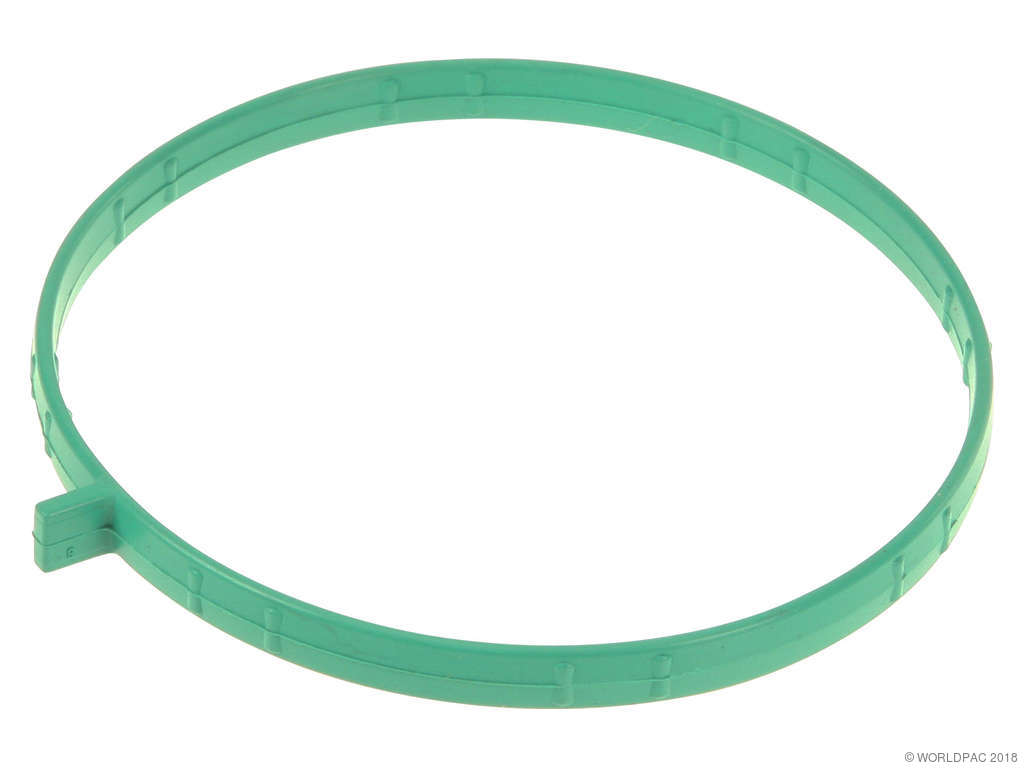
(OEM #217-1592 (for 4.2L I6), 217-2424 (for V8s))— A new gasket should always be used when the throttle body is removed for cleaning or replacement to prevent vacuum leaks.
Trusted brands: Fel-Pro, ACDelco, Mahle
OEM price range: $10-$20
Aftermarket price range: $5-$15 - Throttle Body Cleaner — This specialized solvent is required to safely dissolve carbon buildup without damaging the electronic components or special coatings inside the throttle body.
Trusted brands: CRC, Berryman, Gumout
OEM price range: $5-$10
Aftermarket price range: $5-$10
Related Codes That Often Appear With This One
- P1516 — This code is a GM-specific code for 'Throttle Actuator Control (TAC) Module Throttle Actuator Position Performance'. It is often set alongside P2119 as they both relate to the throttle body's performance and are listed together in TSBs.
- P2101 — This code means 'Throttle Actuator Control Motor Circuit Range/Performance'. It indicates a problem with the electric motor that moves the throttle plate, which is a component of the throttle body assembly. It is frequently seen with P2119.
- P2176 — This code is 'Throttle Actuator Control System - Idle Position Not Learned'. It often appears after a throttle body has been cleaned or replaced and the computer hasn't yet relearned the new closed-throttle position.
- P0068 — This code relates to a mismatch between the Mass Airflow (MAF) sensor, Manifold Absolute Pressure (MAP) sensor, and the throttle position. A faulty or sticking throttle body can cause this discrepancy.
- P0506 — This code indicates 'Idle Air Control System RPM Lower Than Expected'. A carbon-caked throttle body that can't close properly can cause idle issues that trigger this code alongside P2119.
Technical Service Bulletins (TSBs) & Recalls
- PIP4578B: Mentions P2119 in relation to idle surge and reduced power on high-mileage vehicles, often due to throttle body deposits. Recommends cleaning and an idle learn reset.
- PIP4573B: Links P2119 and other throttle codes to problems during very cold ambient temperatures, caused by a sticking throttle blade potentially related to a frozen PCV system.
Platform-Specific Known Issues
- TSB #PIP4578B specifically addresses this code on high-mileage vehicles, noting it can cause an idle surge and trigger the 'Reduced Engine Power' mode. The primary recommendation is to inspect and clean the throttle body, then perform an idle learn reset.
- TSB #PIP4573B connects this code to issues occurring in extremely cold temperatures (around -10°F / -23°C). It explains that a frozen PCV system due to condensation can cause the throttle to stick and may also induce engine oil leaks from high crankcase pressure. The fix involves an oil change to remove moisture and potentially a new thermostat to ensure the engine warms up properly.
Mechanic-Grade Diagnostic Values
- Throttle Actuator Control (TAC) Motor Resistance (4.2L I6) — expected: 2 to 13 Ohms. Failure: A reading below 1 Ohm suggests an internal short circuit in the motor.
- Throttle Position Sensor 1 (TPS1) Resistance (4.2L I6) — expected: Approximately 3.0 kOhms. Failure: An open circuit (OL) or a reading significantly different from 3 kOhms indicates a faulty sensor.
- Throttle Position Sensor 2 (TPS2) Resistance Sweep (4.2L I6) — expected: Resistance should change smoothly from ~2.4 kOhms at closed throttle to ~1.0 kOhms at wide-open throttle.. Failure: Jumps, spikes, or dropouts in the resistance reading as the throttle plate is moved indicate a worn or faulty sensor track.
- Throttle Body Connector Pin Voltages (Key On, Engine Off) — expected: Pin G (TPS 1) and Pin B (TPS 2) should show a 5V reference signal.. Failure: Absence of 5V reference points to a wiring issue or a problem with the PCM.
Scan Tool Commands That Help
- Tech2 / GDS2 or equivalent bidirectional scanner: Throttle Actuator Control (TAC) Test or Actuator Test — This command allows the technician to command the throttle plate to open and close without using the accelerator pedal. It is used to verify if the throttle motor is responding correctly to PCM commands. A lack of movement, slow response, or grinding noise during this test points to a faulty throttle body assembly.
- Tech2 / GDS2 or equivalent bidirectional scanner: Idle Learn / Throttle Relearn — This function must be used after cleaning or replacing the throttle body. It forces the PCM to reset its learned idle position values and adapt to the new, clean, or different throttle plate position. Skipping this can cause a high or unstable idle and may trigger code P2176.
Wiring & Ground Locations
- Throttle Body Connector (4.2L I6) — The 8-pin connector directly on the electronic throttle body assembly.. This is the single connection point for the dual throttle position sensors and the actuator motor. Pins E (Yellow) and F (Brown) control the motor. The other pins are for the two TPS sensors, their 5V reference, and grounds. Damage or corrosion here will directly cause P2119.
- G107 — On the driver's side of the engine block, about midway back and down, located under the EVAP Purge Solenoid.. This is a primary engine block ground. A poor connection at G107 can cause a variety of sensor and actuator issues, including erratic behavior from the throttle control system due to an unstable ground reference for the PCM and its components.
- G103 — On the passenger side of the engine compartment, below the hood line, often near the coolant overflow reservoir area. On some models, it is part of the main negative battery cable harness at the left front of the engine block.. This is another critical engine and chassis ground point. A loose or corroded G103 can lead to intermittent electrical faults and voltage drops that can affect the performance of the throttle actuator motor and sensors.
- G201 / SP201 — Located in the passenger side footwell, behind the kick panel.. This is a major interior splice pack and ground point for numerous components, including the instrument cluster, HVAC controls, and the Data Link Connector (DLC). While not a direct engine ground, a fault here can cause bizarre electrical issues and potentially affect modules that communicate with the PCM about throttle status.
Real Owner Repair Stories
- GMTNation forum user 'DirtinLa' (2006 Chevrolet Trailblazer 4.2L) — Consistently getting code P1516 (often seen with P2119) after a tune-up, even though the truck ran great with no noticeable performance issues.
❌ Tried (didn't work) Full tune-up, Thoroughly cleaning the throttle body, Applying dielectric grease to all connectors, Performing a throttle relearn procedure, Checking for shorts at the connector, Checking the ground on the cylinder head, Verifying battery voltage was good
✅ What actually fixed it Replacing the entire throttle body assembly. Despite cleaning and passing visual checks, the original throttle body was faulty. The new throttle body resolved the code.
OEM Part Supersession History
12572658→12679524— Standard part lifecycle update by the manufacturer for V8 models.
Model Year Variations Within This Range
- 2002-2005 vs 2006-2007 (4.2L I6): The wiring for the Throttle Actuator Control (TAC) system has different diagrams for these year groups. While the throttle body itself and the connector pinout appear to be the same, technicians should ensure they are using the correct wiring diagram for the specific model year they are diagnosing to avoid confusion.
Helpful Videos
Used OEM Parts in Stock
New Aftermarket Parts Available




The information in this article is provided for general reference and educational purposes only. Vehicle specifications, procedures, and part compatibility can vary by production date, trim level, and region. Always consult your vehicle's factory service manual and verify part numbers before purchasing or performing repairs. Safety-critical components such as airbags, seat belts, and braking systems should be installed by a qualified professional.
- Chevrolet TRAILBLAZER:
- 🧭 Diagnostic Flowchart
- 🎬 Helpful Videos
- 🛍️ Shop This Part
- What's Unique About the 2005-2009 Chevrolet TRAILBLAZER
- Symptoms You May Notice
- Most Likely Causes
- Rare But Worth Checking
- Diagnosis Steps
- Parts You'll Likely Need
- Related Codes That Often Appear With This One
- Technical Service Bulletins (TSBs) & Recalls
- Platform-Specific Known Issues
- Mechanic-Grade Diagnostic Values
- Scan Tool Commands That Help
- Wiring & Ground Locations
- Real Owner Repair Stories
- OEM Part Supersession History
- Model Year Variations Within This Range
- 🎟️ Get 5% Off