

P2119 on 2019-2021 Ford Ranger: Throttle Body Performance Causes and Fixes
On a 2019-2021 Ranger, code P2119 is most often caused by water or ice buildup in the intake manifold behind the throttle body, especially in freezing temperatures, as documented in Ford TSB SSM 50597. The fix involves inspecting for this buildup and, if found, replacing the intake manifold with an updated part and also replacing a specific crankcase vent hose.
- For a 2019-2021 Ranger, P2119 is very frequently caused by a specific issue of water/ice in the intake manifold, especially in cold climates, as per Ford TSB SSM 50597.
- Symptoms are serious and impact drivability, usually forcing the truck into a reduced-power "limp mode".
- The first diagnostic step should be to remove the throttle body and inspect the intake manifold for moisture or ice, as this is the most likely cause.
- If no moisture is present, the next most common fix is to thoroughly clean the throttle body of any carbon buildup.
- If the issue is confirmed to be water/ice buildup, Ford recommends replacing the intake manifold and a specific PCV system hose with updated parts.
What's Unique About the 2019-2021 Ford RANGER
The 2019-2021 Ford Ranger with the 2.3L EcoBoost engine has a specific, documented issue that leads to code P2119. Ford issued Technical Service Bulletin (TSB) SSM 50597 which identifies that moisture from the PCV system can collect in the intake manifold, right behind the throttle body. This buildup, particularly in freezing weather, can turn to ice and physically restrict the throttle plate's movement, causing the performance range error and triggering the P2119 code along with a wrench light and reduced power. The TSB applies to Ranger vehicles built on or before August 9, 2021.
Diagnostic Flowchart
Tap your situation to follow the diagnostic path that matches what you're seeing on this vehicle.
Symptoms You May Notice
- Illuminated Malfunction Indicator Lamp (Check Engine Light)
- Illuminated Powertrain Malfunction Indicator (Wrench Light)
- Reduced engine power or "limp mode"
- Poor or delayed throttle response
- Rough or unstable idle
- Vehicle may stall or refuse to start
- Hill Descent Control and Traction Control warnings may appear on the display
- Brake pedal may feel firm or hard to press
- Replacing the accelerator pedal position sensor (APPS). While related to the throttle control system, a faulty pedal sensor will typically set its own specific codes (e.g., P2120-P2125).
Most Likely Causes
- Water or Ice Buildup in Intake Manifold 🔴 High Probability → Shop Engine Intake Manifold A design characteristic of the intake manifold on this platform can allow moisture from the PCV system to collect and freeze in cold weather, physically obstructing the throttle plate. This is documented in Ford TSB SSM 50597 for vehicles built on or before 09-Aug-2021.
How to confirm: Remove the throttle body and visually inspect the inside of the intake manifold for signs of water, a milky oil/water sludge, or ice, particularly in the base of the manifold.
Typical fix: If water or ice is found, Ford specifies replacing the intake manifold with an updated part (KB3Z-9424-B) and also replacing the crankcase vent oil separator hose (LB5Z-6A664-D). The updated manifold is noted to be for vehicles built from 11/17/2021 onward, suggesting a design change to mitigate the issue.
Est. part cost: $200-$400 - Dirty or Sticking Throttle Body 🟡 Medium Probability → Shop Fuel Injection Throttle Body All engines, especially direct-injection engines like the 2.3L EcoBoost, recirculate crankcase vapors (containing oil) back into the intake. This oil vapor can bake onto the throttle body and plate over time, causing a sticky buildup that prevents the plate from closing properly.
How to confirm: Remove the intake tube from the throttle body and inspect the throttle plate and bore for black, gummy carbon buildup. Manually move the plate (with the engine off and electrical connector disconnected) to feel for any binding or sticking.
Typical fix: Clean the throttle body bore and plate thoroughly with a dedicated throttle body cleaner and a soft cloth or brush. A throttle relearn procedure may be necessary after cleaning.
Est. part cost: $5-$15 - Failing Throttle Body Assembly ⚪ Low Probability → Shop Fuel Injection Throttle Body
How to confirm: If the throttle body is clean and free of obstruction but the code persists, the internal motor or position sensor may have failed. This is often confirmed with a bi-directional scan tool that can command the throttle body to open and close while monitoring its position data to see if it tracks correctly.
Typical fix: Replace the entire throttle body assembly. A throttle relearn procedure is required after installation.
Est. part cost: $70-$250 - Wiring or Connector Issues ⚪ Low Probability
How to confirm: Inspect the wiring harness and connector going to the throttle body for any signs of damage, corrosion, or loose pins.
Typical fix: Repair the damaged wiring or clean/replace the connector.
Est. part cost: $10-$50
Rare But Worth Checking
- Powertrain Control Module (PCM) Fault: This is extremely rare. Before condemning the PCM, all other possibilities, including wiring, should be exhaustively checked. A PCM failure usually presents with multiple other trouble codes.
Diagnosis Steps
- Scan the PCM for any other stored trouble codes. Note codes P2111 and P2112 if present, as they strongly point to the TSB issue.
- Check if the ambient temperature is near or below freezing, as this is a key condition for the most common cause.
- Inspect the throttle body electrical connector and wiring for any visible damage, corrosion, or looseness.
- Remove the intake air duct from the throttle body. This typically involves loosening a 7mm clamp.
- Disconnect the throttle body electrical connector. Be sure to slide the red locking tab back first.
- Remove the four 8mm bolts holding the throttle body to the intake manifold.
- Carefully look inside the intake manifold for any signs of water, milky oil sludge, or ice buildup. This is the primary check for TSB SSM 50597.
- If the manifold is clear, inspect the throttle body itself for heavy carbon buildup that could cause the plate to stick. Clean it thoroughly if it's dirty.
- If the manifold is clear and the throttle body is clean, the issue may be the throttle body's internal electronics. Testing with a professional bi-directional scan tool is the next step.
- If water/ice was found, proceed with the fix outlined in TSB SSM 50597, which requires replacing the intake manifold and a PCV hose.
Parts You'll Likely Need
- Intake Manifold
(OEM #KB3Z-9424-B)— This is the specific updated part number listed in TSB SSM 50597 to fix the water/ice accumulation issue. It is specified for Rangers built from late 2021 onward, implying a design change.
Trusted brands: Ford (OEM)
OEM price range: $70-$100
Aftermarket price range: $150-$250 - Crankcase Vent Oil Separator Hose
(OEM #LB5Z-6A664-D)— This hose is replaced along with the intake manifold as part of the repair procedure outlined in TSB SSM 50597. Note: Part number may vary by production date, with LB5Z-6A664-A used for earlier models and other versions existing. Always verify with VIN.
Trusted brands: Ford (OEM)
OEM price range: $20-$60
Aftermarket price range: $20-$40 - Throttle Body Assembly
(OEM #JT4Z-9E926-A)— If the cause is not water/ice or carbon buildup, the electronic motor or sensor within the throttle body has likely failed, requiring full replacement.
Trusted brands: Motorcraft, Bosch
OEM price range: $150-$250
Aftermarket price range: $70-$150 - Throttle Body Cleaner — Needed for the common and simple fix of cleaning a dirty or sticking throttle plate.
Trusted brands: CRC, WD-40 Specialist
Aftermarket price range: $5-$15
Related Codes That Often Appear With This One
- P2111 — Indicates the throttle actuator is stuck open. This code is specifically mentioned in TSB SSM 50597 as appearing with P2119 due to the water/ice issue.
- P2112 — Indicates the throttle actuator is stuck closed. This code is also mentioned in TSB SSM 50597 as a companion code to P2119 for the same reason.
Technical Service Bulletins (TSBs) & Recalls
- SSM 50597: Addresses an issue on 2019-2021 Rangers and 2021 Broncos where water/ice buildup in the intake manifold causes reduced power and sets DTCs P2111, P2112, and/or P2119. The prescribed fix is a new intake manifold and PCV hose.
Platform-Specific Known Issues
- TSB SSM 50597: Some 2019-2021 Ranger vehicles built on or before 09-Aug-2021 may experience reduced power and set codes P2111, P2112, and/or P2119 in freezing temperatures due to water or ice buildup in the intake manifold behind the throttle body.
Mechanic-Grade Diagnostic Values
- Throttle Position Sensor (TPS) Voltage at Closed Throttle (Idle) — expected: 0.5V to 1.0V. Failure: Voltage significantly outside this range, or 0V.
- Throttle Position Sensor (TPS) Voltage at Wide Open Throttle (WOT) — expected: Approximately 4.5V. Failure: Voltage does not reach this level, or readings are erratic/jumpy as the throttle is opened.
- Live Data: Difference between Commanded and Actual Throttle Position — expected: Less than 0.3V difference. Failure: A difference of 0.3V or higher between the target angle and the actual angle will trigger a fault.
- Voltage Supply to Throttle Actuator — expected: 11.5V to 13.5V with engine running. Failure: Persistent low voltage (<11.5V) indicates a power supply or wiring issue upstream of the throttle body.
Scan Tool Commands That Help
- Ford IDS, FORScan, or equivalent professional scanner: Throttle Actuator Test (Bi-Directional Control) — Use this function to command the throttle plate to open and close while observing its movement and live data. Failure to move smoothly or reach commanded angles confirms a mechanical or electrical fault in the throttle body assembly.
- Ford IDS, FORScan, or equivalent professional scanner: Throttle Body Relearn / Electronic Throttle Control (ETC) Adaptation — This is a mandatory step after cleaning or replacing the throttle body. The PCM has learned to compensate for carbon buildup or wear, and without a relearn, it may command an incorrect throttle angle, leading to a very high or unstable idle. This function resets the learned values and establishes a new baseline for the clean/new part.
- Ford IDS, FORScan, or equivalent professional scanner: PCM - Clear All Adaptations — This is a more comprehensive reset that can be used if a simple throttle relearn doesn't resolve an idle issue after repair. It forces the PCM to relearn all adaptive strategies, including idle, fuel trims, and transmission shifts.
Wiring & Ground Locations
- Driver-Side Kick Panel Ground Stud — Behind the driver's side kick panel, near the BCM. This is a known grounding point used for the OEM trailer brake controller installation.. While not confirmed to be the primary ground for the throttle body, poor grounds in this area can cause a variety of PCM and Body Control Module (BCM) issues. It is a key ground location to inspect for corrosion or looseness when diagnosing any electronic fault.
- Main Engine-to-Chassis Ground — Typically a braided strap or heavy gauge wire running from the engine block to the firewall or frame rail.. This is the primary ground path for the PCM and many engine sensors. A corroded or loose connection here can cause erratic sensor readings and insufficient voltage to actuators like the throttle body, potentially triggering a P2119 code.
- Battery-to-Chassis Ground — A wire running from the negative battery terminal to the radiator core support or inner fender.. This ground is crucial for the entire vehicle's electrical system. Inspecting this connection is a fundamental first step in diagnosing any electrical issue.
OEM Part Supersession History
Unknown, likely KB3Z-9424-A→KB3Z-9424-B— Updated design to mitigate water/ice accumulation as described in TSB SSM 50597.
Heads up: Part KB3Z-9424-B is the required replacement part for vehicles built from 11/17/2021 onward, and is the specified fix for earlier vehicles experiencing the TSB issue.LB5Z-6A664-A→LB5Z-6A664-D— Updated part to be used in conjunction with the new intake manifold (KB3Z-9424-B) as part of the TSB SSM 50597 repair.
Heads up: Part LB5Z-6A664-A was used on early production 2019 Rangers, with a listed cutoff date of 11/18/2019. LB5Z-6A664-D is the part specified in the TSB fix. Always verify the correct part number with the vehicle's VIN.
Model Year Variations Within This Range
- 2019-2021 (built on or before 09-Aug-2021): These vehicles were built with an intake manifold design susceptible to water/ice buildup as per TSB SSM 50597. The fix requires replacing it with the updated manifold (KB3Z-9424-B) and PCV hose (LB5Z-6A664-D).
- 2019 (built on or before 11/18/2019): These early models may have been equipped with PCV hose part number LB5Z-6A664-A. The TSB repair specifies using the later LB5Z-6A664-D part.
Used OEM Parts in Stock
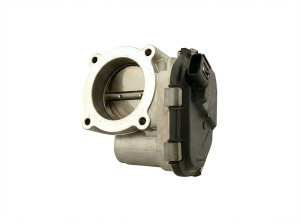
New Aftermarket Parts Available

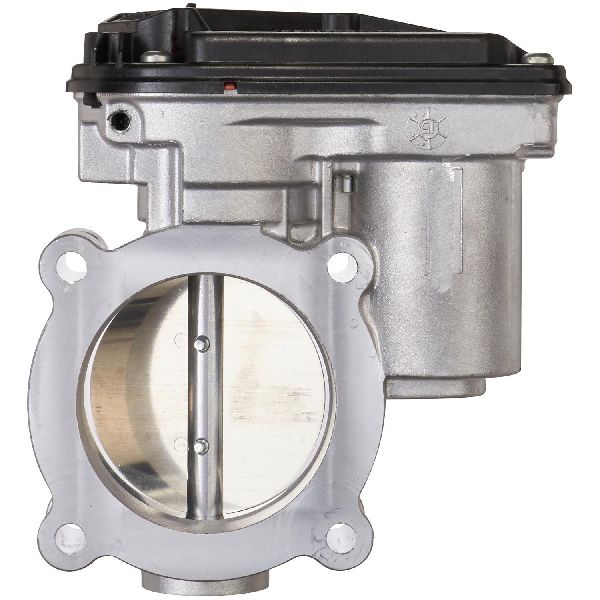
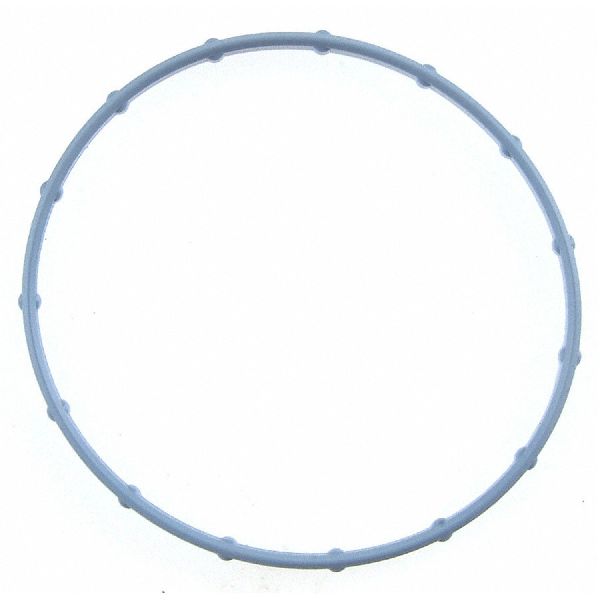
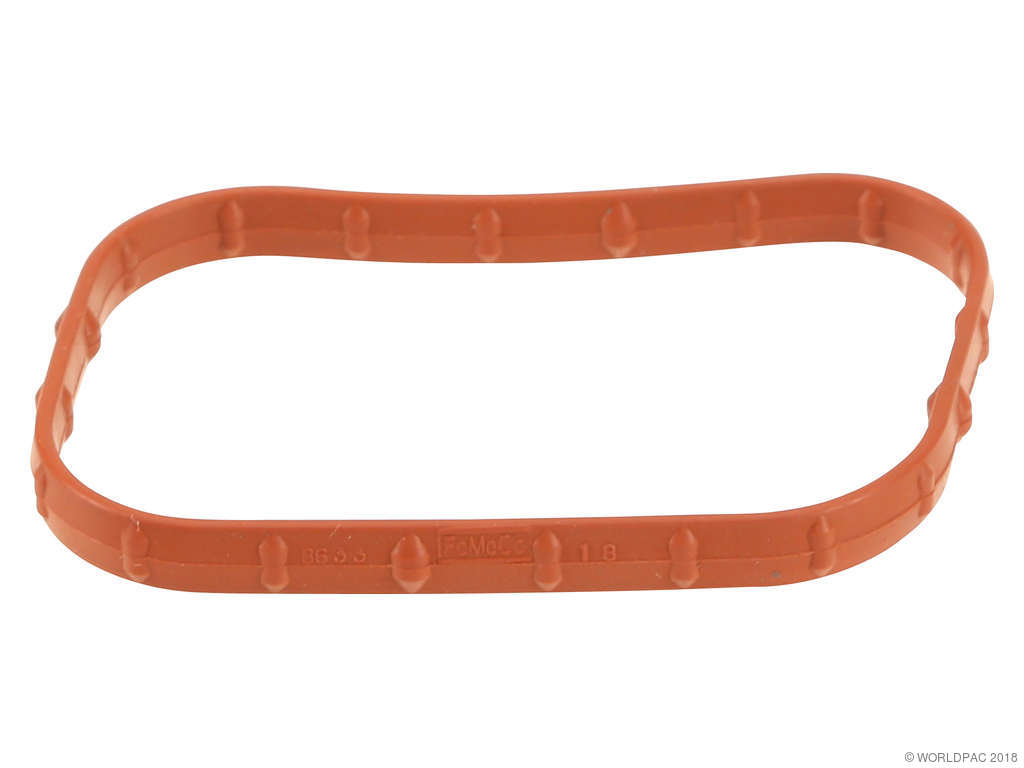

The information in this article is provided for general reference and educational purposes only. Vehicle specifications, procedures, and part compatibility can vary by production date, trim level, and region. Always consult your vehicle's factory service manual and verify part numbers before purchasing or performing repairs. Safety-critical components such as airbags, seat belts, and braking systems should be installed by a qualified professional.
- Ford RANGER:
- 🧭 Diagnostic Flowchart
- 🛍️ Shop This Part
- What's Unique About the 2019-2021 Ford RANGER
- Symptoms You May Notice
- Most Likely Causes
- Rare But Worth Checking
- Diagnosis Steps
- Parts You'll Likely Need
- Related Codes That Often Appear With This One
- Technical Service Bulletins (TSBs) & Recalls
- Platform-Specific Known Issues
- Mechanic-Grade Diagnostic Values
- Scan Tool Commands That Help
- Wiring & Ground Locations
- OEM Part Supersession History
- Model Year Variations Within This Range
- 🎟️ Get 5% Off