

P2119 on 2015-2018 GMC Canyon: Throttle Body Performance Causes and Fixes
For a 2015-2018 GMC Canyon, code P2119 usually points to a dirty or failing electronic throttle body. Often, cleaning the throttle body of carbon buildup and performing a throttle relearn procedure resolves the issue without needing to replace the entire assembly.
- P2119 on a GMC Canyon points directly to a problem with the electronic throttle body's performance.
- The most common and cheapest first step is to thoroughly clean the throttle body of carbon buildup.
- A 'throttle relearn' procedure is mandatory after cleaning or replacing the throttle body to ensure proper idle and performance.
- This code is often accompanied by P2101, reinforcing that the issue lies within the throttle body assembly.
- Driving with this code can be unsafe due to the risk of stalling or sudden power loss in 'limp mode'.
What's Unique About the 2015-2018 Gmc CANYON
On the 2017-2018 GMC Canyon with the 3.6L (LGZ) engine, this code is common enough that GM issued a technical service bulletin (PIE0444A) to gather data on the issue. This suggests a known pattern of failure or sensitivity in the throttle body assembly for this specific platform. The issue is often seen with code P2101, pointing directly to a performance issue with the throttle actuator system. Owners on forums for the Canyon and its platform-mate, the Chevy Colorado, frequently discuss this code as a precursor to stalling and limp mode.
Diagnostic Flowchart
Tap your situation to follow the diagnostic path that matches what you're seeing on this vehicle.
Symptoms You May Notice
- Check Engine Light is on
- Reduced engine power (Limp Mode) message 🎬 See how to diagnose reduced power mode and throttle control codes on the dash
- Poor or delayed acceleration
- Rough, surging, or unstable idle
- Engine stalling, especially at low speeds, at stoplights, or when stopping
- Vehicle may not restart immediately after stalling
- Hesitation when pressing the accelerator pedal
- Replacing the accelerator pedal position sensor (APPS). While related to the throttle control system, the APPS will typically set its own specific codes (like P2135 or P1121). P2119 is almost always related to the throttle body itself.
Most Likely Causes
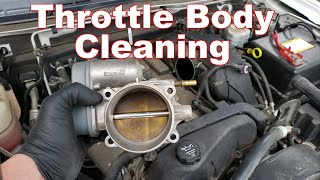
- Dirty Throttle Body 🔴 High Probability → Shop Fuel Injection Throttle Body Carbon and oil residue from the PCV system can build up on the throttle plate and bore. This is a common issue on all modern engines, including the 3.6L LGZ. This buildup restricts the movement of the throttle plate, preventing it from closing properly and causing the ECM to log a P2119 code.
How to confirm: Remove the air intake duct from the throttle body and visually inspect the throttle plate and bore for a layer of black, sticky carbon. The buildup is often heaviest on the back of the plate and around the edges where it seats.
Typical fix: Clean the throttle body thoroughly with a dedicated throttle body cleaner and a soft, lint-free cloth. A throttle relearn procedure must be performed afterward for the ECU to recalibrate to the clean throttle plate's position.
Est. part cost: $5-$15 for cleaner - Failing Throttle Body Assembly 🟡 Medium Probability → Shop Fuel Injection Throttle Body The electronic throttle body contains a motor and position sensors that can wear out or fail electronically over time. The TSB PIE0444A for the Canyon suggests this is a known issue GM is investigating. Internal sensor or motor failure will cause range/performance errors that cleaning cannot fix.
How to confirm: If cleaning the throttle body does not resolve the code, and the wiring is confirmed to be good, the assembly itself is the likely culprit. A scan tool can monitor the commanded vs. actual throttle position to spot discrepancies in real-time.
Typical fix: Replace the entire throttle body assembly. An idle relearn procedure is required after replacement.
Est. part cost: $150-$300
Rare But Worth Checking
- Wiring or Connector Issues: Check the wiring harness and connector at the throttle body for damage, corrosion, or loose pins before replacing parts. TSB PIE0444A specifically calls for inspecting the connector to ensure it is properly seated. Some owners have reported the engine wiring harness can rub against nearby components, causing shorts.
- Powertrain Control Module (PCM) Issue: This is very rare. A faulty PCM could incorrectly interpret sensor data, but this should only be considered after all other possibilities, including wiring, have been exhausted. Sometimes a software update or re-flash from the dealer can resolve logic-based faults.
Diagnosis Steps
- Connect an OBD-II scanner and confirm P2119 is present. Check for other codes, especially P2101.
- Inspect the air intake duct leading to the throttle body to ensure it is secure and not cracked or leaking.
- Remove the intake duct and visually inspect the throttle body bore and plate for heavy carbon buildup.
- If dirty, disconnect the battery. Remove the four bolts holding the throttle body and clean it thoroughly on a workbench using appropriate cleaner and a soft rag. This is more effective than cleaning it on the vehicle.
- While the throttle body is off, inspect the electrical connector for corrosion, damage, or loose pins. Ensure it is seated firmly upon reinstallation.
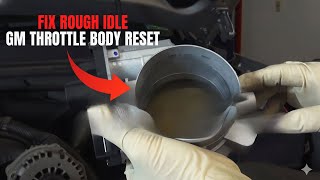
- After cleaning or replacement, perform a throttle body relearn procedure. A common method without a scan tool is to reconnect the battery, turn the ignition to 'ON' (engine off) for a few minutes, turn it off, then start the engine and let it idle in Park for at least 3-5 minutes to allow the ECM to adjust. 🎬 Watch: How to manually reset and relearn your GM throttle body
- Clear the codes and perform a test drive, including stops and starts, to see if the code returns. If it does, and wiring is confirmed good, the throttle body assembly likely needs to be replaced.
Parts You'll Likely Need
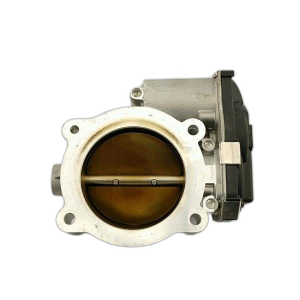
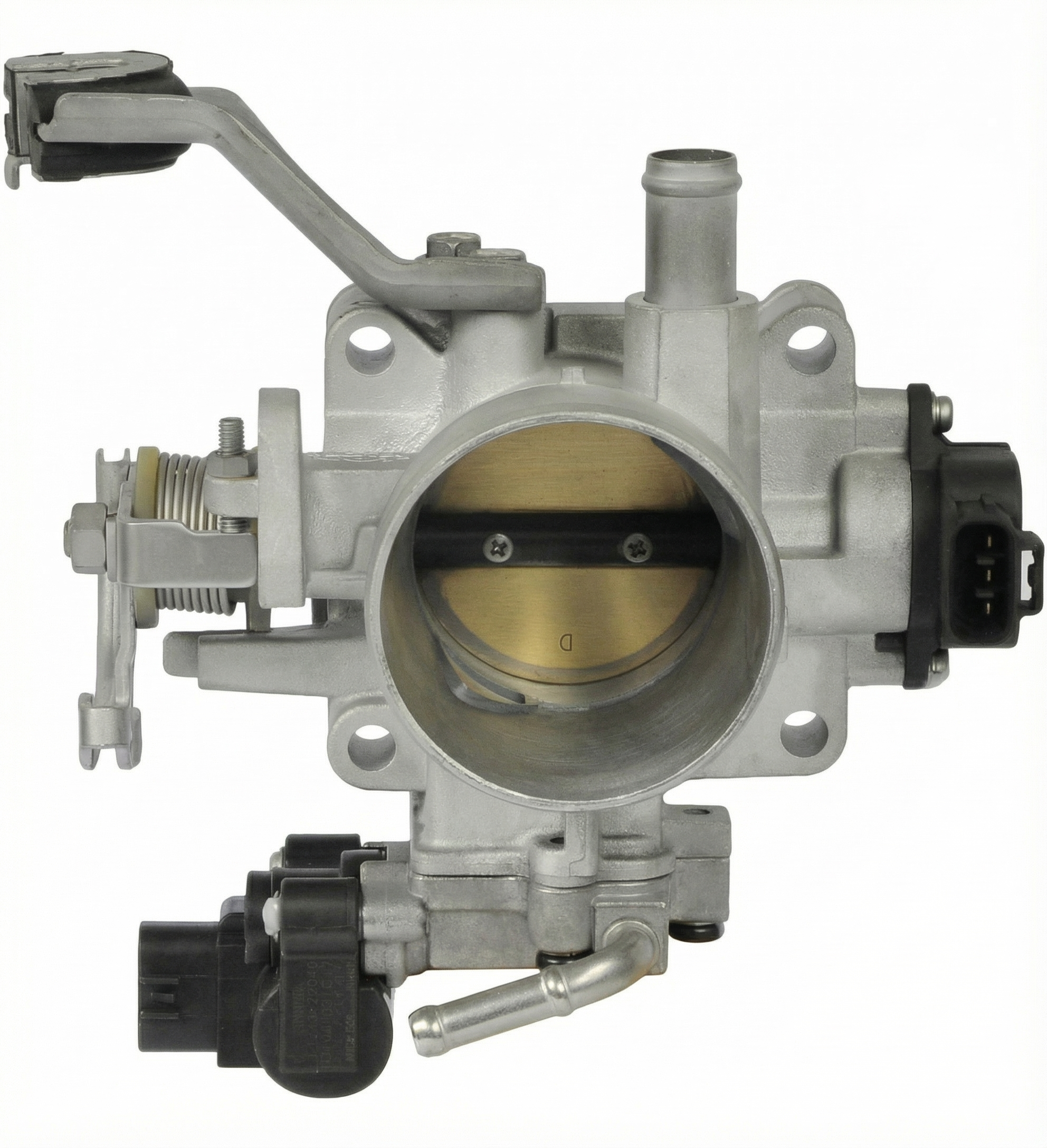
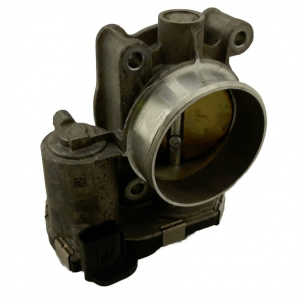
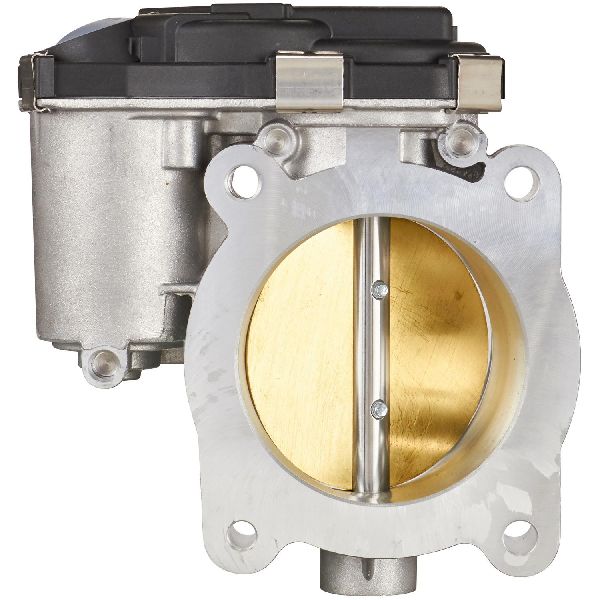
- Throttle Body Assembly
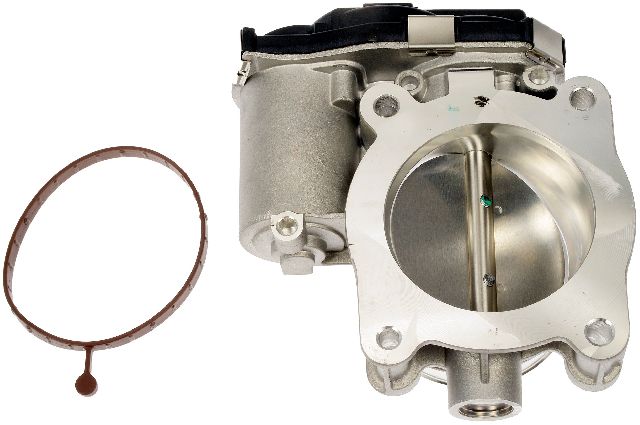
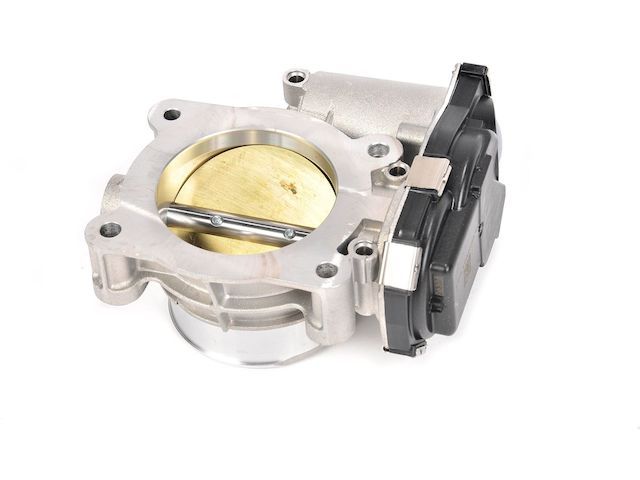
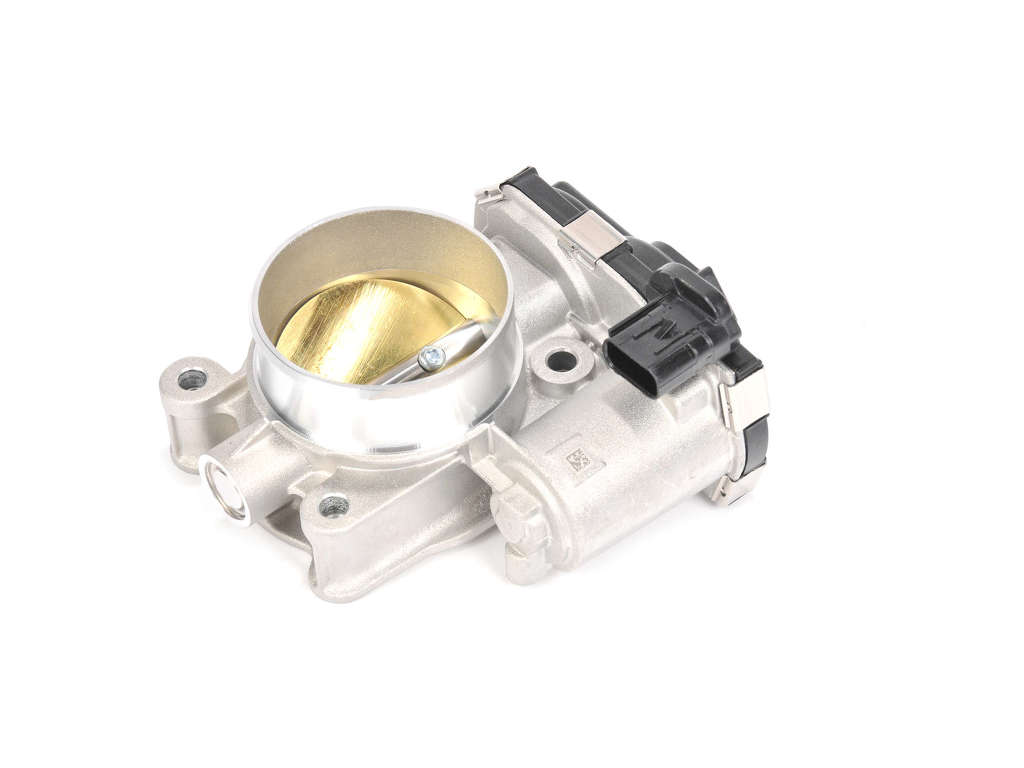
(OEM #12670981)— This is the primary component responsible for the P2119 code. If cleaning does not fix the issue, the internal motor or sensors have likely failed, requiring replacement of the whole unit.
Trusted brands: ACDelco (OEM), Dorman, Standard Motor Products
OEM price range: $200-$300
Aftermarket price range: $150-$250
Related Codes That Often Appear With This One
- P2101 — This code for 'Throttle Actuator Position Performance' is frequently seen with P2119. TSB PIE0444A explicitly links these two codes, indicating they stem from the same root problem in the throttle body assembly.
- P0506 — This code for 'Idle Air Control System RPM Lower Than Expected' can occur if carbon buildup is so severe that it restricts airflow at idle, causing the engine to struggle.
Technical Service Bulletins (TSBs) & Recalls
- PIE0444A: Malfunction Indicator Lamp Illuminated with DTCs P2101 Throttle Actuator Position Performance and/or P2119 Throttle Closed Position Performance.
Platform-Specific Known Issues
- GM issued Technical Service Bulletin PIE0444A for 2017-2018 models with the 3.6L LGZ engine, acknowledging an issue where customers may experience a check engine light, stalling, and codes P2101 and/or P2119. The bulletin instructs technicians to check for simple issues like a loose air duct or connector before escalating.
- Owner experiences on forums like ColoradoFans.com confirm that cleaning the throttle body is a very common and often successful first step. However, many also report that the fix is temporary and replacement is eventually needed.
- A mandatory 'Idle Relearn Procedure' is required after cleaning or replacement. Failure to do so can result in a high or unstable idle as the computer struggles with the new airflow characteristics.
Mechanic-Grade Diagnostic Values
- Throttle Position Sensor (TPS) Voltage Sweep — expected: Should move smoothly from approximately 0.5V (at idle/closed throttle) to 4.5V (at wide-open throttle) with no spikes or dropouts.. Failure: Readings that are flat, erratic, or have sudden spikes/drops indicate a failing sensor.
- Wiring Harness Continuity Check — expected: ≤ 0.5 Ω. Failure: A higher resistance reading indicates a problem in the wire, while an 'OL' (Open Line) reading indicates a complete break in the circuit.
Hidden / Shadow Codes Worth Checking
- Mode $06, TID:$AD / TID:$AE: These are not fault codes but Test IDs for the non-continuous 'Throttle Airflow Positive/Negative Control Deviation Test'. The ECM uses these background tests to monitor if the throttle body is responding correctly. Failing values in these tests can be a precursor to the P2119 code being set. (see via A professional scan tool capable of reading Mode $06 data.)
Scan Tool Commands That Help
- GDS2 / Professional Scan Tool: Throttle Actuator Test — This bidirectional command allows the technician to command the throttle plate to open and close while observing its movement and live data. It's used to confirm if the actuator motor is physically working or if it stalls/sticks at certain points.
- GDS2 / Professional Scan Tool: Idle Learn Reset — Located in the 'Special Functions' menu, this command is used after cleaning or replacing the throttle body to erase the old learned idle values from the ECM. This forces the system to immediately begin the relearning process for the new, clean throttle body's airflow characteristics.
Wiring & Ground Locations
- Throttle Body Connector (X115 - typical GM designation) — Directly on the electronic throttle body assembly, where the engine harness connects.. This 6-pin connector provides power, ground, and signal lines for both the throttle actuator motor and the dual throttle position sensors. Corrosion, moisture, or loose pins here are a primary point of failure and should be inspected before replacing the throttle body.
- 5-Volt Reference Circuit — Shared wiring from the ECM to multiple sensors.. The Throttle Position Sensors (TPS) run on a 5-volt reference circuit from the ECM. On GM vehicles, this circuit is often shared with other sensors, such as the Accelerator Pedal Position (APP) sensor, MAP sensor, and A/C pressure sensor. A short or fault in the wiring of a completely different sensor on the same circuit can cause the voltage to drop or become erratic, leading the ECM to incorrectly flag a P2119 for the throttle body.
- Underhood Fuse Block — Located on the driver's side of the engine bay, near the battery.. This block contains fuses and relays for the entire engine management system, including power for the ECM and the electronic throttle control system. A blown fuse (check for labels like ETC, ECM, or Throttle) would cause a complete loss of function.
OEM Part Supersession History
12632172, 12648415, 12669016, 12671015→12670981— GM regularly updates service parts to integrate new materials, technologies, or manufacturing processes to improve reliability.
Heads up: The newest part number, 12670981, is the correct and most current replacement for all the previous numbers. Using old stock or a used part with a superseded number may re-introduce the original failure mode.
Model Year Variations Within This Range
- 2015-2016 vs 2017-2018: The 2015-2016 models used the 3.6L LFX engine, while the 2017-2018 models used the updated 3.6L LGZ engine. While the throttle body part may be physically interchangeable, TSB #PIE0444A was specifically issued for the 2017-2018 models with the LGZ engine, suggesting the issue was more prevalent or first officially documented on this updated engine platform.
Helpful Videos

![[HOW TO] Install Soler Performance Premium Modified 76mm Throttle Body on 2015+ Colorado/Canyon 3.6L](https://img.youtube.com/vi/GCoqAgDXG4Q/mqdefault.jpg)
Used OEM Parts in Stock
New Aftermarket Parts Available


The information in this article is provided for general reference and educational purposes only. Vehicle specifications, procedures, and part compatibility can vary by production date, trim level, and region. Always consult your vehicle's factory service manual and verify part numbers before purchasing or performing repairs. Safety-critical components such as airbags, seat belts, and braking systems should be installed by a qualified professional.
- Gmc CANYON:
- 🧭 Diagnostic Flowchart
- 🎬 Helpful Videos
- 🛍️ Shop This Part
- What's Unique About the 2015-2018 Gmc CANYON
- Symptoms You May Notice
- Most Likely Causes
- Rare But Worth Checking
- Diagnosis Steps
- Parts You'll Likely Need
- Related Codes That Often Appear With This One
- Technical Service Bulletins (TSBs) & Recalls
- Platform-Specific Known Issues
- Mechanic-Grade Diagnostic Values
- Hidden / Shadow Codes Worth Checking
- Scan Tool Commands That Help
- Wiring & Ground Locations
- OEM Part Supersession History
- Model Year Variations Within This Range
- 🎟️ Get 5% Off