

P2123 on 2007-2014 Cadillac Escalade: Causes and Fixes for Reduced Power
On a 2007-2014 Escalade, code P2123 almost always points to a failing Accelerator Pedal Position (APP) sensor. This triggers the 'Reduced Engine Power' message. The fix is to replace the entire accelerator pedal assembly, which is a simple DIY job. Before replacing, check the connector wiring and ground, as this is a known secondary cause. An OEM ACDelco pedal costs around $100-$130, with aftermarket options available for $60-$90.
- P2123 on a 2007-2014 Escalade will almost certainly put the truck into 'Reduced Engine Power' mode.
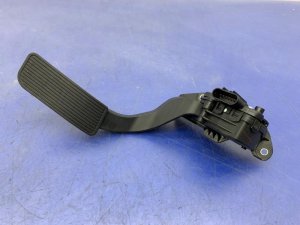
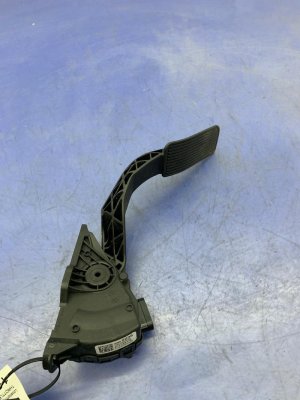
- The most likely cause is a failed Accelerator Pedal Position (APP) sensor, which is part of the gas pedal assembly (OEM Part #25832864).
- Before replacing the pedal, inspect the electrical connector for loose pins or damage, and check the ground wire for continuity, as this is a known issue mentioned in a TSB and confirmed by owner experiences.
- The repair involves replacing the entire accelerator pedal assembly, a simple task that requires no special programming.
What's Unique About the 2007-2014 Cadillac ESCALADE
On this generation of Cadillac Escalade and other related GM trucks (GMT900 platform), failure of the accelerator pedal assembly is a very common and well-documented issue. The problem is so frequent that a manufacturer Technical Service Bulletin (TSB PIP3783D) was issued, specifically pointing technicians to check the wiring and terminal connections at the pedal sensor before replacing parts. This suggests that while the sensor itself fails often, the electrical connector and its ground circuit are also known weak points.
Diagnostic Flowchart
Tap your situation to follow the diagnostic path that matches what you're seeing on this vehicle.
Symptoms You May Notice
- "Reduced Engine Power" message on the driver information center.
- Check Engine Light (Malfunction Indicator Lamp) is on.
- "Service StabiliTrak" and "Traction Control Off" messages may also appear.
- Poor, delayed, or no throttle response.
- Vehicle will not accelerate properly and may be stuck at a very low speed.
- Hesitation or jerky acceleration.
- Replacing the Throttle Body. The P2123 code relates to the driver's accelerator pedal input, not the throttle body on the engine. While throttle body issues can also cause reduced power, they typically set different codes (like P2135 or P1516). It's common for a failing pedal to also trigger a P2135 code, leading to confusion; the pedal is the more likely root cause.
Most Likely Causes
- Faulty Accelerator Pedal Position (APP) Sensor Assembly 🔴 High Probability → Shop Accelerator Pedal Assembly This is a known common failure item on this GM truck platform. The electronic sensor within the pedal assembly wears out over time, leading to erratic or out-of-range voltage signals.
How to confirm: Use a scan tool to monitor the 'APP Sensor 1' voltage. It should sweep smoothly from about 0.32V to 4.75V as you press the pedal. If the reading is stuck high (above 4.75V), is erratic, or doesn't change, the sensor is bad.
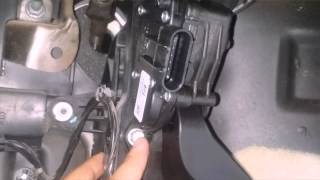
Typical fix: Replace the entire accelerator pedal assembly. 🎬 Watch: Step-by-step guide to replacing the pedal assembly The sensor is integrated into the pedal and is not sold separately. The most common OEM part is ACDelco 25832864.
Est. part cost: $60-$130 - Poor Connection or Damaged Wiring at the APP Sensor 🟡 Medium Probability A GM Technical Service Bulletin (PIP3783D) specifically highlights poor terminal tension in the APP sensor connector as a cause for this code. Forum discussions also point to the ground wire (typically brown) breaking inside the harness near the connector.
How to confirm: Visually inspect the wiring harness and connector at the accelerator pedal for damage. Wiggle the connector while monitoring live data to see if the voltage changes. Use a multimeter to check for a solid ground connection on the brown wire in the harness.
Typical fix: Repair the broken ground wire, clean the connector terminals with contact cleaner, or replace the connector pigtail (e.g., ACDelco 13584094) if terminals are loose or corroded.
Est. part cost: $20-$50
Rare But Worth Checking
- Faulty Powertrain Control Module (PCM): This is very rare. The PCM should only be considered after the pedal assembly and wiring have been thoroughly checked and ruled out. A PCM failure often presents with multiple, unrelated fault codes.
- Water Intrusion at Body-to-Harness Connector: Related GM TSBs (like 07-06-04-019F) mention that water leaking into the driver's side kick panel can corrode a main body harness connector, causing various electrical issues, including APP sensor codes like P2138 and P2123. This can mimic a pedal failure.
Diagnosis Steps
- Connect an OBD-II scanner and confirm P2123 is present. Note any other codes, especially P2138 or P2122.
- Using the scanner's live data function, monitor the voltage for 'APP Sensor 1' and 'APP Sensor 2'.
- Slowly press and release the accelerator pedal. Both sensor voltages should change smoothly. APP Sensor 1 should sweep from a low value (around 0.32V) to a high value (around 4.75V).
- If APP Sensor 1 voltage is stuck high, jumps erratically, or doesn't change, the pedal assembly is the primary suspect.
- If the voltage seems plausible, locate the accelerator pedal assembly under the dashboard.
- Inspect the electrical connector and wiring harness. Look for loose pins, corrosion, or damaged wires. Pay close attention to the ground wire (often brown).
- As per TSB #PIP3783D, pay close attention to the tension of the female terminals in the connector.
- If wiring and connections appear solid, the most probable cause is a faulty accelerator pedal assembly.
- Replace the accelerator pedal assembly. No programming is required for the new part.
Parts You'll Likely Need
- Accelerator Pedal Assembly
(OEM #ACDelco: 25832864 (replaces 15101848, 15847349))— This is the most common failure point for code P2123. The sensor is integrated into the pedal assembly and must be replaced as a single unit.
Trusted brands: ACDelco (OEM), Dorman (e.g., 699-105), Standard Motor Products, NGK/NTK
OEM price range: $100-$130
Aftermarket price range: $60-$90 - Accelerator Pedal Position Sensor Connector
(OEM #ACDelco: 13584094 (Mating Connector w/ Leads))— If the diagnostic steps point to a bad connection, replacing the connector pigtail is the correct repair, as highlighted by a manufacturer TSB.
Trusted brands: ACDelco, Duralast
OEM price range: $40-$60
Aftermarket price range: $20-$40
Related Codes That Often Appear With This One
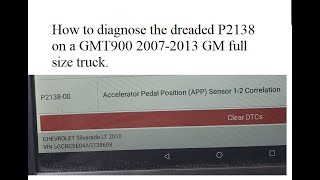
- P2138 — This code indicates a correlation problem between the two sensors inside the accelerator pedal assembly. It is very common to see this code alongside P2123, as a failure in one sensor circuit will cause its signal to disagree with the other.
- P2122 — This code is for 'APP Sensor 'D' Circuit Low Input'. It's the opposite of P2123 but points to the same component, often indicating an intermittent wiring issue or a sensor that is failing completely.
- P2127 — This code is for 'APP Sensor 'E' Circuit Low Input', which relates to the second sensor (Sensor 2) in the pedal assembly. It can appear if the entire component is failing or has a wiring issue.
Technical Service Bulletins (TSBs) & Recalls
- PIP3783D: Addresses 'Service Engine Soon' light, reduced engine power, and multiple APP sensor codes (P2120, P2122, P2123, P2125, P2127, P2128, P2138), recommending inspection of circuit terminal tension at the APP sensor connector.
Platform-Specific Known Issues
- A Technical Service Bulletin (TSB #PIP3783D) was issued for these vehicles for multiple APP sensor codes (P2120, P2122, P2123, P2125, P2127, P2128, P2138), advising technicians to inspect the circuit for poor terminal tension before replacing parts.
Mechanic-Grade Diagnostic Values
- APP Sensor 1 Voltage (DTC Trigger) — expected: < 4.87 Volts. Failure: Voltage is greater than 4.87 volts for more than 0.4 seconds.
- APP Sensor 1 Signal Voltage (Live Data) — expected: Sweeps smoothly from < 1.1V (pedal at rest) to > 2.1V (pedal fully depressed).. Failure: Voltage is stuck high, does not change, or has dead spots.
- APP Sensor 2 Signal Voltage (Live Data) — expected: Sweeps smoothly from > 3.9V (pedal at rest) to < 2.9V (pedal fully depressed).. Failure: Voltage does not correlate with Sensor 1 or has dead spots. This typically sets a P2138 code.
Wiring & Ground Locations
- G103 — On the front of the right (passenger side) cylinder head.. A poor engine ground can cause floating voltage references for various sensors, including the APP sensor, leading to incorrect high voltage readings.
- G104 — On the left (driver side) rear corner of the engine, mounted to the cylinder head.. This is another primary engine ground. A loose or corroded connection here can cause widespread electrical issues and sensor faults.
- IP-to-Body Harness Connector — Large electrical connector located in the driver's side kick panel / A-pillar area.. This connector contains the circuits for the APP sensor. Corrosion from water intrusion at this point can cause a high resistance or short, triggering P2123, even if the pedal and its pigtail are good.
When the Usual Fixes Don't Work
- While the most common fixes for P2123 are replacing the accelerator pedal assembly or repairing its connector pigtail, a notable counter-scenario exists. GM Technical Service Bulletin #07-06-04-019F describes a situation where these repairs will not solve the problem. The root cause in this case is water leaking into the cabin, typically from a bad windshield or roof antenna seal, and corroding the main Instrument Panel-to-body harness connector. This corrosion on the APP sensor circuits within this major connector mimics a pedal failure. A technician who has already replaced the pedal without success should investigate this connector in the driver's kick panel area for water damage before suspecting a rare PCM failure.
OEM Part Supersession History
15101848→15847349— Part revision by manufacturer.15847349→25832864— Part revision by manufacturer. This is the most current OEM number commonly available.
Model Year Variations Within This Range
- 2009+ Hybrid Models: The location of ground point G103 is different on Hybrid models. It is located at the lower left front of the engine block, rather than the front of the right cylinder head on non-hybrid models.
Helpful Videos
We Have This Part in Stock

The information in this article is provided for general reference and educational purposes only. Vehicle specifications, procedures, and part compatibility can vary by production date, trim level, and region. Always consult your vehicle's factory service manual and verify part numbers before purchasing or performing repairs. Safety-critical components such as airbags, seat belts, and braking systems should be installed by a qualified professional.
- Cadillac ESCALADE:
- 🧭 Diagnostic Flowchart
- 🎬 Helpful Videos
- 🛍️ Shop This Part
- What's Unique About the 2007-2014 Cadillac ESCALADE
- Symptoms You May Notice
- Most Likely Causes
- Rare But Worth Checking
- Diagnosis Steps
- Parts You'll Likely Need
- Related Codes That Often Appear With This One
- Technical Service Bulletins (TSBs) & Recalls
- Platform-Specific Known Issues
- Mechanic-Grade Diagnostic Values
- Wiring & Ground Locations
- When the Usual Fixes Don't Work
- OEM Part Supersession History
- Model Year Variations Within This Range
- 🎟️ Get 5% Off