

P2135 on 2014-2019 Chevrolet Silverado: Throttle Position Sensor Causes and Fixes
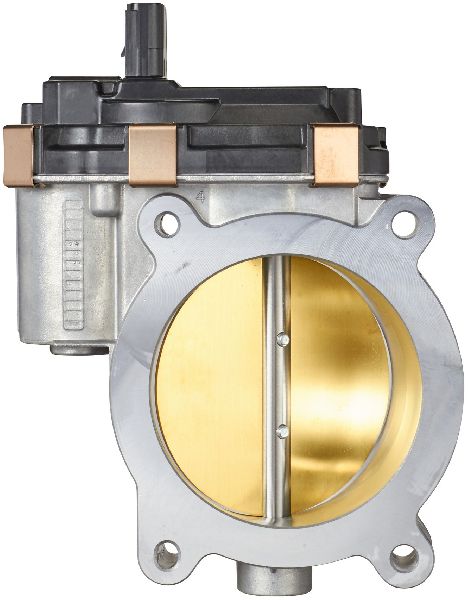
On a 2014-2019 Silverado, P2135 almost always means the electronic throttle body has failed, which will cause the truck to enter 'Reduced Engine Power' mode. The most reliable fix is to replace the entire throttle body assembly, as the internal sensors are not sold separately. Expect to pay ~$150-$250 for an OEM-quality part (like ACDelco #12678224), with a DIY difficulty of 2/5 requiring basic hand tools.
- P2135 on your 2014-2019 Silverado will trigger the 'Reduced Engine Power' warning and make the truck very slow.
- The cause is almost certainly a failed sensor inside the electronic throttle body assembly.
- Before buying parts, always perform a quick visual inspection of the wiring and connector at the throttle body.
- The most reliable, long-term fix is to replace the entire throttle body assembly, not just clean it.
- After replacement, a throttle relearn procedure is required for the truck to idle and run correctly. This can often be done without a scan tool.
What's Unique About the 2014-2019 Chevrolet Silverado
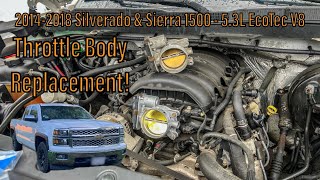
The 2014-2019 Silverado (K2XX platform) uses a drive-by-wire throttle system where the throttle position sensors are integrated into the throttle body assembly and cannot be replaced separately. While the previous generation of Silverado (GMT900) had a well-documented TSB (#11-06-04-007C) and a special warranty extension for this exact issue, the problem persists on this newer platform without a similar official program. The failure of the internal electronics of the throttle body is a very common issue, making it the primary suspect for a P2135 code, far more so than wiring or PCM issues.
Symptoms You May Notice
- "Reduced Engine Power" message on the dashboard
- Check Engine Light is on
- Severely limited acceleration (limp mode)
- Hesitation or surging when pressing the accelerator
- Stalling when coming to a stop
- Unstable or high idle
- "Service Traction Control" or "Service Stabilitrak" message may also a 🎬 Watch: Diagnosing a P2135 code and reduced engine powerppear
- Replacing the Accelerator Pedal Position (APP) Sensor. P2135 specifically points to a correlation error between the two sensors on the throttle body itself. A faulty gas pedal assembly will typically set a different code, such as P2138.
- Only cleaning the throttle body. While cleaning carbon buildup is good maintenance for idle issues, it will not fix the internal electrical failure of the sensors that triggers a P2135 code.
Most Likely Causes
- Failing Electronic Throttle Body Assembly 🔴 High Probability → Shop Fuel Injection Throttle Body The internal electronic sensors within the throttle body are a known high-failure item on this GM truck platform due to heat and wear over time. The correlation fault happens when the two internal sensors send conflicting voltage signals to the PCM.
How to confirm: After verifying the wiring and connector are intact, this is the most likely cause. A scan tool can be used to graph the TPS1 and TPS2 voltages; a discrepancy or drop-out in one signal during throttle operation confirms the failure. The two signals should mirror each other.
Typical fix: Replace the entire throttle body assembly. The individual sensors are not sold separately. A throttle relearn procedure must be performed after replacement.
Est. part cost: $150-$250 - Damaged Wiring or Poor Connection at Throttle Body ⚪ Low Probability → Shop Fuel Injection Throttle Body The engine harness is exposed to heat and vibration, which can cause wires to fray or pins in the connector to lose tension over time. Poor ground connections on the engine block can also cause erratic sensor behavior that mimics a throttle body failure.
How to confirm: Visually inspect the wiring harness leading to the throttle body for any signs of chafing, melting, or broken wires. Unplug the connector and check for corrosion or backed-out pins. Trace ground wires to their connection points on the engine/chassis and ensure they are clean and tight.
Typical fix: Repair the damaged section of the wiring harness or replace the connector pigtail. Clean and tighten any corroded or loose ground connections.
Est. part cost: $20-$50
Rare But Worth Checking
- Faulty Powertrain Control Module (PCM): → Shop Engine Control Module (ECM) This is extremely rare. The throttle body and its wiring should be exhaustively tested and ruled out before considering PCM replacement, which requires special programming.
Diagnosis Steps
- Read the code with an OBD-II scanner to confirm P2135 is present. Note any other codes.
- Visually inspect the wiring harness going to the throttle body. Look for any signs of damage, melting, or chafing. Ensure it is properly secured and not rubbing against other components.
- Disconnect the throttle body electrical connector. Inspect the pins for corrosion, moisture, or damage. Ensure they are seated firmly and have not backed out of the connector.
- If possible, use a scan tool with live data capabilities to monitor the voltage of TPS1 and TPS2. The voltages should mirror each other as the throttle is slowly opened and closed. If one sensor shows erratic readings, drops to zero, or doesn't move in sync with the other, the throttle body is faulty.
- If the wiring is confirmed to be good and the scan tool data points to a sensor mismatch, the throttle body assembly is the defective component.
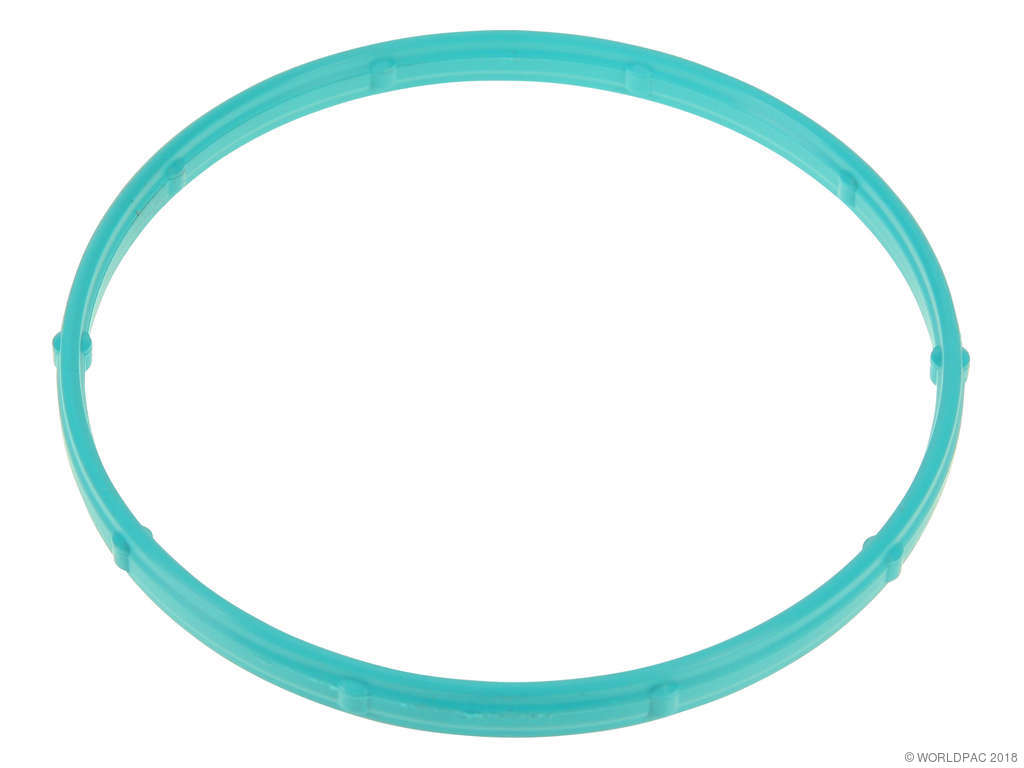
- Replace the throttle body assembly. It is recommended to also replace the throttle body gasket if one is not included with the new part.
- Perform the throttle relearn procedure. A common non-scan tool method is to start and idle the engine in Park for 3 minutes, turn the ignition off for 60 seconds, and then start and idle the engine again for another 3 minutes. The idle should stabilize. If not, a short drive cycle above 44 mph may be required. 🎬 Watch: How to manually relearn your GM throttle body
Parts You'll Likely Need
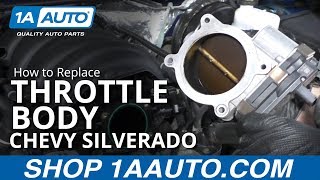
- Throttle Body Assembly
(OEM #12678224)— This is the most common failure for code P2135, as the internal throttle position sensors fail. The sensors are not available separately. Part number 12678224 has been superseded by 12740725.
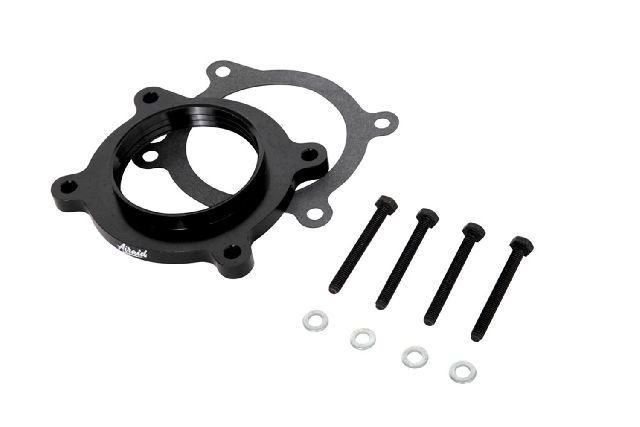
Trusted brands: ACDelco (OEM), Standard Motor Products, Hitachi, BBK Performance
OEM price range: $200-$300
Aftermarket price range: $150-$220
Related Codes That Often Appear With This One
- P1516 — This is a GM-specific code for 'Throttle Actuator Control (TAC) Module Throttle Actuator Position Performance'. It can appear with P2135 because the PCM detects a conflict between the commanded throttle position and what the failing sensors are reporting.
- P2119 — This code relates to 'Throttle Actuator Control Throttle Body Range/Performance'. If the PCM can't trust the position sensor data (P2135), it may also flag a fault with the throttle blade's movement.
- P0121 — This code for 'Throttle Position Sensor 'A' Circuit Performance' can appear alongside P2135, indicating a specific problem with one of the two sensors, which in turn causes the correlation fault.
Platform-Specific Known Issues
- While GM issued a special coverage adjustment (warranty extension #11273A) for this issue on the previous generation of Silverado (GMT900), no such official program exists for the 2014-2019 models, despite the continued high rate of failure for the throttle body.
Mechanic-Grade Diagnostic Values
- Throttle Position Sensor 1 (TPS1) and 2 (TPS2) Voltage Sweep — expected: The two sensors have opposing voltage sweeps. As the throttle opens, one sensor's voltage should increase (e.g., 0.5V to 4.5V) while the other decreases (e.g., 4.5V to 0.5V). The combined voltage of both sensors should remain constant at approximately 5.0V throughout the throttle range.. Failure: On a scan tool's graphing function, any glitches, dropouts to zero, or deviations from a smooth, opposing sweep indicates a failing sensor within the throttle body. The PCM will set P2135 if the voltage difference between the sensors exceeds a threshold (e.g., 0.2V) for more than a couple of seconds.
- Voltage Drop Test on Engine Grounds — expected: Less than 0.1V (100mV) between the ground point (e.g., G104 stud) and the negative battery terminal.. Failure: A reading higher than 0.1V indicates high resistance in the ground circuit, which can cause erratic sensor readings and mimic a component failure.
Scan Tool Commands That Help
- GDS2/Tech2 (or equivalent professional scan tool): Graphing Live Data for TPS1 and TPS2 — This is the primary diagnostic step to confirm a faulty throttle body. By graphing both TPS voltages simultaneously while slowly pressing and releasing the accelerator pedal (with the engine off, key on), a technician can visually confirm if the signals are clean, opposing, and consistent. A glitch or flat line in one of the sensor readings while the other is moving correctly is definitive proof of an internal throttle body failure.
Wiring & Ground Locations
- G103 / G104 — Main engine grounds typically bolted to the rear of the cylinder heads. G103 is often on the left (driver's side) rear of the engine block, and G104 may be on the right rear.. These are critical grounds for the engine control system. A loose or corroded connection at G103 or G104 can introduce electrical noise and unstable voltages to the entire sensor network, including the 5V reference for the throttle body, potentially causing a P2135 code without the throttle body itself being faulty.
- G107 — A braided ground strap that typically runs from the firewall to the rear of the driver's side cylinder head.. This strap ensures the engine block has a solid ground reference to the vehicle's chassis and body. A broken or corroded G107 strap can lead to intermittent and hard-to-diagnose electrical issues, including sensor correlation faults.
- Throttle Body Connector — The 8-pin electrical connector plugged directly into the electronic throttle body on the front of the intake manifold.. This is the direct interface for all power, ground, and signal wires for the throttle position sensors and the throttle actuator motor. Fretting corrosion, backed-out pins, or wire damage at this connector is a common point of failure that should be inspected before replacing the throttle body.
Real Owner Repair Stories
- GM-Trucks.com user (2014 Chevrolet Silverado 5.3L) — Intermittent "engine power reduced" message and traction control light, sometimes stalling. OnStar scan reported throttle position sensor reading high voltage.
❌ Tried (didn't work) Restarting the truck would temporarily clear the limp mode, but the check engine light would remain for several drive cycles before clearing itself.
✅ What actually fixed it The user took the truck to the dealer under warranty. The dealer diagnosed and replaced the entire throttle body assembly, which resolved the issue.
OEM Part Supersession History
12678224→12740725— Standard part evolution by the manufacturer, likely for minor internal improvements or supplier changes. Functionality remains identical.
Heads up: The parts are fully interchangeable for the 2014-2019 model years.
Diagnostic Flowchart
Other Known Issues on This Vehicle
Issues unrelated to this code that are worth knowing about as an owner of this generation:
- AFM/DFM Lifter Failure 🔴 High — Very common, can occur at a wide range of mileages (as low as 35,000). Leads to misfires (P0300), engine noise, and potentially catastrophic engine damage. (Ref: TSB 15-06-01-002H (and subsequent revisions) details diagnostic procedures and repair.)
- 8-Speed Transmission Shudder ('Chevy Shake') 🟠 Medium — Widespread on 2015-2019 models with 8L45/8L90 transmissions. Feels like driving over rumble strips, typically between 35-70 mph under light throttle. (Ref: TSB 18-NA-355 recommends a fluid flush with a specific type of Mobil 1 ATF.)
- A/C Condenser Leak 🟠 Medium — Common failure where the condenser cracks, allowing refrigerant to escape and the A/C to blow warm. A class-action lawsuit was filed regarding this issue. (Ref: Special Coverage Adjustment 17336 was issued for SUVs (Tahoe, Suburban, Yukon) but not explicitly for Silverado/Sierra, despite using similar parts.)
- Cracked Dashboard 🟡 Low — The plastic dashboard is prone to cracking, especially around the instrument cluster and passenger airbag area. This is a continuation of a problem from the previous generation. (Ref: No TSB or recall, but it is a widely discussed owner complaint. A class-action lawsuit for the previous generation was dismissed.)
- High-Pressure Fuel Pump Failure 🟠 Medium — The direct injection high-pressure fuel pump can fail, leading to stalling, rough running, and other driveability issues.
Used vs. New Parts: Buying Guide for This Vehicle
When a used part is the smart pick: It is strongly recommended to avoid used throttle bodies for this repair. The internal electronic sensors are a known high-failure part due to wear over time. A used part from a junkyard carries a high risk of having the same issue or failing shortly after installation.
Donor-vehicle mileage cap: roughly under 30000 miles for the part to have meaningful remaining life.
What to inspect on the donor part:
- Verify the part number matches the original or its supersession.
- Inspect the electrical connector pins for any signs of corrosion, damage, or being bent.
- Ensure the throttle blade moves smoothly by hand (with ignition off) and is not seized or excessively dirty.
- Check for any cracks or damage to the plastic housing of the sensor assembly.
OEM-only on this vehicle (don't cheap out):
- Throttle Body Assembly - While some aftermarket options exist, the OEM ACDelco part is the most reliable choice to ensure compatibility and avoid premature failure of the sensitive internal electronics.
Aftermarket brands forum-validated for this vehicle:
- Standard Motor Products (SMP)
- Hitachi
Brands owners have reported issues with on this vehicle:
- Unbranded, low-cost options from online marketplaces should be avoided due to inconsistent quality control with the internal sensors.
- Some users have reported issues with Dorman throttle bodies, such as bent pins out of the box or premature failure, though others have had success.
Real Owner Stories
Aggregated from forums and TSBs cited above. Mileages and costs reflect what owners reported in those sources.
2011 Chevrolet Silverado
Symptoms: P2135 code, reduced engine power, and service traction control message.
What fixed it: Replacing the TPS (as part of the throttle body), reprogramming the ECU, and performing a throttle relearn.
Source hint: gm-trucks.com: A thread titled 'P2135 code reduced engine power service traction contro' from 2015
Related OBD-II Codes
Frequently Asked Questions
Is there a warranty extension for the P2135 code on my 2014-2019 Chevrolet Silverado?
Can I just clean the throttle body on my 5.3L L83 to fix the P2135 correlation fault?
What specific part should I buy for my 2014-2019 Silverado to ensure the fix lasts?
Why is my Silverado showing 'Service Stabilitrak' along with the P2135 code?
Is there a specific TSB for the transmission shudder I'm feeling alongside these engine issues?
How do I perform the throttle relearn on my Silverado after replacing the assembly?
Helpful Videos
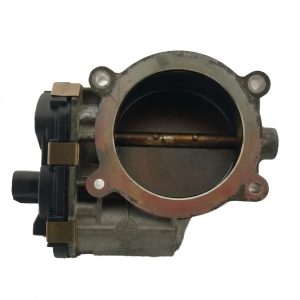
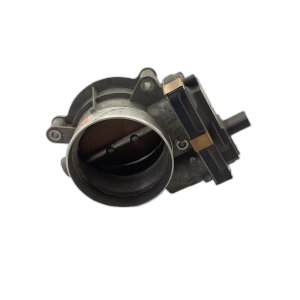
Used OEM Parts in Stock
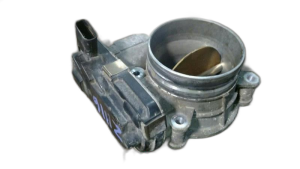
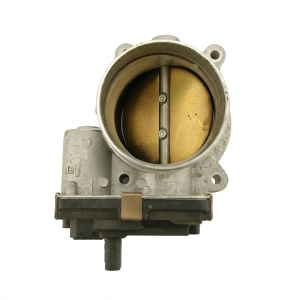
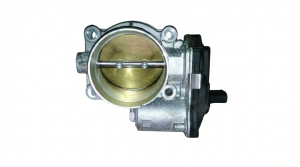
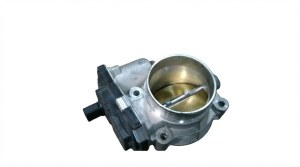
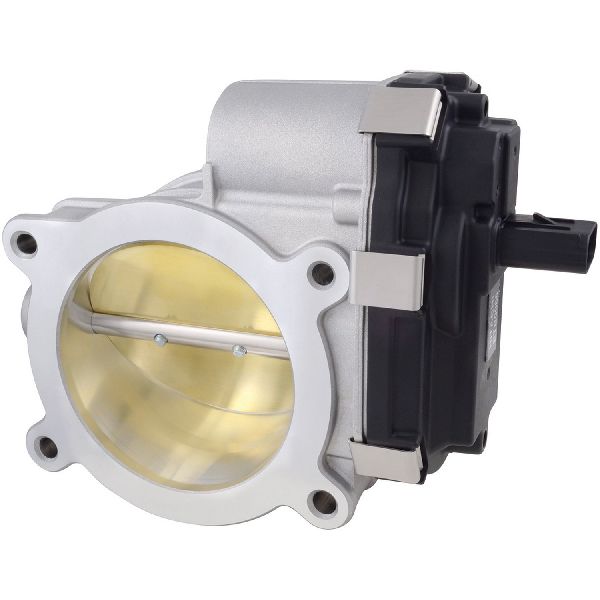
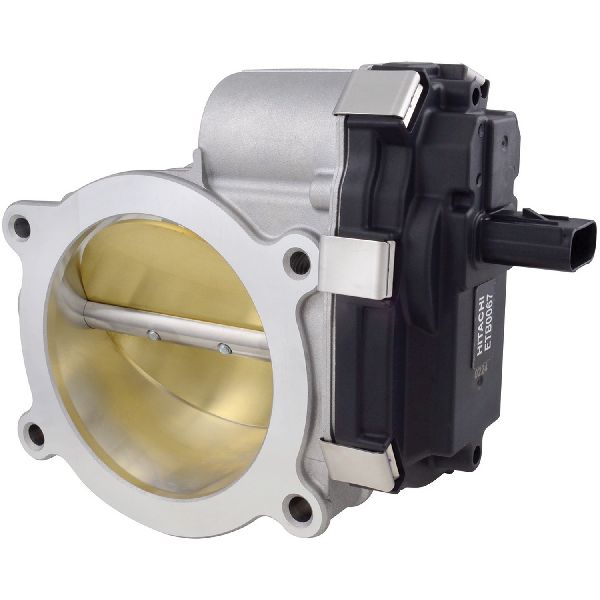
New Aftermarket Parts Available


The information in this article is provided for general reference and educational purposes only. Vehicle specifications, procedures, and part compatibility can vary by production date, trim level, and region. Always consult your vehicle's factory service manual and verify part numbers before purchasing or performing repairs. Safety-critical components such as airbags, seat belts, and braking systems should be installed by a qualified professional.
- Chevrolet Silverado:
- 🧭 Diagnostic Flowchart
- 🎬 Helpful Videos
- 🛍️ Shop This Part
- What's Unique About the 2014-2019 Chevrolet Silverado
- Symptoms You May Notice
- Most Likely Causes
- Rare But Worth Checking
- Diagnosis Steps
- Parts You'll Likely Need
- Related Codes That Often Appear With This One
- Platform-Specific Known Issues
- Mechanic-Grade Diagnostic Values
- Scan Tool Commands That Help
- Wiring & Ground Locations
- Real Owner Repair Stories
- OEM Part Supersession History
- Other Known Issues on This Vehicle
- Used vs. New Parts: Buying Guide for This Vehicle
- Real Owner Stories
- 2011 Chevrolet Silverado
- Related OBD-II Codes
- Frequently Asked Questions
- 🎟️ Get 5% Off