

P2135 on 2008-2011 Ford Focus: Throttle Position Sensor Failure Causes and Fixes
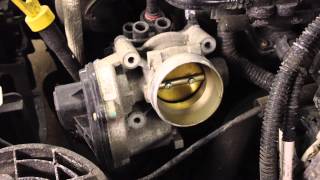
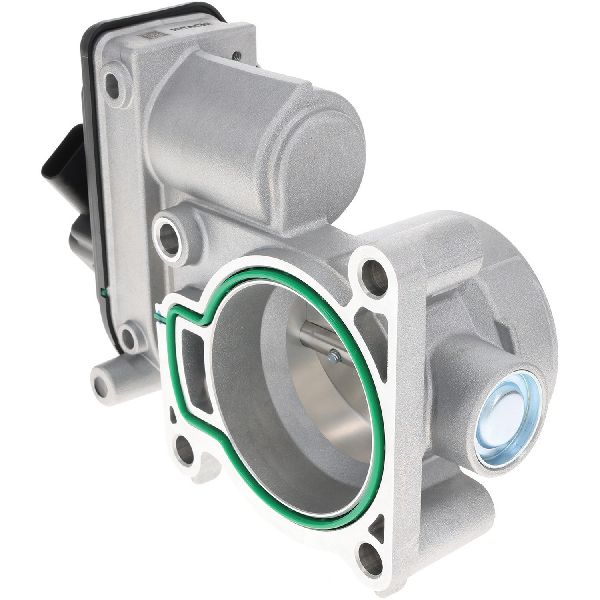
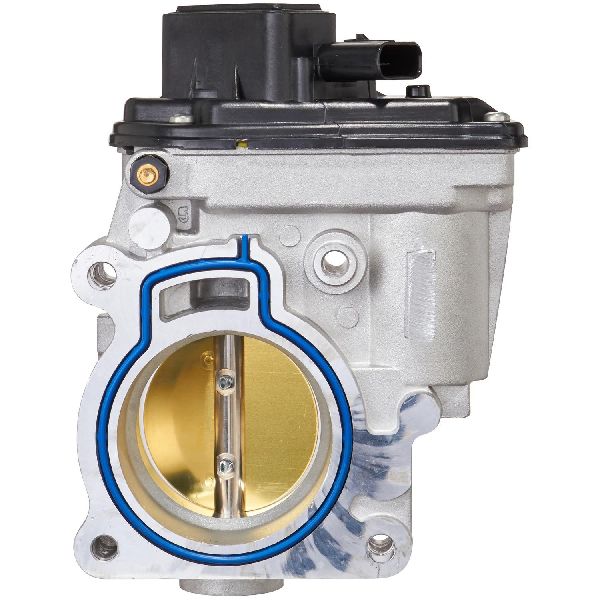
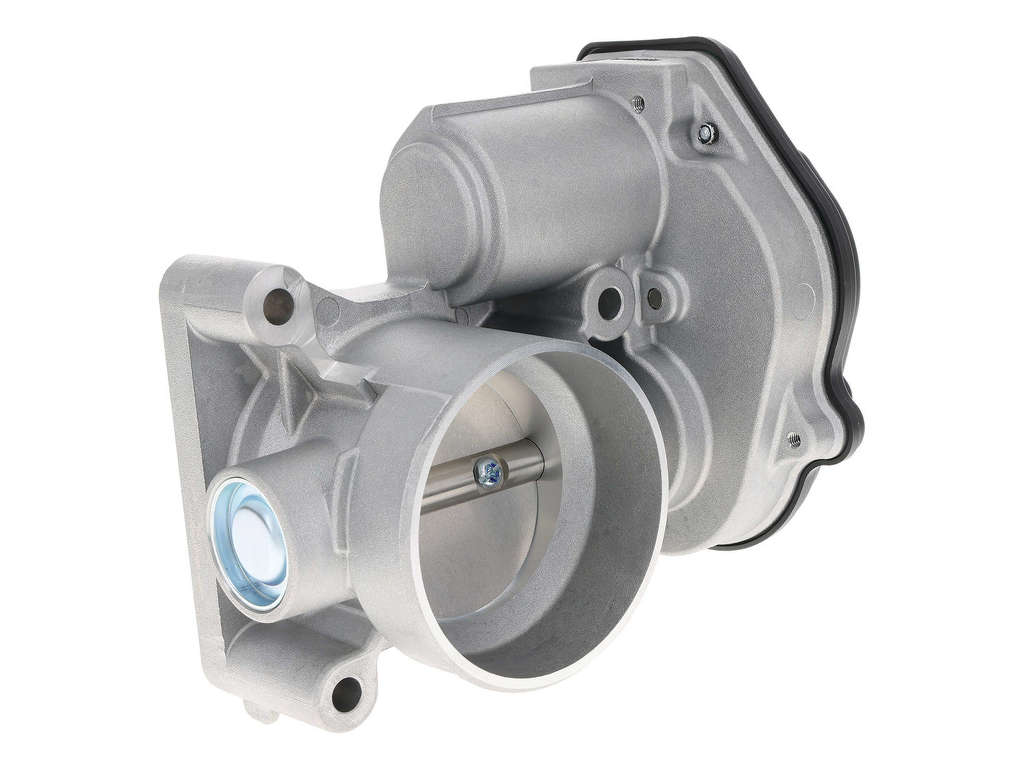
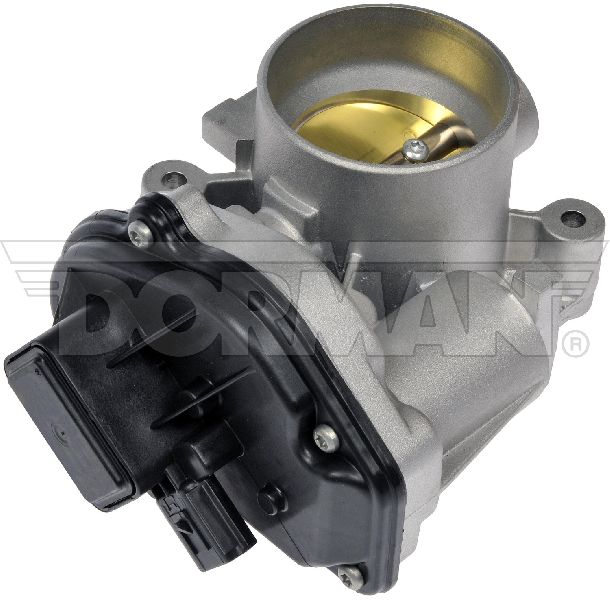
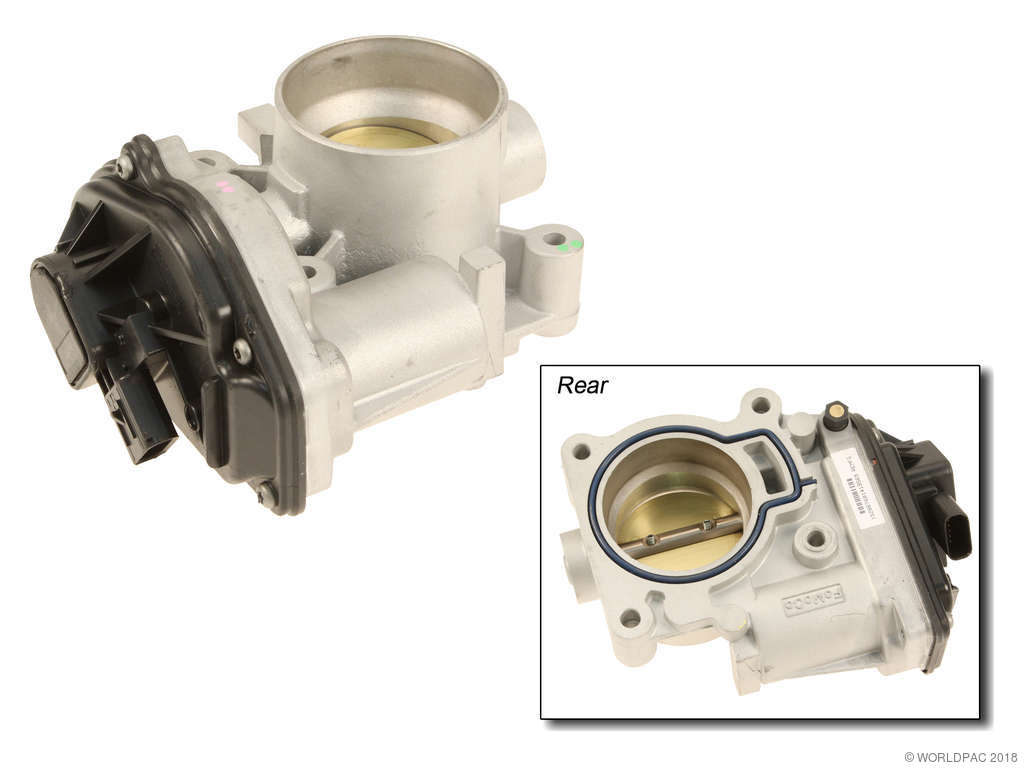
On a 2008-2011 Ford Focus with the 2.0L Duratec engine, code P2135 is almost always caused by a failing electronic throttle body. The throttle position sensors (TPS) are integrated and not sold separately. Replacing the entire throttle body assembly is the most common and reliable fix, which resolves the sudden 'limp mode' and erratic throttle behavior associated with this code.
- P2135 on a 2008-2011 Focus points directly to a disagreement between the two throttle position sensors.
- The most common cause by a wide margin is a faulty electronic throttle body assembly, OEM part number 8S4Z-9E926-B.
- The sensors cannot be replaced separately; you must replace the entire throttle body.
- This failure can cause the vehicle to suddenly lose power and enter 'limp mode,' which is a serious safety concern.
- After replacing the throttle body, it is critical to perform a battery reset (KAM reset) and an idle relearn procedure to allow the PCM to calibrate to the new part.
What's Unique About the 2008-2011 Ford Focus
The second-generation Ford Focus (2008-2011) in North America uses a 2.0L Duratec engine with an electronic throttle body. A key characteristic of this system is that the throttle position sensors (TPS) are built into the assembly and are not individually replaceable. While throttle body failures are more infamous on the next generation (2012-2018), this earlier model is also known to have issues that trigger the P2135 code, often leading to a sudden loss of power. The typical failure is the electronic components within the throttle body itself, sometimes due to corrosion on the internal contact pins.
Symptoms You May Notice
- Check Engine Light is on
- Wrench light (powertrain fault) is on
- Vehicle enters 'limp mode' with severely reduced engine power
- No or delayed throttle response
- Hesitation or stumbling on acceleration
- Rough or hunting idle
- Engine may stall, especially when coming to a stop
- Engine revving without pressing the accelerator
- Replacing the accelerator pedal assembly when the fault is in the throttle body.
- Cleaning the throttle body. While cleaning a dirty throttle plate can solve some idling issues, it will not fix the internal electronic fault that causes P2135.
Most Likely Causes
- Faulty Electronic Throttle Body Assembly 🔴 High Probability → Shop Fuel Injection Throttle Body The integrated throttle position sensors (TPS) are a common failure point. The internal electronic contacts, resistive strips, or Hall effect sensor can wear out or develop faults over time, causing the voltage signals to disagree. Corrosion on the connector pins can also be a cause.
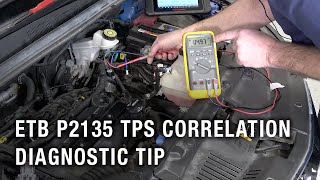
How to confirm: Use a scan tool to monitor the live data for TPS1 and TPS2 voltages. As you slowly press the accelerator pedal (with key on, engine off), the voltage readings should change smoothly and correlate (one may rise while the other falls). If one signal is erratic, jumps, or drops out, the throttle body is faulty. 🎬 Watch: How to diagnose TPS correlation faults using live data
Typical fix: Replace the entire electronic throttle body assembly. The sensors are not available as separate parts. After replacement, a throttle body relearn procedure is required. 🎬 See this step-by-step throttle body replacement guide
Est. part cost: $150-$300 - Wiring or Connector Issue ⚪ Low Probability While less common than outright throttle body failure, the wiring harness connector can become corroded or pins can loosen, disrupting the signal. In one documented case, a corroded wire at the throttle body was the culprit.
How to confirm: Visually inspect the wiring harness and connector going to the throttle body for any signs of damage, corrosion, or loose pins. With a scan tool graphing the TPS data, wiggle the connector and harness to see if the voltage readings spike or drop out.
Typical fix: Repair the damaged section of wiring or clean/replace the connector. Apply dielectric grease to the pins to prevent future corrosion.
Est. part cost: $10-$50
Rare But Worth Checking
- Faulty Powertrain Control Module (PCM): → Shop Engine Control Module (ECM) This is very rare. The PCM should only be suspected after the throttle body and wiring have been thoroughly checked and confirmed to be good.
- Faulty Accelerator Pedal Position (APP) Sensor: → Shop Accelerator Pedal Assembly While the code definition includes the pedal sensor, on this vehicle, the P2135 code almost always points to the throttle body. A faulty pedal sensor would typically set different codes. However, it remains a remote possibility if other components check out.
Diagnosis Steps
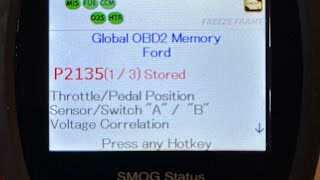
- Connect an OBD-II scanner and confirm that P2135 is the primary code stored.
- Access live data on the scanner and monitor the voltage readings for Throttle Position Sensor 1 (TPS1) and Throttle Position Sensor 2 (TPS2).
- With the engine off but the key in the 'ON' position, slowly press and release the accelerator pedal. Watch the voltage graphs. They should move smoothly and mirror each other (one may count up while the other counts down).
- If you see any spikes, dropouts, or erratic behavior from either sensor reading, the throttle body assembly is the most likely culprit.
- If the sensor data looks smooth, inspect the throttle body electrical connector for corrosion, moisture, or backed-out pins. Wiggle the harness while observing the live data to check for intermittent connections.
- Carefully inspect the wiring harness leading to the throttle body for any signs of chafing, breaks, or damage.
- After replacing the throttle body, perform a relearn procedure. A common method is to disconnect the battery for 15 minutes to reset the Keep Alive Memory (KAM). Then, turn the ignition on (engine off), slowly press the accelerator to the floor and release it, then turn the ignition off. Finally, start the engine and let it idle for several minutes to allow the PCM to calibrate.
Parts You'll Likely Need
- Electronic Throttle Body Assembly
(OEM #8S4Z-9E926-B (Motorcraft Part #))— This is the most common failure. The internal, non-serviceable throttle position sensors fail, causing the voltage correlation error.
Trusted brands: Motorcraft, Dorman (977-588), Hitachi (ETB0068)
OEM price range: $250-$400
Aftermarket price range: $150-$250
Related Codes That Often Appear With This One
- P2111 — This code means 'Throttle Actuator Control System - Stuck Open.' It often appears with P2135 because the PCM loses trust in the throttle position 🎬 Watch: Fixing P2111 and P2135 codes on a 2011 Focus and commands the actuator to a default state, which can be misinterpreted as being stuck. NHTSA ODI #10732826 and #10595772 both document instances where P2111 and P2135 occurred simultaneously, leading to dealership service.
- P2112 — This code means 'Throttle Actuator Control System - Stuck Closed.' Similar to P2111, it can be triggered as a result of the correlation fault detected by P2135.
Platform-Specific Known Issues
- Sudden Limp Mode: Owners frequently report a sudden and unexpected loss of power while driving, accompanied by the wrench light. This is the classic symptom of the P2135 throttle body failure on this platform. A user on Reddit with a 2010 Focus described the powertrain service light coming on, followed by limp mode and a very rough idle, which are hallmark symptoms. NHTSA ODI #10513400 describes a similar event where a vehicle went into "limp home mode" on the freeway with a CEL and code P2135.
- Internal Corrosion: A known failure point is corrosion developing on the electrical contact pins within the throttle position sensor and the wiring harness connector. Ford reportedly released revised parts with gold-plated pins to combat this issue on earlier models, indicating it's a recognized problem.
Mechanic-Grade Diagnostic Values
- Throttle Position Sensor (TPS) Voltage at Closed Throttle — expected: Approximately 0.5V - 0.7V (Key On, Engine Off). Failure: Voltage is 0V, stuck at 5V, or shows erratic readings when the throttle is not being moved.
- Throttle Position Sensor (TPS) Voltage at Wide Open Throttle (WOT) — expected: Approximately 4.0V - 4.5V (Key On, Engine Off). Failure: Voltage does not reach the expected range, drops out, or jumps erratically as the pedal is pressed to the floor.
- Correlation between TPS1 and TPS2 live data — expected: The two voltage signals should move smoothly and inversely or in parallel. The PCM expects the combined or compared values to remain within a very tight tolerance (e.g., under 0.2V difference).. Failure: When viewing a live data graph, one signal spikes, drops out, or becomes jagged while the other remains smooth. This disagreement triggers the P2135 code.
Scan Tool Commands That Help
- Ford IDS (or equivalent high-end scanner): KAM (Keep Alive Memory) Reset — This function should be performed after replacing the electronic throttle body. It clears the learned idle and fuel trim strategies from the PCM, forcing it to relearn the parameters for the new component. This is more targeted than simply disconnecting the battery.
- Ford IDS (or equivalent high-end scanner): Live Data Graphing (PID: TP1, TP2) — This is the primary diagnostic step. Graphing the two throttle position sensor PIDs simultaneously allows for visual confirmation of a voltage correlation fault. A technician can manipulate the throttle pedal and wiggle wires while watching for any dropouts or spikes in the signal lines.
Wiring & Ground Locations
- Throttle Body Connector (C140) — The 6-pin electrical connector plugged directly into the electronic throttle body assembly on the engine's intake.. This is the primary point of failure for wiring issues. Corrosion on the pins, backed-out pins, or damaged wires right at the connector can cause intermittent signal loss from one or both TPS sensors, directly causing a P2135 code.
- Throttle Body Connector Pinout — At the 6-pin connector (C140) on the throttle body.. Knowing the pinout allows a technician to perform targeted tests with a multimeter. The key pins are: TPS1 Signal, TPS2 Signal, 5V Reference (VREF), and Signal Return (Ground). Verifying 5V at the reference pin and a solid ground at the return pin is critical before condemning the throttle body.
- G100 / G104 — Main battery ground point, typically located on the chassis/fender apron near the battery and under the air filter box.. A poor main ground connection can introduce electrical noise and voltage fluctuations throughout the vehicle's sensor network. While not a common cause, a corroded or loose G100/G104 ground could potentially cause erratic sensor readings, leading to a P2135 code as an edge-case failure after more common causes have been ruled out.
Real Owner Repair Stories
- YouTube user 'speedkar' (2011 Ford Focus) — Check engine light with codes P2111 and P2135.
❌ Tried (didn't work) Initially assumed the entire throttle body needed replacement, which is the standard fix.
✅ What actually fixed it The user disassembled the plastic cover for the Hall effect sensor on the side of the throttle body. They found significant oxidation and contamination on the circuit board traces underneath. After desoldering the board, cleaning the oxidation off the copper pads with flux and a soldering wick, and resoldering the connections, the codes were resolved without replacing the entire throttle body.
When the Usual Fixes Don't Work
- While replacing the entire throttle body assembly is the most common and recommended fix, at least one documented case shows a successful repair by disassembling the sensor portion of the throttle body and cleaning oxidation from the internal circuit board. This is an advanced, high-skill repair that requires soldering and is not a typical procedure, but it confirms that the failure is often electronic degradation rather than a mechanical fault. Additionally, a case on the ScannerDanner forum, cited in Pass 2, highlights that even after multiple throttle body replacements, the root cause was ultimately a corroded wire in the harness connector, emphasizing the need to verify the wiring before assuming the new part is also faulty. NHTSA ODI #11097577 describes a similar frustration where P2111 and P2135 persisted even after replacing both the gas pedal and the throttle body.
OEM Part Supersession History
8S4Z-9E926-A→8S4Z-9E926-B— Standard part revision by the manufacturer, likely for improved reliability or minor design changes. The mention of gold-plated pins on revised parts suggests this change may have been to combat corrosion issues.
Heads up: The parts are interchangeable; 8S4Z-9E926-B is the correct and current service part for the entire 2008-2011 model year range.
Model Year Variations Within This Range
- 2008-2011: The 2.0L Duratec engine and associated electronic throttle body remained consistent throughout the North American second generation (2008-2011). No significant variations affecting the diagnosis or repair of P2135 have been identified within this model year range.
Diagnostic Flowchart
Other Known Issues on This Vehicle
Issues unrelated to this code that are worth knowing about as an owner of this generation:
- Passenger-Side Engine Mount Failure 🔴 High — Very common. The hydraulic-filled mount collapses, causing excessive engine vibration to be felt in the cabin, especially at idle and during acceleration.
- Ignition Lock Cylinder Failure 🟠 Medium — A common issue where the key will not turn in the ignition, or gets stuck. This is often due to worn tumblers (wafers) inside the lock cylinder.
- Door Latch Failure 🟠 Medium — The door latches, particularly on rear doors, can fail, preventing the door from closing or latching properly. This is often caused by moisture and debris causing rust in the mechanism.
- Warped Front Brake Rotors 🟡 Low — Owners often report a steering wheel shimmy or vibration when braking, especially from highway speeds, due to premature warping of the front brake rotors.
- Suspension Component Wear 🟠 Medium — Worn struts, shocks, and bushings can lead to poor handling, excessive bouncing, and noise over bumps as the vehicles age.
Used vs. New Parts: Buying Guide for This Vehicle
When a used part is the smart pick: A used throttle body is a high-risk, short-term option suitable only for budget-constrained situations or for confirming the diagnosis before buying a new part. Since the failure mode is internal electronic wear and corrosion, a used part from a donor vehicle may have the same issue or fail shortly after installation.
Donor-vehicle mileage cap: roughly under 80000 miles for the part to have meaningful remaining life.
What to inspect on the donor part:
- Check the electrical connector pins for any signs of green or white corrosion.
- Inspect the plastic housing for cracks or signs of previous disassembly.
- If possible, ask for the donor vehicle's mileage; lower is always better.
- Ensure the part number (8S4Z-9E926-B) matches exactly.
OEM-only on this vehicle (don't cheap out):
- Electronic Throttle Body
Aftermarket brands forum-validated for this vehicle:
- Motorcraft (OEM)
- Hitachi (Often an OEM supplier)
- Dorman (A common aftermarket alternative, some versions claim improved non-contact sensors)
Brands owners have reported issues with on this vehicle:
- Unbranded, no-name parts from online marketplaces should be avoided, as their quality control and sensor accuracy can be highly suspect, potentially causing performance issues or premature failure.
Real Owner Stories
Aggregated from forums and TSBs cited above. Mileages and costs reflect what owners reported in those sources.
2010 Ford Focus
Symptoms: The powertrain service light (wrench light) came on, followed by the vehicle entering limp mode and experiencing a very rough idle and hunting idle.
What fixed it: Replacement of the electronic throttle body assembly.
Source hint: Reddit - r/FordFocus - 2010 Focus P2135
2008 Ford Focus 2.0L
Symptoms: The P2135 code persisted even after replacing the throttle body twice and replacing the APP sensor.
What fixed it: Repairing a corroded wire found at the throttle body connector.
Source hint: ScannerDanner Forum - 2008 focus 2.0 standard shift
2008-2011 Ford Focus
Symptoms: Intermittent signal issues and P2135 code caused by contact corrosion on the TPS pins.
What fixed it: Installation of a revised throttle body part featuring gold-plated pins.
Source hint: Ford Owners Club - Error Code P2135 Tps
NHTSA Reported Case
Symptoms: An owner reported that the check engine light came on and a diagnostic check resulted in code P2135 for the throttle sensor.
What fixed it: NHTSA ODI #11231458 notes the owner was advised to research online fixes for this specific throttle sensor code.
NHTSA Reported Case
Symptoms: A driver experienced the vehicle entering "limp home mode" on the freeway with the CEL illuminated for code P2135.
What fixed it: The throttle body was replaced, and the problem did not recur (NHTSA ODI #10513400).
Related OBD-II Codes
Frequently Asked Questions
Can I just replace the sensors on my 2008-2011 Ford Focus throttle body to fix P2135?
What is the specific Ford part number I should look for when replacing the throttle body?
I heard Ford released updated parts for this issue; what was changed?
Do I need to perform a special procedure after installing a new throttle body on my Focus?
My 2010 Focus is shaking at idle; is this related to the P2135 code?
Is it safe to buy a used throttle body from a salvage yard for my Focus?
Helpful Videos
We Have This Part in Stock


The information in this article is provided for general reference and educational purposes only. Vehicle specifications, procedures, and part compatibility can vary by production date, trim level, and region. Always consult your vehicle's factory service manual and verify part numbers before purchasing or performing repairs. Safety-critical components such as airbags, seat belts, and braking systems should be installed by a qualified professional.
- Ford Focus:
- 🧭 Diagnostic Flowchart
- 🎬 Helpful Videos
- 🛍️ Shop This Part
- What's Unique About the 2008-2011 Ford Focus
- Symptoms You May Notice
- Most Likely Causes
- Rare But Worth Checking
- Diagnosis Steps
- Parts You'll Likely Need
- Related Codes That Often Appear With This One
- Platform-Specific Known Issues
- Mechanic-Grade Diagnostic Values
- Scan Tool Commands That Help
- Wiring & Ground Locations
- Real Owner Repair Stories
- When the Usual Fixes Don't Work
- OEM Part Supersession History
- Model Year Variations Within This Range
- Other Known Issues on This Vehicle
- Used vs. New Parts: Buying Guide for This Vehicle
- Real Owner Stories
- 2010 Ford Focus
- 2008 Ford Focus 2.0L
- 2008-2011 Ford Focus
- NHTSA Reported Case
- NHTSA Reported Case
- Related OBD-II Codes
- Frequently Asked Questions
- 🎟️ Get 5% Off