

P2135 on 2016-2022 Honda HR-V: Throttle Position Sensor Failure Causes and Fixes
On a 2016-2022 Honda HR-V, code P2135 is almost always caused by a failed throttle body assembly. The fix involves replacing the entire throttle body (OEM P/N: 16400-R1B-A01), replacing the gasket, and performing a mandatory idle relearn procedure. Before replacing, inspect the wiring harness at the throttle body connector for frayed wires, a known secondary cause. Expect to pay $200-$450 for the part.
- P2135 on a 2016-2022 HR-V means the two sensors inside the throttle body are sending conflicting signals to the engine computer.
- The most common fix is to replace the entire throttle body assembly, as the sensors are not sold separately.
- Always inspect the wiring harness at the throttle body connector for frayed wires before replacing parts, as this is a known secondary cause.
- An idle relearn procedure is mandatory after replacing the throttle body to prevent high or unstable idle.
What's Unique About the 2016-2022 Honda HR-V
For modern Hondas like the HR-V, the dual throttle position sensors are integrated directly into the electronic throttle body assembly and are not sold as separate components. This design means that a failure of either internal sensor, which is the most common cause of P2135, requires the replacement of the entire throttle body assembly. While the failure is common across many 'drive-by-wire' vehicles, the non-serviceable nature of the sensors on the HR-V's throttle body is the key takeaway for owners.
Symptoms You May Notice
- Check Engine Light is on
- Vehicle enters 'limp mode' or 'Reduced Power Mode'
- Drastic loss of power and slow acceleration
- Hesitation or stumbling when pressing the gas pedal
- Unstable, rough, or high idle
- Engine may stall, especially when coming to a stop
- Traction control or stability control light may also illuminate simultaneously with the Check Engine Light
- Replacing the Accelerator Pedal Position (APP) Sensor. The APP sensor has its own distinct trouble codes (like P2138 on Hondas). While it's possible for it to fail, P2135 specifically points to a correlation error between the two sensors located on the throttle body itself.
- Cleaning the throttle body. While cleaning a dirty throttle body is good maintenance for idle issues, it will not fix an internal electrical correlation fault between the sensors that causes P2135.
Most Likely Causes
- Failing Throttle Body Assembly 🔴 High Probability → Shop Fuel Injection Throttle Body The internal electronic throttle position sensors (TPS) are a common failure point. On this vehicle, they are integrated into the throttle body and cannot be replaced separately.
How to confirm: Use an OBD-II scan tool with live data capability. Graph the voltages for Throttle Position Sensor A and Throttle Position Sensor B (e.g., TP1/TP2). As the throttle is slowly applied with the key on and engine off, the voltages should move in a smooth, mirrored pattern without any spikes or dropouts. If one sensor's reading is erratic or doesn't track with the other, the assembly is faulty.
Typical fix: Replace the entire throttle body assembly with a new gasket. A mandatory idle relearn procedure must be performed after installation for the engine to idle correctly.
Est. part cost: $200-$450 - Wiring or Connector Issue ⚪ Low Probability The wiring harness leading to the throttle body can be under tension, causing wires to fray or break right at the point where they enter the connector. This can cause an intermittent connection that mimics a sensor failure.
How to confirm: Visually inspect the wiring harness and the 6-pin connector at the throttle body. Gently wiggle the wires near the connector while observing the live sensor data on a scan tool to see if the fault can be induced. Pay close attention to the insulation and for any exposed copper strands right at the back of the connector plug.
Typical fix: Repair the damaged section of the wiring harness or replace the connector pigtail. A commonly used replacement pigtail (originally for Toyota/Denso) is part number 90980-11858.
Est. part cost: $15-$50
Rare But Worth Checking
- Faulty Powertrain Control Module (PCM): → Shop Engine Control Module (ECM) This is extremely rare. All other possibilities, especially the throttle body and wiring, should be exhaustively ruled out before considering PCM replacement. Sometimes a PCM software update from the dealer can address over-sensitivity, but this is not a common fix for a persistent P2135.
- Low System Voltage: A weak or failing battery can cause unpredictable electronic issues across many systems. Before diagnosing complex sensor circuits, ensure the battery holds a proper charge (at least 12.4V) and the charging system is functioning correctly.
Diagnosis Steps
- Connect an OBD-II scanner and confirm P2135 is the active or pending code. Note any other codes.
- Clear the codes and test drive to see if the code returns. An immediate return indicates a hard fault.
- Turn the ignition off. Locate the throttle body at the end of the air intake tube.
- Crucial Step: Carefully inspect the 6-pin electrical connector and the wires leading into it. Look for signs of tension, frayed insulation, or broken wires right at the connector. Gently wiggle the harness while monitoring live data (Step 6) to check for intermittent faults.
- Using a scan tool with live data, monitor the voltage readings for TPS Sensor 1 and TPS Sensor 2 (or TP1/TP2).
- With the key on but the engine off, have a helper slowly press the accelerator pedal to the floor and release it. The two voltage readings should be smooth and correlate (e.g., one rises from ~0.5V to ~4.5V while the other falls from ~4.5V to ~0.5V). Any jumps, dropouts, or flat spots indicate a sensor failure.
- If the voltage readings are erratic, it confirms a faulty throttle body assembly (assuming wiring is good).
- If sensor data appears normal, the problem is likely intermittent. Check for poor pin connections at both the throttle body and the PCM.
- Idle Relearn Procedure (After Replacement): This step is mandatory after replacing the throttle body. Turn off all electrical accessories (A/C, radio, lights). Start the engine and let it warm up until the radiator fan cycles on at least once. Then, let the engine idle for a full 10 minutes.
Parts You'll Likely Need
- Throttle Body Assembly
(OEM #16400-R1B-A01)— This is the most common cause of P2135, as the internal throttle position sensors fail and are not serviceable separately.
Trusted brands: Honda (Genuine OEM), Hitachi (Often the OEM supplier), Spectra Premium, Bosch
OEM price range: $250-$450
Aftermarket price range: $150-$300 - Throttle Body Gasket
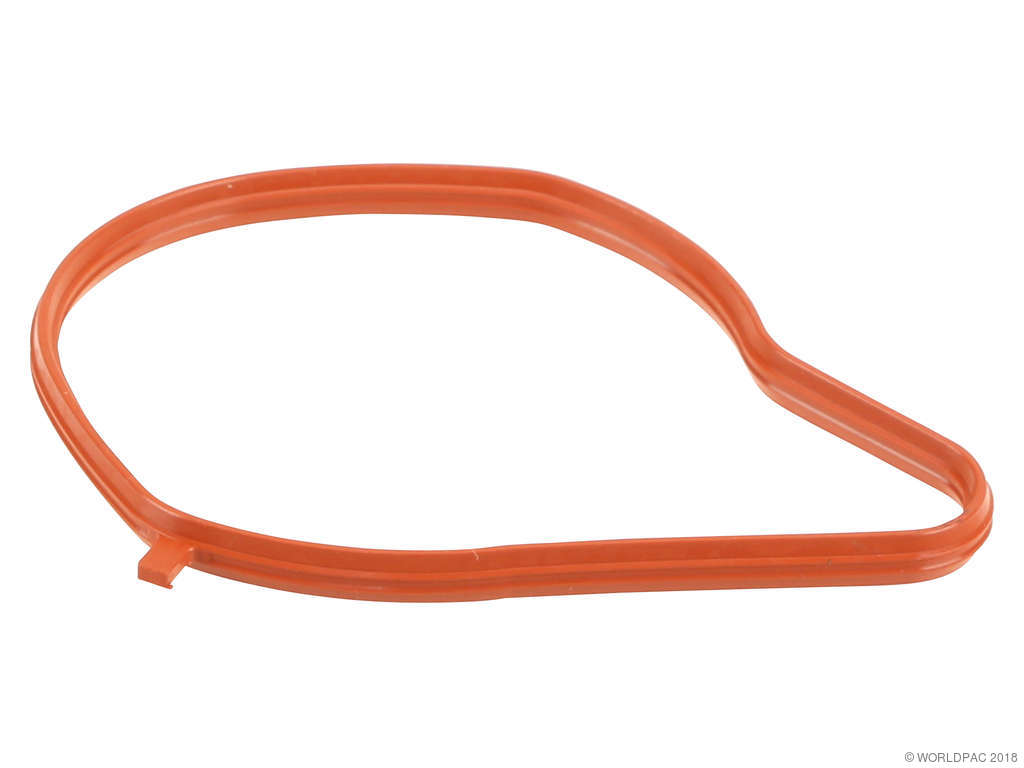
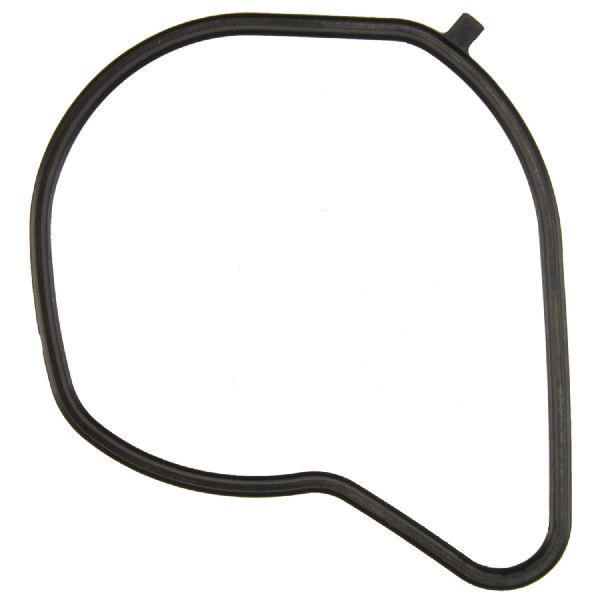
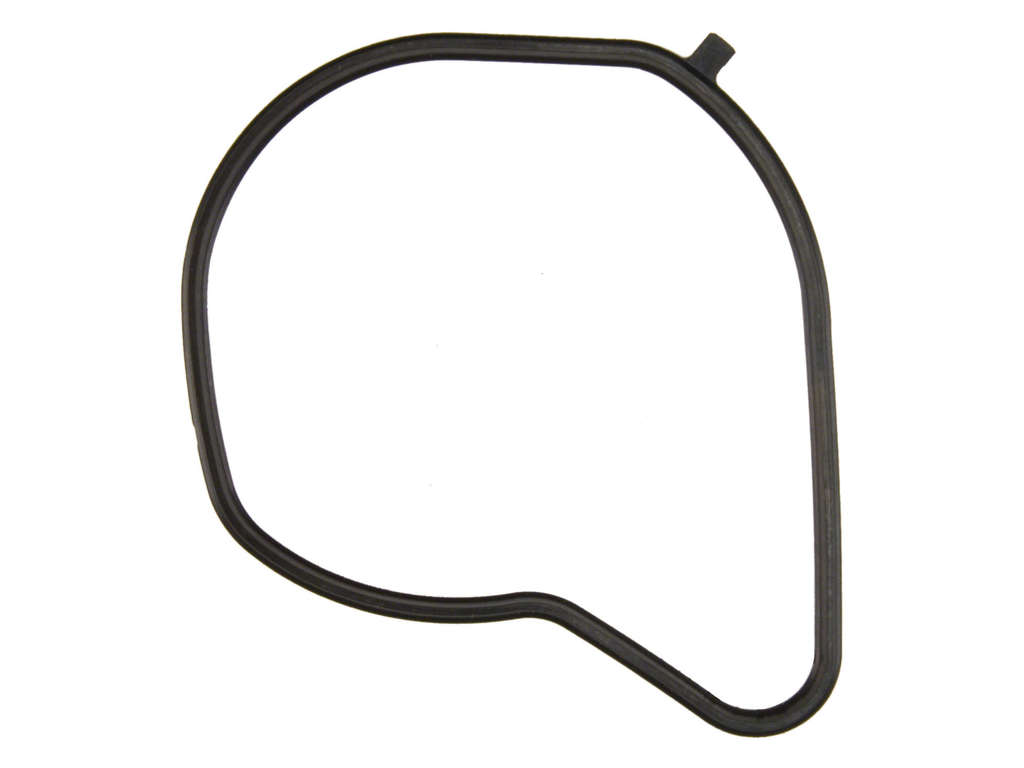
(OEM #16176-R1B-A01)— The gasket should always be replaced when the throttle body is removed to prevent vacuum leaks.
Trusted brands: Honda (Genuine OEM), Fel-Pro, Mahle
OEM price range: $10-$20
Aftermarket price range: $5-$15 - Throttle Body Connector Pigtail
(OEM #90980-11858 (Toyota P/N, confirmed fit))— In cases where the wiring has frayed at the connector, replacing the pigtail is the proper fix.
Trusted brands: Dorman, Standard Motor Products, Various aftermarket
OEM price range: N/A
Aftermarket price range: $15-$40
Related Codes That Often Appear With This One
- P0121 — This code indicates a performance problem with TPS Sensor 'A'. It can appear alongside P2135 if one sensor is failing in a way that also triggers a general performance fault in addition to the correlation error.
- P2101 — This code relates to the throttle actuator control motor. A failing throttle body can have both bad sensors (P2135) and a failing motor (P2101) simultaneously.
Technical Service Bulletins (TSBs) & Recalls
- No Honda-specific Technical Service Bulletins (TSBs) for P2135 on this platform were found in public databases as of early 2026. However, General Motors has issued TSBs (e.g., 12-06-04-003A) for the same code on their vehicles, which often points to terminal/wiring issues rather than component failure, highlighting the importance of checking the harness.
Platform-Specific Known Issues
- A well-documented issue on Honda forums involves the wiring harness being too taut, causing stress on the wires where they enter the throttle body connector. Over time, engine vibration and movement can cause a wire to fray and make intermittent contact, triggering P2135. This often happens after hitting a bump or during temperature changes.
Documented NHTSA Reports
- NHTSA ODI #11479189 describes a recurring issue where an owner experienced the P2135 code five times, which caused the dashboard to flash numerous warnings and forced the vehicle into an immediate limp mode.
- NHTSA ODI #10537865 notes a case where a technician found DTC P2135 for incorrect voltage correlation between TP sensors A and B; in this instance, the technician initially attempted to recalibrate the sensor to address the fault.
Mechanic-Grade Diagnostic Values
- Throttle Position Sensor 1 (TPS1) Voltage - Key On, Engine Off — expected: Approximately 0.5V - 0.7V at closed throttle, rising smoothly to ~4.5V at wide-open throttle.. Failure: Voltage is outside the expected range, does not change with throttle movement, or shows sudden spikes/dropouts when graphed.
- Throttle Position Sensor 2 (TPS2) Voltage - Key On, Engine Off — expected: Typically inverse or parallel to TPS1. For example, it may start at ~4.5V at closed throttle and decrease smoothly to ~0.5V at wide-open throttle. The sum of TPS1 and TPS2 voltages should remain constant.. Failure: Voltage does not track smoothly with TPS1, or the correlation between the two signals is lost (e.g., the sum of their voltages changes). This is the direct trigger for P2135.
- Throttle Body Connector Pin 1 to Ground - Key On, Engine Off — expected: Approximately 5.0 Volts (Reference Voltage).. Failure: Voltage is significantly lower than 5.0V or is absent, indicating a wiring issue or a problem with the PCM's 5V reference circuit.
Scan Tool Commands That Help
- Honda Diagnostic System (HDS): ETCS TEST (Electronic Throttle Control System Test) — This is a specific function within the dealer-level scan tool used to verify if the P2135 fault is currently active after clearing codes. Running this test is part of the official Honda diagnostic procedure to confirm a hard fault before proceeding with component replacement.
- Professional Scan Tool: Throttle Body Adaptation / Idle Relearn — This function is mandatory after replacing the throttle body. While a manual procedure exists, using a scan tool to initiate the relearn is faster and can confirm that the PCM has accepted the new throttle body's position values.
Wiring & Ground Locations
- G101 — Bolted to the engine block or thermostat housing area, on the left side of the engine bay.. G101 serves as a primary power and logic ground for the PCM. A loose, corroded, or broken G101 ground can cause erratic voltage readings for multiple engine sensors, including the throttle position sensors, potentially triggering a false P2135 code even with a perfectly good throttle body.
- Throttle Body Connector — A 6-pin connector plugged directly into the electronic throttle body assembly.. This is the single point of connection for both TPS sensor signals, the reference voltage, ground, and the throttle actuator motor. The pins for TPS1 and TPS2 signals (THL1 and THL2) must have perfect continuity to the PCM. A frayed wire or poor pin fit at this connector is a common cause of intermittent P2135 faults.
- PCM Connector C (51-Pin or 44-Pin depending on specific year/ECU) — Located at the Powertrain Control Module (PCM), typically in the engine bay or under the dashboard.. This is the destination for the throttle position sensor signals. Advanced diagnosis involves checking for continuity and shorts between the pins at this connector and the throttle body connector to rule out wiring faults. For example, on some models, one might check for continuity between PCM connector C20 and C21.
Real Owner Repair Stories
- 2CarPros Forum User (2006 Honda Accord (demonstrates a common Honda issue)) — Intermittent Check Engine Light with P2135, erratic engine behavior including surging, no power, and hunting for idle.
❌ Tried (didn't work) ECU re-flash, Replaced throttle body with a used part, Replaced accelerator pedal sensor, Replaced throttle body with a second used part, Resetting throttle position via scan tool (temporary fix)
✅ What actually fixed it The user was advised that the intermittent nature despite multiple part swaps pointed towards a faulty Throttle Actuator Control Module or a persistent wiring/connection issue that was being missed. The final resolution was not posted, but the story highlights the frustration of throwing parts at an intermittent P2135 without exhaustive wiring diagnosis.
OEM Part Supersession History
16400-R1B-A01→16400-R1B-A01— No supersession found. The part number appears to be stable for the specified vehicle range.
Heads up: This part number is also used on the 2012-2015 Honda Civic 1.8L, indicating a wide application across Honda's 1.8L engines of that era.
Model Year Variations Within This Range
- 2019-2022: The HR-V received a facelift for the 2019 model year which included technology and trim updates. However, the 1.8L engine and its associated electronic throttle control system, including the throttle body part number, remained the same. Therefore, the causes and fixes for P2135 are identical across the entire 2016-2022 range.
Diagnostic Flowchart
Used vs. New Parts: Buying Guide for This Vehicle
When a used part is the smart pick: A used throttle body is generally NOT recommended for this repair. The internal electronic sensors are a known wear item, and a used part from a junkyard carries a high risk of having the same fault or developing it shortly after installation. Given the labor involved and the critical nature of the part, the risk of a quick failure outweighs the cost savings.
Donor-vehicle mileage cap: roughly under 40000 miles for the part to have meaningful remaining life.
What to inspect on the donor part:
- Verify the part number (16400-R1B-A01) matches exactly.
- Inspect the 6-pin connector for any bent, corroded, or damaged pins.
- Ensure the throttle plate moves freely without binding (do not force it by hand).
- If possible, get a part from a vehicle with the lowest possible mileage and a known history (e.g., collision damage, not engine failure).
OEM-only on this vehicle (don't cheap out):
- Throttle Body Assembly
Aftermarket brands forum-validated for this vehicle:
- Hitachi (often the original equipment manufacturer)
- Bosch
Brands owners have reported issues with on this vehicle:
- Unbranded, 'white-box' parts from online marketplaces. Forum discussions across many manufacturers frequently report that cheap aftermarket throttle bodies can be improperly calibrated, fail quickly, or cause the P2135 code to return.
Real Owner Stories
Aggregated from forums and TSBs cited above. Mileages and costs reflect what owners reported in those sources.
2009-2020 Honda Fit
Symptoms: Owner experienced an intermittent P2135 code over several years, causing unpredictable limp mode and power loss.
What fixed it: After suspecting other components, the problem was ultimately traced to a frayed wire in the throttle body connector harness, which was repaired by replacing the connector pigtail.
Source hint: Unofficial Honda FIT Forums (FitFreak.net) - P2135 Causes and Fixes
2016-2022 Honda HR-V
Symptoms: The P2135 code and associated limp mode would trigger intermittently, often after the vehicle hit a bump or during significant temperature changes.
What fixed it: The issue was caused by the factory wiring harness being too taut, causing a wire to fray at the throttle body connector. Repairing the damaged wire resolved the intermittent fault.
Source hint: Vehicle-specific issues section describing a well-documented issue on Honda forums.
Honda Pilot
Symptoms: An owner reported experiencing the P2135 code five times within a single year, which caused the dashboard to display numerous flashing warnings and forced the vehicle into an immediate limp mode (NHTSA ODI #11479189).
What fixed it: Not specified in the report, but the recurring nature of the fault highlights the severity of the limp mode response.
Source hint: NHTSA ODI #11479189
Honda Accord
Symptoms: A technician identified DTC P2135 indicating an incorrect voltage correlation between TP sensors A and B (NHTSA ODI #10537865).
What fixed it: The technician initially attempted to recalibrate the TP sensor to resolve the correlation error.
Source hint: NHTSA ODI #10537865
Chevrolet HHR
Symptoms: The intermittent P2135 code kept returning, even after the owner replaced the entire throttle body assembly, sometimes more than once.
What fixed it: The final fix was not the throttle body itself, but finding and repairing a frayed wire or a poor terminal connection within the electrical connector at the throttle body.
Source hint: Chevy HHR Network - What finally fixed your P2135 code?
Related OBD-II Codes
Frequently Asked Questions
Can I just replace the throttle position sensor (TPS) on my 2016-2022 HR-V instead of the whole throttle body for a P2135 code?
After installing a new throttle body on my HR-V, does the computer need to be reset?
My P2135 code and limp mode seem to happen randomly, especially after hitting a bump. What should I check first?
Are there any official Honda recalls or Technical Service Bulletins (TSBs) for code P2135 on the HR-V?
Is it safe to buy a cheap aftermarket or used throttle body to fix P2135?
The mechanic found a bad wiring connector at the throttle body. Is there a specific part number for a replacement pigtail?
My traction control light came on at the same time as the Check Engine Light for P2135. Is this related?
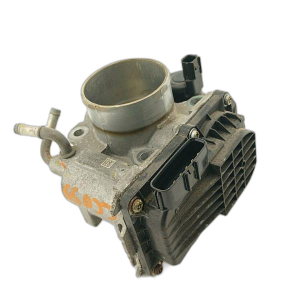
Used OEM Parts in Stock
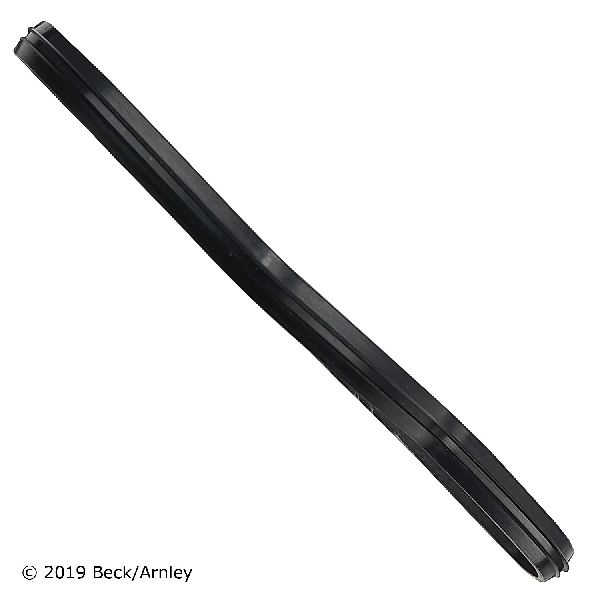
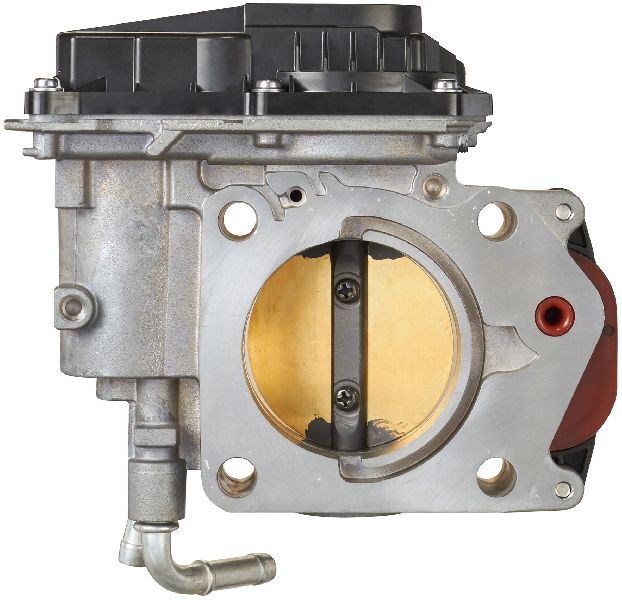
New Aftermarket Parts Available


The information in this article is provided for general reference and educational purposes only. Vehicle specifications, procedures, and part compatibility can vary by production date, trim level, and region. Always consult your vehicle's factory service manual and verify part numbers before purchasing or performing repairs. Safety-critical components such as airbags, seat belts, and braking systems should be installed by a qualified professional.
- Honda HR-V:
- 🧭 Diagnostic Flowchart
- 🛍️ Shop This Part
- What's Unique About the 2016-2022 Honda HR-V
- Symptoms You May Notice
- Most Likely Causes
- Rare But Worth Checking
- Diagnosis Steps
- Parts You'll Likely Need
- Related Codes That Often Appear With This One
- Technical Service Bulletins (TSBs) & Recalls
- Platform-Specific Known Issues
- Documented NHTSA Reports
- Mechanic-Grade Diagnostic Values
- Scan Tool Commands That Help
- Wiring & Ground Locations
- Real Owner Repair Stories
- OEM Part Supersession History
- Model Year Variations Within This Range
- Used vs. New Parts: Buying Guide for This Vehicle
- Real Owner Stories
- 2009-2020 Honda Fit
- 2016-2022 Honda HR-V
- Honda Pilot
- Honda Accord
- Chevrolet HHR
- Related OBD-II Codes
- Frequently Asked Questions
- 🎟️ Get 5% Off