

P2138 on 2005-2009 Chevrolet Trailblazer: 'Reduced Engine Power' Causes and Fixes
On a 2005-2009 Trailblazer, code P2138 almost always triggers the 'Reduced Engine Power' warning. The most common causes are a faulty Accelerator Pedal Position (APP) sensor or a poor electrical connection at the IP-to-body harness connector, as documented in GM Technical Service Bulletins. A new pedal assembly costs between $70 and $150, while a connector repair is much cheaper if done DIY. Before replacing any parts, inspecting the IP-to-body harness connector (often labeled X202 or C206) in t
- P2138 on a 2005-2009 Trailblazer will cause the vehicle to enter 'Reduced Engine Power' mode, making it unsafe for normal driving.
- Before buying any parts, you MUST inspect the large electrical connector in the driver's side kick panel for water damage or corrosion, as this is a very common, documented issue (TSB #070604019F).
- If the connector is clean and dry, the most likely culprit is the accelerator pedal assembly, which contains the APP sensors.
- Replacing the accelerator pedal assembly is a DIY-friendly job that requires basic tools and about an hour.
- Do not replace the throttle body unless you have confirmed the pedal and wiring are good, or if it is visibly damaged or extremely dirty.
What's Unique About the 2005-2009 Chevrolet TRAILBLAZER
The Chevrolet Trailblazer and its GMT360 platform mates (GMC Envoy, Buick Rainier, etc.) are uniquely prone to this code due to a well-documented issue with water intrusion. GM issued multiple Technical Service Bulletins (TSBs) pointing to the Instrument Panel (IP) to body harness connector (X202 or C206), located in the driver's side kick panel, as a common failure point. Water can leak from the A-pillar, sunroof drains, or windshield seals, causing corrosion on the APP sensor circuit pins within this connector. This leads to a P2138 code even when the pedal sensor itself is perfectly fine. This makes inspecting this specific connector a critical first step, unlike on many other vehicles where the pedal assembly is the immediate suspect. Another less common but notable issue on this platform is the 5-volt reference circuit being affected by a short in the electric fan clutch wiring, which can also trigger this code.
Diagnostic Flowchart
Tap your situation to follow the diagnostic path that matches what you're seeing on this vehicle.
Symptoms You May Notice
- "Reduced Engine Power" message displayed on the dashboard.
- Check Engine Light (Malfunction Indicator Lamp) is on.
- Severely limited acceleration or unresponsive throttle pedal.
- Engine may hesitate or stall.
- Unstable or high idle speed.
- Throttle may feel stuck or unresponsive.
- Replacing the accelerator pedal assembly without first inspecting the IP-to-body harness connector (X202/C206) for water damage. The TSBs explicitly warn against this.
- Replacing the throttle body when the issue is actually a wiring or pedal sensor fault.
Most Likely Causes
- Water Intrusion/Corrosion at IP-to-Body Harness Connector (X202/C206) 🔴 High Probability → Shop Body Wiring Harness As identified in GM TSBs #07-06-04-019E and #070604019F, the connector in the driver's side kick panel is susceptible to water leaks from the A-pillar, sunroof drains, or windshield seals, causing corrosion on the APP sensor circuit pins. This corrosion creates a voltage discrepancy between the two APP sensor signals that the PCM detects.
How to confirm: Pull back the driver's side kick panel and locate the large IP-to-body harness connector (labeled X202 or C206). Unplug it and inspect for any signs of moisture, green/white corrosion, or damaged/recessed pins. A water hose test on the windshield and A-pillar area may be needed to find the source of the leak.
Typical fix: Clean the connector terminals with a dedicated electronic cleaner and a small brush if corrosion is minor. If terminals are damaged, the connector may need to be repinned or the pigtail replaced. The source of the water leak must be found and sealed to prevent recurrence. Some technicians recommend bypassing the connector entirely for the APP circuits by running new wires directly from the pedal harness to the PCM harness.
Est. part cost: $10-$50 - Faulty Accelerator Pedal Position (APP) Sensor 🔴 High Probability → Shop Accelerator Pedal Assembly The APP sensor is a high-use electronic component that wears out over time. It is integrated into the accelerator pedal assembly and is not serviceable separately. It's crucial to distinguish between fixed and power-adjustable pedal types when ordering a replacement, as they are not interchangeable.
How to confirm: Using a scan tool with live data, monitor the APP Sensor 1 and APP Sensor 2 voltages or percentages while slowly pressing and releasing the pedal. The voltages should change smoothly and correlate with each other (one rising, one falling). Any jumps, dropouts, or flat spots indicate a failing sensor.
Typical fix: Replace the entire accelerator pedal assembly. It is typically held in place by three 10mm bolts under the dashboard. The top bolt can be difficult to access. No special programming is usually required after installation, but a throttle relearn procedure may be beneficial.
Est. part cost: $70-$150 - Dirty or Faulty Throttle Body 🟡 Medium Probability → Shop Fuel Injection Throttle Body Carbon and grime can build up in the throttle body over time, causing the throttle plate to stick or move slowly. This can create a mismatch between the pedal's request and the throttle's actual position, sometimes triggering a P2138.
How to confirm: Remove the air intake hose from the throttle body and visually inspect for heavy carbon buildup around the throttle plate and bore. Check if the plate moves smoothly by hand (with the engine off).
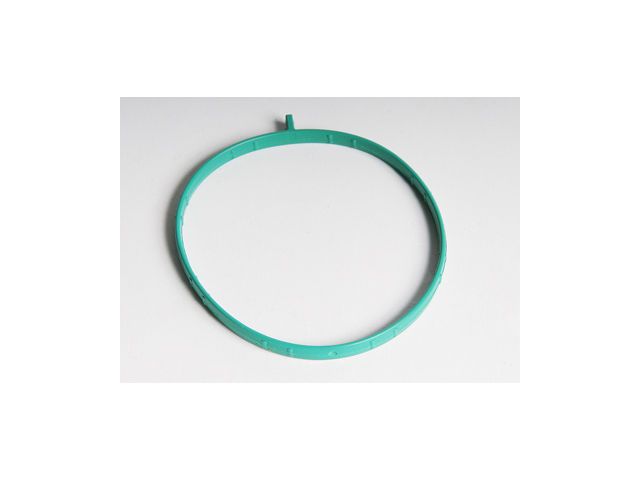
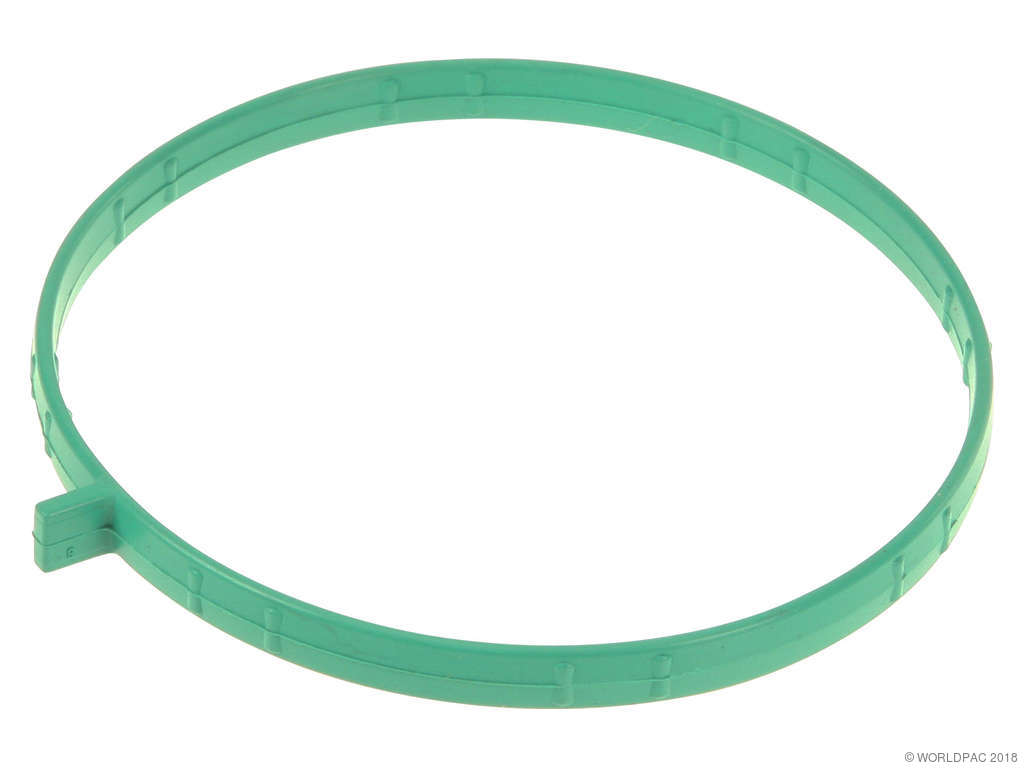
Typical fix: Clean the throttle body thoroughly with a dedicated throttle body cleaner and a soft brush, being careful not to damage the surfaces or let debris fall into the intake. A new gasket is recommended upon reinstallation. If cleaning doesn't help or the internal motor is faulty, the throttle body needs replacement. A throttle relearn procedure is recommended after cleaning or replacement.
Est. part cost: $5-$10 for cleaner, $150-$250 for a new throttle body - Wiring or Connector Issues at the APP Sensor ⚪ Low Probability The wiring harness leading to the pedal can be stressed or damaged from foot movement or items under the dash. The connector pins can also lose tension over time.
How to confirm: Visually inspect the wiring and connector at the accelerator pedal for damage. Perform a 'wiggle test' on the harness while monitoring live APP sensor data on a scan tool to see if the signal cuts out.
Typical fix: Repair the damaged section of wiring or replace the connector pigtail. Ensure the locking tab on the connector is fully engaged. Applying dielectric grease to the connector can help prevent future moisture issues.
Est. part cost: $15-$30
Rare But Worth Checking
- Faulty Powertrain Control Module (PCM): → Shop Engine Control Module (ECM) This is a last resort after all other possibilities, including wiring, have been exhaustively checked. A PCM failure for this code is uncommon.
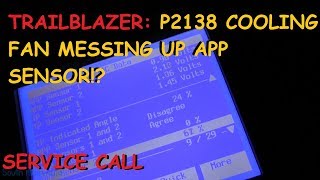
- Shorted Electric Fan Clutch Wiring: On GMT360 platform trucks, a short in the wiring for the electric radiator fan clutch can cause a 5-volt reference circuit fault, which is shared by the accelerator pedal sensors. A YouTube video on a 2005 GMC Envoy showed wiggling the fan clutch harness caused the 5V reference to drop, triggering P2138 and other codes after the owner had already replaced the pedal and throttle body.
- Corroded Body Ground Straps: On GM trucks, corroded braided ground straps can cause numerous intermittent electrical issues, including this code. A key ground to inspect is G107, located on the lower left side of the engine block.
Diagnosis Steps
- Read the code with an OBD-II scanner to confirm P2138 is present and note any other codes, especially P0641.
- CRITICAL STEP: Pull the driver's side kick panel and unplug the large IP-to-body harness connector (X202/C206). Inspect thoroughly for green or white corrosion, moisture, or pushed-out pins, as per TSB #07-06-04-019F. This is the most common vehicle-specific failure point.
- If the connector is corroded, clean or repair it and address the source of the water leak (sunroof drain, windshield seal, etc.).
- If the connector is clean, use a scan tool to view live data for APP Sensor 1 and APP Sensor 2.
- Slowly press and release the accelerator pedal. Watch the voltage or percentage readings for both sensors. They should move smoothly without any glitches, spikes, or dropouts. A divergence greater than 0.5V between the signals can trigger the code.
- If the data is erratic, the Accelerator Pedal Position (APP) sensor (as part of the pedal assembly) is likely faulty. Ensure you order the correct part for fixed vs. power-adjustable pedals.
- If the sensor data is smooth, perform a 'wiggle test' on the wiring harness at the pedal, at the IP-to-body connector, and at the electric fan clutch connector while monitoring live data to check for intermittent shorts.
- If all wiring and the APP sensor check out, inspect the throttle body for excessive carbon buildup that could be restricting movement. Clean if necessary and perform a throttle relearn procedure.
- As a final, rare step, consider the PCM as the potential cause if all other components and wiring have been proven to be good.
Parts You'll Likely Need
- Accelerator Pedal Assembly
(OEM #ACDelco 19370278 (for 2006-2009 w/o adjustable pedals))— This is the most common part to fail that causes a P2138 code, after ruling out wiring issues. The assembly contains the non-serviceable APP sensors.
Trusted brands: ACDelco, Standard Motor Products, Dorman (699-108)
OEM price range: $100-$180
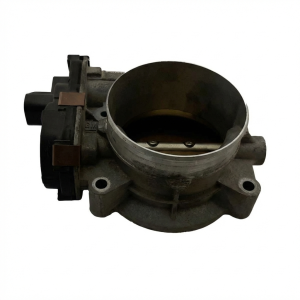
Aftermarket price range: $70-$150 - Throttle Body — If cleaning does not resolve a sticking throttle plate, or if the internal electronics have failed, the entire unit must be replaced.
Trusted brands: ACDelco, Hitachi, Cardone
OEM price range: $200-$300
Aftermarket price range: $150-$250 - IP-to-Body Connector Pigtail/Terminals — If the connector in the kick panel is severely corroded, the damaged terminals or a section of the harness may need to be replaced to ensure a reliable connection.
Related Codes That Often Appear With This One
- P2135 - Throttle/Pedal Position Sensor/Switch 'A'/'B' Voltage Correlation
- P0641 - Sensor Reference Voltage 'A' Circuit/Open (often seen with fan clutch issue)
- P2122 - Throttle/Pedal Position Sensor/Switch 'D' Circuit Low Input
- P2123 - Throttle/Pedal Position Sensor/Switch 'D' Circuit High Input
- P2128 - Throttle/Pedal Position Sensor/Switch 'E' Circuit High Input
Technical Service Bulletins (TSBs) & Recalls
- 070604019F: Intermittent Malfunction Indicator Lamp (MIL) Illuminated, DTC P2138 With Reduced Engine Power (Repair Instrument Panel (IP) To Body Harness Connector).
- 07-06-04-019E: An earlier revision of the same bulletin with the same guidance.
Platform-Specific Known Issues
- GM Technical Service Bulletin #070604019F (and earlier revisions) specifically calls out water intrusion into the IP-to-body harness connector (X202) as a primary cause for P2138 on these vehicles. The bulletin advises against replacing the pedal assembly before thoroughly inspecting this connector.
- A short circuit in the electric fan clutch wiring can pull down the shared 5-volt reference line, causing the APP sensor to send faulty data and trigger a P2138 code.
Mechanic-Grade Diagnostic Values
- APP Sensor 1 and 2 Voltage Correlation — expected: Both sensors should show smooth voltage changes as the pedal is pressed. One typically sweeps from ~0.75V to ~4.75V and the other does the opposite. The PCM expects the signals to remain within a certain tolerance of each other.. Failure: A voltage divergence greater than 0.5V between the two sensor signals can trigger the fault. Any spikes, dropouts, or non-linear response on a scan tool's live data graph indicates a faulty sensor.
- APP Sensor Connector Pin Voltages (Key On, Engine Off) — expected: Pin C (Tan): 5V Reference; Pin F (White/Black): 5V Reference; Pin A (Purple): Ground; Pin D (Brown): Ground.. Failure: Voltage significantly below 5V on the reference pins or any voltage reading on the ground pins indicates a wiring or PCM issue.
Hidden / Shadow Codes Worth Checking
- P2138:00: This is a GM-specific sub-code format for the same fault, indicating a voltage correlation error between APP sensors D and E. (see via May be displayed on professional-grade scan tools like the GM Tech2 or GDS2, providing a slightly more specific fault identifier than a basic reader.)
Scan Tool Commands That Help
- GM Tech2/GDS2 or equivalent professional scanner: Idle Relearn / Throttle Relearn — This function should be used after cleaning or replacing the throttle body, or after disconnecting the battery for an extended period. It forces the ECM to recalibrate the closed throttle position and idle airflow, which can resolve idle instability or prevent related codes after service.
Wiring & Ground Locations
- APP Connector (at pedal) — Directly connected to the accelerator pedal assembly under the driver's side dashboard.. This is the origin of the two sensor signals. A loose connection or damaged pins here will directly cause the P2138 code. The pinout is: A-Ground, B-Sensor 2 Out, C-5V Ref, D-Ground, E-Sensor 1 Out, F-5V Ref.
- X202 / C206 — Large harness connector located behind the driver's side kick panel, where the instrument panel harness meets the body harness.. This connector is the subject of GM TSB #07-06-04-019F. The APP sensor signals pass through it, and it is highly prone to water intrusion and corrosion, making it a primary failure point for this code on the Trailblazer platform.
- G107 — On the lower left side of the engine block.. This is a key engine and sensor ground. A corroded or loose connection at G107 can create a floating ground, causing erratic voltage readings on various sensors, including the APP sensor's low reference circuits, which can trigger P2138.
Real Owner Repair Stories
- GMTNation.com forum user (2004 GMC Envoy (GMT360 platform mate)) — Reduced Engine Power light and P2138 code.
❌ Tried (didn't work) Replacing the accelerator pedal assembly.
✅ What actually fixed it The user found water and corrosion in the C206 connector located in the driver's kick panel. Cleaning the connector and letting it dry resolved the issue. - YouTube video by 'P2138 CHEVY TRAILBLAZER LOW POWER App sensor replacement' (2007 Chevrolet Trailblazer) — Code P2138, no power, sometimes stalls.
✅ What actually fixed it The mechanic diagnosed the issue as a faulty APP sensor and replaced the entire accelerator pedal assembly, noting it is a 'notorious problem' on these vehicles.
When the Usual Fixes Don't Work
- While replacing the accelerator pedal assembly is a very common fix, numerous owner accounts emphasize that it should not be the first step. A significant number of Trailblazer and Envoy owners have replaced the pedal, only for the P2138 code to return shortly after. The actual, final repair in many of these cases was addressing water intrusion and corrosion in the C206 body harness connector in the driver's kick panel, as detailed in GM's own service bulletins. This highlights the platform-specific nature of the problem and reinforces that inspecting the C206 connector is the most critical and cost-effective first diagnostic step.
OEM Part Supersession History
GM 19121979→ACDelco 19370278— Part update or manufacturer change.
Heads up: 19370278 is specified for 2006-2009 models without power adjustable pedals. The 2005 model or models with adjustable pedals may use a different part number. Always verify by VIN.
Model Year Variations Within This Range
- 2006-2009: The common accelerator pedal assembly replacement part is ACDelco #19370278, specified for these years (without adjustable pedals). This suggests the 2005 model year may have a different part number, requiring careful selection when ordering.
Helpful Videos
Used OEM Parts in Stock
New Aftermarket Parts Available



The information in this article is provided for general reference and educational purposes only. Vehicle specifications, procedures, and part compatibility can vary by production date, trim level, and region. Always consult your vehicle's factory service manual and verify part numbers before purchasing or performing repairs. Safety-critical components such as airbags, seat belts, and braking systems should be installed by a qualified professional.
- Chevrolet TRAILBLAZER:
- 🧭 Diagnostic Flowchart
- 🎬 Helpful Videos
- 🛍️ Shop This Part
- What's Unique About the 2005-2009 Chevrolet TRAILBLAZER
- Symptoms You May Notice
- Most Likely Causes
- Rare But Worth Checking
- Diagnosis Steps
- Parts You'll Likely Need
- Related Codes That Often Appear With This One
- Technical Service Bulletins (TSBs) & Recalls
- Platform-Specific Known Issues
- Mechanic-Grade Diagnostic Values
- Hidden / Shadow Codes Worth Checking
- Scan Tool Commands That Help
- Wiring & Ground Locations
- Real Owner Repair Stories
- When the Usual Fixes Don't Work
- OEM Part Supersession History
- Model Year Variations Within This Range
- 🎟️ Get 5% Off