

P2138 on 2006-2010 Hummer H3: Reduced Power, Causes, and Fixes
On a 2006-2010 Hummer H3, code P2138 almost always points to a problem with the accelerator pedal circuit, triggering 'Reduced Engine Power' mode. The most common cause is a faulty wiring connector (IP-to-body harness connector) near the driver's kick panel, which corrodes due to water leaks from clogged sunroof drains or bad seals, as noted in GM TSB #07-06-04-019F. Inspecting and cleaning this connector is the critical first step. If the wiring is okay, the accelerator pedal assembly itself (G
- P2138 on a Hummer H3 will almost always trigger the 'Reduced Engine Power' warning.
- Before buying any parts, you MUST inspect the large IP-to-body wiring connector behind the driver's side kick panel for corrosion from water leaks. This is a very common, well-documented problem per GM TSB #07-06-04-019F.
- The water leak is most often caused by clogged front sunroof drains. Cleaning and modifying these drains is a key part of a permanent repair.
- If the wiring is clean and intact, the next step is to replace the entire accelerator pedal assembly (GM Part #25955673).
- Do not mistake this code for a throttle body problem (P2135). P2138 points to the pedal side of the system.
What's Unique About the 2006-2010 Hummer H3
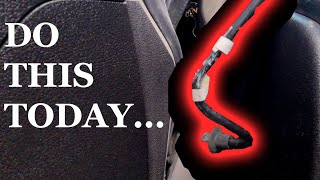
The Hummer H3, along with its GM platform mates like the Chevy Colorado and GMC Canyon, is uniquely prone to this code due to a well-documented wiring issue. Manufacturer Technical Service Bulletins (TSBs), specifically #07-06-04-019F, point directly to water leaking into the cabin and corroding the Instrument Panel (IP) to body harness connector located behind the driver's side kick panel. Common water sources are clogged sunroof drains, leaking A-pillar seals, or poor windshield/cowl sealing. This corrosion disrupts the sensitive 5-volt signals from the accelerator pedal, triggering the P2138 code and 'Reduced Engine Power' mode before the pedal sensor itself has actually failed. 🎬 Watch: A mechanic explains the real fix for GM P2138 codes. The TSB explicitly warns technicians *not* to replace the pedal assembly without first inspecting this connector.
Diagnostic Flowchart
Tap your situation to follow the diagnostic path that matches what you're seeing on this vehicle.
Symptoms You May Notice
- "Reduced Engine Power" message on the dashboard.
- Check Engine Light is on.
- Poor, delayed, or no acceleration.
- Vehicle feels sluggish or unresponsive.
- Engine may stall at stops.
- Unstable or rough idle.
- Replacing the throttle body. The code for a throttle body correlation error is typically P2135. While both parts are in the same electronic throttle control system, P2138 on an H3 and its platform-mates points overwhelmingly to the accelerator pedal side of the circuit.
Most Likely Causes
- Corroded or Damaged IP-to-Body Harness Connector 🔴 High Probability → Shop Body Wiring Harness GM issued multiple TSBs (e.g., #07-06-04-019F) for this exact issue. Water leaks from clogged sunroof drains, A-pillar seals, or the cowl area drip onto the connector in the driver's kick panel, causing corrosion on the APP sensor circuit pins.
How to confirm: Unplug the large electrical connector located behind the driver's side kick panel. Carefully inspect the pins and terminals on both sides for any green or white corrosion, bent pins, or signs of moisture. This is the first step recommended by GM before any parts are replaced.
Typical fix: Clean the connector terminals with an electrical contact cleaner if corrosion is minor. If corrosion is severe, the connector pigtail and any damaged wires must be replaced. Crucially, the source of the water leak must be found and repaired. This often involves cleaning or modifying the sunroof drain tube ends.
Est. part cost: $15-$50 for a new connector pigtail if needed. - Failed Accelerator Pedal Position (APP) Sensor Assembly 🔴 High Probability → Shop Accelerator Pedal Assembly After the wiring connector is confirmed to be clean and dry, the sensor integrated into the pedal assembly is the next most common failure point. It is a high-use electronic component that wears out over time, causing signal dropouts or incorrect voltage readings.
How to confirm: With a scan tool, monitor live data for 'APP Sensor 1' and 'APP Sensor 2'. Press the pedal slowly from idle to full throttle. The voltages should rise smoothly together (e.g., Sensor 1 from 0.9V to 3.3V, Sensor 2 from 1.5V to 2.0V). If one signal drops out, spikes, or doesn't mirror the other, the sensor assembly is bad. 🎬 See how to test your H3 accelerator pedal with a scanner.
Typical fix: Replace the entire accelerator pedal assembly. It is a single unit that bolts to the firewall and is not serviceable.
Est. part cost: $90-$150 for aftermarket, $200-$275 for OEM. - Chafed or Damaged Wiring Harness 🟡 Medium Probability Wiring harnesses in the engine bay or under the dash can rub against sharp edges or components, eventually wearing through the insulation and causing a short or open circuit.
How to confirm: Visually inspect the wiring harness running from the accelerator pedal to the IP-to-body connector, and from there into the engine bay towards the PCM. Perform a 'wiggle test' by gently moving sections of the harness while the engine is running and watching the live sensor data on a scan tool for any changes or dropouts.
Typical fix: Repair the damaged section of wire using solder and heat shrink tubing. Protect the harness from future rubbing using a protective loom or by re-routing it.
Est. part cost: $5-$20 for wire and loom.
Rare But Worth Checking
- Faulty Powertrain Control Module (PCM): → Shop Engine Control Module (ECM) This is very rare. The PCM should only be considered after all wiring, connector, and sensor issues have been definitively ruled out.
Diagnosis Steps
- Connect an OBD-II scanner and confirm P2138 is the primary code. Check for any other related codes.
- Access live data on the scanner. Graph the voltage outputs for 'APP Sensor 1' and 'APP Sensor 2'.
- Slowly press and release the accelerator pedal. The two voltage readings should mirror each other smoothly. Any dropouts, spikes, or flat spots indicate a problem, likely with the APP sensor itself.
- Crucial Step for H3: Gain access to the driver's side kick panel area by removing the plastic trim. Locate the large Instrument Panel (IP) to body harness connector.
- Disconnect the connector and carefully inspect both male and female sides for blue/green corrosion, bent pins, or any signs of water damage. This is the most common cause specified in GM TSB #07-06-04-019F.
- If corrosion is found, clean it thoroughly with electrical contact cleaner and a small brush. If the connector or terminals are badly damaged, they will need to be replaced. Let it dry completely before reconnecting.
- Find the leak: If water damage was present, you must find and fix the source. Check for clogged sunroof drains by pouring a small amount of water into the sunroof tray and seeing if it drains under the vehicle. The drain ends at the firewall are known to clog; they can be removed, cleaned, and modified to prevent future clogs. Also inspect windshield and A-pillar seals.
- If the connector is clean and dry, perform a 'wiggle test' on the harness from the pedal to the connector and into the engine bay while watching the live sensor data for any changes that would indicate a wiring fault.
- If all wiring and connectors are confirmed to be in good condition, the accelerator pedal assembly is the most likely cause and should be replaced.
Parts You'll Likely Need
- Accelerator Pedal Assembly
(OEM #25955673)— This is the most common part to fail after wiring issues are ruled out. The sensors are integrated into the pedal assembly and are not sold separately by GM. This part number supersedes the older part number 10376526.
Trusted brands: ACDelco (GM Genuine), Dorman, Standard Motor Products (SMP), Wells
OEM price range: $200-$275
Aftermarket price range: $90-$150
Technical Service Bulletins (TSBs) & Recalls
- 07-06-04-019F: The most current TSB, it addresses intermittent MIL, Reduced Engine Power, and DTC P2138 caused by water intrusion into the IP-to-body harness connector. It explicitly warns against replacing the pedal assembly before checking this connector.
- 07-06-04-019E: An earlier, superseded version of the same bulletin, also pointing to the harness connector as the cause for P2138.
- 07-06-04-019 (Initial version): Stated that if the kick panel is not sealed properly, water can enter and cause a short in the APP circuits, setting the P2138 code.
Platform-Specific Known Issues
- Water Intrusion at IP-to-Body Harness Connector: → Shop Body Wiring Harness A known water leak issue can cause corrosion in the IP-to-body harness connector, directly leading to code P2138. This is documented in GM Technical Service Bulletin #07-06-04-019F. The primary sources of the leak are clogged front sunroof drains which exit through the firewall behind the kick panels.
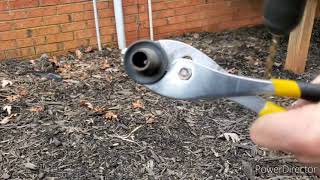
- Clogged Sunroof Drains: The front sunroof drain tubes have small rubber ends with flaps designed to keep insects out, but they easily clog with debris, causing water to back up and overflow into the cabin, dripping directly onto the critical wiring connector. Owners often fix this permanently by removing the end pieces and cutting out the internal flaps to allow for better drainage. 🎬 Watch: How to fix your leaking sunroof drains the right way.
Mechanic-Grade Diagnostic Values
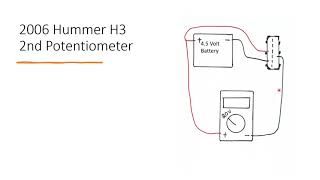
- APP Sensor 1 (Potentiometer 2) Voltage Test — expected: With the pedal connector facing you, positive lead to pin 3 and negative lead to pin 4. At idle, voltage should be ~0.9V. At full press, it should rise smoothly to ~3.3V.. Failure: Any spikes, dropouts, or a non-smooth voltage sweep indicates a faulty pedal assembly.
- APP Sensor 2 (Potentiometer 1) Voltage Test — expected: With the pedal connector facing you, positive lead to pin 1 and negative lead to pin 2. At idle, voltage should be ~1.5V. At full press, it should rise smoothly to ~2.0V.. Failure: Any spikes, dropouts, or a non-smooth voltage sweep indicates a faulty pedal assembly.
- APP Sensor Circuit Voltage Correlation Check (Scan Tool) — expected: Live data for APP Sensor 1 and APP Sensor 2 should show voltages that rise and fall in a consistent, mirrored pattern as the pedal is pressed and released. A divergence greater than 0.5V between the two signals can trigger the fault.. Failure: One sensor's voltage spiking, dropping to zero, or not moving while the other does.
Scan Tool Commands That Help
- Tech2 / GDS2 or equivalent professional scan tool: Idle Learn Reset / Throttle Position Reset — After replacing the accelerator pedal assembly or throttle body, or after disconnecting the battery for an extended period. While some GM vehicles have a manual relearn, a scan tool is recommended for the Hummer H3 to ensure the PCM accurately recalibrates the new component's idle and full-range positions.
Wiring & Ground Locations
- X205 — Large IP-to-body harness connector located behind the driver's side kick panel.. This is the specific connector identified in GM TSB #07-06-04-019F as being highly susceptible to corrosion from water leaks, directly causing the P2138 code. The APP sensor circuits pass through this connector.
- G300 — Under the driver's seat carpet, on the floorboard.. This is a major body ground point. A loose or corroded connection here can cause a variety of difficult-to-trace electrical issues, including unstable reference voltages for sensors like the APP.
- G103 — On the lower left side of the engine block.. This is a primary engine and ECM ground. A poor connection here can affect the PCM's ability to correctly read sensor inputs.
- Main Dash Grounds — A vertical row of up to five ground posts with nuts located up and to the left under the driver's side dash, behind the lower trim panel.. These grounds service many interior electronic components. They are known to come loose and can cause unexplained electrical problems, potentially affecting the APP sensor circuit which originates in this area.
Real Owner Repair Stories
- Hummer Forums user (Hummer H3 (year not specified)) — Recurring 'Reduced Power' mode with codes P2135, P060E, and P2138.
❌ Tried (didn't work) Replaced entire throttle body assembly (OEM part)., Replaced accelerator pedal assembly (OEM part)., Had the PCM 'flashed' (reprogrammed) by the dealer., Replaced the battery.
✅ What actually fixed it Replaced the original battery terminals with solid lead aftermarket terminals. The user noted that the original clamp/crimp style connections can corrode internally and cause intermittent connection loss, which was the root cause of the voltage-related codes.
OEM Part Supersession History
10376526→25955673— Standard part revision and update by GM.
Model Year Variations Within This Range
- 2008-2010: The 5.3L V8 engine became available as an option (Alpha models) starting in 2008. However, the P2138 fault, its primary cause (water leak at connector X205), and the accelerator pedal assembly are common to both the Inline-5 and V8 models as they share the same body, chassis, and core interior wiring.
Helpful Videos


The information in this article is provided for general reference and educational purposes only. Vehicle specifications, procedures, and part compatibility can vary by production date, trim level, and region. Always consult your vehicle's factory service manual and verify part numbers before purchasing or performing repairs. Safety-critical components such as airbags, seat belts, and braking systems should be installed by a qualified professional.
- Hummer H3:
- 🧭 Diagnostic Flowchart
- 🎬 Helpful Videos
- What's Unique About the 2006-2010 Hummer H3
- Symptoms You May Notice
- Most Likely Causes
- Rare But Worth Checking
- Diagnosis Steps
- Parts You'll Likely Need
- Technical Service Bulletins (TSBs) & Recalls
- Platform-Specific Known Issues
- Mechanic-Grade Diagnostic Values
- Scan Tool Commands That Help
- Wiring & Ground Locations
- Real Owner Repair Stories
- OEM Part Supersession History
- Model Year Variations Within This Range
- 🎟️ Get 5% Off