

P2146 on 2009-2011 Cadillac STS: Fuel Injector Circuit Fault Causes and Fixes
On a 2009-2011 Cadillac STS with the 3.6L V6 engine, code P2146 is almost always caused by a damaged fuel injector wiring harness that rubs against engine components. A well-documented GM TSB (PIP4924D) points to this as the primary cause. Inspecting the harness for chafing, especially under the intake plenum and near the valve covers, is the first and most critical diagnostic step.
- P2146 on a 2009-2011 STS is a critical code indicating a loss of power to a bank of fuel injectors.
- The most probable cause is a damaged fuel injector wiring harness, as documented in GM TSB #PIP4924D.
- Before replacing any parts, thoroughly inspect the wiring harness for chafing, especially where it touches the intake, valve covers, or fuel lines.
- Do not drive the vehicle, as it will run very poorly and you risk damaging the catalytic converters.
- Replacing the ECM should be the last resort after all wiring and injector tests have been completed.
What's Unique About the 2009-2011 Cadillac STS
For this generation of Cadillac STS and other GM vehicles with the 3.6L LLT V6 engine, the P2146 code is strongly linked 🎬 Watch: A quick overview of diagnosing the P2146 circuit code. to a specific design vulnerability. A GM Technical Service Bulletin (TSB #PIP4924D) points directly to the fuel injector wiring harness being prone to rubbing through its insulation at several contact points in the engine bay. Common chafe points include contact with the intake plenum, valve cover bolts, fuel lines, and on the side of the cylinder head under the plenum. This makes a wiring fault the primary suspect, rather than a faulty injector or ECM, which might be more common on other vehicles.
Diagnostic Flowchart
Tap your situation to follow the diagnostic path that matches what you're seeing on this vehicle.
Symptoms You May Notice
- Severe engine misfire and rough running.
- Engine is hard to start or will not start at all.
- Significant loss of engine power.
- Check Engine Light (Service Engine Soon light) is on.
- Engine may stall.
- Engine may run in a reduced power or 'limp' mode.
- Replacing fuel injectors before thoroughly inspecting the wiring harness. The TSB strongly indicates the harness is the most likely culprit.
- Replacing the ECM without ruling out all wiring and component faults first. This is an expensive and often unnecessary repair for this specific code.
Most Likely Causes
- Fuel Injector Wiring Harness Chafed or Damaged 🔴 High Probability → Shop Engine Wiring Harness A manufacturer TSB (#PIP4924D) specifically calls out this issue for the 3.6L V6 engine. The harness routing causes it to rub against components like the intake plenum, valve cover bolts, fuel lines, or the cylinder head, leading to an open or short circuit. Forum posts from owners of platform-mate vehicles confirm this is a widespread and well-known failure point.
How to confirm: Visually inspect the entire fuel injector wiring harness, paying close attention to the contact points mentioned in TSB PIP4924D. This may require removing the engine cover and intake plenum for full access. Perform a 'wiggle test' on the harness with the engine idling (if possible) to see if it affects the misfire.
Typical fix: Repair the damaged wires by soldering and using heat-shrink tubing. Protect the harness from future rubbing using anti-abrasion tape, convoluted loom, or by re-routing it slightly. In severe cases, the entire harness (GM Part No. 12621096) may need to be replaced.
Est. part cost: $10-$450 - Loose or Corroded Electrical Connector 🟡 Medium Probability Connectors exposed to heat cycles and engine vibrations can loosen over time. Moisture can also lead to corrosion on the pins.
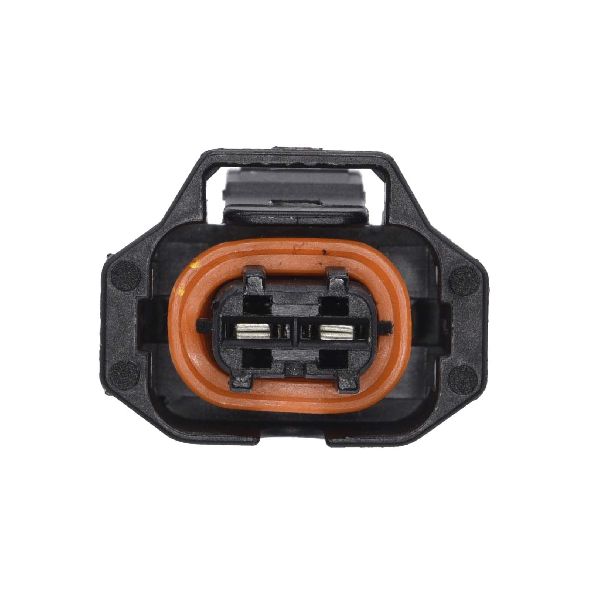
How to confirm: Disconnect, inspect, and clean the main harness connector at the ECM (X160) and the connectors for the fuel injectors. Look for bent pins, corrosion, signs of moisture, or oil contamination.
Typical fix: Clean the connectors with an appropriate electrical contact cleaner and apply dielectric grease before ensuring they are securely reconnected. Replace the connector pigtail if it is damaged.
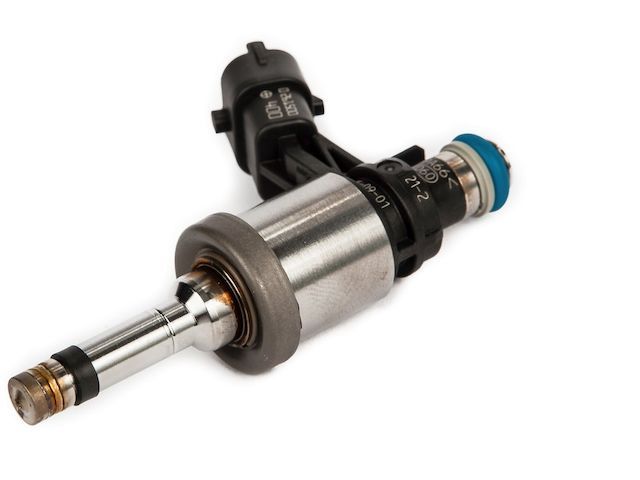
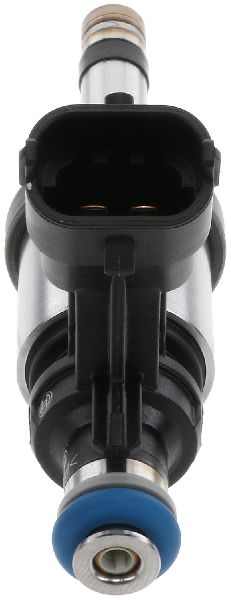
Est. part cost: $5-$50 - Faulty Fuel Injector ⚪ Low Probability → Shop Fuel Injector
How to confirm: If the wiring is confirmed to be good, test the resistance of each injector in the affected bank (cylinders 1, 3, 5) using a multimeter. Compare the readings to the manufacturer's specifications. A shorted or open injector can sometimes trigger a group circuit code, though it's less common than a wiring issue.
Typical fix: Replace the faulty fuel injector. It is often recommended to replace them in a set. The OEM 🎬 Watch: A helpful guide on how to replace fuel injectors. part number is typically GM 12669384 or the superseded number 12609418.
Est. part cost: $50-$180 per injector
Rare But Worth Checking
- Faulty Engine Control Module (ECM): → Shop Engine Control Module (ECM) This should only be considered after all wiring and component checks have been exhausted. An internal failure of the injector driver circuit within the ECM can cause this code, but it is the least likely cause. Owner forums contain stories of mechanics incorrectly diagnosing a bad ECM when the true fault was the wiring harness.
Diagnosis Steps
- Retrieve all stored DTCs with an OBD-II scanner. Note any other injector-related codes, such as P2149 or P0201-P0206.
- Obtain a copy of TSB #PIP4924D for reference. This document is critical for this repair.
- Perform a thorough visual inspection of the fuel injector wiring harness. This will likely require removing the plastic engine cover. Focus on areas where it can rub against the intake plenum, valve cover bolts, fuel lines, and the side of the cylinder head.
- If the engine runs, carefully wiggle sections of the harness to see if the engine's running condition changes, which would indicate an intermittent open or short.
- Using a multimeter, check for battery voltage at the supply wire for the Group 'A' injectors with the key on, engine off.
- Perform continuity tests on the power supply and ground wires from the ECM connector (X160) to the injector harness connector to find any open circuits.
- If all wiring and connectors are confirmed to be good, test the internal resistance of each fuel injector in the group (Cylinders 1, 3, 5).
- If wiring and injectors test good, the final step is to suspect a fault within the ECM's injector driver circuit, though this is rare.
Parts You'll Likely Need
- Fuel Injector Wiring Harness
(OEM #12621096)— This is the most common point of failure for this code on this vehicle, as identified by GM Technical Service Bulletin PIP4924D.
Trusted brands: ACDelco, Standard Motor Products
OEM price range: $250-$450
Aftermarket price range: $150-$300 - Fuel Injector
(OEM #12669384 (supersedes 12609418))— A less common cause, a shorted or failed injector can bring down the circuit, triggering the code.
Trusted brands: ACDelco, Bosch, Delphi
OEM price range: $100-$180
Aftermarket price range: $50-$120
Related Codes That Often Appear With This One
- P2149 — This code is for 'Fuel Injector Group 'B' Supply Voltage Circuit/Open'. It's common to see codes for both banks if the wiring harness has multiple points of failure or if there is a common power supply issue.
- P0201-P0206 — These codes correspond to circuit malfunctions for individual injectors (Cylinder 1 through 6). They can appear alongside P2146 if the wiring issue is intermittent or affects both the group supply and individual control circuits. TSB PIP4924D explicitly lists these codes as related symptoms.
Technical Service Bulletins (TSBs) & Recalls
- PIP4924D: Addresses a Service Engine Soon light and misfire with various injector codes, including P2146. It instructs technicians to inspect the fuel injector wiring harness for rub-through or internal opens and repair or replace as needed. It specifically calls out chafe points against the intake plenum, valve cover bolts, fuel line, and the side of the cylinder head.
Platform-Specific Known Issues
- GM Technical Service Bulletin PIP4924D explicitly identifies that the fuel injector wiring harness is prone to rubbing through (chafing) or developing internal opens on 2009-2011 Cadillac STS models with the 3.6L V6. Common chafe points include contact with the intake plenum, valve cover bolts, and fuel lines.
- A user on the Camaro5 forum with the same 3.6L LLT engine experienced a P2146 code after installing aftermarket injectors, which was resolved by reinstalling an original injector, highlighting the circuit's sensitivity.
Mechanic-Grade Diagnostic Values
- Fuel Injector Coil Resistance — expected: 11.4 to 13.4 Ohms. Failure: A reading outside of this range (significantly higher or lower) indicates a faulty injector coil.
- Low-Pressure Fuel System Pressure (at idle) — expected: 380-410 kPa (55-60 psi). Failure: Pressure significantly outside this range points to a problem with the in-tank fuel pump or its regulator.
- High-Pressure Fuel System Desired vs. Actual Pressure (Scan Tool Data) — expected: Actual pressure should closely match the desired pressure commanded by the ECM. Idle pressure is around 4 MPa (580 psi), but varies significantly with load.. Failure: If the actual pressure is consistently much lower than the desired pressure (e.g., half), it strongly suggests a failing high-pressure fuel pump.
Scan Tool Commands That Help
- GM GDS2 (Global Diagnostic System 2): Injector Test / Balance Test — This bidirectional control allows a technician to individually fire each injector while monitoring fuel pressure drop. It is the definitive test to confirm if an injector is clogged, leaking, or electrically sound after the wiring has been verified.
- GM GDS2 (Global Diagnostic System 2): Output Control Functions — Allows the technician to command various outputs on and off to test circuit integrity without having to physically access components. For P2146, this could be used to attempt to activate the injector driver circuits to see if they respond.
Wiring & Ground Locations
- ECM Connector X1 — The main engine harness connector at the Engine Control Module (ECM).. This is the primary location for performing continuity and resistance tests of the injector circuits without having to remove the intake manifold. Testing from this connector to the injector connectors can isolate a break in the harness.
- Injector Bank 1 (Group A) Control Wires — At the ECM X1 connector. The wires are typically twisted pairs.. For the 3.6L LLT, injectors have a high-side and low-side driver. For example, Injector 1 may use pins 75 (Brown/White - high side) and 51 (Brown - low side) at the ECM connector. A wiring diagram is essential to identify the correct pins for all three injectors in Group A (Cylinders 1, 3, 5) to perform targeted circuit tests.
Real Owner Repair Stories
- YouTube video from 'Gerard Burke' (Holden Commodore VZ (GM platform with a similar V6 engine architecture)) — Engine misfire, erratic idle, and a P0202 injector circuit code (individual cylinder fault, but diagnostic principle is identical for a group fault).
❌ Tried (didn't work) Initial checks at the fuse box were inconclusive.
✅ What actually fixed it After confirming no voltage at the injector connector, the technician removed the intake manifold. The plastic connector on the fuel injector itself had become brittle and broken, causing a poor connection. Replacing the faulty injector and ensuring a secure connection resolved the issue. This highlights that even when wiring seems okay, the final connection point at the injector can be the culprit.
OEM Part Supersession History
12609418→12638530, 12669384— Standard part evolution for improved reliability or manufacturing process changes.
Heads up: The 3.6L LLT is a direct injection engine. Injectors from the earlier port-injected 3.6L LY7 engine will not work. Always verify the part number against the vehicle's VIN.
Helpful Videos
We Have This Part in Stock


The information in this article is provided for general reference and educational purposes only. Vehicle specifications, procedures, and part compatibility can vary by production date, trim level, and region. Always consult your vehicle's factory service manual and verify part numbers before purchasing or performing repairs. Safety-critical components such as airbags, seat belts, and braking systems should be installed by a qualified professional.
- Cadillac STS:
- 🧭 Diagnostic Flowchart
- 🎬 Helpful Videos
- 🛍️ Shop This Part
- What's Unique About the 2009-2011 Cadillac STS
- Symptoms You May Notice
- Most Likely Causes
- Rare But Worth Checking
- Diagnosis Steps
- Parts You'll Likely Need
- Related Codes That Often Appear With This One
- Technical Service Bulletins (TSBs) & Recalls
- Platform-Specific Known Issues
- Mechanic-Grade Diagnostic Values
- Scan Tool Commands That Help
- Wiring & Ground Locations
- Real Owner Repair Stories
- OEM Part Supersession History
- 🎟️ Get 5% Off