

P2146 on 2009-2010 Saturn Outlook: Fuel Injector Group 'A' Circuit Causes and Fixes
On a 2009-2010 Saturn Outlook, code P2146 is almost always caused by a chafed fuel injector wiring harness rubbing against the engine. This is a well-known issue documented in GM TSB #PIP4924D. Inspect the harness for damage, particularly where it bends around the cylinder head and contacts the intake plenum, before replacing any parts.
- P2146 on a 2009-2010 Saturn Outlook is almost certainly caused by a chafed fuel injector wiring harness, a known issue covered by GM TSB #PIP4924D.
- Do not replace fuel injectors or the ECM before performing a thorough visual inspection of the Bank 1 wiring harness, which requires removing the intake manifold.
- The most common failure points are where the harness rubs against the intake plenum, valve cover bolts, or the side of the cylinder head.
- A DIY repair of the damaged wire is feasible and cost-effective, but proper routing and protection of the repaired harness are critical to prevent a repeat failure.
- This exact issue affects the GMC Acadia, Buick Enclave, and Chevrolet Traverse, making their forums and repair guides valuable resources.
What's Unique About the 2009-2010 Saturn OUTLOOK
The Saturn Outlook shares its Lambda platform and 3.6L V6 LLT engine with the GMC Acadia, Buick Enclave, and Chevrolet Traverse. This entire family of vehicles is known for this specific problem. The way the fuel injector wiring harness is routed from the factory makes it very likely to rub against engine components. Over time, constant engine vibration wears through the wire's insulation, causing an open or short circuit that triggers the P2146 code. This is a widely documented failure pattern confirmed by General Motors Technical Service Bulletin #PIP4924D, which specifically instructs technicians to inspect the harness for rub-through against the intake plenum, valve cover bolts, the fuel line, and the side of the cylinder head.
Diagnostic Flowchart
Tap your situation to follow the diagnostic path that matches what you're seeing on this vehicle.
Symptoms You May Notice
- Check Engine Light is on
- Engine runs very rough and misfires
- Significant loss of engine power
- Difficulty starting the engine or no-start condition
- Engine may stall or not stay running
- Vehicle enters 'limp mode' with reduced power
- Replacing all the fuel injectors on Bank 1 without first inspecting the wiring harness.
- Replacing the Engine Control Module (ECM) before confirming the wiring harness is not the cause.
- Replacing spark plugs and ignition coils, as the rough running and misfire symptoms are similar.
Most Likely Causes
- Chafed or Damaged Fuel Injector Wiring Harness 🔴 High Probability → Shop Engine Wiring Harness As documented in GM TSB #PIP4924D, the factory harness routing leads to rubbing against engine parts. Common chafe points are against the aluminum intake plenum, at valve cover bolts, against the high-pressure fuel line, and on the side of the cylinder head under the plenum. Forum users frequently report the break occurs where the harness bends sharply behind the power steering reservoir.
How to confirm: A thorough visual inspection is the first step. Access requires removing the intake manifold. Look for worn-through plastic loom, shiny rub spots on the harness, or exposed copper wire. With the engine running, carefully wiggling the harness may cause the misfire to change or disappear, confirming a wiring fault. A continuity test with a multimeter on the power supply wire from the ECM to the injectors can confirm an open circuit (an 'OL' or infinite reading).
Typical fix: Repair the damaged section of wire by splicing in a new piece with solder and heat-shrink connectors for a durable, weather-resistant fix. If damage is severe or in multiple places, replace the entire harness section. After the repair, add protective convoluted loom and use zip ties to secure the harness away from sharp edges and contact points to prevent recurrence.
Est. part cost: $10-$20 for repair supplies, $50-$150 for a new harness section. - Loose or Corroded Electrical Connector ⚪ Low Probability Engine heat and vibration can affect any connector over time. Water or oil can settle in the engine valley and contaminate connectors.
How to confirm: Disconnect the main injector harness connector and the ECM connector. Inspect the pins and terminals for corrosion (green or white crust), moisture, or pushed-out pins. Look for signs of terminal fretting, which appears as a fine black or brown dust.
Typical fix: Clean the connector terminals with a specialized electrical contact cleaner. Apply a small amount of dielectric grease before reconnecting to prevent future corrosion and ensure a good seal.
Est. part cost: $5-$15
Rare But Worth Checking
- Faulty Engine Control Module (ECM): → Shop Engine Control Module (ECM) This is very rare. The ECM should only be considered after all wiring and connectors have been thoroughly tested and confirmed to be in good condition. The injector driver circuit within the ECM can fail, but it is far less common than the wiring issue. One owner on a forum reported having to send their ECM for warranty repair after replacing harnesses did not solve the issue, but this is an outlier case.
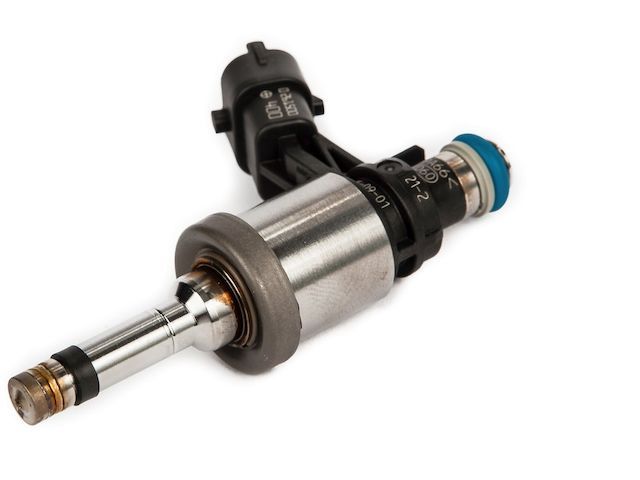
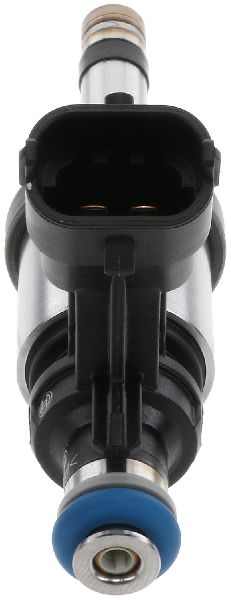
- Shorted Fuel Injector: → Shop Fuel Injector While a single fuel injector can fail, it is less common for it to cause a group circuit code like P2146. Typically, a failed injector would trigger a code for that specific cylinder (e.g., P0201). However, an injector with an internal short could potentially pull down the voltage for the entire bank, triggering the group fault.
Diagnosis Steps
- Scan the ECM for all stored trouble codes. Note any other codes that appear alongside P2146, especially misfire (P03xx) or individual injector circuit (P02xx) codes for Bank 1.
- Crucial Step: Perform a thorough visual inspection of the Bank 1 (front) fuel injector wiring harness. This will likely require removing the upper intake manifold for access. Pay extremely close attention to the known chafe points: where the harness touches the intake plenum, bolts on the valve cover, the main fuel line, and where it bends around the side of the cylinder head.
- If damage is found, repair the wiring using solder and heat-shrink tubing. Re-wrap the harness with protective loom and secure it away from contact points. Clear the codes and test drive to see if the code returns.
- If no visible damage is found, disconnect the harness and use a multimeter to test for continuity on the power supply wire between the ECM connector and the injector harness connector. An 'OL' or infinite reading confirms an open wire.
- Check for a short to ground by testing for continuity between the power supply wire and a good engine ground. Any reading other than 'OL' indicates a short.
- Inspect the main harness connectors (at the ECM and at the injector sub-harness) for corrosion, bent pins, or moisture.
- If all wiring and connectors are confirmed to be good, the final step would be to suspect a faulty ECM injector driver circuit.
Parts You'll Likely Need
- Fuel Injector Wiring Harness Repair Supplies — For repairing minor to moderate chafing, which is the most common cause of P2146.
Aftermarket price range: $10-$20 for wire, solder, heat-shrink, and loom. - Fuel Injector Connector
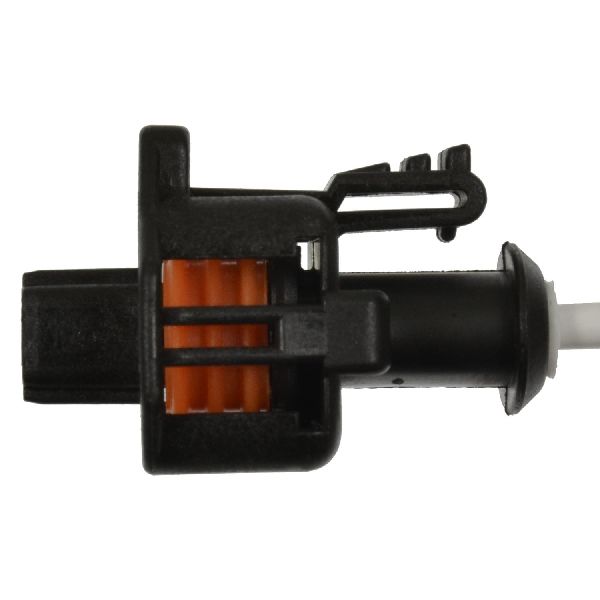
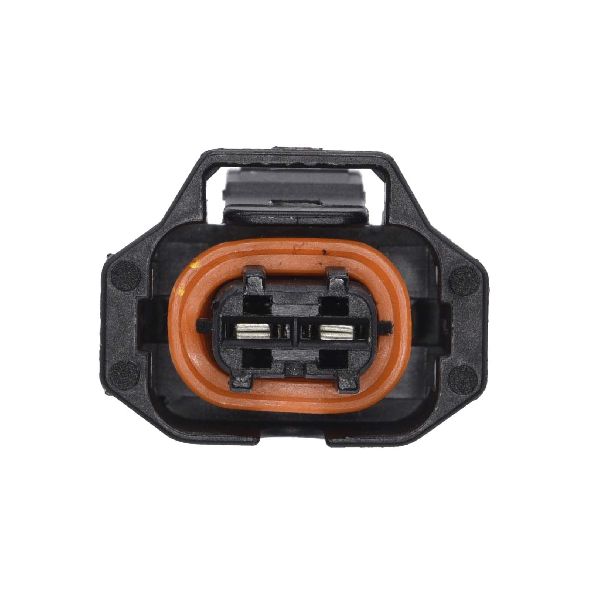
(OEM #ACDelco PT2183 (also GM 88988963))— If the connector itself at the injector is damaged or corroded, a pigtail connector may be needed for the repair.
Trusted brands: ACDelco, Dorman, Standard Motor Products
OEM price range: $30-$50
Aftermarket price range: $15-$35 - Fuel Injector Wiring Harness Assembly
(OEM #GM 12621095 (supercedes 12614941))— If the harness damage is extensive or in multiple locations, replacing the entire Bank 1 injector harness is the most reliable fix.
Trusted brands: GM Genuine Parts
OEM price range: $70-$120
Related Codes That Often Appear With This One
- P0300 — Stands for Random/Multiple Cylinder Misfire. This is a direct result of an entire bank of injectors being disabled.
- P0301, P0303, P0305 — These are misfire codes for the specific cylinders in Bank 1 (1, 3, and 5). They will often accompany P2146 because those are the cylinders that have lost fuel.
- P0201, P0203, P0205 — These codes indicate a fault in the control circuit for individual injectors. They can appear with P2146, further pointing to a wiring issue affecting all of Bank 1.
- P2149 — This is the identical code but for Injector Group 'B' (Bank 2). Seeing both codes at once could suggest widespread harness damage, a problem at the main connector, or a fault within the ECM.
Technical Service Bulletins (TSBs) & Recalls
- PIP4924D: Instructs technicians to carefully inspect the fuel injector wiring harness for rub through or internal wire opens when P2146 and other related injector codes are present. It specifically lists common chafe points as being "against the intake plenum, at valve cover bolts, against the fuel line and on the side of the head under the plenum."
Platform-Specific Known Issues
- A known issue, documented in GM TSB #PIP4924D, involves the fuel injector wiring harness rubbing through or developing internal opens, which directly causes code P2146. The most common rub spots are against the intake plenum, valve cover bolts, and fuel lines. Owner forums for the Outlook and its platform-mates frequently point to the section of the harness that makes a sharp bend behind the power steering reservoir as a primary failure point.
Mechanic-Grade Diagnostic Values
- Fuel Injector Resistance (3.6L LLT Direct Injector) — expected: Approximately 1.5 - 2.5 Ohms at 68°F (20°C).. Failure: A reading of 'OL' (open loop/infinite resistance) or a value significantly outside the expected range indicates a faulty injector coil.
- Injector Circuit Wire Color and ECM Pinout (Bank 1, Cylinder 1) — expected: High-side driver is a Brown/White wire at Pin 75 of ECM connector X1. Low-side driver is a solid Brown wire at Pin 51 of ECM connector X1. The wires are a twisted pair.. Failure: These pin locations are used to perform continuity and short-to-ground tests directly from the ECM connector, isolating the harness from the control module.
- Voltage Drop on Ground Circuit — expected: Less than 0.1 Volts.. Failure: A reading higher than 0.1V between a ground point (like G110 or G113) and the negative battery terminal indicates a poor ground connection, which can cause various electrical faults.
Scan Tool Commands That Help
- GM GDS2 / Tech2: Fuel Injector Balance Test / Active Fuel Injector Test (AFIT) — This is a crucial bidirectional test to run if the wiring harness inspection is inconclusive. The tool commands each injector to fire and measures the corresponding fuel rail pressure drop, which can identify a mechanically clogged or faulty injector, helping to distinguish between a wiring fault and a component fault.
- GM GDS2 (or equivalent professional scanner): Injector Circuit Status (Live Data PID) — Monitor this data parameter while performing a 'wiggle test' on the fuel injector harness. The status should remain 'OK'. If it changes to 'Fault' or 'Open' while the harness is being manipulated, it confirms the location of an intermittent open or short in the wiring.
Wiring & Ground Locations
- ECM Connector X1 — The main 75-pin engine harness connector at the Engine Control Module (ECM) in the engine bay.. This is the primary location for performing targeted continuity, resistance, and short-to-ground tests on the injector circuits without having to first remove the intake manifold. Testing from the pins here to the injector connectors isolates the fault to the harness itself.
- G110 — Engine ground located on the right front of the engine, mounted to the cylinder head.. This is a primary engine ground. While a fault here won't directly cause P2146, a loose or corroded connection can create unstable voltage references for the ECM, leading to a variety of difficult-to-diagnose electrical issues.
- G113 — Engine ground located on the left side of the engine, at the engine-to-transmission stud.. This is another critical engine ground point. Verifying its integrity is a key step in ruling out systemic electrical problems before focusing solely on the injector harness.
Real Owner Repair Stories
- GM Preliminary Information Bulletin (2009-2014 GM Lambda Platform Vehicles (including Saturn Outlook)) — Engine misfire, rough running, and DTCs including P2146.
❌ Tried (didn't work) Replacing fuel injectors, Replacing the ECM without exhaustive wiring checks
✅ What actually fixed it The fuel injector wiring harness was found chafed through on a sharp metal tab of the EGR valve gasket. The fix was to repair the damaged wires and bend the EGR gasket tab over to prevent the problem from recurring. - Oilburners.net forum user (2006 Dodge with Cummins Engine (different vehicle, but demonstrates an alternative cause for P2146)) — Engine would run rough and set code P2146. After sitting for a day, it would run fine for a few miles before the issue returned.
❌ Tried (didn't work) Initial diagnostics by the dealer could not find the problem.
✅ What actually fixed it The dealer eventually replaced the fuel injectors, which resolved the problem permanently. This serves as a counter-example to the harness being the only cause. - Dodge Diesel forum user (2005 Dodge Ram 3500 with Edge CS aftermarket programmer) — Sudden rough running, loss of power, and code P2146.
❌ Tried (didn't work) Initial thought was bad fuel.
✅ What actually fixed it The problem temporarily resolved when the aftermarket programmer was unplugged. Plugging it back in caused the issue to return after a few minutes, strongly indicating the programmer or its connection was the root cause of the injector circuit fault.
"I Checked Everything" — The Actual Cause
- In the context of this electrical code, the equivalent of a 'smoke test clean' scenario is when wiring continuity and visual inspections find no faults. In these cases, the root cause is often an outlier. The most notable example is the rare failure of the injector driver circuit within the Engine Control Module (ECM), as documented in the Pass 2 'forum_citations'. After technicians exhaust all wiring and connector checks, the ECM itself becomes the primary suspect.
When the Usual Fixes Don't Work
- While the vast majority of P2146 cases on this platform are caused by the chafed wiring harness as stated in TSB #PIP4924D, it is not the only possible cause. A documented repair story exists where a vehicle exhibited identical symptoms, but the problem was only resolved after the dealer replaced the fuel injectors for the affected bank. This highlights that while harness inspection is the correct first step, a faulty injector can, in some cases, be the root cause and should not be dismissed if wiring repairs do not solve the issue.
OEM Part Supersession History
GM 12614941→GM 12621095— Updated part from the manufacturer, likely with improvements to durability or wire routing to mitigate the original chafing issue.
We Have This Part in Stock


The information in this article is provided for general reference and educational purposes only. Vehicle specifications, procedures, and part compatibility can vary by production date, trim level, and region. Always consult your vehicle's factory service manual and verify part numbers before purchasing or performing repairs. Safety-critical components such as airbags, seat belts, and braking systems should be installed by a qualified professional.
- Saturn OUTLOOK:
- 🧭 Diagnostic Flowchart
- 🛍️ Shop This Part
- What's Unique About the 2009-2010 Saturn OUTLOOK
- Symptoms You May Notice
- Most Likely Causes
- Rare But Worth Checking
- Diagnosis Steps
- Parts You'll Likely Need
- Related Codes That Often Appear With This One
- Technical Service Bulletins (TSBs) & Recalls
- Platform-Specific Known Issues
- Mechanic-Grade Diagnostic Values
- Scan Tool Commands That Help
- Wiring & Ground Locations
- Real Owner Repair Stories
- "I Checked Everything" — The Actual Cause
- When the Usual Fixes Don't Work
- OEM Part Supersession History
- 🎟️ Get 5% Off