

P2146 on 2009-2010 Saturn VUE: Fuel Injector Circuit Fault Causes & Fixes
On a 2009-2010 Saturn VUE, code P2146 almost always points to a damaged fuel injector wiring harness rubbing against the engine, as noted in GM Technical Service Bulletin #PIP4924D. Common chafe points include the intake plenum and valve cover bolts. The fix is to inspect, repair, and protect the harness. Parts are inexpensive, but labor can take a few hours.
- P2146 on a 2009-2010 Saturn VUE is a serious code that will cause severe driveability problems; do not continue to drive the vehicle.
- The most likely cause, by far, is a damaged fuel injector wiring harness rubbing against the engine, as documented in GM TSB #PIP4924D.
- Always inspect the wiring harness thoroughly—especially near the intake plenum and valve cover bolts—before spending money on new fuel injectors.
- A successful DIY repair of the wiring harness is possible with basic tools and materials like wire, butt connectors, and heat shrink tubing.
- This code is often accompanied by specific injector codes (P0201-P0206) and random misfire codes (P0300), which further points to a wiring issue affecting that injector bank.
What's Unique About the 2009-2010 Saturn VUE
For this specific generation of Saturn VUE and its platform mates like the Chevy Equinox and GMC Acadia, there is a well-documented design issue. The fuel injector wiring harness is often routed in a way that allows it to rub against engine components like the intake plenum, valve cover bolts, the fuel line, or the side of the cylinder head. This consistent rubbing eventually wears through the wire's insulation, causing a short or open circuit that triggers the P2146 code. This issue is so common that GM released Technical Service Bulletin #PIP4924D to guide technicians directly to this problem.
Diagnostic Flowchart
Tap your situation to follow the diagnostic path that matches what you're seeing on this vehicle.
Symptoms You May Notice
- Check Engine Light is on
- Engine runs very rough or has a severe misfire
- Significant loss of engine power
- Engine may be hard to start or may not stay running
- Poor fuel economy
- Engine may stall
- Replacing one or more fuel injectors without first thoroughly inspecting the wiring harness. The harness is the most common point of failure for this specific code on this vehicle and its platform mates.
Most Likely Causes
- Chafed or Damaged Fuel Injector Wiring Harness 🔴 High Probability → Shop Engine Wiring Harness As documented in GM Technical Service Bulletin #PIP4924D, the injector wiring harness is known to rub against engine components, causing an open or short in the circuit. Specific chafe points are against the intake plenum, valve cover bolts, the fuel line, and the side of the cylinder head under the plenum. This is the most frequent cause for P2146 on this platform.
How to confirm: Visually inspect the entire fuel injector wiring harness, paying close attention to the specific points mentioned in the TSB. Look for worn-through plastic loom and exposed, broken, or melted copper wires. With the engine running, carefully wiggle the harness in suspect areas to see if it causes a change in the engine's idle, which can pinpoint an intermittent open. Sometimes the wire can break internally without visible damage to the insulation; feeling for a 'soft spot' in the wire can help locate it.
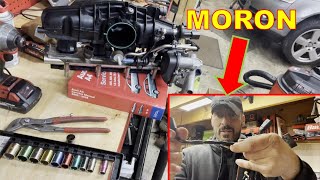
Typical fix: Repair the damaged wire(s) using solder and heat-shrink tubing 🎬 Watch: How to repair a mangled fuel injection wiring harness or quality weather-proof butt connectors. Protect the repaired section and the rest of the harness by re-routing it away from sharp edges or covering it with new convoluted tubing (wire loom) and securing it with zip ties.
Est. part cost: $10-$30 - Failed Fuel Injector ⚪ Low Probability → Shop Fuel Injector
How to confirm: If the wiring harness is confirmed to be intact, test the resistance of each fuel injector in the affected bank with a multimeter. For the 2.4L engine, a healthy injector should read between 11 and 14 Ohms. For the 3.6L LLT engine, a healthy injector should have a resistance of approximately 1.5 to 1.6 ohms. Compare the readings to the manufacturer's specifications. A reading that is significantly different or shows an open circuit indicates a failed injector.
Typical fix: Replace the faulty fuel injector.
Est. part cost: $50-$150
Rare But Worth Checking
- Faulty Engine Control Module (ECM): → Shop Engine Control Module (ECM) This is the least likely cause. The internal driver circuit for the injector bank can fail, but all other possibilities, especially the wiring harness, must be exhaustively ruled out before condemning the ECM.
- Corroded Connector Pins: Check the main harness connector at the ECM and the individual fuel injector connectors for any signs of moisture intrusion, green or white crust (corrosion), or bent pins. This can cause an open or high-resistance connection, triggering the code.
Diagnosis Steps
- Scan the ECM for all stored trouble codes. Note if P2146 is accompanied by any specific injector codes like P0201, P0203, etc., as this reinforces a bank-wide wiring issue.
- Perform a thorough visual inspection of the fuel injector wiring harness as described in TSB #PIP4924D. Check for any signs of rubbing, chafing, or melting where the harness is close to the intake plenum, valve cover bolts, fuel lines, and cylinder head.
- With the engine idling (if possible), carefully wiggle the wiring harness in the suspect areas to see if you can induce or change the misfire. This helps find intermittent internal breaks.
- If damage is found, disconnect the battery. Carefully repair the broken or exposed wires using quality butt connectors and heat shrink tubing for a weather-proof seal.
- Protect the repaired area with convoluted tubing (wire loom) and secure the harness away from any sharp edges or hot surfaces to prevent future damage.
- If no visible damage is found on the harness, disconnect the harness connector at the ECM and the fuel injectors. Use a multimeter to perform a continuity test on the supply voltage wire for Group A to ensure there isn't an internal break in the wire.
- If wiring is confirmed to be good, test the resistance of each fuel injector in the affected bank. Replace any injector that is out of specification.
- If all wiring and injectors test good, the final possibility is a fault within the Engine Control Module (ECM) itself. This should only be considered after all other steps are exhausted.
Parts You'll Likely Need
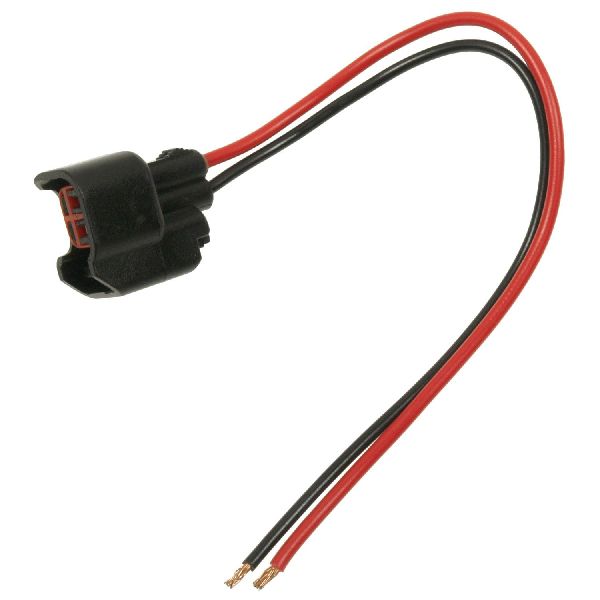
- Wiring Repair Supplies — This is required to fix the most common cause of P2146: a chafed wiring harness.
Trusted brands: 3M
Aftermarket price range: $10-$30 - Fuel Injector (2.4L I4)
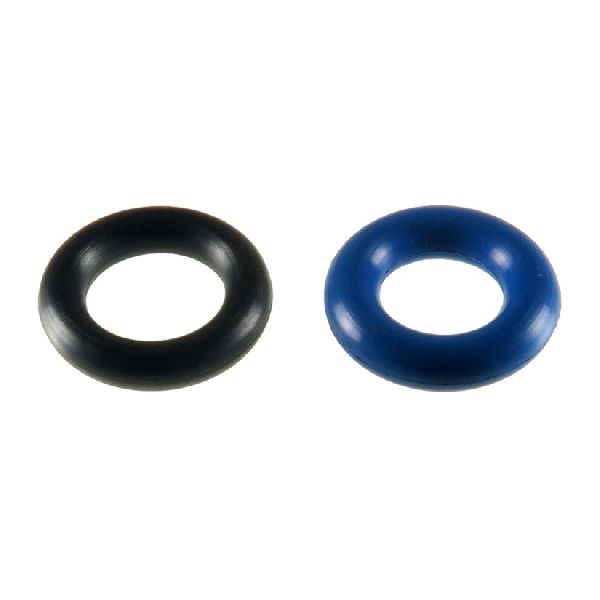
(OEM #12602480)— This is the next most likely component to fail if the wiring harness is found to be in good condition.
Trusted brands: ACDelco, Delphi, Standard Motor Products
OEM price range: $80-$110
Aftermarket price range: $40-$70 - Fuel Injector (3.5L V6)
(OEM #FJ10631 (Delphi))— This is the next most likely component to fail if the wiring harness is found to be in good condition.
Trusted brands: ACDelco, Delphi
OEM price range: $90-$130
Aftermarket price range: $50-$80 - Fuel Injector (3.6L V6)
(OEM #12608632)— This is the next most likely component to fail if the wiring harness is found to be in good condition.
Trusted brands: ACDelco, Bosch
OEM price range: $65-$115
Aftermarket price range: $35-$75
Related Codes That Often Appear With This One
- P0201-P0206 — These codes indicate a circuit malfunction for a specific injector (e.g., P0201 for cylinder 1). They often appear with P2146 because the root cause, a damaged harness, affects both the main bank supply wire (P2146) and the individual injector wires (P020x).
- P2149 — This code is for 'Fuel Injector Group 'B' Supply Voltage Circuit/Open'. If the wiring harness has multiple points of damage, it's possible for both injector banks to be affected, triggering both codes simultaneously.
- P0300 — This code indicates a Random/Multiple Cylinder Misfire. It is a direct symptom of the P2146 fault, as an entire bank of injectors being disabled will cause multiple cylinders to misfire.
Technical Service Bulletins (TSBs) & Recalls
- PIP4924D: Instructs technicians to inspect the fuel injector wiring harness for rubbing through or internal wire opens when codes like P2146 are present. It lists common chafe points and applies to a wide range of GM vehicles with this issue.
Platform-Specific Known Issues
- A known issue documented in GM Technical Service Bulletin #PIP4924D points to the fuel injector wiring harness rubbing through on the engine. This is the most common cause for P2146 on these vehicles and should be the first item to inspect.
- Specific chafe points to check are where the harness comes into contact with the intake plenum, valve cover bolts, the fuel line, and the side of the cylinder head.
Mechanic-Grade Diagnostic Values
- Fuel Injector Resistance (3.6L LLT V6) — expected: 1.5 to 1.6 Ohms. Failure: A reading significantly higher, lower, or showing an open loop (OL) indicates a failed injector.
- Fuel Injector Supply Voltage — expected: 12 Volts (Battery Voltage). Failure: Zero or very low voltage on the supply wire for Group 'A' injectors indicates an open circuit upstream from the injector.
Scan Tool Commands That Help
- GM Tech 2 / GDS2: Injector Balance Test / Fuel Injector Test — This bidirectional command allows a technician to individually fire each injector and measure the corresponding fuel pressure drop. While P2146 is an electrical code, if the wiring is intact, this test can help identify a mechanically stuck or electrically failed injector that might be causing the circuit fault, although it's more commonly used for performance issues rather than open circuits.
Wiring & Ground Locations
- Injector Bank Power Supply Wire — Within the main engine wiring harness, running to all injectors in a specific bank.. This is the wire that carries the 'Supply Voltage' mentioned in the P2146 code definition. On many GM vehicles, this is a Pink wire that splices to feed multiple injectors. A break in this wire before the splice will disable the entire bank and trigger the code.
- G103 / G104 — G103 is on the front of the passenger side (Bank 1) cylinder head. G104 is on the rear of the driver's side (Bank 2) cylinder head.. These are the main grounds for each cylinder head. While P2146 is a supply voltage *open* code, a poor or intermittent ground at G103 (for Bank 1) can cause a range of unpredictable electrical issues for that bank's components, including the injectors.
- G112 — Rear of the engine, mounted to the rear of the cylinder head.. This is a primary engine ground point. A loose or corroded connection here can cause unstable electrical performance for the entire engine management system, potentially contributing to erroneous codes or poor sensor readings.
- ECM Connectors (X1, X2) — The Engine Control Module (ECM) itself, typically located in the engine bay.. The injector supply voltage and control circuits originate here. A continuity test for the P2146 fault should be performed from the corresponding pin at the ECM connector to the injector connector to confirm the integrity of the entire wire.
Real Owner Repair Stories
- Go-Parts.com article on platform-mate GMC Acadia (2009-2014 GMC Acadia 3.6L V6) — Severe misfires, shaking, poor performance, and Check Engine Light with code P2146.
❌ Tried (didn't work) The article strongly warns against replacing fuel injectors or the ECM before a thorough wiring inspection.
✅ What actually fixed it The definitive cause is identified as a chafed fuel injector wiring harness, as documented in GM TSB #PIP4924D. The fix is to locate the damaged section of the harness—typically rubbing against the intake plenum, valve cover bolts, or fuel line—and repair the broken wire(s).
Helpful Videos
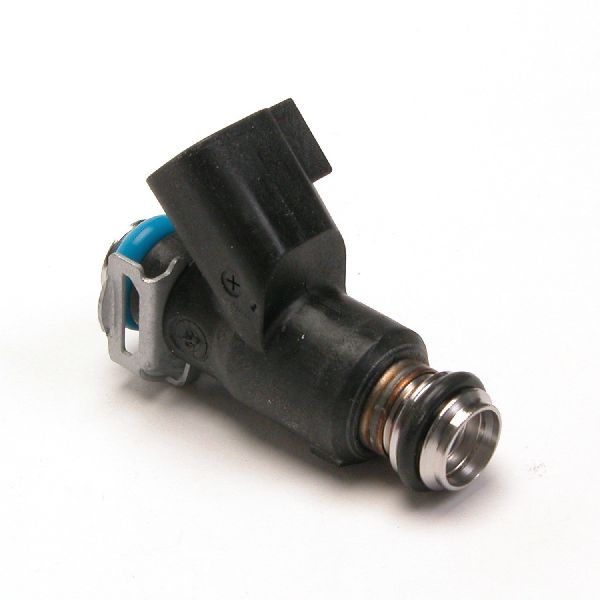
We Have This Part in Stock


The information in this article is provided for general reference and educational purposes only. Vehicle specifications, procedures, and part compatibility can vary by production date, trim level, and region. Always consult your vehicle's factory service manual and verify part numbers before purchasing or performing repairs. Safety-critical components such as airbags, seat belts, and braking systems should be installed by a qualified professional.
- Saturn VUE:
- 🧭 Diagnostic Flowchart
- 🎬 Helpful Videos
- 🛍️ Shop This Part
- What's Unique About the 2009-2010 Saturn VUE
- Symptoms You May Notice
- Most Likely Causes
- Rare But Worth Checking
- Diagnosis Steps
- Parts You'll Likely Need
- Related Codes That Often Appear With This One
- Technical Service Bulletins (TSBs) & Recalls
- Platform-Specific Known Issues
- Mechanic-Grade Diagnostic Values
- Scan Tool Commands That Help
- Wiring & Ground Locations
- Real Owner Repair Stories
- 🎟️ Get 5% Off