

OBD-II Code P2148: Fuel Injector Group 'A' Supply Voltage Circuit High
The Ultimate Guide to Diagnosing and Fixing P2148
- P2148 indicates a high-voltage short in the Group A fuel injector circuit, requiring immediate repair to prevent a $1,500+ ECM failure.
- A chafed wiring harness shorting to a power source causes over 60% of P2148 codes, making a meticulous visual inspection your mandatory first diagnostic step.
- Stop driving immediately; continuing to operate the vehicle with disabled injectors dumps raw fuel into the exhaust, risking a $2,500 DPF or catalytic converter replacement.
- Test the alternator output before replacing any parts; a failing voltage regulator pushing over 14.7 volts is the primary trigger for this code on Dodge Cummins engines.
What Does P2148 Mean?
P2148 means your Engine Control Module (ECM) or Powertrain Control Module (PCM) detected the voltage in the power supply circuit for 'Group A' fuel injectors is too high. The ECM powers injectors in groups for efficiency. This code indicates an electrical fault in the circuit for the first group (often cylinders 1 and 4 on a 4-cylinder, or 1, 3, 5 on a V6). As a protective measure, the computer shuts down the affected injectors to prevent catastrophic damage to the high-voltage driver circuits or the injectors themselves.
Technical definition: The official SAE/OBD-II definition is 'Fuel Injector Group 'A' Supply Voltage Circuit High'. This indicates the Powertrain Control Module (PCM) registered a voltage reading on the designated injector group's supply circuit exceeding the maximum allowable threshold, often for more than 2 seconds. This occurs when the ECM detects voltage on the high-side control circuit when it should be off, confirming a short-to-voltage condition.
Can I Drive With P2148?
No — Do Not Drive. Driving is not recommended. The fault causes the engine to stall unexpectedly or fail to start, posing a significant safety risk. Continuing to drive leads to severe and expensive damage. The high voltage overheats and destroys the injector driver circuits within the Engine Control Module (ECM), a repair costing over $1,500. It also washes raw fuel into the exhaust, destroying the catalytic converter or Diesel Particulate Filter (DPF), adding $800-$2,500 to the repair bill.
Common Causes
- Damaged or Shorted Wiring Harness (Very Common) — The wiring supplying power to the fuel injectors rubs against engine components, melts from heat, or gets pinched. This causes a short to a power source, leading to a high voltage reading. This is the most frequent cause, especially on diesel trucks where harnesses route near hot or vibrating parts like alternator brackets or valve covers.
- Failing Alternator or Voltage Regulator (Common) — A malfunctioning alternator overcharges the vehicle's entire electrical system. If system voltage exceeds normal range, the ECM detects this as a high voltage condition on the injector circuit. A healthy charging system produces between 13.5 and 14.5 volts; readings consistently above 14.7V confirm a failed voltage regulator.
- Faulty Fuel Injection Control Module (FICM) (Common) — Specific to diesel engines like the Ford 6.0L Powerstroke, the FICM generates the high voltage needed to operate injectors. An internal failure of the FICM's power board sends excessive or uncontrolled voltage, triggering P2148. A healthy FICM outputs a steady 47-49 volts.
- Faulty Engine Control Module (ECM/PCM) (Common) — The internal driver circuit within the ECM controlling the injectors fails. A blown voltage regulator, MOSFET, or driver transistor inside the module sends excessive voltage to the injector group, triggering the code.
- Faulty Fuel Injector (Less Common) — A fuel injector fails internally, creating an electrical short. This short feeds voltage back into the supply circuit, causing the high voltage reading that sets the P2148 code.
- Corroded or Loose Connectors (Less Common) — Moisture and vibration cause corrosion or loose pins at the ECM connector or fuel injector connectors. This poor connection creates voltage spikes or unexpected voltage paths in the circuit that the ECM interprets as a fault.
- Improperly Installed Aftermarket Components (Less Common) — Poorly installed aftermarket electronics, such as remote starters, alarms, or performance programmers tapping into engine wiring, create an unintended short to a power source. Previous incorrect wiring repairs also cause this.
- Blown Fuse or Shorted Relay (Rare) — In some vehicle designs, the injector power supply is controlled by a relay. An internally shorted relay forces the circuit to remain powered on, leading to a high voltage fault. This is often accompanied by a blown fuse.
Symptoms
- Engine Runs Rough, Misfires, or Stalls — With one or more injectors disabled, the engine runs unevenly, shakes violently, and stalls at low speeds or idle.
- Check Engine Light is On — The ECM immediately illuminates the Malfunction Indicator Lamp (MIL) when this high-voltage fault is detected.
- Engine Will Not Start — Because the ECM shuts down fuel supply to half of the engine's cylinders as a protective measure, the engine cranks but fails to start.
- Reduced Engine Power — The vehicle enters a 'limp mode' or 'reduced power' mode to prevent further damage to the engine and electrical components. Acceleration becomes extremely sluggish.
- Increased Fuel Consumption (also visible on scanner) — An electrical fault in the injector circuit disrupts the precise fuel delivery strategy, leading to noticeably worse fuel economy before the ECM completely disables the injectors.
Diagnostic Flowchart
Tap your situation to follow the diagnostic path that matches what you're seeing on this code.
Common Fixes & Costs
- Repairing Damaged Wiring Harness — Parts: $10-$100 for wiring supplies or pigtail connectors, Labor: $150-$400, depending on harness location, ~1.5 hr book time (Intermediate)
- Replacing a Faulty Alternator — Parts: $300-$750 for a quality OEM or remanufactured unit, Labor: $180-$270, ~2.0 hr book time (Intermediate)
- Replacing the Fuel Injection Control Module (FICM) — Parts: $400-$900 for a new or remanufactured FICM, Labor: $150-$250 for installation and programming, ~1.5 hr book time (Professional)
- Replacing a Single Fuel Injector — Parts: $150-$800 per injector, depending on make, Labor: $150-$400, ~2.5 hr book time (Intermediate)
- Replacing the Engine Control Module (ECM) — Parts: $800-$1,500 for the part, Labor: $200-$300 for installation and programming, ~1.5 hr book time (Professional)
Used vs. New Parts: Buying Guide
When a used part is worth it: For expensive components like an ECM or a high-output alternator on an older, high-mileage vehicle, a used part from a reputable salvage yard is a cost-effective option. It makes sense when the budget is tight and the vehicle's value doesn't justify the cost of new OEM parts.
Donor-vehicle mileage cap: roughly under 80000 miles for the part to have meaningful remaining life.
Donor quality checklist:
- Verify the donor vehicle was not scrapped for a related electrical or engine failure.
- For electronic modules like an ECM or FICM, ensure the part number matches exactly.
- Check for signs of corrosion, water damage, or physical damage on the part and its connectors.
Decision logic:
- If The part is an alternator and the vehicle is less than 8 years old → Buy a new or quality remanufactured unit for better reliability and warranty.
- If The part is a fuel injector → Favor new or professionally remanufactured injectors from a reputable brand like Bosch. Used injectors are a high-risk gamble.
- If The part is an ECM/FICM and the vehicle is over 150K miles → A used, tested module with a short warranty is an acceptable risk, but requires professional programming.
Warranty tradeoff: Used parts typically come with a 30-90 day warranty. New aftermarket parts often have a 1-year to limited lifetime warranty. New OEM parts carry a 1-2 year warranty, especially if installed by a dealer.
Worst-case if a used part fails: $500-$1500 if a used electronic module fails after installation, requiring repeat labor for removal, reprogramming, and installation of another part.
What Happens If You Wait — Timeline
- 0-1 week: Check Engine Light illuminates with P2148. The engine runs rough intermittently, stalls at idle, or has a slight hesitation. The fault is often intermittent at this stage. (MPG impact: 5-10%% · Added cost: $0-$50 in wasted fuel)
- 1 week - 1 month: The fault becomes permanent. The engine consistently runs rough, misfires, and fails to start. The vehicle is undrivable. The high voltage condition begins to stress the injector driver circuits in the ECM/FICM. (MPG impact: 20-50% (if drivable)% · Added cost: $100-$300 in towing costs)
- 1-3 months: The sustained high voltage from the short circuit overheats and destroys the injector driver MOSFETs inside the Engine Control Module (ECM) or FICM. What was a wiring repair has now become a mandatory module replacement. (MPG impact: N/A (vehicle likely won't run)% · Added cost: $800-$2000 for a new ECM/FICM and programming)
- 3+ months: Catastrophic failure. If the vehicle was driven intermittently, unburned fuel from the disabled cylinders damages the catalytic converter or DPF. The short circuit melts larger sections of the wiring harness, potentially damaging adjacent circuits and creating a fire risk. (MPG impact: N/A% · Added cost: $2000-$4500+ for ECM/FICM, catalytic converter/DPF, and extensive harness repair)
Cost of Not Fixing It
- Immediate: Engine fails to start or stalls while driving, creating a significant safety risk. Fuel economy drops noticeably. (Added cost: Towing costs ($100-$300))
- 1-3 months: The high voltage condition permanently damages the injector driver circuits inside the Engine Control Module (ECM), turning a simple wiring repair into an expensive ECM replacement. (Added cost: $1000-$2000)
- 3+ months: Excess unburned fuel dumps into the exhaust, overheating and destroying the catalytic converter or Diesel Particulate Filter (DPF). The short circuit melts wiring harnesses, creating a fire hazard. (Added cost: $1200-$3500)
Diagnosis Steps
- Read Codes and Analyze Freeze Frame Data
Use an OBD-II scanner to confirm P2148 is present. Analyze the freeze frame data to see the exact engine conditions (speed, temperature, load) when the code set. Note any other codes present (e.g., P2149 points to a systemic overcharging issue, P0201 points to a specific injector short).
Tools: OBD-II Scanner (Beginner) - Perform a Thorough Visual Inspection & Wiggle Test
Meticulously inspect the entire wiring harness for Group A injectors. Look for chafing against metal brackets, melting near exhaust manifolds, or pinched wires. With the engine idling, gently wiggle sections of the injector wiring harness by hand. If the engine stumbles or the code immediately reappears, you have pinpointed the location of an intermittent short.
Tools: Flashlight, Inspection Mirror, Hands (Beginner) - Check System Voltage and Alternator Output
With the engine running, use a multimeter to measure voltage at the battery terminals. A healthy charging system reads between 13.8 and 14.5 volts. A reading consistently above 14.7V indicates the alternator's voltage regulator has failed and is overcharging the system—a very common cause on Cummins engines.
Tools: Multimeter (Intermediate) - Inspect All Related Connectors
Unplug the main connector at the ECM/PCM and the connectors for the Group A fuel injectors. Look closely for green/white corrosion, bent pins, or signs of water intrusion. Clean with electrical contact cleaner and use dielectric grease upon reassembly.
Tools: Connector Pick, Electrical Contact Cleaner, Dielectric Grease (Intermediate) - Test for a Short to Power (Key On, Engine Off)
Disconnect the injector harness from the ECM. Turn the ignition key to the 'On' position (engine off). Use a multimeter set to DC volts to probe the supply wire for Group A at the ECM connector. There should be 0 volts. If you read battery voltage (12V+), it confirms a short to power somewhere in the harness that you must locate and repair.
Tools: Multimeter, Vehicle-Specific Wiring Diagram (Advanced) - Advanced: Ford 6.0L FICM Voltage Test
On a Ford 6.0L Powerstroke, test the FICM output directly. Remove the cover on the FICM (two T-20 Torx screws). With the key on, engine off, measure the voltage at the designated test pin. The voltage must be between 47 and 49 volts. During cranking, it must not drop below 45V. A reading below 45V indicates a failing FICM power supply.
Tools: Multimeter, T-20 Torx driver (Advanced) - Perform an Injector Resistance Test
Disconnect the Group A injectors. Use a multimeter set to Ohms to measure the resistance across the two pins of each injector. Compare the readings to the manufacturer's specifications. For most diesel injectors, this value is very low (e.g., Duramax injectors are 0.5-1.5 Ohms). An open circuit (OL) or zero Ohms (dead short) indicates a failed injector.
Tools: Multimeter (Intermediate) - Advanced: Use a Lab Scope for Waveform Analysis
For advanced diagnosis, use an automotive oscilloscope to view the voltage and amperage patterns of the Group A injector circuit. A healthy circuit shows a distinct pattern: a sharp voltage drop when the injector opens, a small inductive kick when it closes, and near-zero voltage otherwise. A short to power shows sustained high voltage when the injector should be off, definitively confirming an electrical short versus a faulty ECM driver.
Tools: Automotive Oscilloscope (Lab Scope), Low-Amp Probe (Professional)
When This Code Triggers (Freeze-Frame Conditions)
- Engine Coolant Temp: 180-200°F (Fully warmed up during steady operation.)
- RPM: 1500-2500 (Often occurs at cruise or steady throttle, rarely at idle.)
- Engine Load: 30-60% (Moderate load, consistent with highway cruising or light acceleration.)
- Vehicle Speed: 35-55 mph (Highway or city driving at a constant speed.)
Related Codes
- P2146 — This is the direct opposite code, for 'Circuit Low/Open'. P2148 is a short to POWER, while P2146 is a short to GROUND or an open circuit (broken wire). Diagnosing P2148 involves looking for unexpected voltage, while diagnosing P2146 involves testing for continuity to ground or a lack of continuity in the power feed.
- P2149 — This is the identical 'High Voltage' fault but for 'Injector Group B'. Seeing P2148 and P2149 together is a strong indicator of a systemic problem affecting both injector groups, such as a failing alternator overcharging the entire system or a major internal ECM failure. It is highly unlikely to be two separate wiring shorts occurring simultaneously.
- P0201, P0202, P0203, P0204 — These are individual injector circuit malfunction codes. If you have P2148 plus a specific code like P0201 (Cylinder 1 Injector Circuit), it strongly suggests the fault is isolated to that specific injector or its pigtail wiring. Start your electrical tests there. If you only have P2148, the fault is likely in the shared power supply portion of the circuit or within the ECM itself.
- P062D — This code relates to the 'Fuel Injector Driver Circuit Performance' for Bank 1 (which often corresponds to Group A). It sets alongside P2148 and indicates a performance problem detected by the ECM in the high-side driver controlling the injectors. Seeing both codes reinforces the likelihood of an ECM internal fault.
Climate & Environmental Factors
- High Humidity & Road Salt: In regions with high humidity or where road salt is used in winter, the risk of P2148 increases significantly. Saltwater is a powerful electrolyte that accelerates corrosion on wiring and connectors. It seeps into cracks in the wire insulation or past connector seals, causing corrosion that creates unintended electrical paths or shorts, triggering the code.
- Extreme Cold: Cold temperatures make wire insulation brittle and more susceptible to cracking, especially when combined with engine vibration. This exposes the conductor and leads to a short. On Ford 6.0L engines, cold weather amplifies the symptoms of a failing FICM, often causing a no-start condition not present in warmer weather.
- Extreme Heat: High under-hood temperatures, especially on diesel engines, degrade wiring insulation over time, making it soft and prone to melting or chafing through. This is a primary cause of shorts in harnesses routed near hot engine components like exhaust manifolds or turbochargers.
How to Talk to a Mechanic About This Code
Say this: "I have a P2148 code on my [Make/Model/Year] and I need to schedule a diagnostic. I'd like you to start by checking for common causes like a wiring short or an overcharging alternator before condemning any expensive parts like the ECM."
This signals you are an informed customer. It directs the technician toward a logical, cost-effective diagnostic process (checking wiring/alternator first) and away from immediately suggesting expensive part replacements.
Avoid saying:
- 'My check engine light is on, can you just fix it?'
- 'I think I need new injectors.'
- 'Just do whatever it takes to get it running.'
Questions to ask before authorizing the repair:
- What were the results of the electrical tests? Did you find a short to power in the harness?
- What was the alternator's voltage output with the engine running?
- Can you show me the damaged section of the wiring harness?
- What is your warranty on electrical diagnostic and repair work?
Where to Take It: Dealer vs Independent vs Chain
- Dealer:
A strong choice if the issue is a known manufacturer quirk or requires module programming, but will be the most expensive option for a simple wiring repair.
Best for: Vehicles under warranty, Complex, vehicle-specific electrical issues where TSBs (Technical Service Bulletins) are critical, Repairs requiring ECM/PCM programming
Downsides: Highest labor rates, May prefer to replace a full harness assembly rather than repair a single wire (Typical cost: +50% vs. baseline) - Independent Shop:
Best fit. An independent shop with a good reputation for electrical or diesel repair is the ideal choice for an out-of-warranty vehicle, offering the best balance of expertise and cost.
Best for: Out-of-warranty vehicles, especially common diesel trucks (Duramax, Cummins, Powerstroke), Shops that specialize in diesel or automotive electrical work
Downsides: Quality and expertise vary greatly; must vet the shop's reputation for electrical diagnostics., May not have the latest, most expensive dealer-level programming tools. (Typical cost: +0% vs. baseline) - Chain Shop:
AVOID for diagnosis. P2148 requires specialized electrical troubleshooting that is typically beyond the scope of a chain shop. Only use them for a simple part swap if you are 100% certain of the diagnosis.
Best for: Simple part replacements like an alternator, ONLY after a correct diagnosis has been made elsewhere.
Downsides: Technician skill for complex electrical diagnosis is often low., High risk of misdiagnosis, leading to unnecessary replacement of expensive parts like injectors or the ECM. (Typical cost: -10% vs. baseline)
When to Walk Away From the Repair
If the total estimated repair cost exceeds 40-50% of the car's current private-party value, it's time to seriously consider selling or trading it in.
- Car worth $15000, fix is $2500: Fix it. The repair cost is well below the 40% threshold and protects a significant asset.
- Car worth $5000, fix is $2200: Borderline. This repair is ~44% of the vehicle's value. Get a second opinion before proceeding. If other major repairs are also needed, it's likely time to walk away.
- Car worth $3000, fix is $2800: Walk away. The repair cost is over 90% of the car's value. It is not economically viable to fix.
What Scan Tool You Need for This Code
Minimum: A scanner that can read and clear codes, and crucially, display live data PIDs (Parameter IDs) like 'Control Module Voltage'.
A basic $20 reader only gives you the code. It cannot show you live system voltage to see if the alternator is overcharging, nor can it help you perform a 'wiggle test' by monitoring the circuit as you move the harness. You will be diagnosing blind.
Budget: BlueDriver Pro (~$119) — Connects to your smartphone via Bluetooth. It reads the code, shows freeze frame data, and displays live data graphing for module voltage, which is essential for diagnosing an overcharging alternator or finding an intermittent short.
Mid-range: Foxwell NT510 Elite (~$180) — Offers all the features of the budget pick but adds bidirectional control (active tests). This allows the scanner to command specific components, which is useful in advanced diagnostics to confirm if the ECM driver is functioning correctly.
Professional: Autel MaxiCOM MK808 / MK906BT (~$450-1200) — Provides full bidirectional control, extensive live data, and OE-level diagnostic functions. These tools are necessary if the final repair requires programming a new ECM to the vehicle.
Rent vs buy: For a one-time diagnosis, many AutoZone locations offer a 'Loan-A-Tool' program where you can borrow a scanner for free after paying a refundable deposit. Buy a scanner only if you plan to do your own diagnostics regularly.
How to Clear the Code After You Fix It
- Reconnect the battery if disconnected for the repair.
- Use a quality OBD-II scan tool to erase the diagnostic trouble codes.
- Perform a complete drive cycle to allow the vehicle's readiness monitors to run.
Drive cycle (~30 minutes): Start the engine from a cold state. Let it idle for 2-3 minutes. Drive for 15-20 minutes in mixed conditions (city and highway speeds). Include several steady-speed cruises and gentle accelerations. Allow the vehicle to cool down completely.
Readiness monitors affected: Comprehensive Component Monitor, Misfire Monitor, Fuel System Monitor, Catalyst Monitor
Before emissions retest: drive at least 100 miles to fully set monitors.
Watch out for:
- Disconnecting the battery clears the code but resets all readiness monitors, causing an immediate emissions test failure.
- The code returns immediately if the underlying electrical fault (like a short or bad alternator) remains unfixed.
- Failing to drive long enough under the right conditions prevents readiness monitors from completing before a smog check.
Will This Fail Emissions / State Inspection?
Yes — this code typically fails an OBD-II emissions inspection.
- California: An illuminated Check Engine Light results in an automatic smog test failure. After repairs, the vehicle must be driven to complete its readiness monitors before re-testing.
- New York: A vehicle with an active Check Engine Light automatically fails the emissions portion of the NYS inspection. The OBD-II system is scanned as part of the test.
- Texas: In counties requiring emissions testing, an active P2148 code causes the vehicle to fail the OBD-II portion of the inspection.
Most Commonly Affected Vehicles
- GMC / Chevrolet Sierra / Silverado with Duramax Diesel (2001-2010) — Extremely common issue caused by the injector wiring harness rubbing through its insulation on a metal bracket near the alternator or on the edge of the valve cover. The 2004.5-2005 LLY models are particularly susceptible. The fix involves repairing the wires and rerouting/protecting the harness.
- Dodge / Ram Ram with Cummins Diesel (2003-2018) — This code is often triggered by a failing alternator overcharging the electrical system. For 2006-2009 models, always check alternator output first. A remanufactured alternator costs between $250 and $500.
- Ford F-Series / E-Series with 6.0L Powerstroke Diesel (2003-2007) — The Fuel Injection Control Module (FICM) is a notorious failure point. The FICM's power supply board fails, causing erratic voltage to the injectors. Repair costs for the FICM range from $400 for a DIY repair of the board to over $1,000 for a replacement unit.
- Nissan NP300 / Navara / Frontier with YD25 Diesel Engine (2005-2015) — Commonly caused by a short in the injector harness which leads to permanent damage to the Engine Control Module (ECM), often requiring replacement of both the harness and ECM. Water ingress into the engine bay is a known contributor.
- Volkswagen / Audi Various TDI Models (Jetta, Golf, Passat, A3) (2009-2015) — Often related to either internal fuel injector failure (short circuit) or chafed wiring in the harness passing over the cylinder head. The plastic harness clips become brittle and break, allowing the harness to contact hot or vibrating surfaces.
- Hyundai Terracan (and other CRDi models) (2001-2007) — Diagnostic procedures point to a short to battery in the injector power circuit or a failed ECM as primary causes. Visual inspection of the harness around the engine is a critical first step.
- Chevrolet / GMC Equinox / Terrain with 2.4L Gas Engine (2010-2017) — Although common on diesels, this code also appears on gasoline direct injection (GDI) engines, often related to harness shorts or a faulty injector.
- Mitsubishi Various Models (Pajero, Triton) (2008-2017) — Service manuals for Mitsubishi specifically point to a short circuit in the injector harness or a failed engine-ECU as the primary causes.
Manufacturer-Specific Notes
- General Motors (Duramax): A very common cause is the injector wiring harness chafing against a metal FICM or alternator bracket. GM released service bulletin #07-06-04-019B addressing this issue for LLY, LBZ, and LMM engines. The repair involves fixing the wires and rerouting or applying protective conduit to the harness. A replacement pigtail connector is available under part numbers like 19368140.
- Dodge/Ram (Cummins): On Cummins engines, P2148 is frequently caused by a failing alternator overcharging the system. The diagnostic process must always include checking the alternator's output voltage early on, before inspecting wiring. Normal output must not exceed 14.7V.
- Ford (Powerstroke): On 6.0L Powerstroke engines, the Fuel Injection Control Module (FICM) is a known weak point. The power board on the FICM fails and sends incorrect voltage to the injectors, causing this code. Testing FICM output voltage is a critical diagnostic step; it must be a steady 47-49 volts with the key on and not drop below 45V while cranking.
- Volkswagen/Audi (TDI): On TDI engines, 'injector stiction' or internal shorting of the piezoelectric injectors is a common cause, especially in higher mileage vehicles. Another frequent cause is the wiring harness inside the valve cover becoming brittle from heat cycles and oil exposure, leading to shorts.
Real Owner Stories
2005 GMC Sierra 2500HD (LLY Duramax) at 180K miles
Truck suddenly went into 'limp mode' with Check Engine Light on. Engine ran very rough and stalled. Codes P2148 and P0207 were present.
What they tried:
- Initially, the owner 'ice picked' the injector connectors for cylinders #2 and #7, a common temporary fix for poor connections on these trucks. This worked for about a month before the problem returned.
- When the problem became permanent, they spliced in new pigtail connectors for injectors #2 and #7. This also failed to solve the issue long-term.
Outcome: The owner eventually discovered the real problem was the main injector harness rubbing through on a metal bracket near the alternator. After repairing the chafed wires and wrapping the harness in protective conduit, the code was resolved permanently.
Lesson: On Duramax engines, don't just assume the injector connector pigtail is bad. The root cause is often the harness itself rubbing through. Follow the entire harness from the injectors back to the ECM, looking for contact with sharp metal edges.
2007 Dodge Ram 2500 (5.9L Cummins) at 155K miles
Check Engine Light came on with code P2148. The truck ran fine with no noticeable symptoms, but the owner was concerned about potential damage.
What they tried:
- The owner first inspected the injector wiring harness but found no visible damage.
- Based on forum advice for Cummins engines, they decided to test the charging system.
Outcome: Using a multimeter at the battery terminals with the engine running, the owner found the alternator was outputting 15.5V, well above the normal range of 13.5-14.5V. Replacing the faulty alternator with a remanufactured unit for ~$400 resolved the P2148 code.
Lesson: For Cummins owners, if you get a P2148 with no other symptoms, check the alternator output voltage first. A failing voltage regulator is a very common cause and is a much cheaper and easier fix than chasing wiring or replacing an ECM.
2006 Ford F-250 (6.0L Powerstroke) at 210K miles
Truck experienced a hard start/no-start condition, especially in cold weather, along with a rough idle. It eventually threw codes P2148 and P0611 (FICM Performance).
What they tried:
- The owner suspected the notorious 6.0L Fuel Injection Control Module (FICM).
- Following a guide, they removed the FICM's top cover (two T20 Torx screws) to access the test points.
Outcome: A multimeter test showed only 35V at the FICM output pin with the key on, and it dropped to under 30V during cranking. A healthy FICM shows 47-49V and does not drop below 45V. The owner replaced the FICM with a remanufactured unit, which restored the correct voltage and cleared the codes.
Lesson: On a 6.0L Powerstroke, P2148 is a classic symptom of a failing FICM power supply. Before you suspect wiring or injectors, perform the simple 10-minute FICM voltage test. A low voltage reading almost guarantees the FICM is the culprit.
2019 Chevy Silverado 3500 (L5P Duramax)
Vehicle came in for a separate DPF issue. Three days after that repair, it returned with a new Check Engine Light and codes P0204 (Cylinder 4 Injector Circuit) and P0304 (Cylinder 4 Misfire).
What they tried:
- The mechanic immediately suspected an issue with the cylinder 4 injector connector, a known high-failure item on L5P Duramax engines.
Outcome: Upon inspection, the mechanic found 'fretting corrosion'—a fine black dust—on the face of the injector connector, caused by vibration leading to high resistance. The fix was to replace the injector pigtail connector (GM Part No. 19368140), a repair costing around $1,000 at a dealership due to labor.
Lesson: On newer L5P Duramax engines, injector circuit codes are very often caused by fretting corrosion at the injector connector itself, not a harness rubbing through. The fix is a new pigtail, but be aware that labor is significant depending on which cylinder is affected.
How to Prevent This Code From Triggering
- Protect and Secure Wiring Harnesses (Once, during any engine work or inspection) — Adding split-loom conduit to sections of the injector harness near sharp metal edges, and securing the harness with zip ties, prevents the vibration and abrasion that causes the most common wiring shorts.
- Apply Dielectric Grease to Connectors (Any time a connector is unplugged) — Applying a small amount of dielectric grease to the rubber seals of electrical connectors keeps moisture, road salt, and dirt out. This prevents the corrosion that causes high-resistance shorts and triggers the P2148 code.
- Periodically Clean Engine Grounds (Every 60,000 miles or if corrosion is visible) — A poor ground connection causes instability in the vehicle's electrical system, forcing the alternator to work harder and potentially leading to voltage spikes. Ensuring ground straps are clean and tight helps maintain stable system voltage.
- Avoid High-Pressure Water in the Engine Bay (During vehicle cleaning) — Directing high-pressure water at electrical components like the ECM, FICM, or harness connectors forces water past seals, leading to immediate shorts or long-term corrosion that causes P2148.
Frequently Asked Questions
What is 'Injector Group A'?
Car computers control fuel injectors in batches to maximize efficiency. 'Group A' refers to the first set of injectors in the engine's firing order, such as cylinders 1 and 4 on a four-cylinder engine, or cylinders 1, 3, and 5 on a V6.
What are the most common mistakes when diagnosing P2148?
The biggest mistake is immediately replacing expensive parts without proper diagnosis. Many mechanics incorrectly replace all Group A injectors when the actual fault is a simple wiring short. Always perform a thorough visual and electrical inspection of the harness first.
How urgent is a P2148 code?
This is a high-priority code that requires immediate attention. The high voltage condition permanently damages the fuel injectors or the Engine Control Module (ECM), which are very expensive components. It also causes the engine to stall while driving, creating a serious safety hazard.
Can a performance tuner or chip cause P2148?
Yes, an improperly designed or installed performance tuner modifying injector signals causes voltage irregularities that trigger a P2148 code. If you have an aftermarket tuner installed, remove it and restore the stock ECU programming to see if the fault clears.
Can I fix P2148 myself?
If the cause is a visibly damaged wire, a bad alternator, or a corroded connector, a DIY-savvy owner can perform the repair. However, diagnosing an intermittent short or a faulty ECM requires advanced electrical skills and an oscilloscope. If you lack these tools, take the vehicle to a specialized diagnostic shop to avoid replacing expensive parts unnecessarily.
Will replacing the Group A injectors fix the code?
Not necessarily. While a shorted injector triggers the code, the problem is more frequently found in the wiring harness, alternator, or the ECM. You must diagnose the root electrical cause before replacing any fuel system parts.
What is the difference between P2148 and P2147?
Both codes point to a problem in the same Group A injector circuit. P2148 means the voltage is too HIGH, indicating a short to a power source. P2147 means the voltage is too LOW, indicating a short to ground or high resistance in the circuit.
Key Takeaways
- P2148 indicates a high-voltage short in the Group A fuel injector circuit, requiring immediate repair to prevent a $1,500+ ECM failure.
- A chafed wiring harness shorting to a power source causes over 60% of P2148 codes, making a meticulous visual inspection your mandatory first diagnostic step.
- Stop driving immediately; continuing to operate the vehicle with disabled injectors dumps raw fuel into the exhaust, risking a $2,500 DPF or catalytic converter replacement.
- Test the alternator output before replacing any parts; a failing voltage regulator pushing over 14.7 volts is the primary trigger for this code on Dodge Cummins engines.
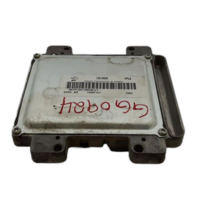
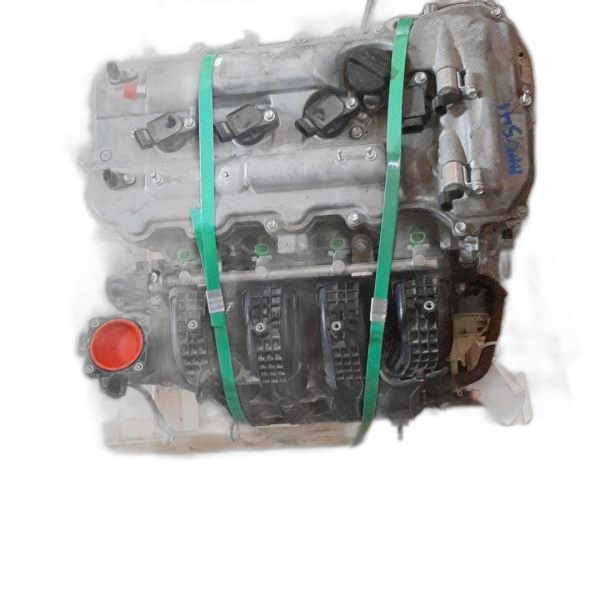
Shop the Parts Behind P2148
Below are the parts most often responsible for code P2148, ranked by how frequently each one is the actual culprit (per the diagnosis above). Tap any to see what we have for your vehicle.




The information in this article is provided for general reference and educational purposes only. Vehicle specifications, procedures, and part compatibility can vary by production date, trim level, and region. Always consult your vehicle's factory service manual and verify part numbers before purchasing or performing repairs. Safety-critical components such as airbags, seat belts, and braking systems should be installed by a qualified professional.
- 🧭 Diagnostic Flowchart
- 🛍️ Shop This Part
- What Does P2148 Mean?
- Can I Drive With P2148?
- Common Causes
- Symptoms
- Common Fixes & Costs
- Used vs. New Parts: Buying Guide
- What Happens If You Wait — Timeline
- Cost of Not Fixing It
- Diagnosis Steps
- When This Code Triggers (Freeze-Frame Conditions)
- Related Codes
- Climate & Environmental Factors
- How to Talk to a Mechanic About This Code
- Where to Take It: Dealer vs Independent vs Chain
- When to Walk Away From the Repair
- What Scan Tool You Need for This Code
- How to Clear the Code After You Fix It
- Will This Fail Emissions / State Inspection?
- Most Commonly Affected Vehicles
- Manufacturer-Specific Notes
- Real Owner Stories
- 2005 GMC Sierra 2500HD (LLY Duramax) at 180K miles
- 2007 Dodge Ram 2500 (5.9L Cummins) at 155K miles
- 2006 Ford F-250 (6.0L Powerstroke) at 210K miles
- 2019 Chevy Silverado 3500 (L5P Duramax)
- How to Prevent This Code From Triggering
- Frequently Asked Questions
- What is 'Injector Group A'?
- What are the most common mistakes when diagnosing P2148?
- How urgent is a P2148 code?
- Can a performance tuner or chip cause P2148?
- Can I fix P2148 myself?
- Will replacing the Group A injectors fix the code?
- What is the difference between P2148 and P2147?
- Key Takeaways
- 🎟️ Get 5% Off