

P2149 on 2009-2014 Buick Enclave: Fuel Injector Group B Circuit Causes and Fixes
On a 2009-2014 Buick Enclave, code P2149 almost always points to a damaged fuel injector wiring harness. This causes an entire bank of cylinders to lose fuel, resulting in a severe misfire. The fix is to inspect, repair, or replace the chafed harness, a known issue confirmed by a GM Technical Service Bulletin.
- P2149 on a 2009-2014 Buick Enclave means the rear bank of fuel injectors (Bank 2) has lost power.
- Do not drive the vehicle. It will run very poorly and you risk damaging the catalytic converter.
- The most likely cause, confirmed by GM TSB #PIP4924D, is a damaged wiring harness. Inspect the harness for chafing before replacing any parts, focusing on areas where it contacts the intake, valve covers, or fuel lines.
- If the harness is damaged, you can either repair the specific wires or replace the entire Bank 2 harness (Part No. 12621095).
What's Unique About the 2009-2014 Buick ENCLAVE
The first-generation Enclave, along with its GM Lambda platform mates (Traverse, Acadia, Outlook), is known for a specific vulnerability with its fuel injector wiring. A General Motors Technical Service Bulletin (TSB #PIP4924D) directly addresses this code and points technicians to inspect the injector wiring harness for rubbing through or developing internal breaks. The TSB specifically calls out common chafe points "against the intake plenum, at valve cover bolts, against the fuel line and on the side of the head under the plenum." This makes a wiring fault the most probable cause, rather than a failure of the injectors themselves.
Diagnostic Flowchart
Tap your situation to follow the diagnostic path that matches what you're seeing on this vehicle.
Symptoms You May Notice
- Severe engine shaking and rough idle
- Flashing Check Engine Light
- Significant loss of engine power, may feel like 'limp mode'
- Engine may hesitate or stumble on acceleration
- Engine may stall
- Reduced fuel economy
- Engine makes unusual noises
- Replacing all three fuel injectors on Bank 2 without first inspecting the wiring harness. The harness is the most likely culprit, and replacing injectors will not fix a wiring problem. This leads to wasted money and the code returning immediately.
Most Likely Causes
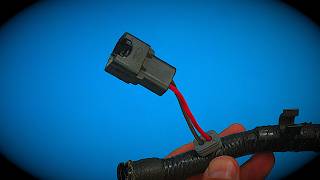
- Chafed or Damaged Fuel Injector Wiring Harness 🔴 High Probability → Shop Engine Wiring Harness As documented in GM TSB #PIP4924D, the harness routing makes it susceptible to rubbing against engine components. Specific chafe points mentioned are against the intake plenum, valve cover bolts, fuel lines, and the side of the cylinder head. Engine vibration over time causes the plastic conduit and wire insulation to wear through, causing a short or open circuit.
How to confirm: A thorough visual and physical inspection of the Bank 2 (rear) fuel injector harness is required. This often necessitates removing the intake manifold for access. Trace the harness from the main connector to each of the three injectors (cylinders 2, 4, 6), paying close attention to the known chafe points. Look for worn-through conduit, exposed copper wires, or breaks. Use a multimeter to check for continuity from the ECM connector to the injector connectors if no visible damage is found. A resistance greater than 0.2 Ω suggests a high-resistance path.
Typical fix: Repair the damaged section of wire using solder and heat shrink tubing, then protect the area with high-quality electrical tape or new plastic conduit. 🎬 Watch: Professional techniques for repairing damaged engine wiring harnesses. If the damage is extensive or near a connector, replacing the entire Bank 2 harness (GM Part No. 12621095) is the recommended and more durable repair.
Est. part cost: $10 - $180 - Loose or Corroded Electrical Connector 🟡 Medium Probability The main harness connector for the injector bank is exposed to heat and vibration, which can cause it to loosen or allow moisture entry over time, leading to corrosion.
How to confirm: Disconnect and inspect the main electrical connector for the Bank 2 injector harness and the connectors at the ECM. Look for bent pins, green or white corrosion, or signs of moisture intrusion.
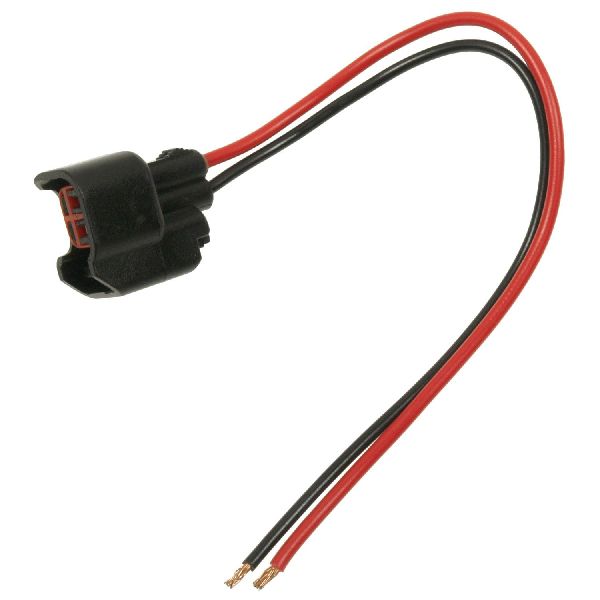
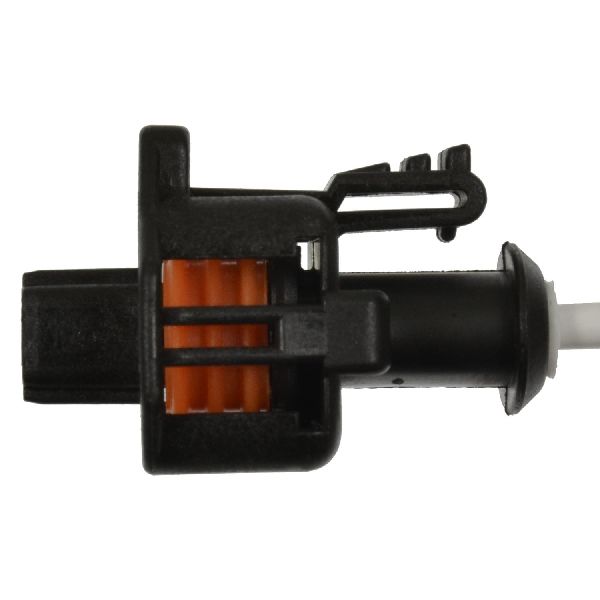
Typical fix: Clean the connector terminals with a dedicated electrical contact cleaner and a small brush. Apply dielectric grease to the seal before reconnecting to prevent future moisture intrusion. Replace the connector pigtail if it is physically damaged or the terminals are too corroded to clean.
Est. part cost: $10 - $50 - Failed Fuel Injector ⚪ Low Probability → Shop Fuel Injector While less common than the wiring issue, a fuel injector's internal solenoid coil can fail, creating an open circuit. This is a general wear-and-tear item, not a specific vehicle flaw.
How to confirm: If the wiring is confirmed to be good, test the resistance of each fuel injector on Bank 2 using a multimeter. Disconnect the injector and measure across its two pins. A good injector for the LFX engine (2012-2014) should have a resistance between 1.2 and 1.8 Ohms. For the LLT engine (2009-2011), the resistance is much higher, potentially 150k-210k Ohms if they are Piezo-style injectors, though some sources cite a lower 1.5-2.5 Ohm range. A reading of infinity (OL) indicates an open circuit and a failed injector. Compare readings between all three injectors on the bank; a significant outlier indicates the faulty component.
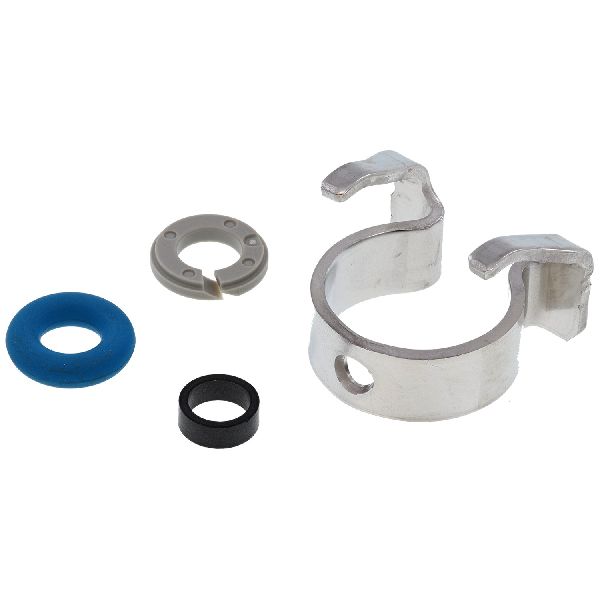
Typical fix: Replace the faulty fuel injector. 🎬 Watch this walkthrough for replacing fuel injectors on this engine. It is often recommended to replace all injectors on the same bank at the same time, especially on higher mileage vehicles, as they have been subjected to the same conditions.
Est. part cost: $50 - $150 per injector
Rare But Worth Checking
- Faulty Engine Control Module (ECM): → Shop Engine Control Module (ECM) This should only be considered after all wiring and components have been thoroughly tested and ruled out. An ECM failure for an injector driver circuit is uncommon but possible. It is the last resort in diagnosis.
Diagnosis Steps
- Scan the ECM for all stored trouble codes. Note P2149 and any accompanying misfire codes (P0300, P0302, P0304, P0306).
- Identify Bank 2, which is the bank of cylinders closer to the firewall. Access will likely require removal of the upper intake manifold. 🎬 See how to remove the intake manifold for better access.
- Begin with a thorough visual inspection of the Bank 2 fuel injector wiring harness, as recommended by TSB #PIP4924D. Check for any signs of rubbing, melting, or physical damage, especially against the intake, valve cover bolts, and fuel lines.
- Wiggle and manipulate the harness while the engine is running (if it runs) to see if the misfire changes, indicating an intermittent break.
- If no visible damage is found, disconnect the harness and use a multimeter to check for continuity on the supply voltage wire and the individual driver wires from the main connector to each injector plug.
- Inspect the main harness connector for Bank 2 and the ECM connectors for any corrosion, moisture, or damaged pins. Clean and apply dielectric grease as needed.
- If wiring and connectors are confirmed to be intact, test the resistance of each fuel injector on Bank 2. For LFX engines (2012-2014), expect 1.2-1.8 Ohms. For LLT engines (2009-2011), specs vary but can be 1.5-2.5 Ohms or much higher for Piezo types. An open circuit (infinite resistance) confirms a bad injector.
- If all wiring and injectors test good, the final step would be to suspect a faulty ECM injector driver, which is a rare failure.
Parts You'll Likely Need
- Fuel Injector Wiring Harness (Bank 2)
(OEM #12621095)— This is the most common failure point for code P2149 on this vehicle, as documented by a manufacturer TSB. This part is for the Left Hand (LH) side of the engine, which corresponds to Bank 2 on the transverse Enclave. It supersedes part number 12614941.
Trusted brands: ACDelco (OE), Standard Motor Products
OEM price range: $120-$180
Aftermarket price range: $80-$130 - Fuel Injector
(OEM #12669384)— If the wiring harness is intact, a single failed injector with an open internal coil can cause this code, though it's less common. This part number supersedes earlier versions like 12638530.
Trusted brands: ACDelco, Bosch
OEM price range: $90-$150
Aftermarket price range: $50-$100
Related Codes That Often Appear With This One
- P0300 — Stands for 'Random/Multiple Cylinder Misfire'. This code is expected since P2149 causes three cylinders to misfire simultaneously.
- P0302, P0304, P0306 — These are specific misfire codes for cylinders 2, 4, and 6, which make up Bank 2 on the 3.6L V6 engine.
- P2146 — This is the equivalent code for 'Fuel Injector Group A' (Bank 1). If the wiring harness damage is severe or occurs at a point where both bank harnesses are routed together, it could potentially affect the circuits for both banks, causing both codes to appear.
Technical Service Bulletins (TSBs) & Recalls
- PIP4924D: Instructs technicians to inspect the fuel injector wiring harness for rub through or internal wire opens when encountering a range of injector circuit codes, including P2149. It lists specific chafe points such as against the intake plenum, valve cover bolts, and fuel lines.
Platform-Specific Known Issues
- TSB #PIP4924D explicitly calls out P2149 and related codes, directing technicians to inspect the fuel injector wiring harness for rubbing or internal opens. This confirms a known pattern failure for the 2009-2014 Enclave and its platform mates.
- Owner forums for the Enclave, Traverse, and Acadia are filled with accounts of this exact failure. Many owners report successfully fixing the issue by locating the chafed wire (often under the intake manifold) and repairing it, or by replacing the Bank 2 harness (p/n 12621095).
Mechanic-Grade Diagnostic Values
- Fuel Injector Coil Resistance (3.6L LFX Engine, 2012-2014) — expected: 1.2 - 1.8 Ohms. Failure: A reading of 0 ohms (short), infinity/OL (open), or significantly outside the specified range.
- Fuel Injector Coil Resistance (3.6L LLT Engine, 2009-2011) — expected: 1.5 - 2.5 Ohms (Solenoid type) OR 150k - 210k Ohms (Piezo type). Failure: A reading outside the specified range. It is critical to know which injector type is installed.
- Wiring Harness Continuity — expected: < 0.2 Ω. Failure: Resistance greater than 0.2 Ω indicates a high-resistance path in the wire between the ECM and injector.
- Injector Circuit Voltage (at injector connector, feed side) — expected: 11.5 - 12.5 Volts (Key On). Failure: Voltage below 9V indicates a problem in the supply circuit, such as high resistance or a short.
Scan Tool Commands That Help
- GM GDS2 / Tech2: Injector Test / Cylinder Power Balance — After confirming the P2149 code, this bidirectional test can command individual injectors on and off (an 'injector buzz test') to see if the fault is with a specific injector or the entire group. The power balance test identifies which cylinders are not contributing, confirming the shutdown of Bank 2.
- GM GDS2 / Professional Scan Tool: Active Fuel Injector Tester (AFIT) / Injector Balance Test — This is a crucial bidirectional test to perform after verifying wiring integrity. The tool commands each injector to fire and measures the corresponding drop in fuel rail pressure. A cylinder with a significantly different pressure drop compared to others indicates a malfunctioning injector (leaking, clogged, or weak), helping differentiate a wiring fault from a mechanical injector issue.
Wiring & Ground Locations
- ECM Connector X1 — The Engine Control Module (ECM) is located on the driver's side of the engine compartment, near the firewall. X1 is one of the main connectors. On the LFX engine, it is often black with a blue terminal position assurance lever.. This connector contains the control and supply voltage pins for the fuel injectors. Testing for continuity, shorts, and voltage should be performed at the pins corresponding to cylinders 2, 4, and 6 to diagnose the circuit without removing the intake manifold first.
- G104 (Ground) — Typically located on the rear of the driver's side cylinder head (Bank 2 side).. This is a primary engine ground for Bank 2. A loose or corroded ground at this location can cause erratic behavior, incorrect voltage readings, and communication issues for the entire bank of sensors and actuators, potentially leading to false injector circuit codes.
- G103 (Ground) — Often located on the left frame rail in the engine compartment or on the front of the passenger side cylinder head.. While G104 is more specific to Bank 2, G103 is another major engine/chassis ground. A poor connection here can create widespread electrical noise and intermittent problems for the entire engine management system, including the ECM and its injector drivers.
Real Owner Repair Stories
- Turbo Diesel Register forum user (2004.5 Dodge Ram (Cummins Diesel)) — P2149 code, truck lost all power and was running on only 3 cylinders.
❌ Tried (didn't work) Visual inspection of the wiring harness showed no damage., Continuity test (Ohm test) of the injector harness under the valve cover passed.
✅ What actually fixed it Testing the individual injectors showed injector #4 had a resistance of 0 ohms, while all others were 0.3 ohms. Replacing the single faulty #4 injector resolved the P2149 code and restored engine power. This demonstrates that although a wiring harness is common, a single shorted injector can shut down the entire bank.
OEM Part Supersession History
12614941→12621095— Standard part evolution for improved reliability or manufacturing process changes.
Model Year Variations Within This Range
- 2009-2011: These models use the 3.6L LLT V6 engine. This engine has an aluminum intake manifold and typically uses a Bosch ECM. The fuel injectors may be a different type (Solenoid or Piezo) with different resistance specifications than the later LFX engine.
- 2012-2014: These models use the updated 3.6L LFX V6 engine. It features a composite intake manifold, integrated exhaust manifolds, and uses a Delphi ECM. The fuel injectors are solenoid-style with a low resistance (1.2-1.8 Ohms). Parts like the ECM and injectors are not interchangeable with the LLT.
Helpful Videos
We Have This Part in Stock


The information in this article is provided for general reference and educational purposes only. Vehicle specifications, procedures, and part compatibility can vary by production date, trim level, and region. Always consult your vehicle's factory service manual and verify part numbers before purchasing or performing repairs. Safety-critical components such as airbags, seat belts, and braking systems should be installed by a qualified professional.
- Buick ENCLAVE:
- 🧭 Diagnostic Flowchart
- 🎬 Helpful Videos
- 🛍️ Shop This Part
- What's Unique About the 2009-2014 Buick ENCLAVE
- Symptoms You May Notice
- Most Likely Causes
- Rare But Worth Checking
- Diagnosis Steps
- Parts You'll Likely Need
- Related Codes That Often Appear With This One
- Technical Service Bulletins (TSBs) & Recalls
- Platform-Specific Known Issues
- Mechanic-Grade Diagnostic Values
- Scan Tool Commands That Help
- Wiring & Ground Locations
- Real Owner Repair Stories
- OEM Part Supersession History
- Model Year Variations Within This Range
- 🎟️ Get 5% Off