

P2149 on 2010-2014 Cadillac CTS: Fuel Injector Group B Circuit Causes and Fixes
On a 2010-2014 Cadillac CTS, code P2149 is almost always caused by the fuel injector wiring harness rubbing against the engine, leading to an open or shorted circuit. This is a well-documented issue across many GM vehicles with the same V6 engines. Before replacing any parts, carefully inspect the harness for chafing, especially near the cylinder head, intake plenum, and fuel lines as noted in GM Technical Service Bulletin #PIP4924D.
- P2149 on a 2010-2014 CTS indicates a serious electrical fault with the Group B (cylinders 2, 4, 6) fuel injectors.
- Do not drive the vehicle; it will run poorly and you risk damaging other components like the catalytic converter.
- The most probable cause is a chafed wiring harness. Inspect the harness thoroughly for damage before buying any parts.
- Repairing the harness with solder, heat shrink, and protective loom is often the correct and most cost-effective fix.
- Only consider replacing fuel injectors or the ECM after confirming the wiring is in perfect condition.
What's Unique About the 2010-2014 Cadillac CTS
The second-generation Cadillac CTS with a V6 engine is known for a specific issue where the engine's wiring harness is routed in a way that it can rub against engine components. TSB #PIP4924D and its revisions specifically call out common chafe points against the intake plenum, valve cover bolts, fuel lines, and the side of the cylinder head. Constant friction from normal engine vibration wears through the wire insulation, causing a short or open circuit that triggers the P2149 code. This is a well-documented problem across a wide range of GM vehicles using these engines, making a harness inspection the critical first step in diagnosis.
Diagnostic Flowchart
Tap your situation to follow the diagnostic path that matches what you're seeing on this vehicle.
Symptoms You May Notice
- Severe engine misfire or shaking.
- Drastically reduced engine power ('limp mode').
- Solid or flashing Check Engine Light.
- Rough or erratic idle.
- Engine may not start at all.
- Stabilitrak warning light may illuminate.
- "Reduced Engine Power" message on the driver information center.
- Replacing one or more fuel injectors without first thoroughly inspecting the wiring harness. The symptoms will return if the underlying wiring chafe is the true cause. This is a common theme in owner forums.
Most Likely Causes
- Fuel Injector Wiring Harness Chafed or Damaged 🔴 High Probability → Shop Engine Wiring Harness As documented in TSB #PIP4924D, the harness routing on these V6 engines makes it susceptible to rubbing against engine parts. Common chafe points include against the intake plenum, valve cover bolts, fuel lines, and the side of the cylinder head under the plenum.
How to confirm: Visually inspect the entire fuel injector harness, paying close attention to where it runs near the cylinder heads, engine brackets, and the X160 connector. Look for worn plastic loom and exposed, broken, or shorted copper wires. The damage is often found on the driver's side of the engine.
Typical fix: Repair the damaged wires using solder and heat-shrink tubing, then re-wrap the harness in high-quality electrical tape or a new protective loom. Secure the harness away from the contact point with zip ties to prevent recurrence.
Est. part cost: $5-$25 - Failed Fuel Injector(s) in Group B 🟡 Medium Probability → Shop Fuel Injector Injectors can fail electrically over time, though it's less common than the wiring issue. Direct injection injectors operate under high pressure and can fail internally.
How to confirm: If the wiring is intact, test the resistance of the injectors on cylinders 2, 4, and 6 with a multimeter. For the direct injection LFX/LLT engines, a normal reading is very low, around 1.5 to 2.3 Ohms. A reading of zero or infinity (OL) indicates a failed injector.
Typical fix: Replace the faulty fuel injector. It is often recommended to replace all injectors on the affected bank at the same time, especially on higher mileage vehicles.
Est. part cost: $50-$150 per injector - Loose or Corroded Electrical Connector ⚪ Low Probability
How to confirm: Disconnect and inspect the main harness connector (X161 on some models) and the individual injector connectors for cylinders 2, 4, and 6. Look for bent pins, corrosion, or signs of water intrusion. On some GM trucks, loose pins inside the connector are a known issue.
Typical fix: Clean the connector terminals with a specialized electrical contact cleaner and apply dielectric grease. If pins are damaged or loose, the connector pigtail may need to be replaced.
Est. part cost: $15-$40 for a new pigtail connector
Rare But Worth Checking
- Failed Engine Control Module (ECM): → Shop Engine Control Module (ECM) This is the least likely cause. The ECM's internal driver circuit for injector Group B can fail, but all wiring and component checks must be performed first before condemning the expensive ECM. A scan tool that can perform an injector control circuit test can help verify if the ECM is sending a signal.
Diagnosis Steps
- Verify the presence of P2149 with an OBD-II scanner. Note any other codes, such as P2146 or specific injector codes (P0202, P0204, P0206).
- Perform a thorough visual and physical inspection of the fuel injector wiring harness as it routes over the top of the engine. Per TSB PIP4924D, focus on where it contacts the intake plenum, valve cover bolts, fuel lines, and the side of the cylinder head. Feel for breaks or shorts under the loom.
- If damage is found, repair the broken/chafed wires. Ensure connections are soldered and sealed with heat-shrink tubing. Protect the repaired section with new wire loom and secure it away from sharp edges with zip ties.
- If no wiring damage is visible, disconnect the harness from the Group B injectors (2, 4, 6). Use a multimeter set to Ohms to check the resistance of each injector. For the direct-injected LFX/LLT engines, expect a reading between 1.5-2.3 Ohms. A reading near zero or infinity (OL) indicates a bad injector.
- Check for battery voltage at the power supply wire for the Group B injectors with the key on, engine off. A reading below 12V could indicate a high-resistance path.
- Use a 'noid light' to test for a pulse signal from the ECM at each Group B injector connector while cranking the engine. The light should flash. No pulse points towards a wiring issue between the ECM and the injector or a faulty ECM driver.
- Inspect the main engine harness connectors (e.g., X160, X161) for any loose, corroded, or damaged pins that could affect the injector circuits.
- If wiring and injectors test good, the final possibility is a fault within the Engine Control Module (ECM) itself.
Parts You'll Likely Need
- Fuel Injector Wiring Harness Repair Supplies — This is for repairing the most common cause: a chafed wiring harness. Includes solder, heat shrink, and wire loom.
OEM price range: $5-$25
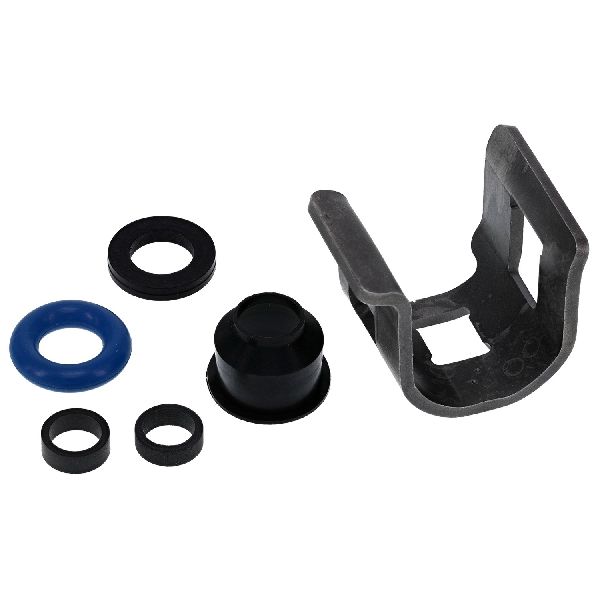
Aftermarket price range: $5-$25 - Fuel Injector
(OEM #12638530 (for 3.6L LLT/LFX), 12632255 (for 3.0L LF1))— Replaced if an injector is found to be electrically failed (open or shorted) after testing.
Trusted brands: ACDelco, Bosch
OEM price range: $100-$180
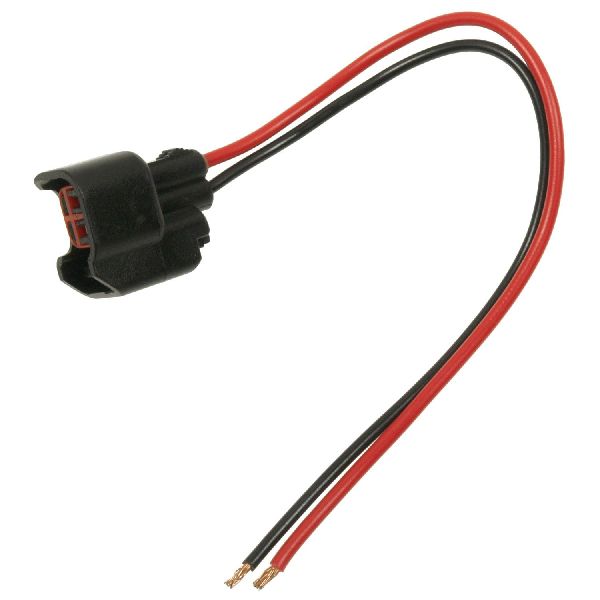
Aftermarket price range: $50-$110 - Fuel Injector Harness Connector
(OEM #PT2183 (ACDelco example))— Needed if the plastic connector itself or its terminals are damaged or corroded.
Trusted brands: ACDelco, Dorman
OEM price range: $25-$40
Aftermarket price range: $15-$30
Related Codes That Often Appear With This One
- P2146 — This is the equivalent code for Fuel Injector Group 'A' (cylinders 1, 3, 5). If both codes are present, it may point to a more significant harness issue affecting both banks or a problem with the ECM.
- P0202, P0204, P0206 — These are specific circuit malfunction codes for injectors 2, 4, and 6. They often accompany P2149 and help confirm which bank is affected.
- P0300, P0302, P0304, P0306 — These are random and cylinder-specific misfire codes that result from the injectors being shut down.
- P0193 — Fuel Rail Pressure Sensor Circuit High. This can appear alongside P2149 if the wiring damage also affects the fuel pressure sensor circuit, which may be part of the same harness.
Technical Service Bulletins (TSBs) & Recalls
- PIP4924D: This is the primary document related to this issue. It has been superseded by versions A, B, C, and D, each updating the model years and vehicle list. It instructs technicians to inspect the fuel injector wiring harness for rub-through or internal wire opens at several specific locations before replacing parts.
Platform-Specific Known Issues
- A known issue, documented in GM Technical Service Bulletin #PIP4924D, involves the fuel injector wiring harness rubbing through against engine components, causing various injector circuit codes including P2149. Specific chafe points are against the intake plenum, valve cover bolts, fuel lines, and the side of the head under the plenum.
Mechanic-Grade Diagnostic Values
- Fuel Injector Coil Resistance (LLT/LFX Direct Injection) — expected: 1.5 - 2.3 Ohms. Failure: A reading of 0 Ohms (short) or infinite/OL (open).
- Wiring Harness Resistance (ECM to Injector) — expected: Less than 0.2 Ω. Failure: Resistance greater than 0.2 Ω indicates a high-resistance path in the wiring, often due to corrosion or a partial break.
- Injector Circuit Voltage (Key On, Engine Running) — expected: 11.5 - 12.5 V. Failure: Voltage below 9V points to a significant circuit problem, such as a short or high resistance.
Scan Tool Commands That Help
- GDS2 (GM Global Diagnostic System 2): Injector Control Circuit Test Status — While the engine is running, this parameter can be observed. Wiggling the harness while watching this status can help pinpoint an intermittent fault; the status will change from 'OK' or 'Not Run' to 'Fault' if a condition is detected.
- GDS2 (GM Global Diagnostic System 2): Fuel Injector Balance Test — This bidirectional test commands each injector to fire for a specific duration and measures the corresponding drop in fuel pressure. While primarily for identifying clogged or mechanically faulty injectors, it can also help confirm if an injector is completely non-responsive electrically, which would show no pressure drop.
Wiring & Ground Locations
- G102 — Located at the left rear of the engine.. This ground serves the ignition coils. While not directly for the injectors, a poor ground in this area can introduce electrical noise and potential issues with overall engine performance diagnostics.
- G104 — Located on the back of the left (driver's side) cylinder head.. This is a critical engine ground. A loose or corroded G104 can cause a wide range of issues, including problems with the Vehicle Control Module and fuel pump relay trigger, potentially affecting the fuel injection system.
- ECM Connector X1 — The larger of the connectors at the Engine Control Module.. This connector contains the high and low side driver circuits for all fuel injectors. Testing for resistance and continuity can be performed directly at this connector's pins to isolate a problem between the ECM and the injectors without disturbing the harness on the engine.
- Injector 2, 4, 6 Pins at ECM X1 — Injector 2 (Dk Blue/Wht, Dk Blue), Injector 4 (Lt Blue/Wht, Lt Blue), Injector 6 (Purple/Wht, Purple). Pin numbers vary by year and specific ECM, but can be found in service manuals.. These are the specific wire colors for the Group B injectors on the LFX engine. Knowing these allows for precise testing of the individual injector circuits directly from the ECM connector.
Real Owner Repair Stories
- cadillacforums.com user reports (2011 Cadillac CTS 3.6L) — Engine running extremely rough, check engine light on with code P2149, misfires on cylinders 2, 4, and 6.
❌ Tried (didn't work) A repair shop replaced all three fuel injectors on Bank 2., The code returned almost immediately after the injector replacement.
✅ What actually fixed it The owner inspected the wiring harness themselves and found a section on the driver's side where the loom had worn through. Several wires had rubbed against the cylinder head, causing them to short out. The owner repaired the broken wires with solder and heat shrink, re-wrapped the harness, and secured it with zip ties away from the engine block. The code did not return.
OEM Part Supersession History
88988963→PT2183— Part number standardization by ACDelco.
Heads up: PT2183 is the current service part number for the fuel injector pigtail connector. Both numbers refer to the same part.
Model Year Variations Within This Range
- 2012-2014: The 3.6L engine was updated from the LLT to the LFX in 2012. While they share the same architecture and the P2149 wiring issue, some sensor locations and specific harness routing may have minor differences. The fundamental diagnostic approach remains the same.
We Have This Part in Stock


The information in this article is provided for general reference and educational purposes only. Vehicle specifications, procedures, and part compatibility can vary by production date, trim level, and region. Always consult your vehicle's factory service manual and verify part numbers before purchasing or performing repairs. Safety-critical components such as airbags, seat belts, and braking systems should be installed by a qualified professional.
- Cadillac CTS:
- 🧭 Diagnostic Flowchart
- 🛍️ Shop This Part
- What's Unique About the 2010-2014 Cadillac CTS
- Symptoms You May Notice
- Most Likely Causes
- Rare But Worth Checking
- Diagnosis Steps
- Parts You'll Likely Need
- Related Codes That Often Appear With This One
- Technical Service Bulletins (TSBs) & Recalls
- Platform-Specific Known Issues
- Mechanic-Grade Diagnostic Values
- Scan Tool Commands That Help
- Wiring & Ground Locations
- Real Owner Repair Stories
- OEM Part Supersession History
- Model Year Variations Within This Range
- 🎟️ Get 5% Off