

P2149 on 2009-2010 Saturn Outlook: Fuel Injector Group 'B' Circuit Causes and Fixes
On a 2009-2010 Saturn Outlook, code P2149 is almost always caused by a damaged fuel injector wiring harness. This is a well-documented issue (GM TSB #PIP4924D) where the harness rubs against engine components like the intake plenum or valve cover bolts. Inspecting and repairing the harness is the most common fix, often costing less than $50 in materials for a DIY repair. This problem is shared across all GM Lambda platform vehicles with the 3.6L engine.
- P2149 on a 2009-2010 Saturn Outlook indicates a power circuit failure for the front bank of fuel injectors (cylinders 2, 4, 6).
- The most likely cause, by far, is a chafed wiring harness, as documented in GM TSB #PIP4924D. Always inspect the harness before replacing any parts.
- Driving the vehicle is not recommended as it will have a severe lack of power and could cause further damage.
- Common symptoms include a very rough running engine, significant power loss, and a solid or flashing Check Engine Light.
- If the wiring is good, the next step is to test the resistance of the fuel injectors in the affected bank.
What's Unique About the 2009-2010 Saturn OUTLOOK
The Saturn Outlook is part of the GM Lambda platform, which also includes the GMC Acadia, Buick Enclave, and Chevrolet Traverse. This entire platform is known for a specific vulnerability where the fuel injector wiring harness is routed in a way that makes it prone to rubbing against engine components. Common chafe points are against the intake plenum, at valve cover bolts, against a fuel line, or on the side of the cylinder head under the plenum. This chafing eventually wears through the wire's insulation, causing a short or open circuit that triggers the P2149 code. This is a well-documented failure pattern acknowledged by General Motors in Technical Service Bulletin #PIP4924D.
Diagnostic Flowchart
Tap your situation to follow the diagnostic path that matches what you're seeing on this vehicle.
Symptoms You May Notice
- Severe engine misfire or shaking
- Significant loss of engine power
- Engine running very rough
- Check Engine Light is on and may be flashing
- Difficulty starting the engine
- Possible engine stalling
- Reduced fuel economy
- Replacing all three fuel injectors on Bank 2 without first thoroughly inspecting the wiring harness. The harness is the most common point of failure for this specific code on this vehicle, as documented by GM.
Most Likely Causes
- Chafed or Damaged Fuel Injector Wiring Harness 🔴 High Probability → Shop Engine Wiring Harness As documented in GM Technical Service Bulletin #PIP4924D, the injector wiring harness is prone to rubbing against the intake plenum, valve cover bolts, the EVAP canister purge solenoid valve bracket, fuel lines, or the side of the cylinder head. Engine vibration causes the harness to wear through, creating an open or short circuit.
How to confirm: Visually inspect the entire length of the fuel injector harness for Bank 2 (front bank), especially where it passes over the cylinder head and makes contact with engine components. Look for shiny spots, exposed copper wires, or breaks in the plastic loom. The damage is often on the underside and not immediately visible. Wiggling the harness while the engine is running may cause the misfire to change or stop, confirming a wiring issue.
Typical fix: Repair the damaged section of wire using solder and heat shrink tubing. Protect the repaired area with high-quality electrical tape or flexible wire loom. Secure the harness away from the sharp edge or vibrating component that caused the damage using zip ties.
Est. part cost: $10-$50 - Failed Fuel Injector ⚪ Low Probability → Shop Fuel Injector While less common than the wiring issue, a direct injector can fail electrically when its internal coil winding shorts or opens.
How to confirm: If the wiring harness is confirmed to be in good condition, test the resistance of the fuel injectors on Bank 2 (cylinders 2, 4, 6). Disconnect the injector and measure resistance across its two terminals. A healthy high-impedance injector for the LLT engine should read around 11-14 Ohms. A reading of 'OL' (Open Loop) or a significant deviation from the other injectors indicates a failure.
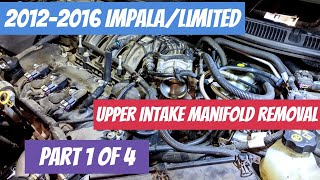
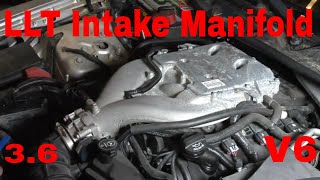
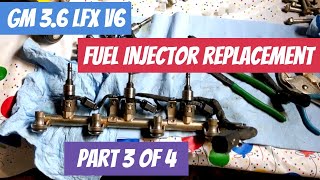
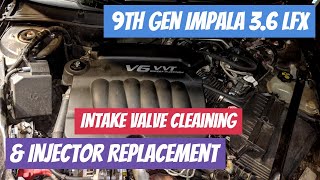
Typical fix: Replace the faulty fuel injector. It is recommended to replace the Teflon seal and decoupler at the same time. Access requires removing the upper intake 🎬 See this full walkthrough for intake removal and injector replacement. manifold and fuel rail.
Est. part cost: $100-$180 - Loose or Corroded Electrical Connector ⚪ Low Probability
How to confirm: Disconnect and inspect the main harness connector at the ECM and any intermediate connectors for the injector harness (e.g., X160 connector). Look for bent pins, corrosion (green or white powder), or signs of water intrusion.
Typical fix: Clean the connector pins with a specialized electrical contact cleaner. Apply a small amount of dielectric grease to the seal before reconnecting to prevent future moisture intrusion. Replace the connector pigtail if the terminals are too damaged.
Est. part cost: $15-$50
Rare But Worth Checking
- Faulty Engine Control Module (ECM): → Shop Engine Control Module (ECM) This is the least likely cause. The ECM's internal driver circuit for injector Group B can fail, but all wiring and injector tests should be performed before condemning the ECM.
Diagnosis Steps
- Scan the ECM for all stored trouble codes and review the freeze frame data to see the conditions under which P2149 was set.
- Perform a thorough visual inspection of the fuel injector wiring harness, focusing on the areas where it passes over and around the front (Bank 2) cylinder head and intake manifold. Look for any signs of rubbing, melting, or physical damage, as noted in TSB #PIP4924D. Pay close attention to the underside of the harness where it might contact the corner of the cylinder head or EVAP purge solenoid bracket.
- If no visible damage is found, disconnect the harness and use a multimeter to check for continuity on the power supply wire for Bank 2 from the ECM connector to the injector connectors. Resistance greater than 0.2 ohms suggests a problem.
- Check for a short to ground on the same power supply wire.
- If wiring integrity is confirmed, measure the resistance of each fuel injector on Bank 2 (cylinders 2, 4, and 6). Compare the readings to each other; a healthy LLT injector should be around 11-14 Ohms. A significant outlier indicates a failed injector.
- If both the wiring and injectors test good, the fault may lie within the ECM, which requires more advanced diagnostics to confirm.
Parts You'll Likely Need
- Fuel Injector Wiring Harness Repair Supplies — This is for repairing the most common cause: a chafed wire. A full harness replacement is usually not necessary.
OEM price range: N/A
Aftermarket price range: $10-$25 (for wire, connectors, loom) - Fuel Injector Connector
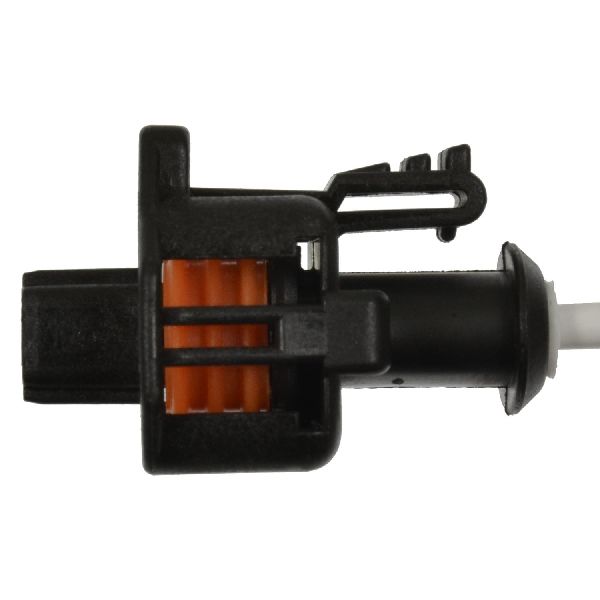
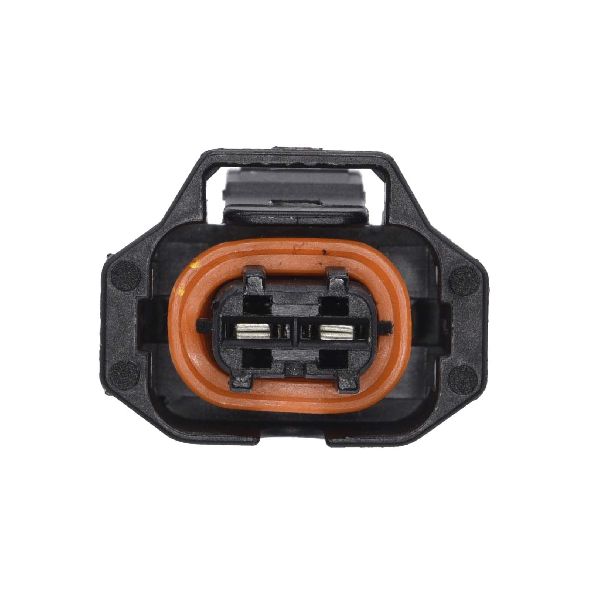
(OEM #88988963 (GM), PT2183 (ACDelco), PT2160 (ACDelco))— If the connector itself is damaged at one of the injectors, a new pigtail may be needed for the repair.
Trusted brands: ACDelco, Standard Motor Products
OEM price range: $30-$50
Aftermarket price range: $15-$35 - Fuel Injector
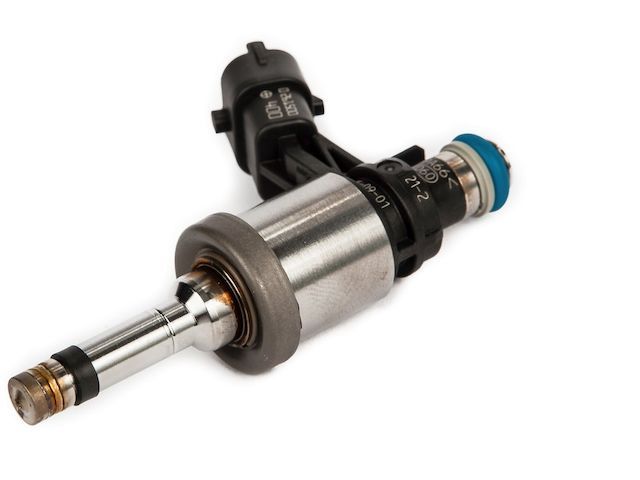
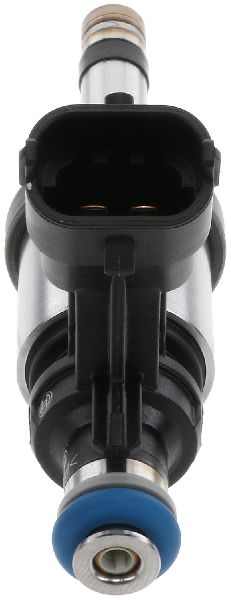
(OEM #12638530 (superseded by 12669384))— If the wiring is intact, one of the injectors in Group 'B' may have failed electrically. Part number 12638530 is for the 3.6L LLT engine.
Trusted brands: ACDelco, Bosch, Hitachi
OEM price range: $120-$180
Aftermarket price range: $70-$130 - Intake Manifold Gasket Set
(OEM #Fel-Pro MS 97240-1 (Set))— Accessing the fuel injectors and their harness on the 3.6L V6 requires removing the upper intake manifold. These gaskets are single-use and must be replaced to prevent vacuum leaks. 🎬 Watch: Step-by-step guide for installing new fuel injectors.
Trusted brands: Fel-Pro, ACDelco
OEM price range: $40-$60
Aftermarket price range: $25-$45
Related Codes That Often Appear With This One
- P2146 — This is the identical fault code but for Injector Group 'A' (cylinders 1, 3, 5). If wiring damage is extensive, both codes can appear simultaneously.
- P0202, P0204, P0206 — These codes indicate a circuit malfunction for a specific injector in Group 'B'. They often accompany P2149 and help confirm the fault lies within that injector bank.
- P0300, P0302, P0304, P0306 — These are misfire codes. P0300 is for a random/multiple cylinder misfire, while P0302, P0304, and P0306 indicate misfires on the specific cylinders disabled by the P2149 fault.
Technical Service Bulletins (TSBs) & Recalls
- PIP4924D: Advises technicians to inspect the fuel injector wiring harness for rubbing through or internal wire opens when various injector codes, including P2149, are present. It lists specific chafe points like the intake plenum, valve cover bolts, and cylinder head.
Platform-Specific Known Issues
- The primary issue is the fuel injector wiring harness chafing against engine components, as detailed in GM Technical Service Bulletin #PIP4924D. This TSB is the key to diagnosing this code on the Saturn Outlook and its platform mates.
- A common point of failure is where the harness passes over the front cylinder head (Bank 2) and rubs against the corner of the head or the bracket for the EVAP purge solenoid.
Mechanic-Grade Diagnostic Values
- Fuel Injector Coil Resistance (3.6L LLT Engine) — expected: 11-14 Ohms at 10-32°C (50-90°F). Failure: A reading of 0, infinity (OL), or a significant deviation from other injectors on the same bank. For example, a reading of 9 Ohms or 18 Ohms would be suspect.
- Injector Supply Voltage (at injector connector) — expected: 11.5–12.5 V (Key On, Engine Off). Failure: Voltage below 9V indicates a problem in the supply circuit wiring or fuse.
- Wiring Harness Continuity — expected: < 0.2 Ohms. Failure: Resistance greater than 0.2 Ohms indicates corrosion or a partially broken wire creating excessive resistance in the circuit.
Scan Tool Commands That Help
- GM Tech 2 / GDS2: Fuel Injector Balance Test — This bidirectional test allows the technician to command each injector to fire individually while monitoring fuel pressure drop. For P2149, attempting to pulse injectors 2, 4, or 6 would result in no pressure drop, confirming the fault is on Bank B before removing the intake manifold.
- GM Tech 2 / GDS2: Active Fuel Injector Test (AFIT) — This is a more advanced test using a specific hardware module (Kent-Moore CH-47976) with the scan tool. It performs an automated electrical check and flow test on all injectors to identify electrical faults, leaks, or restrictions without full engine disassembly.
Wiring & Ground Locations
- ECM Connector X1, Pin 48 — The Engine Control Module (ECM) is on the driver's side of the engine bay. X1 is one of the main connectors.. This pin provides the supply voltage for the Bank 2 fuel injectors (cylinders 2, 4, 6). Testing for voltage here can confirm if the ECM is sending power. The wire is typically Dark Green.
- ECM Connector X1, Pins 15, 16, 33 — Same ECM connector as the supply voltage.. These are the individual control (ground-side) circuits for injectors 2, 4, and 6, respectively. Testing continuity from these pins to the injector connectors can isolate a break in a specific control wire.
- G105 / G106 — G105 is often at the left rear of the engine, while G106 can be on the front of the engine block or frame rail.. These are primary engine and ECM grounds. While a bad ground typically causes multiple, erratic issues, a poor ground connection can affect the ECM's ability to properly control the injector driver circuits. Verifying these are clean and tight is a crucial step in any electrical diagnosis.
- X160 Connector — A multi-way harness connector often located near the rear of the intake manifold.. This is an intermediate connector between the main engine harness and the fuel injector sub-harness. It's a potential point of failure due to corrosion or loose pins and a good place to perform circuit testing to isolate the fault.
Real Owner Repair Stories
- Acadia Forum (platform-mate vehicle) (2009 GMC Acadia 3.6L) — Rough running, Check Engine Light with code P2149.
❌ Tried (didn't work) A repair shop quoted replacing all three injectors on Bank 2.
✅ What actually fixed it The owner removed the intake manifold and found the injector wiring harness was chafed through on a sharp corner of the cylinder head, near the EVAP purge solenoid bracket. The dark green power supply wire was broken. The owner spliced the wire, protected it with new loom, and secured it away from the sharp edge with a zip tie, which resolved the code. - Traverse Forum (platform-mate vehicle) (2010 Chevrolet Traverse 3.6L) — P2149 accompanied by misfire codes P0300, P0302, P0304, and P0306.
✅ What actually fixed it Based on forum advice, the owner inspected the injector harness under the intake plenum. They discovered a wire had rubbed through its insulation on a sharp aluminum edge of the front cylinder head. Repairing the damaged wire and adding protective wrapping fixed the issue completely.
OEM Part Supersession History
12638530→12669384— Standard part revision by the manufacturer for improvements or supplier changes.
Heads up: The original and superseded parts are interchangeable for the 2009-2010 LLT engine. However, injectors for the later LFX engine (2012+) have a different part number and electrical resistance, and are not compatible.
Model Year Variations Within This Range
- 2009-2010: For the P2149 code, there are no significant differences between the 2009 and 2010 Saturn Outlook models equipped with the 3.6L LLT engine. The engine, wiring harness design, and common failure points are identical. The diagnostic procedure and TSB #PIP4924D apply equally to both years.
Helpful Videos
We Have This Part in Stock


The information in this article is provided for general reference and educational purposes only. Vehicle specifications, procedures, and part compatibility can vary by production date, trim level, and region. Always consult your vehicle's factory service manual and verify part numbers before purchasing or performing repairs. Safety-critical components such as airbags, seat belts, and braking systems should be installed by a qualified professional.
- Saturn OUTLOOK:
- 🧭 Diagnostic Flowchart
- 🎬 Helpful Videos
- 🛍️ Shop This Part
- What's Unique About the 2009-2010 Saturn OUTLOOK
- Symptoms You May Notice
- Most Likely Causes
- Rare But Worth Checking
- Diagnosis Steps
- Parts You'll Likely Need
- Related Codes That Often Appear With This One
- Technical Service Bulletins (TSBs) & Recalls
- Platform-Specific Known Issues
- Mechanic-Grade Diagnostic Values
- Scan Tool Commands That Help
- Wiring & Ground Locations
- Real Owner Repair Stories
- OEM Part Supersession History
- Model Year Variations Within This Range
- 🎟️ Get 5% Off