

P2152 on 2009-2011 Cadillac STS: Fuel Injector Group Voltage Fault Causes and Fixes
On a 2009-2011 Cadillac STS with the 3.6L V6, code P2152 almost always indicates a problem with the fuel injector wiring harness. A General Motors Technical Service Bulletin (TSB) points to the harness rubbing through or having internal wire breaks, which is the most common cause. This is a known issue across many GM vehicles using the 3.6L LLT engine. The fix involves inspecting and repairing the damaged wiring, often found under the intake manifold.
- P2152 on a 2009-2011 Cadillac STS almost certainly points to a wiring issue.
- This is a well-known pattern failure across many GM vehicles with the 3.6L LLT engine, not just the STS.
- Before replacing any parts, thoroughly inspect the fuel injector wiring harness for signs of chafing or damage, especially under the intake manifold.
- Referencing GM TSB #PIP4924D is the fastest path to diagnosis.
What's Unique About the 2009-2011 Cadillac STS
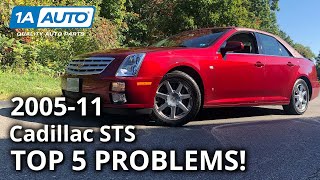
🎬 Watch: Common issues to look for on this Cadillac generationFor the 2009-2011 Cadillac STS, particularly with the 3.6L V6 LLT engine, this code is part of a well-documented pattern failure affecting a wide range of GM vehicles. General Motors issued Technical Service Bulletin #PIP4924D, which directly links P2152 (and other related codes) to the fuel injector wiring harness chafing against engine components. This known issue extends to platform mates like the Chevrolet Traverse, GMC Acadia, Buick Enclave, and Cadillac CTS. This makes the problem less of a mystery and more of a known issue to look for, shifting the diagnostic focus immediately to the harness itself rather than other potential causes.
Diagnostic Flowchart
Tap your situation to follow the diagnostic path that matches what you're seeing on this vehicle.
Symptoms You May Notice
- Check Engine Light (SES) is on
- Severe engine misfire or rough running
- Engine running rough at idle
- Noticeable loss of power and acceleration
- Poor fuel economy
- Engine may hesitate or stall at low speeds
- Engine may blow the ECM1 fuse
- Replacing fuel injectors without first thoroughly inspecting the wiring harness. The TSB makes it clear the harness is the most likely point of failure.
Most Likely Causes
- Fuel Injector Wiring Harness Chafing or Open 🔴 High Probability → Shop Engine Wiring Harness As documented in GM TSB #PIP4924D, the harness routing on the 3.6L V6 engine makes it susceptible to rubbing against various engine parts due to engine movement. This is a widespread issue across many GM models with this engine.
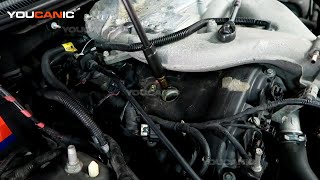
How to confirm: Perform a careful visual and physical inspection of the fuel injector wiring harness. The TSB specifically calls out checking for rub-through against the intake plenum, at valve cover bolts, against the fuel line, and on the side of the cylinder head under the plenum. Forum and technician discussions confirm these spots, emphasizing where the harness is secured by brackets or makes tight turns. If no visible damage is found, use a multimeter to check for continuity and voltage at the injector connectors for the affected bank, as outlined in service manuals.
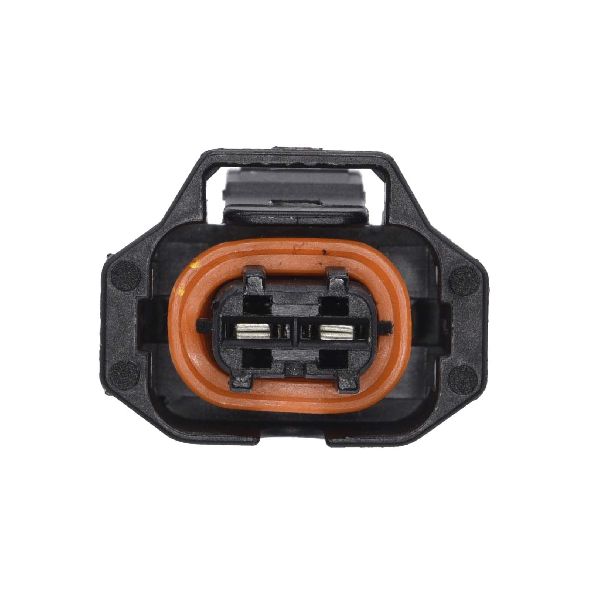
Typical fix: Repair the damaged section of wire using a pigtail connector (like ACDelco PT2183) or by soldering and heat-shrinking. In severe cases, the entire fuel injector harness (GM Part No. 12621095) may need to be replaced. Ensure the repaired harness is re-routed or protected with anti-abrasion tape or loom to prevent future chafing.
Est. part cost: $15-$50 for repair pigtails, $200-$400 for a new harness. - Failed Fuel Injector ⚪ Low Probability → Shop Fuel Injector
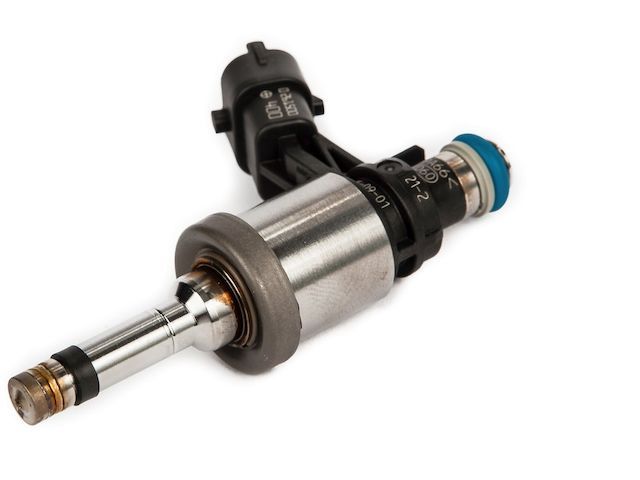
How to confirm: This is unlikely to be the cause for a group voltage code but is possible. If the wiring harness is confirmed to be good, you can test the injectors. Swap the suspect injector with one from a working cylinder. If the misfire code follows the injector, the injector is bad. You can also check the injector's resistance with a multimeter.
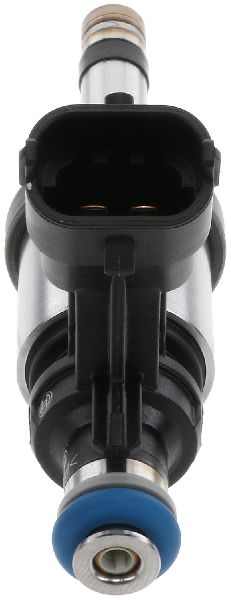
Typical fix: Replace the faulty fuel injector (e.g., GM Part No. 12609418). It is often recommended to replace the O-rings and seals for the surrounding injectors at the same time.
Est. part cost: $50-$150 per injector. - Faulty Powertrain Control Module (PCM) ⚪ Low Probability → Shop Engine Control Module (ECM)
How to confirm: This is diagnosed by exclusion. If the wiring harness and all fuel injectors have been tested and are known to be good, the PCM's injector driver circuit may be at fault. This requires advanced diagnostic tools to confirm, as outlined in the service manual diagnostic steps.
Typical fix: Replace and reprogram the PCM. This must be done by a qualified shop or dealership.
Est. part cost: $500-$1000+
Diagnosis Steps
- Read the fault codes from the PCM using an OBD-II scanner.
- Confirm the presence of P2152 and any other related injector or misfire codes (P2146, P2149, P020X, P0300).
- Referencing TSB #PIP4924D, perform a thorough visual inspection of the fuel injector wiring harness.
- Pay close attention to areas where the harness might contact the intake plenum, valve cover bolts, fuel lines, or the side of the cylinder head under the intake.
- If damage like chafing, melting, or broken wires is found, repair the harness.
- If no visible damage is found, use a multimeter or test lamp to test for voltage and signal at the power supply wire for the affected injector group, following service manual procedures.
- If voltage is missing, trace the circuit back to find the open or short.
- If wiring is confirmed to be intact and has proper voltage, proceed to test the resistance of the fuel injectors in the affected group.
- If all wiring and injectors test good, the final step is to suspect a fault in the PCM, which requires professional diagnosis.
Parts You'll Likely Need
- Fuel Injector Wiring Harness Repair Pigtail
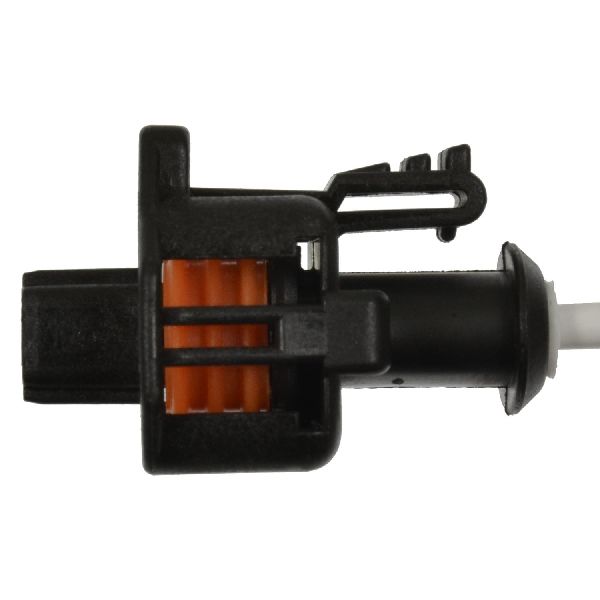
(OEM #ACDelco PT2183)— If only a small section of the harness or a single connector is damaged, a pigtail is used to repair it without replacing the entire harness.
Trusted brands: ACDelco, Dorman
OEM price range: $30-$50
Aftermarket price range: $15-$30 - Fuel Injector Wiring Harness
(OEM #12621095)— If the harness has multiple points of damage or is oil-soaked and brittle, replacement is the most reliable repair. This part number fits the STS and other platform mates.
Trusted brands: ACDelco, GM Genuine Parts
OEM price range: $250-$400
Aftermarket price range: $200-$300
Related Codes That Often Appear With This One
- P2146 — Fuel Injector Group 'A' Supply Voltage Circuit fault. Often set with P2152 if wiring damage is extensive.
- P2149 — Fuel Injector Group 'B' Supply Voltage Circuit fault. Often set with P2152 if wiring damage is extensive.
- P0201-P0206 — These are individual injector circuit fault codes. They may appear alongside P2152, helping to pinpoint the affected cylinders.
- P0300 — Random/Multiple Cylinder Misfire Detected. This is a general misfire code that will likely be present because an entire bank of injectors is not firing.
Technical Service Bulletins (TSBs) & Recalls
- PIP4924D: States that a Service Engine Soon (SES) light with misfires and injector codes (including P2152) is likely caused by the fuel injector wiring harness rubbing through or having internal wire opens. It advises to carefully inspect the harness in common chafe locations: against the intake plenum, at valve cover bolts, against the fuel line, and on the side of the head under the plenum.
Platform-Specific Known Issues
- The primary vehicle-specific issue is the known wiring harness chafing problem identified in GM Technical Service Bulletin #PIP4924D, which affects the 2009-2011 Cadillac STS and many other GM vehicles with the 3.6L V6 LLT engine.
Mechanic-Grade Diagnostic Values
- Fuel Injector Coil Resistance (Direct Injection) — expected: 1.5 to 1.6 ohms when tested from the ECM connector. All injectors should have consistent readings.. Failure: A reading near zero ohms indicates a shorted injector, while a significantly higher or infinite reading points to an open circuit within the injector coil.
- Injector Circuit Voltage (Key On, Engine Off) — expected: Approximately 12V (battery voltage) at the power feed wire of the injector connector.. Failure: Voltage below 11.5V suggests excessive resistance in the power supply or a wiring issue.
Scan Tool Commands That Help
- GM GDS2 / Tech2: Active Fuel Injector Test (AFIT) / Injector Balance Test — This is a manufacturer-recommended function to test for leaking, clogged, or electrically faulty injectors after the wiring harness has been confirmed as good. It measures fuel pressure drop for each injector pulse to verify flow and operation.
- GM GDS2 / Tech2: Fuel Trim Reset — After replacing the harness or injectors, this function should be used to clear the long-term fuel trim data, allowing the ECM to adapt to the new parts more quickly.
Wiring & Ground Locations
- G100 / G106 — On the rear side of the right cylinder head.. These are primary engine grounds. A poor connection here can cause various electrical issues, including erratic sensor readings and problems with the ECM, which controls the injector circuits.
- G101 — Near the left front strut tower, at the bottom of the inside fender well. Another source mentions it at the left front of the engine, lower block, grounding the ECM and TCM.. This is a critical ground for the Engine Control Module (ECM) and Transmission Control Module (TCM). A compromised G101 can directly impact the ECM's ability to control the fuel injectors and can cause a voltage drop across the engine block, leading to numerous, hard-to-diagnose electrical faults.
- ECM Connector X1 — The larger of the two main connectors at the Engine Control Module.. This connector contains the high and low side driver circuits for the fuel injectors. Testing for resistance at these pins allows a technician to check the entire injector circuit, from the ECM to the injector coils, without removing the intake manifold first.
- Injector High/Low Side Driver Pins (at ECM) — Within ECM connector X1, the control wires are solid colors (low side) and the high side feeds have a white tracer.. Knowing which pins correspond to which injector bank allows for targeted electrical testing with a multimeter to confirm if the fault lies in the wiring, the injector, or the ECM driver itself. For example, on a 3.6L LLT, Injector 1 uses Brown/White (high, pin 75) and Brown (low).
Real Owner Repair Stories
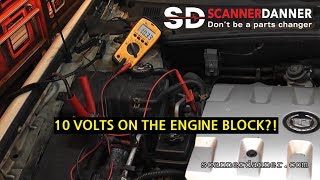
- ScannerDanner on YouTube (Cadillac with a 3.6L V6 and battery in the rear seat area, similar to the STS.) — No crank, multiple low voltage codes, seemingly random electrical issues.
❌ Tried (didn't work) Testing for voltage at the underhood fuse box using the engine block as a ground, which gave a misleading low voltage reading (2V).
✅ What actually fixed it The issue was a bad main engine block ground cable. Because the battery is in the rear, the engine block's ground path to the frame is critical. A voltage drop test comparing the engine block to the chassis (strut tower) revealed a 10V difference, indicating the block itself was not properly grounded. The fix was to repair or replace the main engine-to-chassis ground strap.
OEM Part Supersession History
12638530→12669384— Represents a revised design or manufacturing process for the 3.6L V6 fuel injector.
Helpful Videos
We Have This Part in Stock


The information in this article is provided for general reference and educational purposes only. Vehicle specifications, procedures, and part compatibility can vary by production date, trim level, and region. Always consult your vehicle's factory service manual and verify part numbers before purchasing or performing repairs. Safety-critical components such as airbags, seat belts, and braking systems should be installed by a qualified professional.
- Cadillac STS:
- 🧭 Diagnostic Flowchart
- 🎬 Helpful Videos
- 🛍️ Shop This Part
- What's Unique About the 2009-2011 Cadillac STS
- Symptoms You May Notice
- Most Likely Causes
- Diagnosis Steps
- Parts You'll Likely Need
- Related Codes That Often Appear With This One
- Technical Service Bulletins (TSBs) & Recalls
- Platform-Specific Known Issues
- Mechanic-Grade Diagnostic Values
- Scan Tool Commands That Help
- Wiring & Ground Locations
- Real Owner Repair Stories
- OEM Part Supersession History
- 🎟️ Get 5% Off