

P2155 on 2009-2011 Cadillac STS: Fuel Injector Group 'D' Circuit Fault Causes and Fixes
On a 2009-2011 Cadillac STS with the 3.6L V6 engine, code P2155 is almost always caused by a damaged fuel injector wiring harness. A GM Technical Service Bulletin (TSB) points to specific areas where the harness chafes. The fix is to inspect and repair the wiring, which is often a low-cost DIY job.
- P2155 on a 2009-2011 STS almost always points to a wiring problem, not a failed part.
- A GM Technical Service Bulletin (PIP4924D) is the most important document for this repair, pointing to specific harness chafe points.
- The repair is often low-cost if you can find and fix the damaged wire yourself.
- Ignoring the issue can lead to expensive catalytic converter damage.
What's Unique About the 2009-2011 Cadillac STS
For this specific Cadillac STS with the 3.6L V6 engine, the cause of P2155 is well-documented. General Motors issued a Technical Service Bulletin (TSB #PIP4924D) that identifies a common problem with the fuel injector wiring harness rubbing through its insulation. This chafing against engine components like the intake plenum, valve cover bolts, and fuel lines is the primary cause, making it a known pattern failure for this platform and its many platform-mates rather than a random component fault.
Diagnostic Flowchart
Tap your situation to follow the diagnostic path that matches what you're seeing on this vehicle.
Symptoms You May Notice
- Check Engine Light is on
- Engine runs rough or idles poorly
- Noticeable loss of power and acceleration
- Engine misfires, which may be felt as shaking or stumbling
- Reduced fuel economy
- Engine may stall, especially under load
- Replacing fuel injectors without checking the wiring harness. The TSB makes it clear the harness is the most likely culprit, and replacing injectors will not fix a wiring issue.
Most Likely Causes
- Chafed or Damaged Fuel Injector Wiring Harness 🔴 High Probability → Shop Engine Wiring Harness A GM Technical Service Bulletin (PIP4924D) and its predecessors specifically call out this issue across dozens of GM models sharing the 3.6L engine. The harness routing causes it to rub against multiple points, eventually wearing through the wire insulation. Common chafe points include: against the intake plenum, on valve cover bolts, against a fuel line, and on the side of the cylinder head under the plenum.
How to confirm: Visually inspect the entire fuel injector wiring harness, paying close attention to the common chafe points mentioned in the TSB. Look for exposed copper wire, breaks, or melted sections. Wiggling the harness while the engine is running may cause the misfire to appear or disappear, confirming a wiring fault.
Typical fix: Repair the damaged section of the wire using solder and heat-shrink tubing or a quality butt connector. Protect the repaired area with new wire loom or electrical tape and re-route it to prevent future contact. In severe cases, the entire injector harness (driver side) 🎬 Watch: Diagnosing a bank 2 misfire on a Cadillac STS may need to be replaced.
Est. part cost: $5-$25 for repair materials, $150-$300 for a new harness
Rare But Worth Checking
- Faulty Powertrain Control Module (PCM): → Shop Engine Control Module (ECM) This is a rare cause. The PCM's internal driver for the injector group can fail, but you should exhaust all wiring and component checks before considering PCM replacement. A technician on a forum noted that for P2155, a wiring issue is the cause '9/10 times'.
- Blown Fuse or Faulty Relay: A fuse or relay that supplies power to the injector bank could be faulty, causing the voltage drop that triggers the code. Always check the fuse box before diving into complex wiring diagnostics.
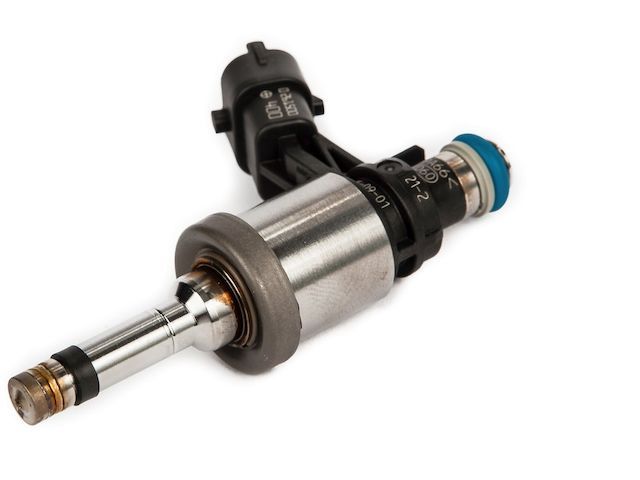
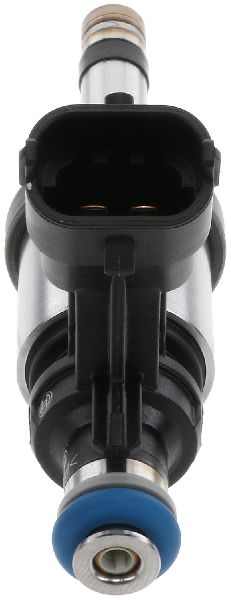
- Failed Fuel Injector: → Shop Fuel Injector While a single failed injector usually sets a cylinder-specific code (like P0201), an injector with an internal short could potentially disrupt the entire group's voltage supply, triggering P2155. You can test the injector's resistance with a multimeter to confirm.
Diagnosis Steps
- Read the trouble codes with an OBD-II scanner and note any other codes present.
- Perform a detailed visual inspection of the fuel injector wiring harness. Per TSB PIP4924D, carefully check for chafing in these specific areas: against the intake plenum, at valve cover bolts, against the fuel line, and on the side of the cylinder head, particularly under the plenum.
- If damage is found, repair the wiring. Clear the codes and test drive to see if the code returns.
- If no visible damage is found, use a multimeter to check for battery voltage at the power supply wire on the connectors for the injectors in Group D. A reading below 11.5V with the key on suggests a problem upstream.
- Check for continuity on the ground/control side of the injector circuit back to the ECM. A forum technician suggests checking resistance from the PCM connector; it should be very low (0.2-0.3 ohms).
- If wiring and power supply check out, you can test the resistance of the fuel injectors themselves to rule out a failed injector.
- If all wiring and components test good, the final step is to consider a fault with the Engine Control Module (ECM), though this is the least likely cause.
Parts You'll Likely Need
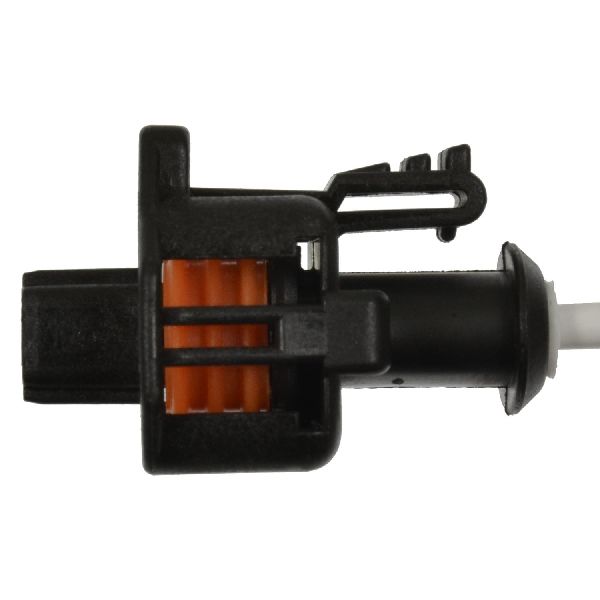
- Fuel Injector Wiring Harness Repair Materials — This is for repairing the chafed wires as identified in the TSB, which is the most common fix.
Trusted brands: 3M, Dorman
OEM price range: $10-$25
Aftermarket price range: $5-$20 - Fuel Injector Wiring Harness (Driver Side)
(OEM #12621095 (replaces 12614941))— If the harness is too damaged to be repaired, it will need to be replaced entirely. This part is listed for several platform mates with the same engine.
Trusted brands: ACDelco (Genuine GM), Standard Motor Products
OEM price range: $250-$350
Aftermarket price range: $150-$250
Related Codes That Often Appear With This One
- P0201-P0206 — These codes indicate a circuit malfunction for a specific injector (cylinders 1-6). They often appear alongside P2155 because the underlying group supply voltage issue affects the individual injector circuits.
- P2146, P2149, P2152 — These are codes for other fuel injector groups (A, B, C). Seeing them with P2155 could point to a more widespread wiring harness issue or a problem at the ECM.
Technical Service Bulletins (TSBs) & Recalls
- PIP4924D (Jan 2014): The final version of the bulletin, covering models up to 2014. It instructs technicians to inspect the fuel injector wiring harness for rub through or internal wire opens as the primary cause for a list of codes including P2155.
- PIP4924A/B/C (2012-2013): Earlier versions of the same bulletin, showing a history of GM being aware of this widespread wiring harness problem across many models and model years.
Platform-Specific Known Issues
- TSB PIP4924D documents a known issue where the fuel injector wiring harness rubs through its insulation at several points in the engine bay, causing shorts or open circuits that trigger codes like P2155. The bulletin specifically instructs technicians to look for chafing against the intake plenum, valve cover bolts, fuel lines, and the side of the cylinder head.
Mechanic-Grade Diagnostic Values
- Fuel Injector Coil Resistance — expected: 1.25 - 1.75 ohms (when engine coolant is between 10-32°C / 50-90°F).. Failure: A reading of infinite resistance (OL) indicates an open coil, while a reading outside the specified range suggests a faulty injector.
- Low-Pressure Fuel System Pressure — expected: 380-410 kPa (55-60 psi) with Key On, Engine Off.. Failure: Pressure significantly below this range indicates a weak in-tank fuel pump or clogged filter; pressure above may indicate a regulator issue.
- Injector Wiring Resistance from ECM Connector — expected: ~0.2 - 0.3 ohms.. Failure: A significantly higher reading indicates high resistance in the wiring harness itself, even if the injector coil resistance is normal.
Scan Tool Commands That Help
- Tech2Win / GDS2: Cylinder Power Balance Test — To isolate the misfiring cylinder by sequentially disabling fuel injectors and observing the change in engine RPM. This helps confirm which cylinder(s) are affected by the Group 'D' fault.
- Tech2Win / GDS2: Injector Control Circuit Test Status (Live Data) — While wiggling the fuel injector harness, monitor this parameter. If the status changes from 'OK' to 'Fault', it confirms an intermittent open or short in the wiring at the location being moved.
Wiring & Ground Locations
- ECM (Engine Control Module) — On the front of the engine, mounted to the right (Bank 1/passenger side) valve cover.. This is the location of the computer that controls the injectors and sets code P2155. Access is required for testing circuits at the ECM connectors.
- G103 — On the top right side of the engine, fastened to the ECM case.. This is a primary ground for the ECM. A loose or corroded connection here can cause erratic ECM behavior and false codes.
- G104 — On the right front frame rail, near the bumper bracket.. This is another critical engine-related ground. Poor grounding can cause a variety of electrical faults.
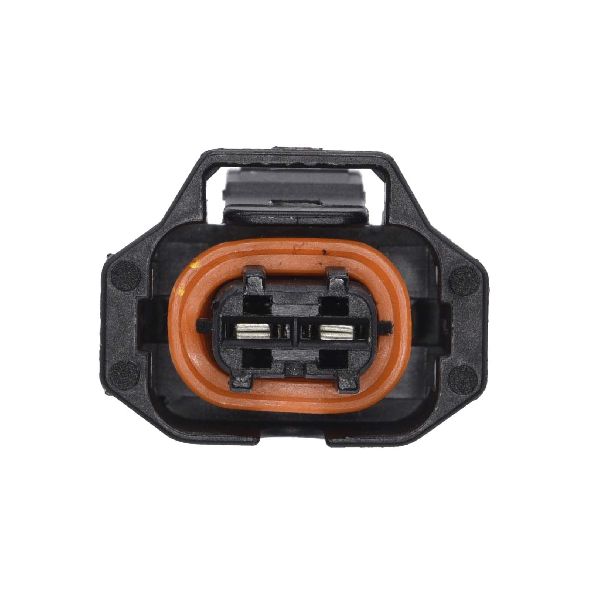
- Injector Harness Connectors (e.g., X160/X161) — At the rear of the intake manifold.. These multi-way connectors are the junction between the main engine harness and the fuel injector sub-harness. Disconnecting them allows a technician to isolate and test the wiring on the engine side versus the ECM side.
OEM Part Supersession History
12614941→12621095— The reason is not officially documented, but part supersessions for wiring harnesses often involve improvements to wire sheathing, connector quality, or routing clips to prevent the exact kind of chafing issues that cause P2155.
Helpful Videos
We Have This Part in Stock


The information in this article is provided for general reference and educational purposes only. Vehicle specifications, procedures, and part compatibility can vary by production date, trim level, and region. Always consult your vehicle's factory service manual and verify part numbers before purchasing or performing repairs. Safety-critical components such as airbags, seat belts, and braking systems should be installed by a qualified professional.
- Cadillac STS:
- 🧭 Diagnostic Flowchart
- 🎬 Helpful Videos
- 🛍️ Shop This Part
- What's Unique About the 2009-2011 Cadillac STS
- Symptoms You May Notice
- Most Likely Causes
- Rare But Worth Checking
- Diagnosis Steps
- Parts You'll Likely Need
- Related Codes That Often Appear With This One
- Technical Service Bulletins (TSBs) & Recalls
- Platform-Specific Known Issues
- Mechanic-Grade Diagnostic Values
- Scan Tool Commands That Help
- Wiring & Ground Locations
- OEM Part Supersession History
- 🎟️ Get 5% Off