

P2155 on 2011-2014 Chevrolet Camaro: Injector Circuit Fault Causes and Fixes
On a 2011-2014 Camaro with the 3.6L V6 engine, code P2155 almost always points to a damaged fuel injector wiring harness. A well-documented manufacturer Technical Service Bulletin (TSB PIP4924D) highlights a known issue where the harness rubs through against engine components. Before replacing any parts, a thorough inspection of the wiring loom near the cylinder heads and intake is the critical first step.
- P2155 on a 2011-2014 Camaro means there's an electrical problem with the cylinder 4 fuel injector circuit.
- The most probable cause, backed by a GM Technical Service Bulletin (PIP4924D), is the engine wiring harness rubbing through against a component like the intake plenum or valve cover.
- Always inspect the wiring harness thoroughly for chafing before replacing the fuel injector.
- This issue is common across many GM vehicles that use the 3.6L V6 engine, not just the Camaro.
What's Unique About the 2011-2014 Chevrolet CAMARO
The fifth-generation Camaro, particularly with the 3.6L V6 (LFX) engine, is highly susceptible to a specific wiring harness vulnerability. General Motors issued Technical Service Bulletin (TSB) #PIP4924D, which directly links P2155 and a host of other injector codes to the fuel injector wiring harness rubbing against engine components. Common chafe points include the intake plenum, valve cover bolts, fuel lines, and the side of the cylinder head. This makes a wiring inspection the absolute first step in diagnosis, as the fault is more often in the harness than the injector itself.
🎬 Watch: How to diagnose the P2155 code and misfire.Diagnostic Flowchart
Tap your situation to follow the diagnostic path that matches what you're seeing on this vehicle.
Symptoms You May Notice
- Check Engine Light is on
- Rough, shaking, or vibrating idle
- Noticeable loss of engine power, especially during acceleration
- Engine misfiring, sometimes felt as a hesitation or stumble
- Poor fuel economy
- In some cases, electrical glitches like the radio cutting out or doors locking/unlocking during a misfire event have been reported by owners.
- Replacing the fuel injector for cylinder 4 without first thoroughly inspecting the wiring harness. Given the known TSB and numerous owner accounts, the problem is far more likely to be the wire than the injector itself.
Most Likely Causes
- Fuel Injector Wiring Harness Chafing/Damage 🔴 High Probability → Shop Engine Wiring Harness As documented in GM TSB #PIP4924D, the fuel injector wiring harness is routed in a way that makes it susceptible to rubbing through its protective loom and insulation. Common chafe points are against the intake plenum, valve cover bolts, fuel lines, and the side of the cylinder head under the plenum.
How to confirm: Visually inspect the entire fuel injector wiring harness, paying extremely close attention to the known chafe points. You may need to remove the engine cover and move the harness to see underneath it. Look for worn-through conduit, exposed copper wires, or obvious breaks. A user on the Camaro5 forum experienced multiple injector circuit codes (P2155, P216A, P216D) due to this issue.
Typical fix: Repair the damaged section of wire. This involves cutting out the bad section, splicing in a new piece of wire (of the same gauge) using solder and heat-shrink tubing for a durable, sealed repair. After repairing, re-wrap the harness with anti-abrasion tape and reroute it or secure it with zip ties to prevent future contact with engine components.
Est. part cost: $5-$30 - Faulty Fuel Injector 🟡 Medium Probability → Shop Fuel Injector
How to confirm: If the wiring is confirmed to be good, test the fuel injector. Unplug the connector and measure the resistance across the two pins on the injector using a multimeter. Compare the reading to the manufacturer's specification (a typical value for similar injectors is around 11-14 ohms, but service manual specs should be verified). An 'open' (infinite resistance) or shorted (zero resistance) reading indicates the injector has failed internally.
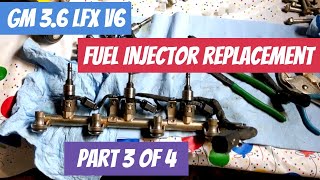
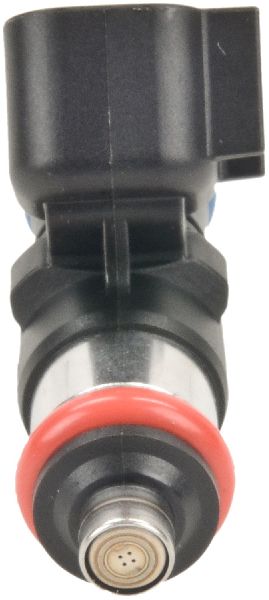
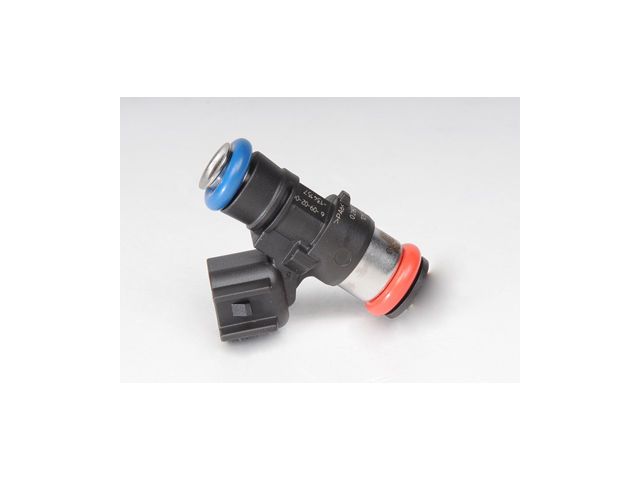
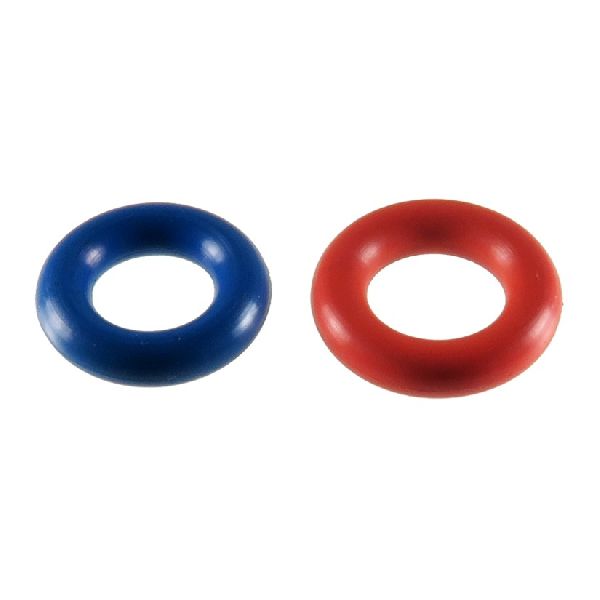
Typical fix: Replace the faulty fuel injector. For the 3.6L LFX engine, the OEM part is often an ACDelco injector. 🎬 Watch: How to install the fuel rail and injectors. It is highly recommended to replace the Teflon seal and O-rings at the same time.
Est. part cost: $60-$150 - Loose or Corroded Connector ⚪ Low Probability
How to confirm: Unplug the electrical connectors at the fuel injector for cylinder 4 and at the ECM. Inspect the pins and terminals for any signs of corrosion (green or white powder), moisture, or pins that have backed out of the connector housing. Ensure the connector clicks securely into place.
Typical fix: Clean the connector with electrical contact cleaner and a small brush. Apply a small amount of dielectric grease to the seal before reconnecting to prevent future moisture intrusion. If pins are badly corroded or damaged, the connector pigtail may need to be replaced.
Est. part cost: $10-$40
Rare But Worth Checking
- Faulty Engine Control Module (ECM): → Shop Engine Control Module (ECM) This is the least likely cause. The ECM's internal injector driver can fail, but this is rare. All other possibilities, especially the wiring harness, must be exhaustively ruled out before condemning the ECM. A faulty ECM is often misdiagnosed when the actual problem is a wiring short that wasn't found.
Diagnosis Steps
- Read all trouble codes with an OBD-II scanner. Note any other codes present alongside P2155.
- Begin with a thorough visual inspection of the fuel injector wiring harness, as recommended by TSB #PIP4924D. Focus on known chafe points: where the harness runs near or touches the intake plenum, valve cover bolts, fuel lines, and the side of the cylinder heads.
- If damage is found, repair the wiring. Use solder and heat shrink for a permanent fix. Secure the repaired harness away from the point of contact. Clear codes and test drive.
- If no wiring damage is visible, unplug the connector at the cylinder 4 fuel injector. Inspect the connector and injector pins for corrosion or damage.
- Use a multimeter to test the resistance of the fuel injector. If it is out of specification or shows an open circuit, the injector is faulty and needs replacement.
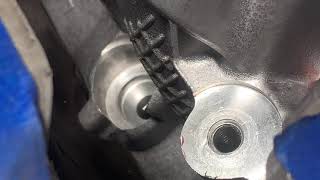
- If the injector tests good, use a noid light or a multimeter to check for a signal 🎬 See this guide on diagnosing fuel injector circuit malfunctions. at the injector connector while the engine is cranked. A flashing noid light indicates the ECM is attempting to fire the injector, suggesting the wiring is likely intact.
- If the signal is absent, you must perform continuity tests on the power and control wires between the ECM connector and the fuel injector connector to find the break or short in the circuit.
- If all wiring and the injector are confirmed to be good, the issue may be with the ECM, but this is extremely rare and requires professional diagnosis to confirm.
Parts You'll Likely Need
- Fuel Injector Wiring Repair Supplies — Due to the known issue of harness chafing (TSB PIP4924D), repairing a broken wire is the most common and often the only necessary fix.
Trusted brands: N/A (wire, solder, heat shrink, anti-abrasion tape)
OEM price range: $5-$30
Aftermarket price range: $5-$30 - Fuel Injector
(OEM #12634126 (ACDelco))— If the wiring is intact, the injector itself may have failed internally. This is the second most likely part to be replaced.
Trusted brands: ACDelco, Bosch, Hitachi
OEM price range: $90-$150
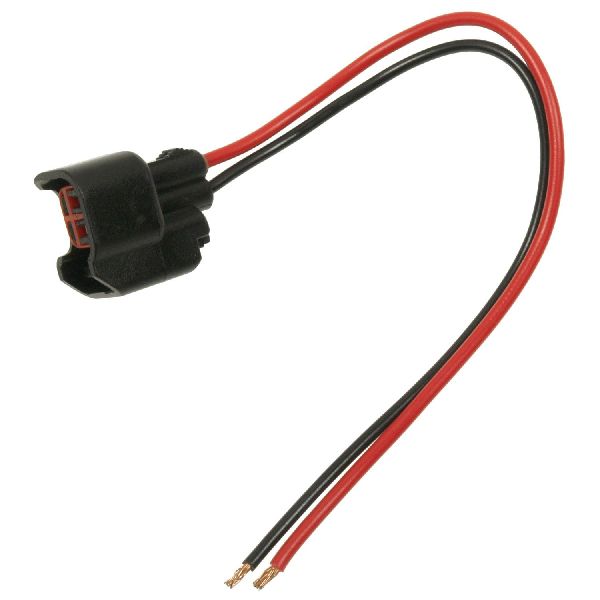
Aftermarket price range: $50-$100 - Fuel Injector Connector Pigtail — If the connector at the injector is damaged by heat, corrosion, or has a loose pin, replacing the pigtail is necessary.
Trusted brands: ACDelco, Dorman
OEM price range: $25-$50
Aftermarket price range: $15-$30
Related Codes That Often Appear With This One
- P0204 — This code means 'Cylinder 4 Injector Circuit/Open' and is often set along with P2155 as they both point to a fault in the electrical circuit for the same injector.
- P0304 — This code means 'Cylinder 4 Misfire Detected'. It is a direct symptom of the fuel injector for cylinder 4 not firing due to the P2155 fault.
- P2146, P2149, P2152 — These are codes for other injector group supply voltage circuits (Cylinders 1, 2, and 3 respectively). If the wiring harness damage is severe and affects multiple wires, you may see codes for other injector groups as well, as reported by owners.
Technical Service Bulletins (TSBs) & Recalls
- PIP4924D: Addresses intermittent misfires, rough idle, and various fuel injector circuit codes (P0201-P0206, P2146, P2149, P2152, P2155, etc.) caused by the fuel injector wiring harness rubbing through or having internal wire opens. It instructs technicians to carefully inspect the harness at common chafe points.
Platform-Specific Known Issues
- A known issue documented in Technical Service Bulletin #PIP4924D involves the fuel injector wiring harness rubbing through near the engine, causing intermittent open or short circuits. This sets codes like P2155. Specific chafe points to check are against the intake plenum, valve cover bolts, and fuel lines.
Mechanic-Grade Diagnostic Values
- Fuel Injector Coil Resistance — expected: 1.5 Ohms (cold). Failure: A reading of infinite resistance (open) or near-zero resistance (short).
- Cylinder 4 Injector Control Circuit (LFX V6) — expected: The control wire is a twisted pair. The high-side driver wire is Brown/White, and the low-side driver is solid Brown. These wires can be found at the ECM X1 connector.. Failure: No continuity, or a short to ground/power on either wire.
Scan Tool Commands That Help
- GDS2 (GM Global Diagnostic System): Fuel Injector Balance Test — This bidirectional command allows the technician to disable injectors one by one while the engine is running to see the effect on fuel rail pressure or engine RPM. It helps confirm if the ECM can control the injector and can help isolate a weak or non-functioning injector without disassembly.
- GDS2 (GM Global Diagnostic System): Injector Test (AFIT) — Using a specific adapter (Kent-Moore Active Fuel Injector Tester), the GDS2 can perform a more advanced flow test by taking control of the injectors. This is a dealer-level diagnostic step to precisely measure injector performance.
Wiring & Ground Locations
- ECM Connector X1 (LFX) — The Engine Control Module (ECM) on the LFX V6 has three main connectors (X1, X2, X3). X1 is typically the blue connector. All six fuel injector circuits run through the X1 connector.. To test the injector circuit for continuity or shorts back to the computer, you must access the correct pins on the X1 connector. This isolates the wiring harness from the ECM itself.
- G107 — Located on the left rear of the engine block on the 3.6L V6.. This is a primary engine ground point. A loose or corroded ground here can cause a host of intermittent electrical issues, including problems with sensor readings and injector driver circuits that rely on a stable ground reference.
- G108 / G109 — Both are located on the left side of the engine for the 3.6L V6. Forum users confirm grounds on the back of both cylinder heads and on the side of the block.. The ECM and injector circuits are sensitive to poor grounding. Verifying that all engine-to-chassis grounds are clean and tight is a crucial step in diagnosing any persistent, difficult-to-trace electrical code like P2155.
Real Owner Repair Stories
- Camaro5.com user 'kjkjr27' (2011-2014 Chevrolet Camaro (specific year not stated)) — Car felt sluggish, then misfired at high RPMs during a shift. The radio cut out, and doors unlocked and locked on their own during the misfire event. Multiple codes were stored: P2155 (Cyl 4), P216A (Cyl 5), and P216D (Cyl 6).
❌ Tried (didn't work) The user was in the process of diagnosing and did not list parts that were replaced without success. They were considering faulty injectors, wiring, or the PCM.
✅ What actually fixed it The user did not post the final resolution, but the combination of multiple, adjacent injector circuit codes appearing under load strongly points to the known wiring harness chafing issue documented in TSB PIP4924D, where multiple wires short together.
OEM Part Supersession History
12642128→12634126— Unknown, likely an internal revision for reliability or manufacturing improvement.
Heads up: 12634126 is the direct replacement for 12642128; they are interchangeable.
Model Year Variations Within This Range
- 2011: The 2011 V6 Camaro used the 3.6L LLT engine. This engine has a Bosch ECM, an aluminum intake manifold, and separate exhaust manifolds. While the TSB for wiring chafe includes 2011 models, the ECM pinouts and specific harness routing around the manifolds differ from the 2012+ LFX engine.
- 2012-2014: These models use the updated 3.6L LFX V6 engine. This version features a Delphi ECM, a composite (plastic) intake manifold, and cylinder heads with integrated exhaust manifolds. The diagnostic procedures and ECM connector pinouts are specific to this Delphi system.
Helpful Videos

We Have This Part in Stock


The information in this article is provided for general reference and educational purposes only. Vehicle specifications, procedures, and part compatibility can vary by production date, trim level, and region. Always consult your vehicle's factory service manual and verify part numbers before purchasing or performing repairs. Safety-critical components such as airbags, seat belts, and braking systems should be installed by a qualified professional.
- Chevrolet CAMARO:
- 🧭 Diagnostic Flowchart
- 🎬 Helpful Videos
- 🛍️ Shop This Part
- What's Unique About the 2011-2014 Chevrolet CAMARO
- Symptoms You May Notice
- Most Likely Causes
- Rare But Worth Checking
- Diagnosis Steps
- Parts You'll Likely Need
- Related Codes That Often Appear With This One
- Technical Service Bulletins (TSBs) & Recalls
- Platform-Specific Known Issues
- Mechanic-Grade Diagnostic Values
- Scan Tool Commands That Help
- Wiring & Ground Locations
- Real Owner Repair Stories
- OEM Part Supersession History
- Model Year Variations Within This Range
- 🎟️ Get 5% Off