

P2155 on 2009-2010 Saturn VUE: Fuel Injector Circuit Causes and Fixes
On a 2009-2010 Saturn VUE with a V6 engine, code P2155 almost always points to a damaged fuel injector wiring harness, specifically for cylinder 4. A simple wire repair often fixes it, saving you from buying unnecessary parts. This is a widespread, known issue documented in GM Technical Service Bulletin #PIP4924D that affects many GM vehicles from this era.
- P2155 on a 2009-2010 Saturn VUE is almost certainly a wiring problem.
- Before buying any parts, thoroughly inspect the fuel injector wiring harness for damage, especially where it might rub against other engine parts.
- Reference GM Technical Service Bulletin #PIP4924D for specific locations to check for wire chafing.
- A simple wire repair is the most likely fix.
- Do not delay repairs, as continued driving with a misfire can damage your catalytic converter.
What's Unique About the 2009-2010 Saturn VUE
The 2009-2010 Saturn VUE, along with its many GM platform-mates from this era, is highly susceptible to this specific code due to a known design flaw. A Technical Service Bulletin (TSB) issued by GM, #PIP4924D, explicitly calls out that the fuel injector wiring harness is prone to rubbing against sharp engine components. Engine vibration and torque cause the harness to chafe against intake manifold brackets, valve cover bolts, and the cylinder head itself, eventually breaking the wire for the cylinder 4 injector. This makes a wiring fault the number one suspect, far more likely than a failed injector or ECM.
Diagnostic Flowchart
Tap your situation to follow the diagnostic path that matches what you're seeing on this vehicle.
Symptoms You May Notice
- Check Engine Light is on 🎬 Watch: A quick guide to understanding the P2155 code.
- Rough idle or engine vibration (often feels like a distinct, rhythmic shake)
- Engine misfires, specifically on cylinder 4 (may be accompanied by a flashing Check Engine Light)
- Noticeable loss of power and poor acceleration
- Reduced fuel economy
- Engine may hesitate or stumble
- Replacing the cylinder 4 fuel injector without first thoroughly inspecting the wiring harness. The TSB makes it clear that the wiring is the most probable cause, and replacing parts without confirming the fault will not solve the issue.
Most Likely Causes
- Chafed or Damaged Fuel Injector Wiring Harness 🔴 High Probability → Shop Engine Wiring Harness As documented in TSB #PIP4924D, the harness routing under the intake plenum makes it susceptible to rubbing against the intake itself, valve cover bolts, fuel lines, and the side of the cylinder head. Over time, engine movement wears through the protective conduit and wire insulation, causing a short or an open circuit.
How to confirm: Visually inspect the entire fuel injector wiring harness, especially the section that runs to the rear bank of cylinders (Bank 2, which includes cylinder 4). You may need to remove the upper intake manifold for a clear view. Look for bare wires, broken insulation, or areas where the harness is making sharp contact with a metal bracket or bolt. Use a multimeter to check for continuity on the supply voltage wire for the cylinder 4 injector between the ECM and the injector connector.
Typical fix: Repair the single broken or shorted wire using a solder sleeve or a butt connector with heat shrink tubing. Ensure the repaired section is protected with anti-abrasion tape or a new piece of conduit. 🎬 See how to repair a mangled fuel injection harness. Secure the harness away from the original contact point using zip ties to prevent recurrence.
Est. part cost: $5-$50 for repair materials, $150-$450 for a replacement harness section. - Faulty Fuel Injector ⚪ Low Probability → Shop Fuel Injector
How to confirm: If the wiring is confirmed to be good, test the resistance of the fuel injector for cylinder 4 using a multimeter. Compare the reading to the manufacturer's specifications (typically 12.0-12.5 ohms for this type). An injector with a reading that is infinite (open) or zero (shorted) is faulty.
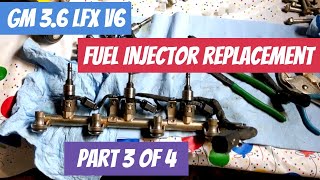
Typical fix: Replace the failed fuel injector. 🎬 Watch: Step-by-step fuel injector replacement walkthrough. It is often recommended to replace all injectors on that bank at the same time.
Est. part cost: $80-$180 for a single OEM-quality injector. - Blown Fuse or Faulty Relay ⚪ Low Probability
How to confirm: Locate and inspect the fuse(s) that supply power to the fuel injector circuits (often labeled 'ECM' or 'INJ'). Check for any blown fuses. A blown fuse is a strong indicator of a short circuit in the wiring harness that must be found and repaired.
Typical fix: Replace the blown fuse after diagnosing and fixing the underlying short circuit.
Est. part cost: $1-$5
Rare But Worth Checking
- Faulty Engine Control Module (ECM): → Shop Engine Control Module (ECM) This is very rarely the cause. The ECM should only be considered after all wiring and component tests have been completed and have come back normal. An ECM failure is unlikely unless there was a major electrical short that damaged the internal injector driver circuit.
Diagnosis Steps
- Read all fault codes stored in the ECM using an OBD-II scanner. Note if P0304 is present with P2155.
- Research TSB #PIP4924D to understand the common failure points.
- Carefully perform a visual inspection of the fuel injector wiring harness. This may require removing the plastic engine cover and upper intake manifold. Pay extremely close attention to areas where the harness runs near the intake plenum, valve cover bolts, fuel lines, and the side of the cylinder head.
- If damage is found, repair the wire(s) and protect the harness from future contact. Clear the codes and test drive to see if the code returns.
- If no visible damage is found, use a multimeter to test the supply voltage circuit at the connector for the cylinder 4 injector. With the ignition on, you should see battery voltage.
- Check for continuity on the supply wire between the ECM and the injector harness connector. Also check for a short to ground on the same wire.
- If wiring and voltage are good, test the internal resistance of the cylinder 4 fuel injector to identify if it is out of specification (should be around 12 ohms).
- If all wiring and the injector test good, the fault may lie within the ECM, but this should be the absolute last component to be considered for replacement.
Parts You'll Likely Need
- Fuel Injector Wiring Harness Repair Supplies — The most common cause is a single chafed wire that can be repaired with a butt connector or solder sleeve, heat shrink, and protective tape without replacing the entire harness.
Trusted brands: 3M, Dorman
OEM price range: $10-$25
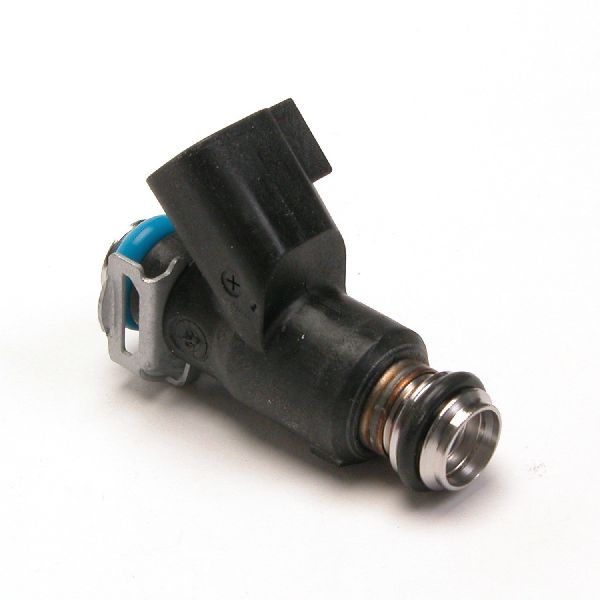
Aftermarket price range: $5-$20 - Fuel Injector
(OEM #ACDelco: 217-3021, 12638530; GM: 12609418; Bosch: 0280156300)— If the wiring is intact, the injector itself may have failed internally (open or shorted coil), causing the circuit fault.
Trusted brands: ACDelco, Bosch, Standard Motor Products
OEM price range: $100-$180
Aftermarket price range: $50-$120
Related Codes That Often Appear With This One
- P0304 — This code means 'Cylinder 4 Misfire Detected'. It is a direct and almost guaranteed companion to P2155, as the injector circuit fault causes the ECM to shut down the injector for cylinder 4, leading to a misfire.
- P0204 — This is the specific code for a 'Cylinder 4 Injector Circuit Malfunction'. It often appears alongside P2155 because the group supply voltage fault directly affects the individual injector.
- P0300 — This code indicates a random or multiple cylinder misfire. It can be triggered if the severe vibration from the cylinder 4 misfire is misinterpreted by the crankshaft position sensor.
- P2146, P2149, P2152 — These are codes for the other fuel injector groups (A, B, C). If multiple group codes are present, it points towards a more widespread wiring harness problem with multiple broken wires, or a potential ECM issue.
Technical Service Bulletins (TSBs) & Recalls
- PIP4924D: The definitive document for this issue. It addresses an SES light and misfires with a list of injector codes including P2155. It instructs technicians to inspect the fuel injector wiring harness for rub-through or internal wire opens at specific points: against the intake plenum, at valve cover bolts, against the fuel line, and on the side of the cylinder head under the plenum.
Platform-Specific Known Issues
- A widespread issue, documented by GM in Technical Service Bulletin #PIP4924D, involves the fuel injector wiring harness rubbing through its insulation at various contact points in the engine bay, leading to shorts or open circuits and triggering codes like P2155.
- Real-World Repair Story: On the International Automotive Technicians Network (iATN), a case study of a 2011 Chevrolet Traverse (a platform-mate) that was blowing fuses and setting multiple injector group codes, including P2155, was resolved by addressing the known wiring harness chafing issue common to these GM V6 engines. This confirms the TSB is the correct path for diagnosis.
Mechanic-Grade Diagnostic Values
- Fuel Injector Coil Resistance (3.5L V6 Port Injection) — expected: 11.0 - 14.0 Ohms. Failure: A reading of 0 Ohms (short), infinite/OL (open), or a value significantly outside the expected range indicates a failed injector.
- Fuel Injector Coil Resistance (3.6L V6 Direct Injection) — expected: 1.5 - 2.3 Ohms. Failure: A reading of 0 Ohms (short) or infinite/OL (open) indicates a failed injector. Readings should be consistent across all injectors.
- Injector Circuit Voltage (Key On, Engine Off) — expected: Approx. 12V (Battery Voltage) on the Pink power feed wire at the injector connector.. Failure: Voltage significantly below battery voltage or no voltage points to an open or short in the power feed circuit from the fuse block.
- Injector Control Circuit (Engine Cranking/Running) — expected: A test light or 'noid' light connected to the injector connector should flash, indicating the ECM is sending a pulse signal.. Failure: A light that is always on indicates a short to ground in the control circuit; a light that never illuminates indicates an open in the control wire back to the ECM or a faulty ECM driver.
Scan Tool Commands That Help
- GM Tech 2 / GDS2: Fuel Injector Balance Test — This automated test is used after confirming the electrical circuit is intact. The tool disables each injector sequentially and measures the drop in fuel rail pressure. An inconsistent pressure drop for cylinder 4 compared to others would indicate a mechanically faulty (clogged or weak) injector.
- GM Tech 2 / GDS2: Active Fuel Injector Test (AFIT) — This is a comprehensive function that can perform electrical self-tests on the injector circuits and also initiate flow tests. It is useful for isolating an intermittent electrical fault or a performance issue without first removing the intake manifold.
Wiring & Ground Locations
- Cylinder 4 Injector Control Wire — From the Engine Control Module (ECM) X1 connector, pin 32, to the fuel injector connector. The wire color is typically Light Blue/Black (LT BLU/BLK).. This is the specific wire that the ECM uses to ground-pulse the cylinder 4 injector. An open or short on this wire is the most common cause of P2155, often due to chafing as described in TSB PIP4924D.
- Injector Power Feed Wire — A Pink (PNK) wire that provides 12V+ to all injectors on a bank.. While less likely to be the specific cause for a single cylinder code, damage to this shared power wire can cause issues. Verifying 12V+ at the injector is a primary diagnostic step.
- Engine Control Module (ECM) — Located in the left (driver's side) front of the engine compartment.. This is the source of the injector control signal. All wiring tests will originate or terminate at the ECM connectors (specifically connector X1 for the injector circuits).
- G101 / G106 Ground — Located at the left front of the engine compartment, on the engine block or near the strut tower.. These are primary engine and ECM ground points. A loose, corroded, or broken ground connection can cause a host of phantom electrical problems, including erratic sensor readings and injector circuit faults.
Real Owner Repair Stories
- Reddit user in r/Saturn_Cars (2008 Saturn Vue 3.6L V6) — Misfires on the entire rear bank (cylinders 1, 3, 5) with an open circuit code shown on a scan tool after replacing valve cover gaskets.
❌ Tried (didn't work) Initial testing showed no ground at the ignition coil connectors for the affected bank.
✅ What actually fixed it The user traced the ground wire for the rear bank's ignition coils. The wire, which routes near the throttle body and power steering pump reservoir, was found to be brittle and had broken. Repairing the broken ground wire resolved the open circuit and misfire issue.
OEM Part Supersession History
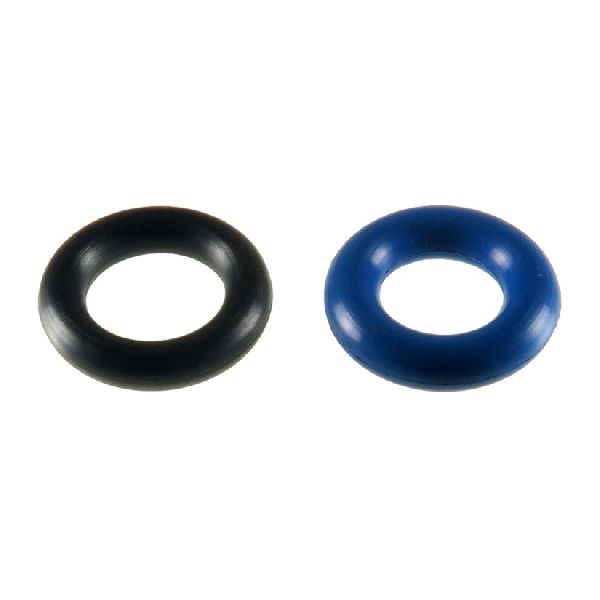
12608632→12638530 (which is part of kit 217-3021)— Standard part lifecycle update by GM/ACDelco. The kit version includes new O-rings and clips required for installation.
Helpful Videos
![What is P2155 Engine Code [Quick Guide]](https://img.youtube.com/vi/iqi_-uQha-0/mqdefault.jpg)
We Have This Part in Stock



The information in this article is provided for general reference and educational purposes only. Vehicle specifications, procedures, and part compatibility can vary by production date, trim level, and region. Always consult your vehicle's factory service manual and verify part numbers before purchasing or performing repairs. Safety-critical components such as airbags, seat belts, and braking systems should be installed by a qualified professional.
- Saturn VUE:
- 🧭 Diagnostic Flowchart
- 🎬 Helpful Videos
- 🛍️ Shop This Part
- What's Unique About the 2009-2010 Saturn VUE
- Symptoms You May Notice
- Most Likely Causes
- Rare But Worth Checking
- Diagnosis Steps
- Parts You'll Likely Need
- Related Codes That Often Appear With This One
- Technical Service Bulletins (TSBs) & Recalls
- Platform-Specific Known Issues
- Mechanic-Grade Diagnostic Values
- Scan Tool Commands That Help
- Wiring & Ground Locations
- Real Owner Repair Stories
- OEM Part Supersession History
- 🎟️ Get 5% Off