

P2172 on 2019-2021 Ram 1500: High Airflow / Vacuum Leak Causes and Fixes
Code P2172 on a 2019-2021 Ram 1500 almost always means there is a large, unmetered vacuum leak. The most common culprits are a cracked plastic intake manifold, a bad PCV valve, or a leaking brake booster hose. Finding and fixing the source of the leak is the top priority, as the truck will likely be in a reduced-power 'limp mode'.
- P2172 means your truck has a large, sudden vacuum leak.
- Do not ignore this code; it can cause stalling and unpredictable power loss, making the vehicle unsafe to drive.
- The most common cause is a vacuum leak from a cracked hose, bad gasket, or faulty PCV valve.
- The best way to find the leak is with a smoke machine.
- Do not replace expensive parts like the throttle body until you have ruled out a simple vacuum leak.
What's Unique About the 2019-2021 Ram 1500

On the 5th generation Ram 1500 (DT), this code is a specific safety strategy, particularly for models with a plastic intake manifold. The system is designed to limit engine speed if a large crack or leak occurs in the manifold to prevent uncontrolled acceleration or engine damage. While the root cause is almost always a vacuum leak, manufacturer service bulletins also link this code to potential MAP sensor circuit issues and software glitches that can disable the ESC and ABS systems, illuminating multiple warning lights at once. [S1808000282, S2105000002]
Diagnostic Flowchart

Tap your situation to follow the diagnostic path that matches what you're seeing on this vehicle.
Symptoms You May Notice

- Check Engine Light is on
- Flashing red lightning bolt on the dashboard (Electronic Throttle Control warning)
- Vehicle enters 'limp mode' with significantly reduced or no engine power
- Rough, erratic, or very high idle
- Stalling or difficulty starting, may not restart after stalling
- Poor or non-existent acceleration and throttle response
- Audible hissing or whistling sound from the engine bay
- ABS and ESC warning lights may also illuminate simultaneously [S2105000002, 7, 8]
- Replacing the throttle body without first performing a smoke test for vacuum leaks. A vacuum leak is the most common cause by a wide margin, and a new throttle body will not fix it. Many owners have replaced the throttle body only to have the problem persist.
Most Likely Causes

- Cracked Intake Manifold or Failed Gasket 🔴 High Probability → Shop Engine Intake Manifold The service manual specifically notes this code is enabled on engines with plastic intake manifolds to detect large cracks. These manifolds can develop hairline cracks, especially on the underside or at seams, which are hard to see but cause a massive vacuum leak. Backfires can also cause the manifold to split.
How to confirm: Perform a visual inspection of the intake manifold and all connected hoses. The most effective method is to use a smoke machine connected to the intake system; smoke will billow from the location of the leak. Some owners have found large leaks from the rear of the manifold this way.
Typical fix: Replace the cracked intake manifold and gaskets. This is not a repairable part.
Est. part cost: $250-$600 - Faulty PCV Valve or Hose 🟡 Medium Probability → Shop PCV Valve The PCV (Positive Crankcase Ventilation) valve can get stuck open, creating a constant, unmetered vacuum leak directly into the intake manifold. The hoses connected to it can also become brittle and crack.
How to confirm: Inspect the PCV valve and its connecting hoses for cracks or blockages. The valve is located on the intake manifold, under the engine cover. It should be twisted counter-clockwise to remove. Shake the valve; if it doesn't rattle, it's likely stuck. Ensure it only allows air to flow in one direction.
Typical fix: Replace the PCV valve and any damaged hoses. This is a common and inexpensive DIY repair.
Est. part cost: $25-$60 - Leaking Power Brake Booster or Vacuum Line ⚪ Low Probability → Shop Power Brake Booster The diaphragm inside the brake booster can fail, or the vacuum line running to it can crack, causing a significant vacuum leak. This is less common but a known cause.
How to confirm: With the engine off, pump the brake pedal several times to deplete any stored vacuum. Then, hold the pedal down and start the engine. If the pedal sinks further, the booster is likely working. If it's hard and doesn't move, a leak is possible. A hissing sound may be heard near the pedal or from the booster's vacuum line.
Typical fix: Replace the power brake booster or the damaged vacuum line.
Est. part cost: $150-$300 - Faulty Manifold Absolute Pressure (MAP) Sensor ⚪ Low Probability → Shop Manifold Absolute Pressure Sensor A TSB specifically mentions that P2172 can be set along with MAP sensor circuit codes (P0107, P0108), indicating a potential electrical fault or sensor failure. [S1808000282] The PCM may misinterpret a bad sensor signal as a massive leak. Forum users on TRX models (which have multiple MAP sensors) have also chased this issue down to a faulty sensor.
How to confirm: Check for other MAP sensor-related DTCs. Use a scan tool to monitor the MAP sensor voltage to ensure it's within the expected range and responds to changes in engine vacuum. A faulty sensor may give a fixed reading.
Typical fix: Replace the MAP sensor. Check wiring for damage before replacing.
Est. part cost: $40-$100
Rare But Worth Checking
- Dirty or Faulty Throttle Body: → Shop Fuel Injection Throttle Body Heavy carbon buildup can cause the throttle plate to not close properly, or the internal electronics can fail, leading the PCM to believe there's a leak. This should be checked after confirming no vacuum leaks are present. Cleaning the throttle body is a common first step for many DIYers, though it often doesn't solve this specific code.
- Temporary Glitch in Cold Weather: Some owners, particularly of related Jeep models, have reported the P2172 code appearing once during a cold start and then disappearing on its own, suggesting extreme cold can sometimes cause a temporary sensor anomaly or a minor leak that seals as the engine warms up.
Diagnosis Steps
- Check for other DTCs. Codes for the MAP sensor (P0107/P0108), fuel system (P0172/P0175), or throttle system should be noted as they can guide diagnosis. [S1808000282, S2118000013]
- Perform a thorough visual inspection of the engine bay. Look for any disconnected, cracked, or brittle vacuum hoses, especially around the intake manifold, PCV system, and brake booster line.
- Listen for an audible hissing or whistling sound with the engine running, which can help pinpoint the leak's location.
- Perform a Smoke Test. This is the most critical step. Introduce smoke into the intake system (e.g., through the brake booster line or throttle body) and watch for where it escapes. Pay close attention to the intake manifold seams, gaskets, and the area at the rear of the engine. This is the most reliable way to find hidden leaks.
- Inspect the PCV valve. Remove it from the intake manifold and shake it. If it does not rattle, it is stuck and must be replaced.
- Inspect the throttle body for heavy carbon buildup that could prevent the plate from closing fully. While less likely to be the sole cause, it's good practice to clean it if it's dirty.
- If no vacuum leaks are found, test the MAP sensor's signal and wiring according to the service manual procedures. Check live data on a scan tool to see if the sensor's readings are logical.
Parts You'll Likely Need
- Intake Manifold
(OEM #68411132AD (5.7L Hemi, check for superseding parts))— The plastic intake manifold itself can crack, creating a large leak that is impossible to fix without replacing the part.
Trusted brands: Mopar, Dorman
OEM price range: $400-$600
Aftermarket price range: $250-$450 - PCV Valve
(OEM #53032940AB (Fits many 5.7L Hemi applications))— A PCV valve that is stuck open will create a significant unmetered air leak into the intake manifold. It's an inexpensive and common replacement part.
Trusted brands: Mopar, Standard Motor Products (SMP)
OEM price range: $25-$62
Aftermarket price range: $15-$30 - Intake Manifold Gasket Set — A failed intake manifold gasket is a very common source of a large vacuum leak that triggers this code. Gaskets should always be replaced when the intake manifold is removed.
Trusted brands: Mopar, Fel-Pro, Mahle
OEM price range: $50-$90
Aftermarket price range: $20-$50 - Manifold Absolute Pressure (MAP) Sensor — A faulty MAP sensor can send incorrect data to the PCM, causing it to set P2172, as noted in TSB S1808000282.
Trusted brands: Mopar, Bosch, Denso
OEM price range: $70-$120
Aftermarket price range: $40-$100
Related Codes That Often Appear With This One
- P2173 — This code is for 'High Airflow/Vacuum Leak Detected (Slow Accumulation)'. It often appears with P2172 as it represents a smaller, more gradual leak compared to the 'instantaneous' leak of P2172. [S2118000013]
- P0172 / P0175 — These codes indicate a 'Fuel System Rich' condition. The PCM may overcompensate for the large vacuum leak by adding excessive fuel, leading to a rich condition. [S2118000013] A Reddit user with a 2012 Ram 5.7L reported these codes together with P2172.
- P0107 / P0108 — These codes are for 'MAP Sensor Circuit Low/High'. A TSB links them directly with P2172, suggesting a potential electrical or sensor fault as the root cause instead of a physical leak. [S1808000282]
- P0507 — This code means 'Idle Air Control System RPM Higher Than Expected'. A large vacuum leak allows extra air in, causing the engine idle speed to be higher than the PCM commands. [S2105000002, 8]
Technical Service Bulletins (TSBs) & Recalls
- S2118000013
- S1808000282
- S2105000002
Platform-Specific Known Issues
- TSB S2118000013 notes that P2172 can be accompanied by fuel ratio imbalance and rich condition codes (P219A, P219B, P0172, P0175).
- TSB S1808000282 links P2172 with MAP sensor circuit faults (P0107, P0108), indicating a potential electrical issue or a faulty sensor as the root cause.
- TSB S2105000002 shows that this code can appear with ABS and ESC warning lights due to related system faults, along with codes P0507 (Idle RPM high) and P04FC (Crankcase Ventilation System Disconnected).
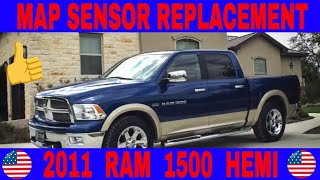
Helpful Videos
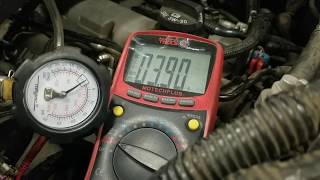
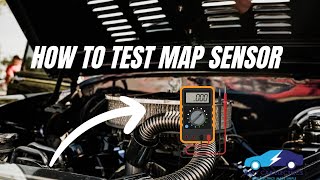


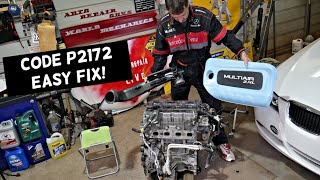
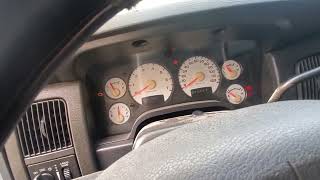

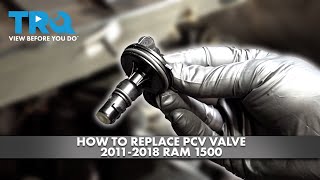
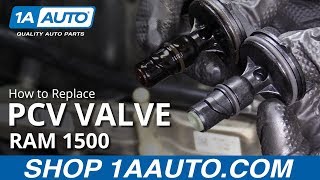
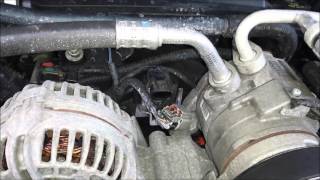
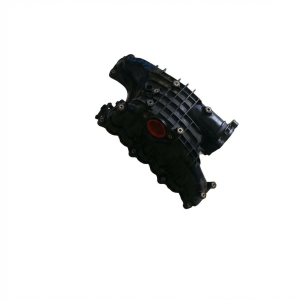
Used OEM Parts in Stock
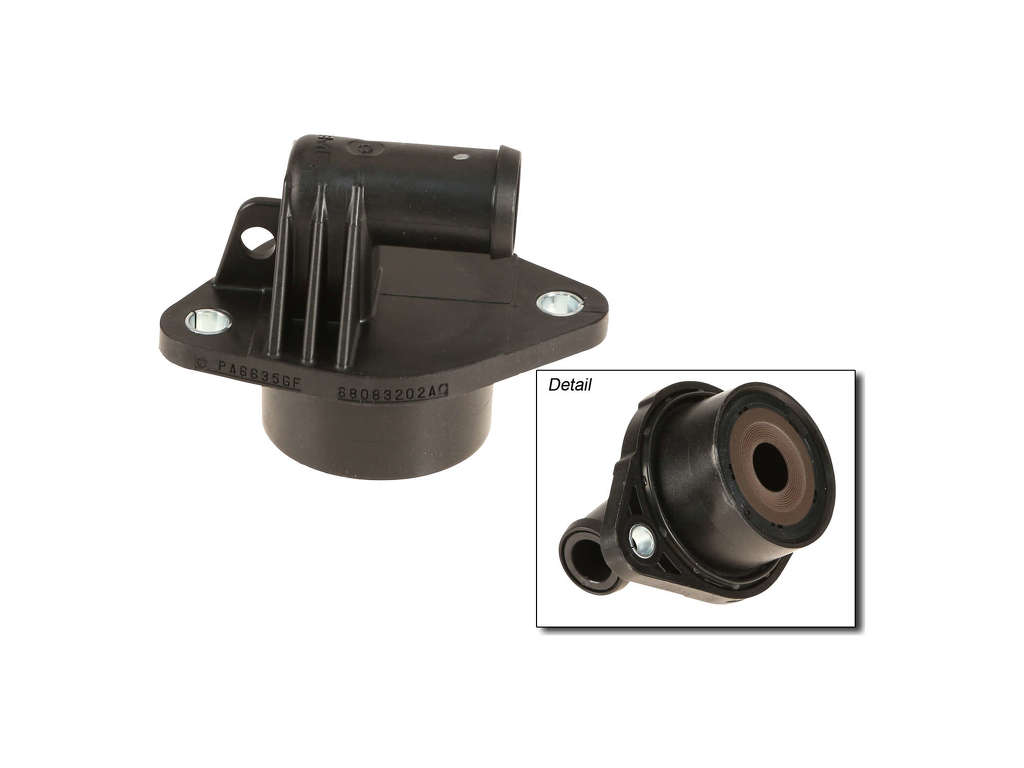
New Aftermarket Parts Available


The information in this article is provided for general reference and educational purposes only. Vehicle specifications, procedures, and part compatibility can vary by production date, trim level, and region. Always consult your vehicle's factory service manual and verify part numbers before purchasing or performing repairs. Safety-critical components such as airbags, seat belts, and braking systems should be installed by a qualified professional.
- Ram 1500:
- 🧭 Diagnostic Flowchart
- 🎬 Helpful Videos
- 🛍️ Shop This Part
- What's Unique About the 2019-2021 Ram 1500
- Symptoms You May Notice
- Most Likely Causes
- Rare But Worth Checking
- Diagnosis Steps
- Parts You'll Likely Need
- Related Codes That Often Appear With This One
- Technical Service Bulletins (TSBs) & Recalls
- Platform-Specific Known Issues
- 🎟️ Get 5% Off