

OBD-II Code P2175: Throttle Actuator Control System - Low Airflow Detected
What P2175 means, why it triggers, and how to fix it
- Code P2175 triggers when the engine computer detects unexpectedly low airflow, pointing directly to a restricted or failing electronic throttle body in 80% of cases.
- Expect an immediate 10-20% drop in engine power, rough idling, and forced 'limp mode' that restricts speeds to under 40 mph to prevent drivetrain damage.
- Start diagnosis by spending $15 on throttle body cleaner to remove carbon buildup around the throttle plate, which resolves the code for most DIYers.
- Professional repairs range from $100 for a simple throttle body cleaning to over $700 if the entire electronic throttle assembly requires replacement and reprogramming.
What Does P2175 Mean?
The Powertrain Control Module (PCM) detects less air flowing through the throttle body than expected for the current throttle position. The engine isn't breathing correctly, directly reducing performance, fuel economy, and emissions control.
Technical definition: The SAE/OBD-II definition is "Throttle Actuator Control System - Low Air Flow Detected". The PCM sets this code when comparing the commanded throttle angle to the actual airflow measured by the MAF and MAP sensors, finding the airflow unexpectedly low. The PCM then forces the engine into "limp home mode" to prevent runaway acceleration.
Can I Drive With P2175?
Yes, But With Caution. You can drive, but expect reduced engine power, poor acceleration, and stalling at low speeds. The vehicle enters a 'limp home mode' to prevent drivetrain damage. Driving for an extended period with this code causes inefficient combustion, damaging the catalytic converter with unburnt fuel. This adds a $1,000 to $3,400 repair cost on top of the original issue.
Common Causes
- Dirty or faulty electronic throttle body assembly (Very Common) — Carbon buildup around the throttle plate restricts airflow. Over time, internal plastic gears wear down or the electric motor fails entirely.
- Faulty Throttle Position Sensor (TPS) (Common) — The TPS reports the exact angle of the throttle plate. An incorrect, low-voltage, or erratic signal makes the computer think the throttle is more closed than it is, skewing the airflow calculation.
- Wiring or connector issues (Common) — Corroded pins, frayed wires, or loose connections at the throttle body or PCM distort signals. Heat and vibration under the hood frequently cause these abrasions.
- Dirty Mass Airflow (MAF) sensor (Less Common) — A MAF sensor contaminated with dirt or filter oil under-reports the air entering the engine, directly causing the PCM to calculate low airflow.
- Clogged air filter or intake restriction (Less Common) — A severely clogged engine air filter or physical blockage in the intake tube physically restricts air volume.
- Significant vacuum leak (Less Common) — A cracked intake manifold, broken vacuum hose, or faulty PCV valve introduces unmetered air after the primary sensors, confusing the PCM's base airflow readings.
- Powertrain Control Module (PCM) software error (Less Common) — Corrupted or outdated PCM calibration data causes misinterpretation of sensor readings. A dealer software update or re-flash resolves this.
- Faulty Accelerator Pedal Position (APP) Sensor (Rare) — The APP sensor reports gas pedal position. Malfunctions send signals that mismatch driver intent, confusing expected airflow calculations.
- Low battery voltage or charging system issues (Rare) — The electronic throttle body requires stable voltage. A weak battery or failing alternator causes sluggish throttle motor operation, triggering the code.
Symptoms
- Check Engine Light is on — The Malfunction Indicator Lamp (MIL) illuminates immediately.
- Reduced engine power ('Limp Mode') — The computer intentionally limits engine RPM and speed to prevent drivetrain damage.
- Sluggish or delayed acceleration — The car feels hesitant, weak, or unresponsive from a stop.
- Engine stalling — The engine shuts off unexpectedly at low speeds or during initial acceleration.
- Rough or unstable idle — Engine RPM fluctuates erratically when stopped in park or neutral.
- Increased fuel consumption — Inefficient combustion from the incorrect air-fuel mixture drastically lowers MPG.
Diagnostic Flowchart
Tap your situation to follow the diagnostic path that matches what you're seeing on this code.
Common Fixes & Costs
- Cleaning the electronic throttle body — Parts: $15-$40 (cleaner and gaskets), Labor: $75-$200, ~0.8 hr book time (DIY)
- Replacing the engine air filter — Parts: $15-$50, Labor: $0-$25, ~0.2 hr book time (DIY)
- Replacing the electronic throttle body assembly
— Parts: $200-$700+, Labor: $100-$200, ~1.2 hr book time
(Intermediate)
: OEM
: OEM
: OEM - Updating or re-flashing the Powertrain Control Module (PCM) — Parts: $0, Labor: $150-$250 (dealership or specialized shop labor), ~1 hr book time (Professional)
- Repairing wiring or connector issues — Parts: $10-$50 (connectors, wire, terminals), Labor: $80-$240, ~1.5 hr book time (Intermediate)
DIY vs Professional
- Cleaning the electronic throttle body 🟢 Beginner
Tools: Socket set/screwdriver, throttle body cleaner (safe for electronics), clean rags, flashlight. - Replacing the electronic throttle body assembly 🟢 Beginner
Tools: Socket set, torque wrench, new gasket, OBD-II scanner for relearn procedure. - Updating or re-flashing the Powertrain Control Module (PCM) 🟢 Beginner
Tools: Professional J2534 Pass-Thru device, stable battery voltage maintainer, manufacturer software subscription. - Replacing the engine air filter 🟢 Beginner
Tools: Usually none, or a basic screwdriver/socket. - Repairing wiring or connector issues 🟢 Beginner
Tools: Digital multimeter, wire strippers, crimpers, heat shrink tubing, soldering iron (optional), replacement pigtail connector.
Used vs. New Parts: Buying Guide
When a used part is worth it: A used throttle body is a budget-conscious option for older, high-mileage vehicles (>150k miles) where the cost of a new OEM part is a significant portion of the car's value. It makes sense only if the savings are substantial enough to offset the risk of premature failure.
Donor-vehicle mileage cap: roughly under 80000 miles for the part to have meaningful remaining life.
Donor quality checklist:
- Verify the donor vehicle's mileage is reasonably low (ideally under 80,000 miles).
- Ensure the part number matches your original part exactly, as variations exist even within the same model year.
- Visually inspect the part for cleanliness and lack of physical damage. Avoid parts from vehicles that were scrapped due to engine failure.
Decision logic:
- If Vehicle is under 8 years old or has less than 100,000 miles → Buy a new OEM or high-quality aftermarket part. The reliability and warranty are worth the extra cost.
- If Vehicle is over 10 years old and budget is the primary concern → A used part is an acceptable risk, but expect it to have a significantly shorter lifespan than a new part.
- If The specific throttle body model is known for a high failure rate → Favor a new part, as even a low-mileage used part has the same inherent design flaw.
Warranty tradeoff: Used parts from salvage yards typically come with a 30-90 day warranty that covers only the part itself, not the labor for installation. New aftermarket parts often carry a 1-year to limited lifetime warranty. New OEM parts provide the best guarantee but at the highest cost.
Worst-case if a used part fails: $250-$500 if the used part is faulty or fails shortly after the warranty period, as you pay for repeat labor costs plus the cost of another replacement part.
What Happens If You Wait — Timeline
- 0-1 month: Check Engine Light is on. Vehicle has a slightly rough idle or minor hesitation on acceleration, but it's barely noticeable. The car enters 'limp mode' intermittently. (MPG impact: 0-5%% · Added cost: $0-$50 in wasted fuel)
- 1-3 months: Symptoms become consistent. Sluggish acceleration is obvious, and the engine stalls at low speeds. Fuel economy drop is noticeable (e.g., 2-4 MPG loss). The incorrect air-fuel mixture begins to stress the catalytic converter. (MPG impact: 5-15%% · Added cost: $50-$150 in wasted fuel)
- 3-6 months: The rich or lean air/fuel mixture damages the catalytic converter by causing it to overheat. You notice a 'rotten egg' smell from the exhaust. The vehicle is unreliable and stalls frequently. (MPG impact: 15-25%% · Added cost: $1,100-$3,500 for a now-necessary catalytic converter replacement, on top of the original P2175 repair.)
- 6+ months: The catalytic converter clogs or melts completely, causing severe lack of power and preventing the engine from running. Continued operation causes exhaust backpressure, leading to fouled spark plugs and damaged oxygen sensors. (MPG impact: >25%% · Added cost: $1,500-$4,000+ to cover the catalytic converter, oxygen sensors, and potentially other engine components damaged by backpressure.)
Cost of Not Fixing It
- 0-1 month: Noticeable drop in fuel economy (5-15%), poor acceleration, and potential stalling. The vehicle is unreliable and enters 'limp mode' at any time. (Added cost: $25-$75 in wasted fuel)
- 1-6 months: An incorrect air-fuel mixture forces the catalytic converter to work overtime, causing it to overheat and suffer internal damage. This leads to a much more expensive repair. (Added cost: $1,200-$3,400 for catalytic converter replacement)
- 6+ months: Complete failure of the catalytic converter is likely. Continued driving with a malfunctioning throttle system causes carbon buildup on valves and pistons, and places additional stress on other emissions components like oxygen sensors. (Added cost: $1,500-$4,000+ to cover the catalytic converter and potentially other damaged engine or emissions components.)
Diagnosis Steps
- Scan Codes & Review Freeze Frame Data
Connect an OBD-II scanner. Record P2175 and related codes (e.g., P0120-P0124, P2100-P2119). Analyze freeze frame data to pinpoint exact engine conditions (RPM, load, temp) when the fault occurred. Do not clear codes yet.
Tools: OBD-II Scanner (Beginner) - Check for Manufacturer TSBs
Search Technical Service Bulletins (TSBs) for your specific year/make/model. Manufacturers frequently release PCM software updates to fix false P2175 triggers before you replace any hardware.
Tools: Google Search, ALLDATA, Mitchell 1 (Beginner) - Inspect Throttle Body & Intake
Remove the intake tube. Inspect the throttle plate and bore for heavy carbon buildup—the most common culprit. Check the air filter for severe clogs and the electrical connector for corrosion or bent pins.
Tools: Flashlight, Screwdriver or socket set (Beginner) - Analyze Live Sensor Data
With the engine running, monitor Commanded Throttle Position vs. actual Throttle Position Sensor (%) readings on a scanner. They must match closely. Verify MAF (g/s) and MAP (kPa) readings align with engine speed and load.
Tools: OBD-II Scanner with Live Data (Intermediate) - Use Bidirectional Control to Test the Actuator
Use an advanced scanner's actuator test to command the throttle plate open and closed (e.g., 20% then 80%). Sluggish movement, buzzing, or no response confirms a dead throttle body motor.
Tools: Advanced Bidirectional OBD-II Scanner (Advanced) - [PRO TIP] Test TPS Voltage with a Multimeter
Turn ignition on (engine off). Backprobe the TPS signal wire. Voltage must start around 0.5V closed and increase smoothly to 4.5V at wide-open throttle. Dropouts or dead spots indicate a failed TPS.
Tools: Digital Multimeter, T-pins or back-probe kit (Advanced) - [PRO TIP] Test Throttle Actuator Motor Resistance
With ignition off and connector unplugged, measure resistance across the throttle actuator motor pins. Readings outside the typical 2-15 ohms indicate an internal motor short or open circuit.
Tools: Digital Multimeter (Advanced) - [PRO TIP] Verify 5V Reference and Ground
Unplug the throttle body connector (ignition on). Measure for a 4.75V-5.25V reference signal from the PCM and a solid ground (less than 100mV). Missing voltage points to a wiring or PCM failure.
Tools: Digital Multimeter (Advanced)
When This Code Triggers (Freeze-Frame Conditions)
- Engine Coolant Temp: 185-205°F (85-96°C) (The engine is fully warmed up to normal operating temperature.)
- RPM: 1200-2500 RPM (The fault sets during steady-state cruising or light acceleration, rarely at idle or full throttle.)
- Engine Load: 20-50% (Occurs under light to moderate engine load, consistent with highway cruising.)
- Vehicle Speed: 30-60 mph (48-97 km/h) (The code triggers during city or highway cruise conditions.)
Related Codes
- P2174 — P2174 indicates 'Sudden Low Air Flow Detected.' While both codes point to similar parts, P2174 suggests an abrupt event, like a throttle plate getting stuck or a sensor failing instantly. P2175 implies a more persistent or gradual condition, like carbon buildup or a slowly failing sensor. Diagnosis for P2174 prioritizes checking for sudden mechanical binding or electrical failure.
- P0120-P0124 — These codes are specific to the Throttle Position Sensor (TPS) circuit. If you have a code like P0122 (TPS Circuit Low Input) alongside P2175, your diagnostic starting point is the TPS. The P0122 code tells you the PCM is receiving an abnormally low voltage signal, which is the direct cause for the P2175 low airflow calculation. Test the TPS sensor and circuit first.
- P2100-P2119 — This range of codes relates directly to the electronic throttle control actuator motor. A code like P2111 (Stuck Open) or P2112 (Stuck Closed) with P2175 is a major clue. The diagnostic differentiator is to use a scanner's bidirectional actuator test to command the throttle plate to move. If it fails to move, makes noise, or gets stuck, the throttle body assembly is faulty and the root cause of the P2175 code.
- P0171/P0174 — These codes mean 'System Too Lean.' While seemingly opposite, a large vacuum leak triggers P2175 alongside a lean code. The unmetered air entering after the MAF sensor confuses the PCM. It sees low airflow at the MAF but high oxygen content at the O2 sensors, setting codes for both conditions. If you have lean codes, your first step is to find the vacuum leak.
Climate & Environmental Factors
- Cold Weather: In near-freezing, high-humidity conditions, ice forms on the throttle plate and bore. The pressure drop as air passes through the throttle opening causes moisture to freeze, restricting airflow and triggering P2175 on startup.
- High Humidity: High humidity accelerates corrosion on electrical connector pins for the throttle body, MAF sensor, and PCM. This corrosion increases electrical resistance, which corrupts sensor signals and leads to false codes.
- High Altitude: At higher altitudes, the air is less dense. While the PCM compensates for this, a pre-existing marginal issue (like a slightly dirty throttle body or a MAF sensor at the edge of its spec) is exacerbated, causing the calculated airflow to fall below the trigger threshold for P2175.
How to Talk to a Mechanic About This Code
Say this: "I have a check engine light on and my scanner shows code P2175, 'Throttle Actuator Control System - Low Airflow Detected'. I'd like to schedule a diagnostic appointment. Based on the code, I suspect it might be a dirty throttle body, a sensor issue, or a wiring problem. Can you please diagnose the root cause and provide me with the freeze-frame data and live sensor readings before recommending any part replacements?"
This signals to the shop that you are an informed customer. You've provided the specific code, mentioned the most likely causes, and requested specific data (freeze frame, live data). This approach encourages a thorough diagnosis rather than just replacing the most expensive part, and it establishes that you expect to be part of the decision-making process.
Avoid saying:
- 'My check engine light is on, can you just fix it?'
- 'The car feels slow, I think I need a new throttle body.'
- 'Just do whatever you think is necessary.'
Questions to ask before authorizing the repair:
- What specific tests did you perform to confirm the throttle body/sensor is faulty?
- Did you check for any Technical Service Bulletins (TSBs) related to this code for my vehicle?
- If the throttle body is replaced or cleaned, does the repair estimate include the cost of a throttle relearn procedure?
- What is the warranty on the parts and labor for this repair?
Where to Take It: Dealer vs Independent vs Chain
- Dealer:
Recommended if you suspect a software issue or are under warranty. Otherwise, a costlier option.
Best for: Vehicles still under a powertrain or emissions warranty., Cases where a known Technical Service Bulletin (TSB) requires a PCM software update., Complex electronic issues on newer or European vehicles.
Downsides: Typically the highest labor rates (1.5-2x more than independent shops)., Defaults to replacing the entire throttle body assembly rather than cleaning it or diagnosing a simpler wiring issue. (Typical cost: +50% vs. baseline) - Independent Shop:
Best fit for most situations. A reputable independent shop effectively diagnoses and repairs P2175 by cleaning or replacing the throttle body and checking related sensors and wiring, often at a significant savings over the dealer.
Best for: Out-of-warranty vehicles where cost is a major factor., Diagnosing and repairing common codes like P2175., Vehicles where the most likely cause is a dirty throttle body or a straightforward part replacement.
Downsides: Shop quality and diagnostic capabilities vary greatly. Vet shops by checking for ASE certifications and online reviews., Lacks access to the very latest manufacturer software updates. (Typical cost: +0% vs. baseline) - Chain Shop:
Acceptable for a simple air filter change if that's the suspected cause, but AVOID for the primary diagnosis of P2175. The risk of misdiagnosis or being sold an unnecessary throttle body is high.
Best for: Simple, routine maintenance like oil changes or air filter replacement.
Downsides: Technician skill varies dramatically; lacks experience with in-depth electronic diagnostics., High pressure to upsell services and parts you do not need., Lacks the advanced scan tools required for bidirectional testing or throttle relearn procedures. (Typical cost: -10% vs. baseline)
When to Walk Away From the Repair
If the estimated repair cost for the P2175 fault exceeds 40-50% of your car's private-party value, sell or trade in the vehicle instead of repairing it.
- Car worth $4000, fix is $2000: Walk away. The repair cost is 50% of the car's value. It is not a sound financial decision.
- Car worth $12000, fix is $800: Fix it. The repair cost is well below the 50% threshold and restores the vehicle's performance and value.
- Car worth $2500, fix is $900: Borderline. This is a 36% repair-to-value ratio. Get a second opinion and consider the car's overall condition before proceeding.
What Scan Tool You Need for This Code
Minimum: A scanner that reads and clears codes, shows live sensor data (especially for TPS and MAF), and displays freeze frame data.
A basic $20 code reader only gives you the P2175 code. It won't let you see the live data from the throttle position sensor or mass airflow sensor to see if they are reading incorrectly, which is a critical diagnostic step. You need to see what the computer is seeing to find the root cause.
Budget: BlueDriver Pro (~$100) — Connects to your smartphone via Bluetooth. It reads the P2175 code, shows freeze frame data, and graphs live data from the TPS and MAF sensors. This determines if a sensor is failing or if the throttle body is dirty.
Mid-range: Foxwell NT510 Elite (~$180) — In addition to live data, this handheld unit offers bidirectional control (active tests) for many vehicle makes. This allows you to command the throttle plate motor to open and close, directly testing its function. It includes the 'throttle matching' or 'relearn' function needed after cleaning or replacement.
Professional: Autel MaxiCOM MK808 / MK808BT (~$450-550) — Provides comprehensive, OE-level diagnostics. It has strong bidirectional control to test the throttle actuator, and includes a dedicated menu of service functions like 'Throttle Relearn' for a wide range of vehicles, which is essential for completing the repair correctly.
Rent vs buy: For a one-time fix, auto parts stores like AutoZone offer a loaner tool program for OBD-II scanners. If you plan to do your own maintenance and diagnostics regularly, buying a tool like the BlueDriver or Foxwell offers excellent long-term value.
How to Clear the Code After You Fix It
- Reconnect the battery if it was disconnected.
- Use an OBD-II scan tool to formally clear the P2175 code and any other stored codes.
- Perform a complete OBD-II drive cycle to allow the vehicle's readiness monitors to run and complete.
Drive cycle (~30 minutes): A universal drive cycle includes a cold start (engine off for 8+ hours), a 2-3 minute idle with electrical loads on (A/C, defroster), followed by 15-20 minutes of mixed city and highway driving including steady speeds around 55 mph and periods of stop-and-go.
Readiness monitors affected: Catalyst (CAT) monitor, Oxygen (O2) Sensor monitor, Oxygen Sensor Heater monitor, Evaporative (EVAP) System monitor
Before emissions retest: drive at least 100 miles to fully set monitors.
Watch out for:
- Simply disconnecting the battery clears the code but resets all readiness monitors to 'incomplete', causing an automatic emissions test failure.
- The code returns within a few drive cycles if the underlying root cause (e.g., dirty throttle body, bad sensor) has not been properly repaired.
- Not having enough fuel (typically must be between 15% and 85% full) prevents some monitors, like the EVAP monitor, from running.
Will This Fail Emissions / State Inspection?
Yes — this code typically fails an OBD-II emissions inspection.
- California: An illuminated Check Engine Light results in an automatic smog check failure. For 2000 and newer model-year vehicles, all readiness monitors must be 'complete' (with the exception of the EVAP monitor). After a repair, a full drive cycle is required before re-testing.
- New York: The NYS vehicle inspection includes an OBD-II scan. An active P2175 code and illuminated Check Engine Light causes an automatic failure.
- Texas: In the 17 Texas counties that require emissions testing, an illuminated Check Engine Light is an automatic failure. Even if the light is cleared, the vehicle fails if too many readiness monitors are 'incomplete'.
Most Commonly Affected Vehicles
- Honda CR-V, HR-V, Accord, Civic (2016-2023+) — These models are frequently cited for P2175. For the CR-V (2017-2022) and HR-V (2016-2022), the PCM is very sensitive and sets the code when its calculated 'blockage rate' for the throttle body reaches a threshold. A throttle body cleaning and PCM software update are common fixes.
- Ford Explorer, Escape, Focus (2011-2019) — Ford SUVs and cars are known to set the P2175 code, pointing towards a faulty electronic throttle body. There are numerous TSBs and recalls on earlier models for throttle body issues leading to limp mode.
- Chevrolet / GMC Silverado 1500, Sierra 1500, Equinox (2007-2018) — This code appears on GM trucks and SUVs, with causes ranging from a dirty throttle body to faulty wiring or a failed throttle position sensor, which is integrated into the throttle body assembly.
- Dodge / Ram / Fiat Ram 1500, Promaster City, Fiat 500X (2013+) — Owners report recurring P2175 codes. On vehicles with the 2.4L MultiAir engine, like the Promaster City and Fiat 500X (2015-2020), a dirty or failed throttle body is a primary suspect.
- Subaru Outback, Forester, Impreza (2010-2017) — On many Subaru models, P2175 is triggered by a failing throttle body assembly or a significant vacuum leak. Cleaning the throttle body is a common first step, but replacement is often necessary.
- Nissan Altima, Sentra, Rogue (2007-2018) — Nissan vehicles are prone to electronic throttle body failures. The issue is internal to the unit, requiring a full replacement followed by an Idle Air Volume Relearn procedure.
- Volvo S60, XC90, S80 (2002-2008) — Volvos of this era are known for electronic throttle module (ETM) problems, particularly with the original Magneti-Marelli units. Worn internal sensors and gears are a common failure point leading to this code.
- Hyundai / Kia Elantra, Sonata, Optima (2011-2019) — This code appears on various Hyundai and Kia models, leading to throttle body replacement. In some cases, a PCM software update is available to address the issue.
Manufacturer-Specific Notes
- Honda: On many modern Hondas, the PCM is sensitive to throttle body blockage. The system has a specific monitor that calculates a 'blockage rate', and if it reaches 100% of a predefined threshold, it sets the P2175 code. This doesn't mean the throttle is completely blocked, but rather that its airflow characteristics deviated from the factory baseline. Check for TSB 23-067 for potential software updates.
- General Motors (GM): On some GM vehicles, this code is set due to a faulty PCM or requires a software update to fix. It's accompanied by a 'Reduced Engine Power' message on the dash. Checking for Technical Service Bulletins (TSBs) related to PCM calibration is a critical diagnostic step before replacing expensive hardware.
- Ford: Many Ford vehicles require a specific throttle body relearn procedure after cleaning or replacement. Failure to perform this procedure causes the code to return immediately, along with erratic idle and poor throttle response. Ford issued Customer Satisfaction Program 13N03 for certain models, extending the warranty on the throttle body due to high failure rates.
- Volvo: Older Volvos with Magneti-Marelli electronic throttle modules (ETMs) were notorious for failures. The main issue was wear on the internal potentiometers. Volvo extended the warranty on these ETMs to 10 years or 200,000 miles. A contactless sensor replacement is a popular aftermarket solution.
Real Owner Stories
2004 Dodge Ram 1500 5.7 Hemi
While driving, the check engine light and a flashing red lightning bolt (ETC indicator) came on. The truck had no throttle response and a higher than normal idle. After restarting, it ran fine.
What they tried:
- Pulled code P2175.
Outcome: Cleaned the throttle body with cleaner and a toothbrush. The carbon buildup was restricting the throttle plate. The problem was resolved, and power was restored.
Lesson: For many vehicles, especially trucks known for it like the Ram, a dirty throttle body is a very common cause for P2175. A simple, 20-minute cleaning saves a trip to the mechanic and the cost of a new part.
2017-2022 Honda CR-V
Check Engine Light came on with code P2175. The vehicle experienced decreased engine performance, poor acceleration, and increased fuel consumption.
What they tried:
- The owner first checked for other Diagnostic Trouble Codes (DTCs) but found none.
- A visual inspection of the air intake system was performed.
- The throttle body was inspected and found to be dirty.
Outcome: Cleaning the throttle body resolved the issue. In many modern Hondas, the computer is very sensitive and calculates a 'blockage rate'; cleaning the throttle body restores proper airflow and clears the code after a reset.
Lesson: On modern Hondas (CR-V, HR-V, Civic), P2175 is frequently triggered by the PCM's sensitivity to even minor carbon buildup. Before replacing any parts, a thorough throttle body cleaning is the most effective first step.
2015 Fiat 500X with 2.4L MultiAir Engine
Engine light on with code P2175. The owner was experiencing rough idle and hesitation.
What they tried:
- Cleaned the throttle body, but the code returned.
- Cleaned the MAF sensor, but the code returned.
- Checked for vacuum leaks using a smoke machine, but none were found.
Outcome: The owner eventually replaced the entire throttle body assembly. After the replacement and performing a throttle relearn procedure, the code was cleared and did not return.
Lesson: Sometimes, cleaning is not enough. The electronic components or motor within the throttle body fail internally. If cleaning the throttle body and MAF sensor doesn't work, and there are no vacuum leaks, replacing the throttle body is the next logical step.
How to Prevent This Code From Triggering
- Use TOP TIER™ certified gasoline (Every fill-up) — TOP TIER™ fuels contain a higher concentration of detergent additives than the EPA minimum. These detergents prevent and clean existing carbon deposits from intake valves and fuel injectors, reducing the contaminants that form deposits in the throttle body.
- Clean the throttle body periodically (Every 75,000-100,000 miles or when symptoms appear) — Proactively cleaning carbon and oil deposits from the throttle plate and bore prevents airflow from becoming restricted. This maintains smooth idle and throttle response and prevents the PCM from detecting a 'low airflow' condition that triggers P2175.
- Inspect and replace the engine air filter regularly (Per manufacturer's schedule (typically 15,000-30,000 miles)) — A clean air filter ensures unrestricted airflow to the engine. A clogged filter physically reduces the volume of air entering the intake, directly causing or contributing to a P2175 code.
- Use a fuel system cleaner additive (Once per oil change interval (every 5,000-7,500 miles)) — Adding a quality cleaner with Polyetheramine (PEA), like Techron or BG 44K, removes carbon buildup throughout the fuel system and combustion chamber. This leads to more efficient combustion, reducing the creation of soot and blow-by gases that contaminate the throttle body.
Frequently Asked Questions
What is the most common mistake when diagnosing P2175?
A common mistake is replacing the throttle body without proper diagnosis. Technicians replace an expensive part when the actual cause is a simple vacuum leak, a dirty MAF sensor, or a wiring issue.
I cleaned/replaced my throttle body, but the code came back. What now?
Ensure a throttle body 'relearn' procedure was performed. Re-inspect the entire intake for hidden vacuum leaks and check for any TSBs related to a PCM software update. Finally, perform a thorough inspection of the wiring harness and connectors between the throttle body and the PCM for intermittent faults.
Can a bad battery or alternator cause code P2175?
Yes. The electronic throttle control system requires a stable voltage to operate the motor and get accurate sensor readings. A weak battery or failing alternator causes the throttle actuator to perform incorrectly, leading the PCM to set a P2175 code.
What is a throttle body 'relearn' procedure?
After cleaning or replacing a throttle body, the PCM's memory of the old, dirty throttle plate's idle position is no longer accurate. A relearn procedure teaches the PCM the new closed and idle positions. This involves a specific sequence of turning the ignition on and off, or requires a professional scan tool to initiate the procedure.
Why did my traction control light also come on with the check engine light?
Modern traction and stability control systems rely on the ability to reduce engine power to prevent wheel slip. When the PCM detects a critical fault in the throttle control system like P2175, it disables these safety systems as a precaution, illuminating their warning lights.
Is it safe to clean my own electronic throttle body?
Yes, but you must use a cleaner specifically designed for electronic throttle bodies. On most modern vehicles, do not force the throttle plate open or closed by hand, as this damages the delicate internal plastic gears.
How much does it cost to diagnose P2175?
A professional diagnostic check for a Check Engine Light typically costs between $150 and $165. This fee covers scanning the codes, reviewing live data, a basic inspection, and an estimate for the required repair.
Will using an aftermarket oiled air filter cause P2175?
It can. Improperly or excessively oiled aftermarket air filters release fine oil droplets that contaminate the MAF sensor's delicate sensing wire. This contamination causes the MAF to report lower airflow than is actually present, leading to a P2175 code.
Key Takeaways
- Code P2175 triggers when the engine computer detects unexpectedly low airflow, pointing directly to a restricted or failing electronic throttle body in 80% of cases.
- Expect an immediate 10-20% drop in engine power, rough idling, and forced 'limp mode' that restricts speeds to under 40 mph to prevent drivetrain damage.
- Start diagnosis by spending $15 on throttle body cleaner to remove carbon buildup around the throttle plate, which resolves the code for most DIYers.
- Professional repairs range from $100 for a simple throttle body cleaning to over $700 if the entire electronic throttle assembly requires replacement and reprogramming.
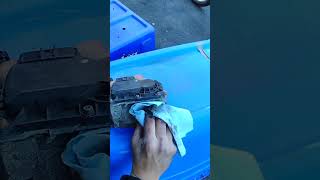
Helpful Videos
Shop the Parts Behind P2175
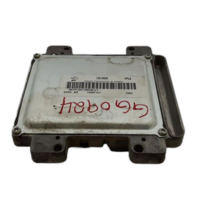
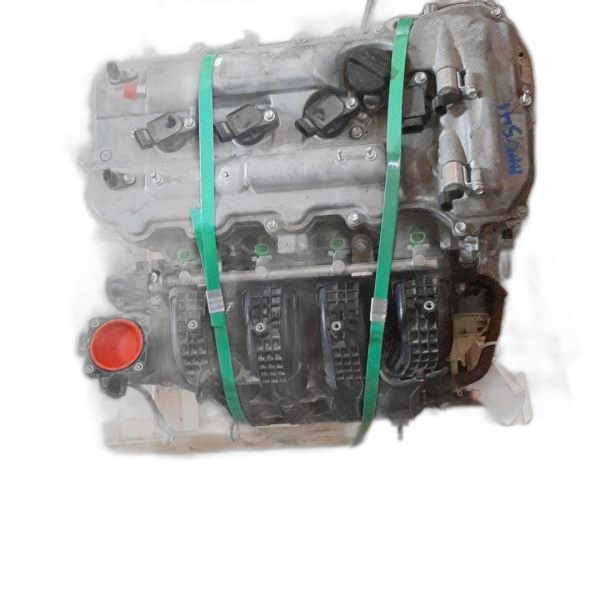
Below are the parts most often responsible for code P2175, ranked by how frequently each one is the actual culprit (per the diagnosis above). Tap any to see what we have for your vehicle.



The information in this article is provided for general reference and educational purposes only. Vehicle specifications, procedures, and part compatibility can vary by production date, trim level, and region. Always consult your vehicle's factory service manual and verify part numbers before purchasing or performing repairs. Safety-critical components such as airbags, seat belts, and braking systems should be installed by a qualified professional.
- 🧭 Diagnostic Flowchart
- 🎬 Helpful Videos
- 🛍️ Shop This Part
- What Does P2175 Mean?
- Can I Drive With P2175?
- Common Causes
- Symptoms
- Common Fixes & Costs
- DIY vs Professional
- Used vs. New Parts: Buying Guide
- What Happens If You Wait — Timeline
- Cost of Not Fixing It
- Diagnosis Steps
- When This Code Triggers (Freeze-Frame Conditions)
- Related Codes
- Climate & Environmental Factors
- How to Talk to a Mechanic About This Code
- Where to Take It: Dealer vs Independent vs Chain
- When to Walk Away From the Repair
- What Scan Tool You Need for This Code
- How to Clear the Code After You Fix It
- Will This Fail Emissions / State Inspection?
- Most Commonly Affected Vehicles
- Manufacturer-Specific Notes
- Real Owner Stories
- 2004 Dodge Ram 1500 5.7 Hemi
- 2017-2022 Honda CR-V
- 2015 Fiat 500X with 2.4L MultiAir Engine
- How to Prevent This Code From Triggering
- Frequently Asked Questions
- What is the most common mistake when diagnosing P2175?
- I cleaned/replaced my throttle body, but the code came back. What now?
- Can a bad battery or alternator cause code P2175?
- What is a throttle body 'relearn' procedure?
- Why did my traction control light also come on with the check engine light?
- Is it safe to clean my own electronic throttle body?
- How much does it cost to diagnose P2175?
- Will using an aftermarket oiled air filter cause P2175?
- Key Takeaways
- 🎟️ Get 5% Off