

P2176 on 2006-2010 Chevrolet Express: Reduced Power, Causes, and Fixes
On a 2006-2010 Chevy Express, code P2176 almost always means the throttle body is dirty with carbon buildup, preventing the engine computer from learning the correct idle position. The fix is usually cleaning the throttle body and performing an idle relearn procedure. If that fails, the throttle body assembly likely needs replacement.
- P2176 on your Express van is most likely caused by a dirty throttle body, not a major component failure.
- The first step is always to clean the throttle body thoroughly and perform an idle relearn procedure.
- Do not immediately buy a new throttle body; cleaning it solves the problem in a majority of cases for a fraction of the cost.
- Driving is possible but not recommended, as the van will have severely limited power and may stall unexpectedly.
- This code is often seen with P1516 and P2101, all of which point directly to the throttle body assembly.
What's Unique About the 2006-2010 Chevrolet EXPRESS
For this generation of Chevrolet Express and its platform mates (like the GMC Savana), P2176 is a very common issue directly linked to carbon buildup inside the throttle body from the PCV system. The problem is so frequent that GM issued Technical Service Bulletin #PIP4578B, which covers this code for idle surge and reduced power conditions on high-mileage vehicles. The issue isn't a design flaw but a predictable maintenance item where cleaning and performing an idle relearn are the first steps before replacing parts.
Diagnostic Flowchart
Tap your situation to follow the diagnostic path that matches what you're seeing on this vehicle.
Symptoms You May Notice
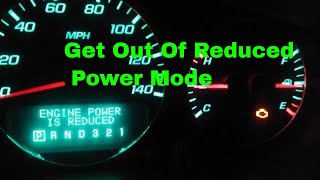
- "Reduced Engine Power" message on the dashb 🎬 See how to clear codes and address reduced power modeoard.
- Check Engine Light is on.
- Unstable, rough, high, or low idle; RPMs may wander between 600-1200 RPM.
- Engine stalling when coming to a stop.
- Hesitation or poor throttle response when accelerating.
- Vehicle may not start, or may crank but not turn over.
- Harsh or clunking shifts into 'Drive' or 'Reverse' due to high idle.
- Replacing the accelerator pedal position (APP) sensor. While part of the throttle control system, the APP sensor has its own specific codes and is less likely to be the cause of P2176.
- Replacing the Mass Airflow (MAF) sensor. A dirty MAF sensor can cause performance issues, but it typically won't prevent the throttle idle learn procedure from completing. A loose MAF sensor connector, however, has been anecdotally linked to these codes.
Most Likely Causes
- Dirty/Clogged Throttle Body 🔴 High Probability → Shop Fuel Injection Throttle Body As noted in TSB #PIP4578B, high-mileage vehicles are prone to this. The PCV (Positive Crankcase Ventilation) system routes oil vapor and combustion byproducts back into the intake, which deposit as carbon on the throttle plate and bore. This physically blocks the plate from closing completely. The ECM cannot compensate beyond a certain point, failing the learn procedure.
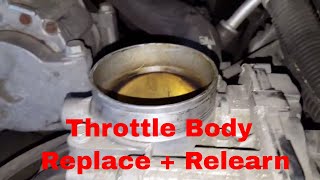
How to confirm: Remove the air intake hose from the throttle body. Visually inspect the throttle plate and the inside of the bore for a thick, black, sticky layer of carbon. 🎬 Watch: How to clean the throttle body and sensor
Typical fix: Disconnect the battery. Remove the throttle body, clean it thoroughly with dedicated throttle body cleaner and a soft brush (do not use abrasive pads or scrapers), and reinstall with a new gasket. Then, perform the idle relearn procedure.
Est. part cost: $5-$20 for cleaner and a gasket. - Failed Idle Relearn Procedure 🟡 Medium Probability This occurs after the battery has been disconnected, replaced, after clearing codes, or after cleaning the throttle body. The ECM's memory of the learned idle position is erased, and a new one must be established. If the relearn is not performed, the ECM is still using the old values for a dirty throttle body and cannot adapt to the clean one.
How to confirm: This is the likely cause if the code appeared immediately after a battery replacement, throttle body cleaning, or service that involved disconnecting the battery.
Typical fix: Perform the manual idle relearn procedure or use a capable scan tool (like a Tech 2 or Snap-on Solus) to perform an 'Idle Learn Reset' in the ECM module setup. The manual procedure is detailed in the 'Diagnosis Steps' section.
Est. part cost: $0 - Faulty Throttle Body Assembly ⚪ Low Probability → Shop Fuel Injection Throttle Body The internal electronic motor or the integrated throttle position sensors (TPS) can fail over time due to wear, heat cycles, or internal contamination from oil. Some aftermarket replacements feature improved seals to prevent this. This is more likely if cleaning the throttle body does not resolve the issue.
How to confirm: After a thorough cleaning and multiple failed relearn attempts, the component itself is suspect. A scan tool can monitor desired vs. actual throttle position; a discrepancy or a reported idle position above 9-10% after cleaning points to a faulty unit.
Typical fix: Replace the entire throttle body assembly and its gasket, then perform the idle relearn procedure.
Est. part cost: $150-$350
Rare But Worth Checking
- Wiring or Connector Issue: The main harness connector at the throttle body can become corroded, have bent pins, or the wires can get damaged or chafed from rubbing against a bracket, leading to intermittent signals. Wiggle the connector and harness with the engine running to see if the idle changes, and inspect the pins for green or white corrosion. On some GM vehicles, a large 16-way connector near the transmission has been found to cause similar communication issues.
- Large Vacuum Leak: A significant leak from a cracked hose or bad intake gasket can introduce too much unmetered air, making it impossible for the ECM to establish a stable idle for the learn procedure.
Diagnosis Steps
- Check for other codes. Codes like P1516, P2101, or P0068 strongly confirm the issue is centered on the throttle body.
- Visually inspect the throttle body. Remove the air intake duct and check for heavy carbon buildup. This is the most common cause.
- Clean the throttle body. If dirty, disconnect the battery first. Remove the throttle body, clean it thoroughly with throttle body cleaner and a soft brush, and install it with a new gasket. Do not move the plate manually with excessive force, as this can damage the internal gears.
- Perform the Idle Relearn Procedure. A scan tool is the most reliable method ('Idle Learn Reset'). If a scan tool is unavailable, try the manual method: Start and idle the engine in PARK for 3 minutes. The idle may be high but should start to decrease. Turn the ignition OFF for 60 seconds. Start and idle the engine in PARK again for 3 minutes. The idle should now be normal. If not, a drive cycle with speeds over 44 MPH including several decelerations may be needed.
- Inspect the electrical connector. If the code returns, check the throttle body connector for corrosion, bent pins, or damaged wires. Wiggle the harness with the engine running to check for changes in idle.
- Test with a scan tool. Monitor the desired vs. actual throttle position percentages. If they don't match or the actual value is erratic, the throttle body is likely faulty. A healthy, clean throttle body should show an idle position percentage under 10%.
- Replace the throttle body. If all other steps fail, replace the throttle body assembly, 🎬 Watch: Step-by-step guide to replacing the throttle body clear all codes, and perform the idle relearn procedure again.
Parts You'll Likely Need
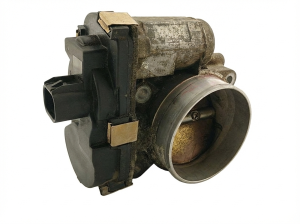
- Throttle Body Assembly
(OEM #12629992 (for 6.0L), 12580760, 217-3151 (ACDelco))— This is the required fix if cleaning and relearning fails, as the internal motor or sensors have likely failed. A 2009 Express with P2176, P1516, and P2101 required this part for the final fix.
Trusted brands: ACDelco, Bosch, Hitachi, Dorman
OEM price range: $250-$400
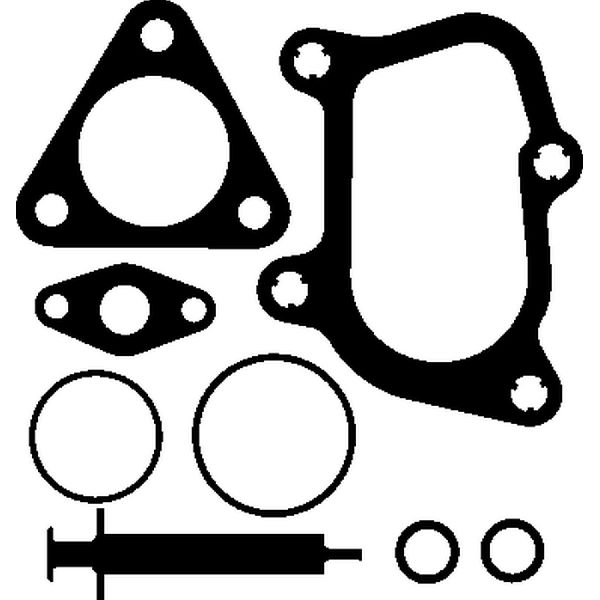
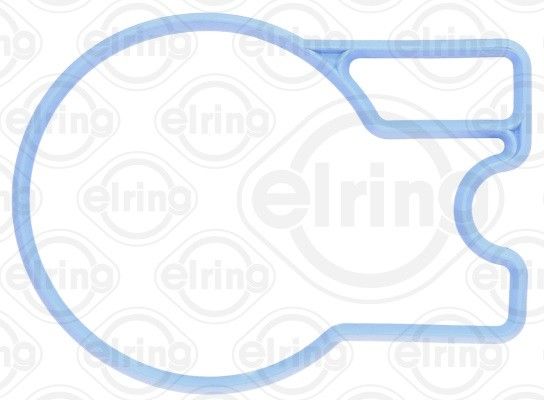
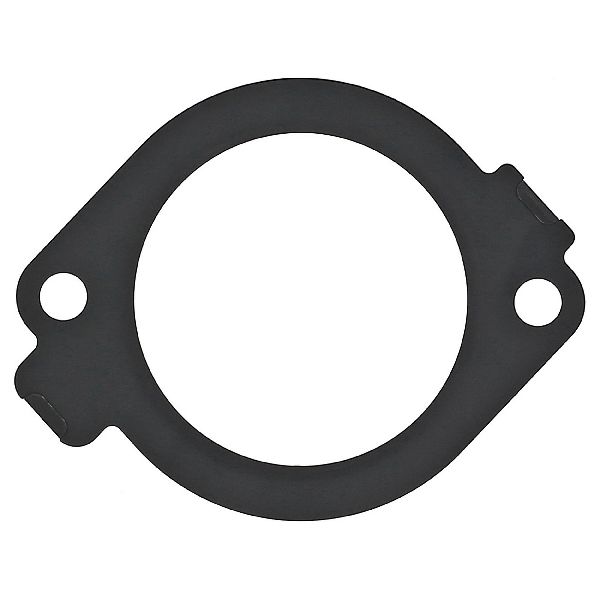
Aftermarket price range: $90-$250 - Throttle Body Gasket — This should always be replaced whenever the throttle body is removed for cleaning or replacement to prevent vacuum leaks.
Trusted brands: ACDelco, Fel-Pro, Mahle
OEM price range: $5-$15
Aftermarket price range: $3-$10
Related Codes That Often Appear With This One
- P1516 — This code ('Throttle Actuator Control (TAC) Module Throttle Actuator Position Performance') often appears with P2176 because it indicates a problem between the computer's command and the throttle's actual position, a root issue shared by both codes.
- P2101 — This code ('Throttle Actuator Control Motor Circuit Range/Performance') points to an issue with the electric motor that moves the throttle plate. It frequently accompanies P2176 when the throttle body assembly is failing or severely stuck.
- P0068 — This code indicates a disagreement between the MAF sensor, MAP sensor, and throttle position. It can be triggered alongside P2176 when the throttle plate is stuck due to carbon, causing airflow to be different than what the computer expects for that throttle angle.
Technical Service Bulletins (TSBs) & Recalls
- PIP4578B: 'SES Light, Idle Surge, and/or Reduced Engine Power Mode with DTCs
Platform-Specific Known Issues
- Per TSB #PIP4578B, high-mileage Express vans are known to experience this code along with idle surges and reduced power mode, strongly pointing to carbon buildup as a common service item.
- A YouTube video by user 'Lehew' documents a 2009 Express 4.3L with codes P1516, P2101, and P2176 where the ultimate solution was replacing the throttle body after cleaning failed to provide a permanent fix.
- Some owners report the issue is more frequent in very cold weather, which may suggest the throttle motor struggles to overcome sticking carbon deposits or that internal lubricants have stiffened.
Mechanic-Grade Diagnostic Values
- Throttle Position (TP) Sensor 1 Voltage — expected: ~0.37 V to 4.5 V (Key On, Engine Off). Failure: Voltage is outside the expected range, indicating a sensor or wiring fault.
- Throttle Position (TP) Sensor 2 Voltage — expected: ~2.8 V (at idle). Failure: Voltage significantly deviates from the expected idle value.
- Scan Tool 'Throttle Body Idle Airflow Compensation' — expected: Less than 90%. Failure: A value of 90% or greater indicates the throttle body is too restricted by carbon buildup for the ECM to compensate, requiring cleaning.
- Scan Tool 'Throttle Position Percentage' — expected: 3-5% at idle on a clean throttle body. Failure: A reading significantly higher, such as 16%, indicates the throttle plate is being held open by carbon buildup, preventing the idle learn procedure.
Scan Tool Commands That Help
- Tech 2 / GDS2 / Professional Snap-on or Autel: Idle Learn Reset — This function, typically found under 'Module Setup' or 'Functional Tests', is the most reliable way to force the ECM to relearn the new minimum throttle position after cleaning or replacing the throttle body. It is required if the manual idle relearn procedure fails.
- Tech 2 / GDS2 / Professional Snap-on or Autel: Throttle Sweep Test — This bidirectional test commands the throttle motor to move through its full range of motion. While monitoring desired vs. actual TP sensor data, a technician can confirm if the motor is responding correctly or if there are dead spots, which would indicate a faulty throttle body.
Wiring & Ground Locations
- G102 / G103 — On the left (driver's side) of the engine block, sometimes at the front or rear of the cylinder head.. These are primary engine and ECM ground points. Corrosion or looseness at these locations can cause erratic sensor readings and intermittent throttle body-related codes like P2176 and P1516. Cleaning these grounds is a critical step if codes return after cleaning the throttle body.
- Throttle Body Connector Pigtail — The 6-pin electrical connector at the throttle body assembly.. The wires within 1-4 inches of the connector are prone to internal breaks from vibration and heat cycles, even if the outer insulation looks fine. Wiggling the harness while monitoring scan tool data can expose these intermittent faults. Replacement pigtails are available.
Real Owner Repair Stories
- Chevy HHR Network forum user '843de' (Chevrolet HHR (similar electronic throttle control system)) — Check Engine Light with codes P1516 and P2176, rough idle.
❌ Tried (didn't work) Initial diagnosis pointed towards a faulty throttle body or wiring.
✅ What actually fixed it The problem was a loose electrical connector for the Mass Air Flow (MAF) sensor. Even though it felt secure, it was not making a proper connection. Securing the MAF connector resolved all codes and symptoms. - Tahoe Yukon Forum user (Chevrolet Tahoe (similar V8 engine and wiring)) — Recurring 'Reduced Engine Power' message with code P1516 after hitting bumps.
❌ Tried (didn't work) Replacing throttle body, Replacing accelerator pedal sensor, Replacing TAC module
✅ What actually fixed it The root cause was a poor grounding issue. The final fix involved adding multiple redundant ground wires between the engine block, firewall, alternator bracket, and the throttle body itself to ensure a stable ground path for the throttle control system. - YouTube video by 'Lehew' (2009 Chevrolet Express 4.3L) — 'Reduced Engine Power' message with codes P1516, P2101, and P2176.
❌ Tried (didn't work) Cleaning the throttle body., Clearing codes with the engine off (P2176 would return immediately).
✅ What actually fixed it The temporary fix was clearing code P2176 with the engine running, which took the van out of reduced power mode. The permanent fix was replacing the entire electronic throttle body assembly and gasket.
When the Usual Fixes Don't Work
- While cleaning the throttle body is the most common fix, multiple owner accounts confirm that if codes P1516 or P2101 are also present, cleaning is often a temporary solution at best. In these cases, the internal electronics of the throttle body are usually failing, and a complete replacement is required for a permanent repair. Furthermore, persistent issues after replacement often point away from the part itself and towards underlying electrical problems like poor grounds or damaged pigtail connectors, which are frequently overlooked.
OEM Part Supersession History
12580760→12679524— Standard part lifecycle update by GM. The new part is the current genuine replacement.
Heads up: The replacement part may require programming or special setup procedures to ensure proper operation in the vehicle.12572658→12580760— Standard part lifecycle update by GM.
Helpful Videos

Used OEM Parts in Stock
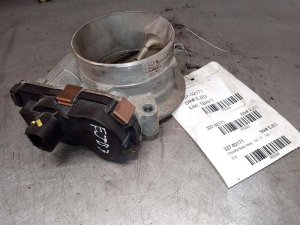
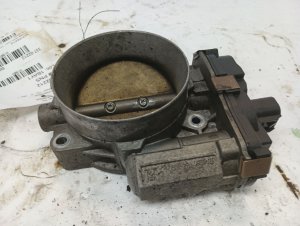
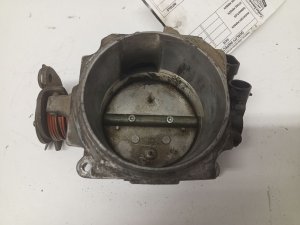
New Aftermarket Parts Available
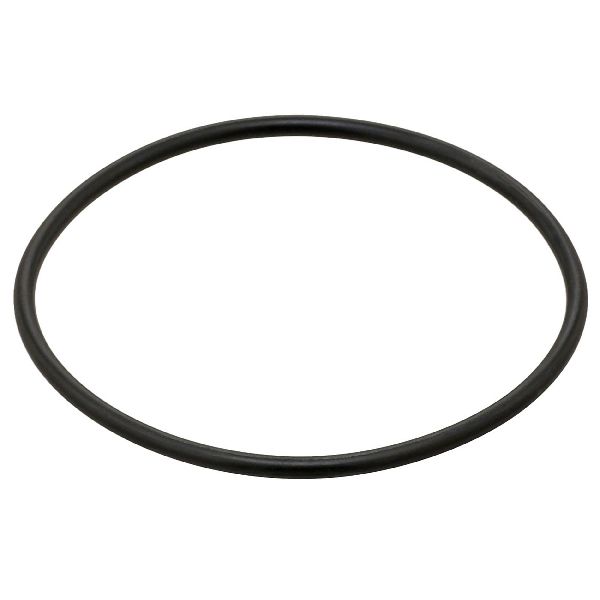

The information in this article is provided for general reference and educational purposes only. Vehicle specifications, procedures, and part compatibility can vary by production date, trim level, and region. Always consult your vehicle's factory service manual and verify part numbers before purchasing or performing repairs. Safety-critical components such as airbags, seat belts, and braking systems should be installed by a qualified professional.
- Chevrolet EXPRESS:
- 🧭 Diagnostic Flowchart
- 🎬 Helpful Videos
- 🛍️ Shop This Part
- What's Unique About the 2006-2010 Chevrolet EXPRESS
- Symptoms You May Notice
- Most Likely Causes
- Rare But Worth Checking
- Diagnosis Steps
- Parts You'll Likely Need
- Related Codes That Often Appear With This One
- Technical Service Bulletins (TSBs) & Recalls
- Platform-Specific Known Issues
- Mechanic-Grade Diagnostic Values
- Scan Tool Commands That Help
- Wiring & Ground Locations
- Real Owner Repair Stories
- When the Usual Fixes Don't Work
- OEM Part Supersession History
- 🎟️ Get 5% Off