

P2176 on 2005-2009 Saab 9-7X: Throttle Idle Position Not Learned Fixes
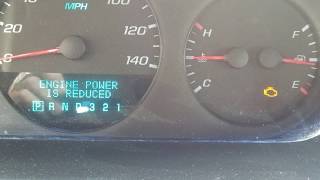
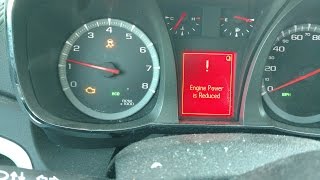
This code almost always points to a dirty throttle body causing the throttle plate to stick, a problem notorious on the GMT360 platform. Cleaning the throttle body of carbon buildup and performing a specific idle relearn procedure usually fixes the issue. A can of cleaner is about $10, while a replacement throttle body costs $100-$300. Ignoring it can lead to stalling and dangerous 'Reduced Engine Power' events.
- P2176 on a Saab 9-7X is almost always caused by a dirty throttle body.
- The fix is usually inexpensive, requiring only a can of throttle body cleaner, a new gasket, and about an hour of your time.
- After cleaning or replacing the throttle body, you MUST perform an idle relearn procedure for the fix to be complete.
- Do not immediately assume you need an expensive new throttle body; cleaning the original part is successful in the vast majority of cases.
What's Unique About the 2005-2009 Saab 9-7X
The Saab 9-7X is built on the General Motors GMT360 platform, making it a direct mechanical sibling to the Chevrolet Trailblazer, GMC Envoy, Buick Rainier, and Isuzu Ascender. This platform, particularly with the 4.2L inline-6 (LL8) and 5.3L V8 (LH6) engines, is widely known for developing significant carbon deposits in the throttle body, which physically restricts the throttle plate's movement. This exact issue is documented in GM Technical Service Bulletin (TSB) PIP4578B, which notes that high mileage vehicles can experience idle surge, reduced power, and P2176 due to this buildup. Because of this shared DNA, the causes and fixes for P2176 are well-understood and consistent across all these vehicles.
Diagnostic Flowchart
Tap your situation to follow the diagnostic path that matches what you're seeing on this vehicle.
Symptoms You May Notice
- "Reduced Engine Power" or "Limp Mode" activation
- Check Engine Light is on
- Unstable, surging, or high idle
- Engine stalling, especially when coming to a stop or at idle
- Poor, delayed, or hesitant acceleration
- Vehicle may not start
- Rough or choppy idle that smooths out with throttle application
- Decreased fuel economy
- Replacing the Accelerator Pedal Position (APP) sensor. While the APP sensor is part of the throttle control system, P2176 specifically relates to the throttle body's ability to find its own idle position, not the signal from the pedal.
- Replacing the ECM/PCM. While an ECM can fail, it is extremely rare. All other possibilities, especially cleaning the throttle body and checking wiring, should be exhausted first.
Most Likely Causes
- Dirty Throttle Body 🔴 High Probability → Shop Fuel Injection Throttle Body The GMT360 platform's PCV system design contributes to oil vapor and carbon buildup (coking) inside the throttle body. Over time, this accumulation physically obstructs the throttle plate from closing to its intended idle position, directly causing the P2176 code. This is the most common cause by a wide margin.
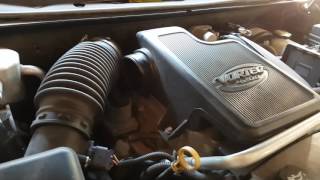
How to confirm: Remove the air intake hose from the throttle body and visually inspect the throttle plate and bore for a thick, black, sticky layer of carbon. The buildup is often heaviest on the back of the plate and the bore where it seats.
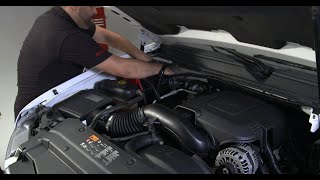
Typical fix: Remove the four bolts holding the throttle body. Unplug the connector. Clean it thoroughly off the vehicle using specialized throttle body cleaner and a soft cloth or non-abrasive brush. 🎬 Watch: A step-by-step guide to cleaning your GMT360 throttle body. Pay special attention to the edges of the throttle plate and the bore. Reinstall with a new gasket and perform the idle relearn procedure.
Est. part cost: $5-$15 - Failed Idle Relearn Procedure 🟡 Medium Probability Anytime the battery is disconnected, codes are cleared, or the throttle body is cleaned or replaced, the ECM's learned values are wiped. The ECM must then relearn the new, clean idle position. If this procedure isn't performed correctly or is interrupted, code P2176 will set immediately.
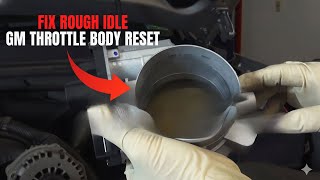
How to confirm: Attempt the manual throttle relearn procedure. If the code clears and idle quality improves, this was the issue. A scan tool is not always required. 🎬 See how to manually reset and relearn your throttle position.
Typical fix: Perform the specific GM idle relearn procedure. A common method is: 1) Turn ignition ON (engine off) for 3 seconds. 2) Press and release the accelerator pedal 5 times in 5 seconds. 3) Wait 7 seconds. 4) Press and hold the pedal for ~20 seconds until the Check Engine Light stops flashing and stays solid. 5) Release the pedal, start the engine, and let it idle for 3 minutes.
Est. part cost: $0 - Faulty Throttle Body Assembly ⚪ Low Probability → Shop Fuel Injection Throttle Body The internal electric motor or the integrated Throttle Position Sensor (TPS) can fail electronically over time, especially on high-mileage vehicles as noted in TSB PIP4578B. This is less common than a simple cleaning being required.
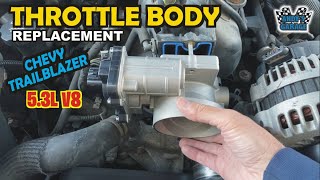
How to confirm: If a thorough cleaning and multiple, correct relearn attempts do not clear the code, the unit itself is the likely culprit. 🎬 Watch this walkthrough on how to replace the throttle body assembly. A bidirectional scan tool can command the throttle plate to move and check for a proper response; a lack of response or erratic readings confirms failure.
Typical fix: Replace the entire throttle body assembly with a new or remanufactured unit. Always use a new gasket and perform the idle relearn procedure after installation.
Est. part cost: $100-$300
Rare But Worth Checking
- Wiring or Connector Issue: The wiring harness or connector at the throttle body can become corroded, loose, or damaged from engine vibration and heat, causing an intermittent signal. Check for chafed wires where the harness might rub against brackets or the engine.
- Low Battery Voltage: A weak or failing battery can cause various electronic modules, including the ECM, to behave erratically and may trigger this code during startup. TSB PIP4573B specifically mentions to test the battery as low voltage can affect throttle plate operation in the cold.
- Frozen Moisture in Throttle Body (Extreme Cold): → Shop Fuel Injection Throttle Body TSB PIP4573B notes that in very cold temperatures (approx. -10°F / -23°C), moisture from the PCV system can freeze inside the throttle body, preventing the plate from closing properly at startup and triggering P2176. The fix involves cleaning the ice/sludge out.
Diagnosis Steps
- Check for other stored DTCs. Codes like P1516, P2101, and P2119 strongly point to the throttle body assembly itself.
- Inspect the wiring harness and connector at the throttle body. Look for any signs of damage, corrosion, loose pins, or chafing against other components.
- Remove the air intake duct and visually inspect the throttle body bore and plate for heavy carbon buildup. This is the most likely cause.
- If significant carbon is present, remove the throttle body (typically 4 bolts). Clean it thoroughly off the vehicle using throttle body cleaner and a soft brush/cloth. Do not use harsh abrasives. Gently move the plate to clean behind it.
- Reinstall the clean throttle body with a new gasket to prevent vacuum leaks.
- Perform the specific GM Idle Relearn procedure. There are several methods; a common one involves a sequence of key cycles and pedal presses. Another involves letting the engine idle for 3 minutes, turning it off for 60 seconds, and idling for another 3 minutes.
- Clear the codes with a scan tool and start the engine. Let it idle for several minutes to confirm the idle stabilizes and the code does not return.
- If the code returns after a verified cleaning and successful relearn procedure, the throttle body assembly's internal electronics are likely faulty and the unit requires replacement.
Parts You'll Likely Need
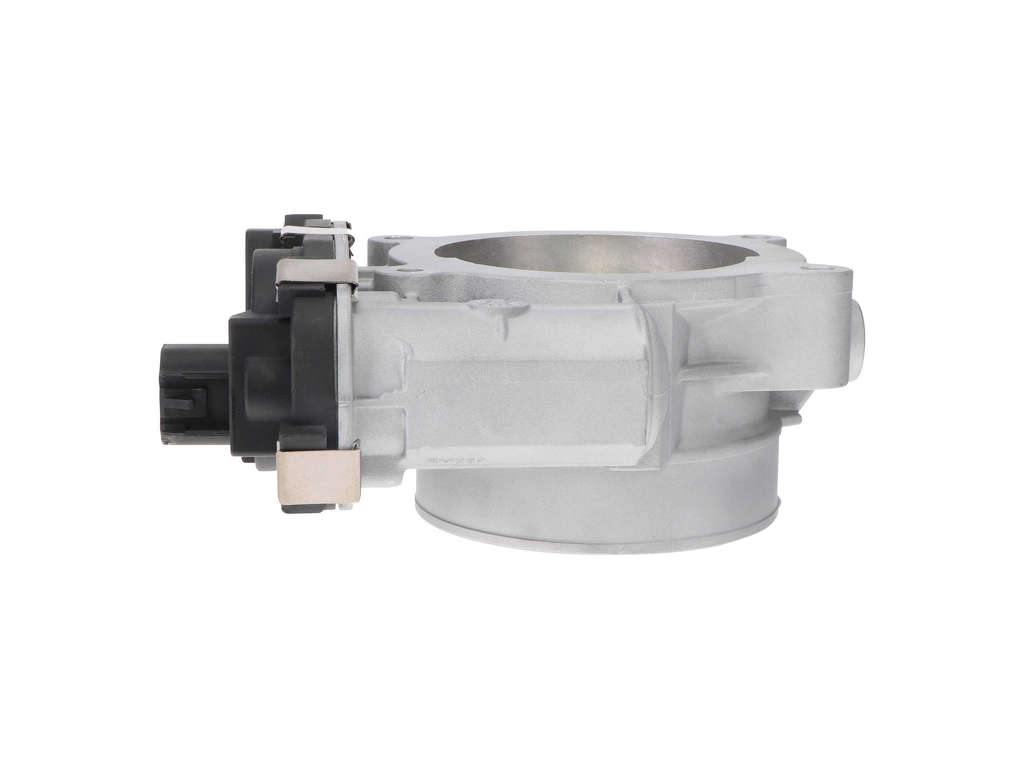
- Throttle Body Assembly
(OEM #ACDelco 217-3108 (GM 12694872) for 4.2L I6; ACDelco 217-3428 (GM 12679524) for 5.3L V8 & 6.0L V8)— If cleaning the original unit and performing a relearn doesn't resolve the code, the internal electronics have likely failed, requiring a full replacement.
Trusted brands: ACDelco, Bosch, Hitachi, Cardone (reman)
OEM price range: $200-$350
Aftermarket price range: $85-$250 - Throttle Body Cleaner — This is the primary tool for the most common fix: removing carbon buildup that causes the throttle plate to stick.
Trusted brands: CRC, Gumout, Berryman
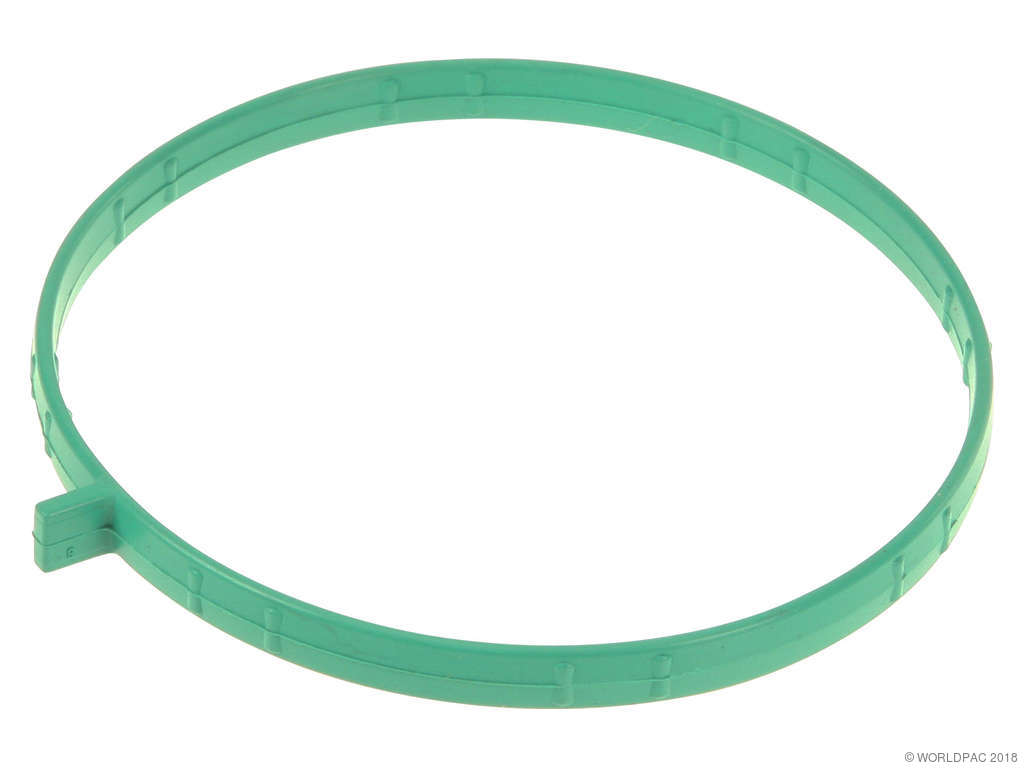
Aftermarket price range: $5-$15 - Throttle Body Gasket
(OEM #Included with most new throttle bodies, but can be purchased separately. e.g., Fel-Pro 61423 for 4.2L.)— The gasket should always be replaced when the throttle body is removed to prevent performance-robbing vacuum l
Related Codes That Often Appear With This One
- P1516 — This is a manufacturer-specific code for Throttle Actuator Control (TAC) Module Performance. It often appears with P2176 because if the throttle can't learn its position, its performance is compromised.
- P2101 — This code means Throttle Actuator Control Motor Circuit Range/Performance. It indicates a problem with the motor that moves the throttle plate, which is a direct cause for P2176.
- P2119 — This code indicates an issue with the Throttle Closed Position Performance. It is directly related to P2176, as the failure to learn the idle (closed) position is the root cause.
- P0068 — This code indicates a MAP/MAF - Throttle Position Correlation error. If the throttle plate is stuck open due to carbon, the amount of air entering the engine (measured by the MAP/MAF) won't match what the ECM expects for a given throttle position, triggering this code alongside P2176.
- P0506 / P0507 — These codes for 'Idle Air Control System RPM Lower/Higher Than Expected' can appear after cleaning a throttle body if the idle relearn is not performed, as the ECM is still commanding the throttle based on the old, dirty values.
Technical Service Bulletins (TSBs) & Recalls
- PIP4578B: Addresses idle surge, reduced power, and several TAC-related DTCs including P2176 on high-mileage vehicles, confirming carbon buildup as the cause and mandating an idle learn reset after cleaning.
- PIP4573B: Notes that P2176 can set in very cold temperatures due to frozen moisture from the PCV system inside the throttle body, potentially along with oil leaks from hardened seals caused by excessive crankcase pressure.
Platform-Specific Known Issues
- TSB #PIP4578B: Explicitly links P2176 with idle surge and Reduced Engine Power mode on high-mileage vehicles due to carbon buildup. It stresses that cleaning must be followed by an idle learn reset with a scan tool, or the problem may return with new codes like P0506/P0507.
- TSB #PIP4573B: Notes that this code, along with P1516 and P2101, can be triggered by very cold ambient temperatures (around -10°F / -23°C). This is caused by moisture from the PCV system freezing in the throttle body or on the plate, preventing it from closing properly on a cold start.
- Owner Experience: Many owners on forums like GMTNation and Trailvoy report successfully fixing P2176 simply by removing and deep-cleaning the throttle body, replacing the gasket, and performing the manual relearn procedure without needing a scan tool.
Mechanic-Grade Diagnostic Values
- Throttle Position Sensor (TPS) Percentage at Idle — expected: 3-9%. Failure: A reading of 10% or higher, such as 16%, at idle strongly indicates the throttle plate is being held open by carbon buildup.
- Throttle Position Sensor (TPS) Voltage at Closed Throttle — expected: Approximately 0.35V - 0.8V.. Failure: Voltage significantly outside this range, or a reading that is not stable, points to a sensor or wiring issue.
- Throttle Position Sensor (TPS) Voltage at Wide-Open Throttle (WOT) — expected: Approximately 4.5V.. Failure: A reading significantly lower than 4.5V at WOT indicates a faulty sensor or a mechanical obstruction preventing full travel.
- TPS 5V Reference Voltage (Key On, Engine Off) — expected: A steady 5V signal should be present at the reference wire for both TPS sensors (e.g., Pin G and Pin B on the 4.2L).. Failure: Absence of the 5V reference voltage points to a wiring problem or a fault in the PCM.
- TPS2 Resistance Sweep (4.2L I6) — expected: Resistance should change smoothly from approximately 2.4 kOhms at closed throttle to 1.0 kOhms at wide-open throttle.. Failure: Jumps, spikes, or dropouts in the resistance reading as the throttle plate is manually moved indicate a worn internal sensor track.
Scan Tool Commands That Help
- GM Tech2 / Snap-on Solus Pro (or similar): Idle Learn Reset / Module Setup -> Idle Relearn Reset — This function is critical after cleaning or replacing the throttle body. It forces the ECM to erase the old learned values for the dirty throttle and find the new, correct closed-throttle position. Failing to perform this reset is a primary cause for P2176 appearing immediately after service.
- GM Tech2 / GDS2 (or similar bidirectional scanner): Throttle Actuator Control (TAC) Test — This allows a technician to command the throttle plate to specific angles (e.g., 10%, 25%, 50%) and observe if the actual TPS data matches the command. A failure to respond or an incorrect response confirms a faulty throttle body motor or binding plate.
Wiring & Ground Locations
- Throttle Body Connector (4.2L) — The 8-pin electrical connector on the throttle body assembly.. This is the single point of failure for all signals to and from the throttle body, including the motor control (Pins E and F) and the dual TPS sensors. Corrosion or damage here will directly cause P2176 and related codes.
- G101 — At the front of the engine, on the lower block.. This is a primary ground for the Engine Control Module (ECM). A poor connection here can cause erratic ECM behavior and a host of seemingly unrelated codes, including throttle control faults.
- G102 — At the left rear of the engine.. This ground is for the ignition coils. While not directly related to the throttle body, severe electrical noise from a bad ground can sometimes interfere with sensitive sensor readings.
- G107 — On the driver's side of the engine block, midway back and below the EVAP Purge Solenoid.. This is another critical engine block ground. A loose or corroded connection here can lead to intermittent voltage drops affecting the throttle actuator motor and sensors.
Real Owner Repair Stories
- GMTNation forum user 'DirtinLa' (2006 Chevrolet Trailblazer 4.2L) — Consistently getting code P1516 (often seen with P2176) after a tune-up, with no noticeable performance issues.
❌ Tried (didn't work) Full tune-up, Thoroughly cleaning the throttle body, Applying dielectric grease to connectors, Performing an idle relearn procedure, Checking for shorts and verifying ground integrity, Verifying good battery voltage
✅ What actually fixed it Replacing the entire throttle body assembly. Despite the original part appearing clean and passing visual checks, it was internally faulty.
OEM Part Supersession History
12570800→19420713— Standard part lifecycle update by GM. This part number is common for the V8 engines (5.3L, 6.0L) in the GMT360 family.12572658→12679524— Standard part lifecycle update by GM for V8 models.
Model Year Variations Within This Range
- 2002-2005 vs 2006-2007 (4.2L I6): The wiring diagrams for the Throttle Actuator Control (TAC) system are different between these year groups. While the throttle body connector pinout appears to be the same, a technician must use the correct year-specific diagram for accurate electrical diagnosis.
- 2008-2009: A new 'Aero' trim was introduced with a 390-hp 6.0L V8 (LS2), which uses a different throttle body than the 4.2L I6 and 5.3L V8 models. Additionally, the 5.3L V8 gained Displacement on Demand (Active Fuel Management) technology in 2008, which may have involved software changes in the ECM.
Helpful Videos
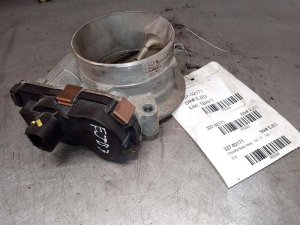
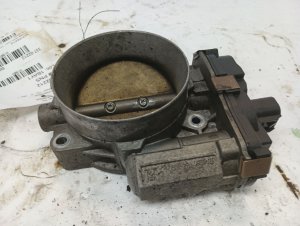
Used OEM Parts in Stock
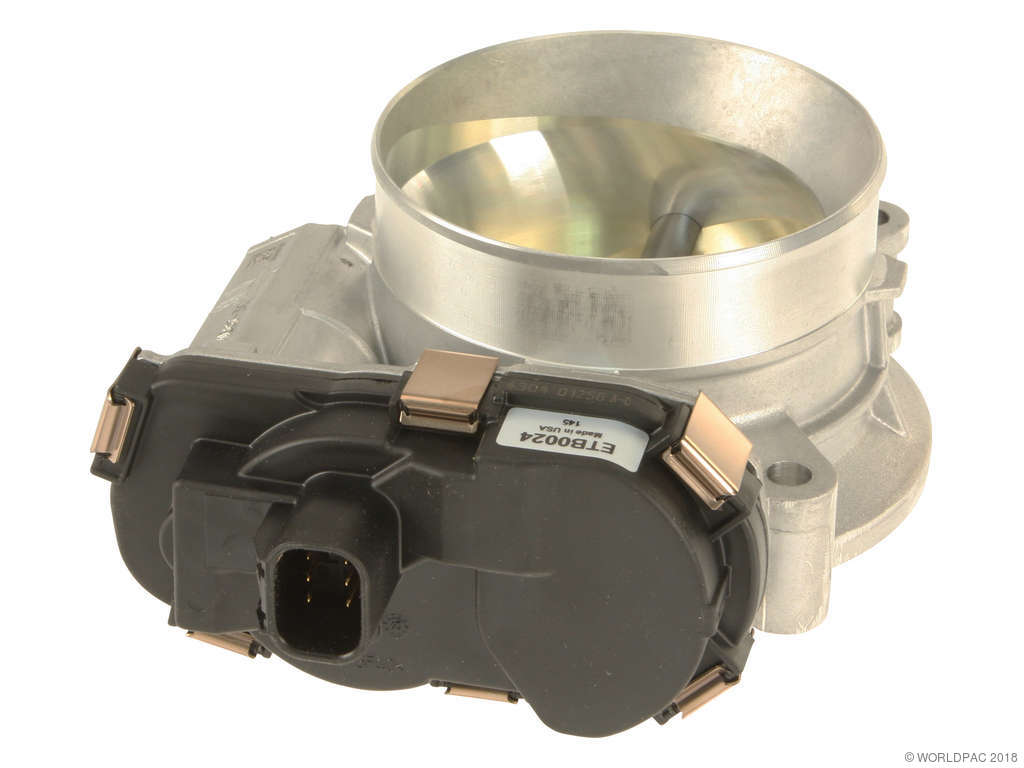
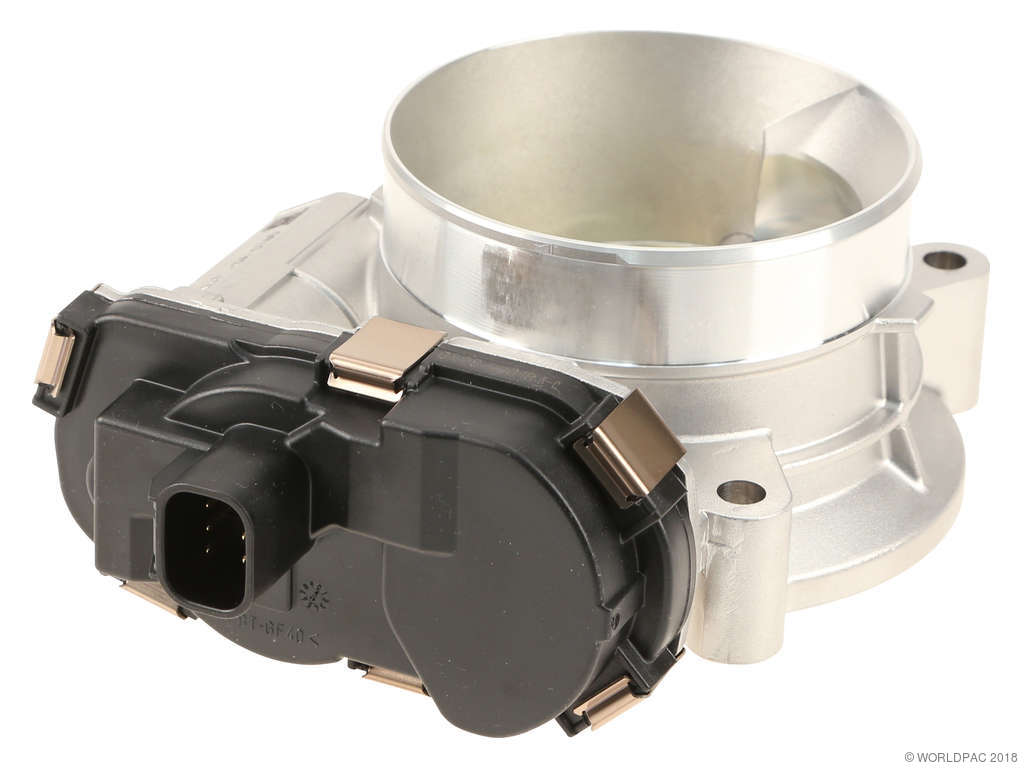
New Aftermarket Parts Available



The information in this article is provided for general reference and educational purposes only. Vehicle specifications, procedures, and part compatibility can vary by production date, trim level, and region. Always consult your vehicle's factory service manual and verify part numbers before purchasing or performing repairs. Safety-critical components such as airbags, seat belts, and braking systems should be installed by a qualified professional.
- Saab 9-7X:
- 🧭 Diagnostic Flowchart
- 🎬 Helpful Videos
- 🛍️ Shop This Part
- What's Unique About the 2005-2009 Saab 9-7X
- Symptoms You May Notice
- Most Likely Causes
- Rare But Worth Checking
- Diagnosis Steps
- Parts You'll Likely Need
- Related Codes That Often Appear With This One
- Technical Service Bulletins (TSBs) & Recalls
- Platform-Specific Known Issues
- Mechanic-Grade Diagnostic Values
- Scan Tool Commands That Help
- Wiring & Ground Locations
- Real Owner Repair Stories
- OEM Part Supersession History
- Model Year Variations Within This Range
- 🎟️ Get 5% Off