

P2181 on 2013-2015 Cadillac ATS: Cooling System Performance Causes and Fixes
On a 2013-2015 ATS, code P2181 is most often caused by a faulty thermostat or a specific issue with the coolant water outlet. A GM Technical Service Bulletin (TSB) points to debris or plastic flashing inside the water outlet assembly, which requires inspection and replacement. Other causes include a stuck thermostat, low coolant, or a faulty ECT sensor.
- For the 2013-2015 ATS, P2181 is not just a generic cooling system code; it's specifically linked to a known issue in GM TSB #PIP5300.
- The most probable cause, especially if you also have poor heat, is debris blocking the coolant water outlet assembly. This should be inspected before any parts are replaced.
- Before assuming a bad thermostat, inspect the water outlet as per the TSB, as this is a cheaper and more targeted repair.
- If the thermostat does need replacement, be aware that it is a difficult and labor-intensive job on this vehicle due to its location against the firewall.
- Always check for the presence of code P00B7, as it strongly points towards the coolant flow restriction mentioned in the TSB.
- This issue is not unique to the ATS; it also affects the Chevy Malibu, Buick Regal, and Cadillac CTS with the same engines.
What's Unique About the 2013-2015 Cadillac ATS
Unlike a simple stuck thermostat or bad sensor that can affect any car, the 2013-2015 Cadillac ATS with the 2.0L and 2.5L engines is subject to a specific manufacturing issue. General Motors issued Technical Service Bulletin #PIP5300 which identifies plastic flashing or debris inside the coolant water outlet assembly as a primary cause for this code. This blockage restricts coolant flow, preventing the thermostat from closing properly and leading to the performance issue detected by the ECM. This issue is also common on platform mates like the Chevy Malibu and Buick Regal.
Diagnostic Flowchart
Tap your situation to follow the diagnostic path that matches what you're seeing on this vehicle.
Symptoms You May Notice
- Check Engine Light is on
- Engine temperature gauge reads lower than normal or fluctuates wildly.
- Poor heater performance or no heat from the vents.
- "AC off" message appearing on the driver information center.
- Reduced fuel economy.
- Engine overheating (less common, but possible).
- Cooling fans running constantly at high speed, even when the engine is cold, as a fail-safe measure.
- Replacing the ECT sensor when the thermostat is actually the problem, or when the water outlet is clogged.
- Replacing the thermostat without first checking for the water outlet obstruction issue described in TSB #PIP5300, which is the most vehicle-specific cause.
Most Likely Causes
- Debris or Flashing in Coolant Water Outlet Assembly 🔴 High Probability → Shop Engine Coolant / Antifreeze A known manufacturing defect documented in GM TSB #PIP5300 affects the 2.0L and 2.5L engines. Plastic flashing from the molding process can break loose and obstruct coolant flow, often lodging in the thermostat or heater core passages.
How to confirm: Visually inspect the inside of the water outlet assembly (located on the rear of the cylinder head, by the firewall) and the connected heater hoses for plastic debris or blockages. This is the first check to perform before replacing any parts.
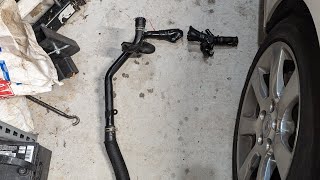
Typical fix: Replace the water outlet assembly and flush any debris from the heater hoses and heater core. GM's recommendation is to replace the assembly, not just clean it. 🎬 Watch: How to replace the water outlet and radiator hose.
Est. part cost: $40-$100 - Stuck-Open Thermostat 🟡 Medium Probability → Shop Integrated Thermostat Housing Assembly Standard wear and tear can cause the thermostat to fail in the open position. This is a common failure on many vehicles, but on the ATS it should be considered only after inspecting for the TSB-related debris issue.
How to confirm: Monitor the ECT sensor data on a scan tool. If the engine warms up very slowly and never reaches full operating temperature (approx. 195-220°F), the thermostat is likely stuck open. The upper radiator hose will also feel cool or lukewarm when the engine should be hot.
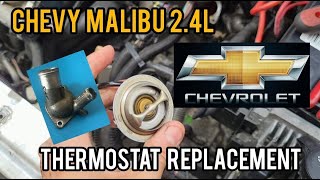
Typical fix: Replace the engine coolant thermostat and housing assembly. Due to its location on the rear of the engine block against the firewall, this is a labor-intensive job on the ATS, often requiring removal of the exhaust manifold heat shield.
Est. part cost: $40-$120 - Low Engine Coolant 🟡 Medium Probability → Shop Engine Coolant / Antifreeze
How to confirm: Visually check the coolant level in the coolant reservoir when the engine is cold. If it is below the 'MIN' or 'COLD FULL' line, there is a leak in the system that needs to be found and repaired. A pressure test is the most effective way to find a leak.
Typical fix: Find and repair the source of the coolant leak (e.g., cracked hose, loose clamp, bad water pump, or cracked radiator) and then refill the system with the correct type of coolant (GM DEX-COOL).
Est. part cost: $10-$500+ - Faulty Engine Coolant Temperature (ECT) Sensor ⚪ Low Probability → Shop Engine Coolant Temperature Sensor
How to confirm: Use a scan tool to compare the ECT sensor reading to another temperature sensor (like the intake air temp sensor) on a cold engine; they should be very close. The reading should rise smoothly as the engine warms up. An erratic or illogical reading indicates a bad sensor.
Typical fix: Replace the ECT sensor and check the wiring connector for corrosion or damage. The sensor is located on the cylinder head. 🎬 See this walkthrough for replacing the coolant temperature sensor.
Est. part cost: $20-$60
Rare But Worth Checking
- Leaking ECT Sensor causing ECM damage: → Shop Engine Coolant Temperature Sensor
Diagnosis Steps
- Check the engine coolant level in the reservoir and top off if necessary. Note any signs of leaks.
- Connect an OBD-II scanner to check for other accompanying trouble codes, such as P00B7 or P0128.
- Monitor the live data from the Engine Coolant Temperature (ECT) sensor. Observe if the temperature rises steadily to operating temperature (around 200°F or 93°C) and remains stable.
- If the engine warms up too slowly or not at all, this confirms the 'Cooling System Performance' issue.
- Following TSB #PIP5300, gain access to the coolant water outlet assembly on the rear of the cylinder head. This should be the first component inspected due to the known issue.
- Remove the assembly and carefully inspect it and the connected hoses for any plastic flashing or debris that could cause a restriction.
- If debris is found, replace the water outlet assembly and flush the connected hoses. If no debris is found, proceed with testing the thermostat.
- If the thermostat and water outlet are confirmed to be good, test the ECT sensor's accuracy by comparing its reading to a known good temperature source. Also inspect its connector for corrosion or coolant intrusion.
Parts You'll Likely Need
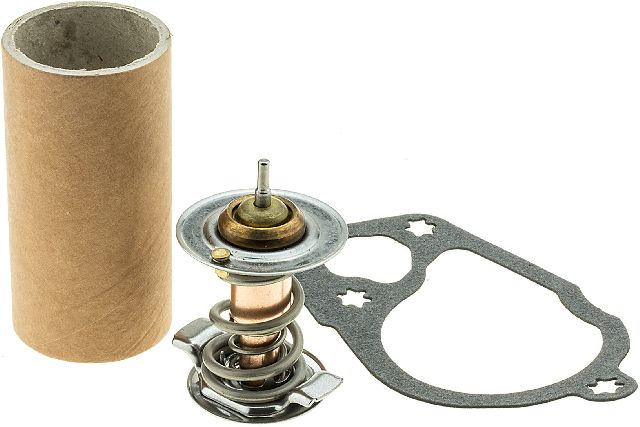
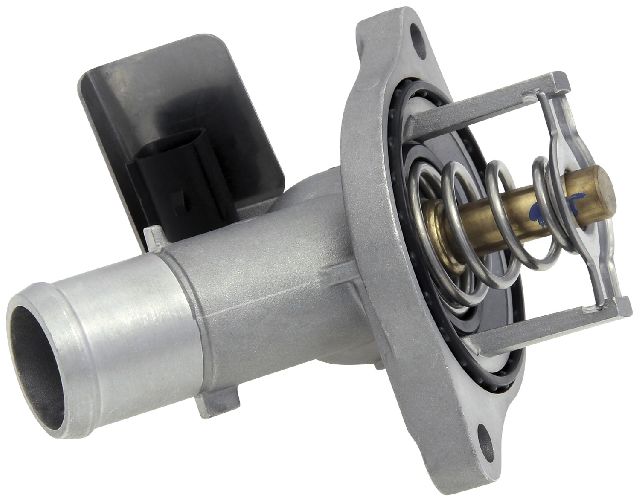
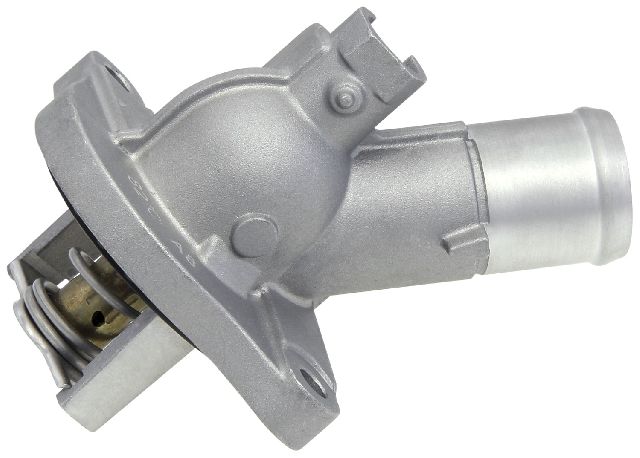
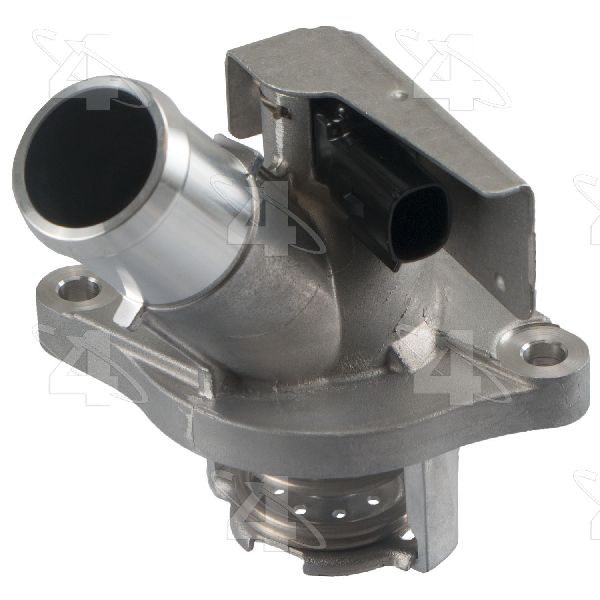
- Engine Coolant Thermostat / Water Outlet Assembly
(OEM #25201450 (supersedes 12651600))— This is the most likely component to fail, either by sticking open or, on this specific vehicle, by being obstructed by debris as noted in TSB #PIP5300. The original part 12651600 has been superseded.
Trusted brands: ACDelco (GM Genuine), Gates, Motorad
OEM price range: $80-$150
Aftermarket price range: $50-$90 - Engine Coolant Temperature (ECT) Sensor
(OEM #12635755)— Though less common, a faulty ECT sensor can provide inaccurate readings to the ECM, triggering the P2181 code. It can also leak coolant into the wiring harness, causing further issues.
Trusted brands: ACDelco, Bosch, Standard Motor Products
OEM price range: $30-$60
Aftermarket price range: $20-$40
Related Codes That Often Appear With This One
- P00B7 — This code for 'Engine Coolant Flow Insufficient' is often triggered for the same reason as P2181, specifically the blockage mentioned in TSB #PIP5300. Seeing both codes together is a very strong indicator of the debris issue.
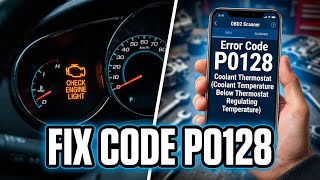
- P0128 — This code for 'Coolant Temperature Below Thermostat Regulating Temperature' is a more direct indicator of a stuck-open thermostat or an engine that is not warming up properly, which is the primary condition that triggers P2181. 🎬 Watch: A helpful guide to fixing the P0128 coolant code.
Technical Service Bulletins (TSBs) & Recalls
- Bulletin #PIP5300: Addresses complaints of overheating, poor heater performance, and an 'AC off' message with DTC P00B7 and/or P2181. Instructs technicians to inspect the water outlet assembly for flashing or debris. This TSB applies to the 2013-15 ATS, 2014-15 Regal, 2014-15 CTS, 2013-15 Malibu, and 2014-15 Impala with 2.0L or 2.5L engines.
Platform-Specific Known Issues
- TSB #PIP5300 documents an issue where plastic flashing or debris can clog the coolant water outlet assembly on 2.0L and 2.5L engines, causing poor heater performance, an 'AC off' message, and triggering codes P2181 and/or P00B7.
Mechanic-Grade Diagnostic Values
- Engine Coolant Temperature (ECT) Sensor Resistance — expected: Approximately 2000-3000 Ω at 20°C (68°F), decreasing to 200-300 Ω at 90°C (194°F).. Failure: Readings that are infinite (open circuit) or near zero (short circuit), or that do not correspond with the actual coolant temperature, indicate a faulty sensor.
- ECT Sensor Voltage (Signal) — expected: Should be between 2.0V and 3.0V on a cold engine (20°C/68°F) and drop to around 0.5V when the engine is at full operating temperature.. Failure: Voltage that is stuck high (near 5V) or low (near 0V) regardless of temperature, or voltage that does not change smoothly as the engine warms up.
- Thermostat Performance Test (GM Procedure) — expected: With the engine cold, run at 3000 RPM. The engine coolant temperature should reach 195°F (90°C) within 5 minutes.. Failure: If the temperature does not reach 195°F within the 5-minute window, it indicates the thermostat is likely stuck open and requires replacement.
Scan Tool Commands That Help
- Tech 2 / GDS2: Engine Coolant Thermostat Heater Command — On models equipped with a heated thermostat, a technician can command the heater to 0% to test the base mechanical function of the thermostat, which is relevant for the P2181 diagnostic procedure outlined in some GM documents.
Wiring & Ground Locations
- G104 — On 2.0L/2.5L engines, this ground is located on the lower rear of the cylinder head. For early 2013 models (pre-mid-December 2012), it was located at the front of the engine.. This is a primary engine ground. A poor connection here can cause erratic sensor readings and communication issues with the ECM, potentially contributing to incorrect temperature data.
- G110 — Located on the upper rear of the cylinder head for 2.0L/2.5L engines.. This ground is for several components, including ignition coils and sensors. A loose or corroded connection can introduce electrical noise that may affect the ECT sensor circuit or ECM operation.
- ECT Sensor Connector — At the ECT sensor, located on the rear of the cylinder head near the firewall.. This connector is the primary interface for the sensor. It should be inspected for corrosion, moisture (from a leaking sensor), or spread terminals which would cause an unreliable signal to the ECM.
Real Owner Repair Stories
- Reddit user in r/Cadillac (2014 Cadillac ATS) — P00B7 code (often seen with P2181), coolant temperature needle jumping all over the place.
❌ Tried (didn't work) Replaced the coolant thermostat.
✅ What actually fixed it The user was in the process of bleeding air from the system. The resolution implies that an incomplete bleeding procedure after the thermostat replacement was the cause of the continued symptoms. Proper bleeding to remove all air pockets is critical.
OEM Part Supersession History
12651600→25201450— The original water outlet/thermostat housing assembly was prone to issues, including the debris/flashing problem noted in TSB PIP5300. The new part number is the updated replacement. Multiple GM parts sites confirm this supersession.
Model Year Variations Within This Range
- 2013 (early production): On 4-cylinder automatic models built before mid-December 2012, the G104 engine ground was located at the front of the engine. Later models have it at the rear of the engine. This is critical to know for diagnosing potential ground issues.
Helpful Videos
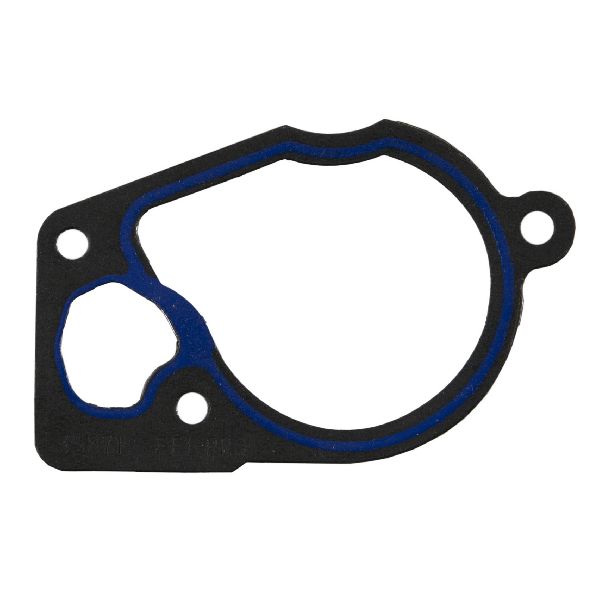
We Have This Part in Stock


The information in this article is provided for general reference and educational purposes only. Vehicle specifications, procedures, and part compatibility can vary by production date, trim level, and region. Always consult your vehicle's factory service manual and verify part numbers before purchasing or performing repairs. Safety-critical components such as airbags, seat belts, and braking systems should be installed by a qualified professional.
- Cadillac ATS:
- 🧭 Diagnostic Flowchart
- 🎬 Helpful Videos
- 🛍️ Shop This Part
- What's Unique About the 2013-2015 Cadillac ATS
- Symptoms You May Notice
- Most Likely Causes
- Rare But Worth Checking
- Diagnosis Steps
- Parts You'll Likely Need
- Related Codes That Often Appear With This One
- Technical Service Bulletins (TSBs) & Recalls
- Platform-Specific Known Issues
- Mechanic-Grade Diagnostic Values
- Scan Tool Commands That Help
- Wiring & Ground Locations
- Real Owner Repair Stories
- OEM Part Supersession History
- Model Year Variations Within This Range
- 🎟️ Get 5% Off