

P2181 on 2010-2013 Chevrolet Express: Cooling System Performance Causes and Fixes
On a 2010-2013 Chevy Express, code P2181 usually means the thermostat is stuck open or there's an issue with the rear heater hoses. A new thermostat is the most common fix, costing around $25-$60 for the part. Always check the rear heater hose routing first as per GM Technical Service Bulletin #PIP4775B, especially on vans with rear heat.
- P2181 means your van's engine isn't warming up as fast as the computer expects.
- The most likely cause is a thermostat that is stuck open, a very common failure item.
- For Express vans with rear A/C and heat, the first thing to check is the heater hose connections under the vehicle; they may be reversed, which is a known issue covered by TSB #PIP4775B.
- Other potential causes include low coolant or a bad coolant temperature sensor.
- This is a DIY-friendly repair for those with basic tools, but accessing the thermostat requires removing the air intake and fan shroud.
What's Unique About the 2010-2013 Chevrolet EXPRESS
The Chevrolet Express, particularly models equipped with a rear heating system (RPO ENC), has a unique potential cause for this code. A General Motors Technical Service Bulletin (TSB #PIP4775B) specifically points to the rear heater hoses being installed incorrectly, causing a coolant flow issue that prevents the engine from warming up properly. This is a platform-specific issue that mechanics might overlook if they only focus on common causes like the thermostat.
Diagnostic Flowchart
Tap your situation to follow the diagnostic path that matches what you're seeing on this vehicle.
Symptoms You May Notice
- Check Engine Light is on
- Engine temperature gauge reads lower than normal, often staying around the 1/4 mark
- Cabin heater blows cool or lukewarm air, especially when the rear heater is on
- Decreased fuel economy
- In some cases, the engine cooling fans may run continuously at high speed as a fail-safe measure
- Replacing the Engine Coolant Temperature (ECT) sensor when the thermostat is the actual cause. It's crucial to diagnose the thermostat's function by monitoring warm-up data before replacing sensors.
- Overlooking the reversed rear heater hoses on vans equipped with rear HVAC. This is a specific, documented issue for these vans and should be one of the first checks.
Most Likely Causes
- Thermostat stuck open 🔴 High Probability → Shop Integrated Thermostat Housing Assembly Thermostats are a common wear item designed to fail in the open position to prevent overheating. On the Express, this allows coolant to circulate constantly through the large radiator, significantly slowing engine warm-up, especially in colder weather.
How to confirm: Monitor the engine coolant temperature on a scan tool during warm-up. If the temperature rises very slowly and struggles to reach the typical 187°F-195°F operating range, the thermostat is likely stuck open. You can also feel the upper radiator hose after a cold start; it should remain cool for several minutes and then get hot suddenly. If it warms up gradually along with the engine, the thermostat is open.
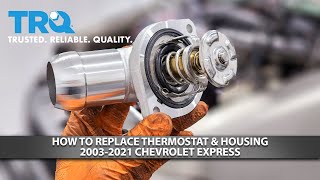
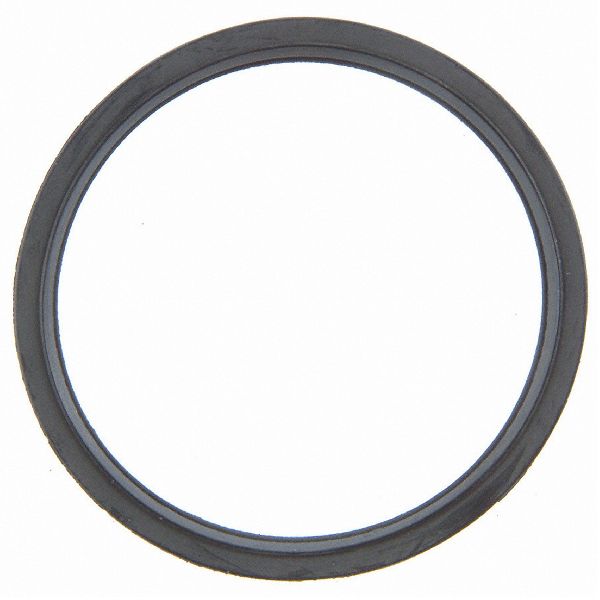
Typical fix: Replace the thermostat and its gasket/seal. 🎬 Watch: Step-by-step guide to replacing the thermostat and housing It is highly recommended to use an OEM ACDelco part to ensure the correct opening temperature.
Est. part cost: $25-$60 - Incorrectly installed rear heater hoses 🟡 Medium Probability As per TSB #PIP4775B, Express and Savana vans with rear heat provisions can have their supply and return heater hoses reversed at the factory or during service. This alters coolant flow in a way that overcools the engine coolant temperature sensor, triggering a P2181 code shortly after a cold start, especially if the rear heat is turned on high.
How to confirm: Visually inspect the rear heater pipe connections under the vehicle. According to the TSB, the shorter, inboard pipe is the supply (hot from engine), and the longer, outboard pipe is the return (coolant back to engine). Ensure the hoses are connected to the correct pipes.
Typical fix: Correct the hose connections to match the manufacturer's specification. No parts are required.
Est. part cost: $0 - Low engine coolant level 🟡 Medium Probability → Shop Engine Coolant / Antifreeze Leaks can develop over time in the numerous hoses (especially on rear heat models), the radiator, water pump, or plastic fittings. A low coolant level can cause air pockets in the system, leading to erratic temperature readings at the ECT sensor.
How to confirm: Visually check the coolant level in the coolant reservoir when the engine is cold. If it is low, there is a leak in the system that must be found and repaired. Look for puddles under the van or the sweet smell of antifreeze.
Typical fix: Find and repair the source of the coolant leak, then refill and bleed the cooling system using DEX-COOL specified coolant.
Est. part cost: $10-$500+ depending on the source of the leak - Faulty Engine Coolant Temperature (ECT) Sensor ⚪ Low Probability → Shop Engine Coolant Temperature Sensor While less common than a thermostat failure, the ECT sensor can fail and send inaccurate readings to the ECM. On the Express V8s, it is located on the driver's side cylinder head, making it susceptible to heat and vibration over time.
How to confirm: Use a scan tool to compare the ECT sensor reading to the ambient air temperature sensor reading on a cold engine. They should be very close (within a few degrees). If the ECT reading is illogical (e.g., -40°F or 250°F on a cold engine), the sensor or its wiring is likely bad.
Typical fix: Replace the ECT sensor. The sensor is relatively easy to access through the driver's side wheel well.
Est. part cost: $20-$50
Rare But Worth Checking
- Cooling fan clutch engaged permanently: If the mechanical cooling fan clutch fails in the engaged position, it will run at full speed all the time. This can over-cool the engine, especially in cold weather or during highway driving, preventing it from reaching operating temperature and potentially setting a P2181.
- Debris in coolant water outlet: → Shop Engine Coolant / Antifreeze GM bulletin PIC5764A (for other models but relevant) notes that plastic flashing or debris in the water outlet housing can cause poor heater performance and set a P2181 code. This could be a possibility if other, more common causes have been ruled out.
Diagnosis Steps
- Check for other Diagnostic Trouble Codes (DTCs) with a scan tool. A P0128 strongly suggests a thermostat issue.
- With the engine cold, check the coolant level in the reservoir and radiator. Top off if necessary with a 50/50 mix of DEX-COOL and distilled water.
- If the vehicle is equipped with rear heat, inspect the rear heater hose connections under the vehicle. Confirm the shorter, inboard pipe is the supply and the longer, outboard pipe is the return, per TSB #PIP4775B.
- Connect a scan tool and monitor the Engine Coolant Temperature (ECT) data. Start the cold engine and watch the temperature rise. It should climb steadily to around 187°F-195°F and then stabilize.
- If the temperature rises very slowly, plateaus at a low temperature (e.g., 160-170°F), or drops significantly at highway speed, the thermostat is most likely stuck open and needs replacement.
- If the temperature reading on the scan tool is erratic or clearly incorrect from the start (e.g., -40°F), suspect a faulty ECT sensor or wiring. Compare ECT, IAT, and Ambient Air Temp sensor readings on a cold engine; they should be nearly identical.
- If the coolant level was low, perform a cooling system pressure test to find the source of the leak.
- As a final check, ask the driver if the code appeared after a cold start while the rear heater was running on high, as this behavior is specifically mentioned in the TSB as a contributing factor.
Parts You'll Likely Need
- Engine Coolant Thermostat
(OEM #89018168)— This is the most frequent cause of the engine failing to warm up properly. The OEM thermostat is rated for 187°F. This part number supersedes 12587396 and 89017851.
Trusted brands: ACDelco (OEM), Gates, Stant, MotoRad
OEM price range: $40-$60
Aftermarket price range: $25-$45 - Engine Coolant Temperature (ECT) Sensor
(OEM #12608814 (ACDelco #213-4514))— Though less common, a faulty sensor can send incorrect data to the computer, triggering the code even if the temperature is normal.
Trusted brands: ACDelco (OEM), Bosch, Delphi, NTK
OEM price range: $30-$50
Aftermarket price range: $15-$30
Related Codes That Often Appear With This One
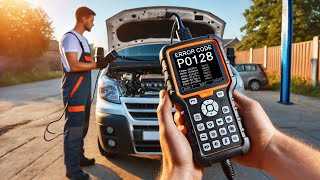
- P0128 - Coolant Thermostat (Coolant Temperature Below Thermostat Regulating Temperature): This code is very similar and often points directly to a stuck-open thermostat. 🎬 See how to diagnose P0128 and thermostat issues P2181 is a more general "performance" code that can also be triggered by the rear hose issue.
Technical Service Bulletins (TSBs) & Recalls
- PIP4775B: Addresses a Service Engine Soon light with DTC P2181 on 2010-2013 Express and Savana models with rear heat, instructing technicians to inspect for reversed rear heater hose connections.
Platform-Specific Known Issues
- TSB #PIP4775B: On models with rear heat (RPO ENC), the supply and return heater hoses can be reversed. This causes the P2181 code to set shortly after a cold start. The bulletin advises inspecting the pipe connections (shorter/inboard is supply, longer/outboard is return) and also notes that running the rear heat on high during warm-up can contribute to the code setting.
Mechanic-Grade Diagnostic Values
- ECT Sensor Resistance — expected: Approximately 2,830 Ω at 25°C (77°F). Failure: Significant deviation from the expected resistance at a known temperature.
- ECT Sensor Resistance — expected: Approximately 245 Ω at 90°C (194°F). Failure: Significant deviation from the expected resistance at a known temperature.
- ECT Sensor Signal Wire Voltage (backprobed at sensor) — expected: Ranges from ~2.0-4.5V when cold to ~0.5V when at operating temperature.. Failure: Voltage is stuck, does not change with temperature, reads 5.0V (open circuit), or reads 0V (short to ground).
- ECT Sensor Ground/Low Reference Circuit Resistance — expected: Less than 5.0 Ω when measured between the sensor connector and the ECM connector.. Failure: Resistance above 5.0 Ω indicates a wiring problem (corrosion, break).
Scan Tool Commands That Help
- GDS2 (GM Global Diagnostic System 2): Live Data Graphing / Data List — On a cold start, simultaneously graph Engine Coolant Temp (ECT), Intake Air Temp (IAT), and Ambient Air Temp. All three should read within a few degrees of each other. An ECT reading that is skewed from the other two immediately points to a sensor or circuit issue, rather than a mechanical issue like a thermostat.
Wiring & Ground Locations
- ECT Sensor Connector — On the driver's side cylinder head, near the front-most spark plug, accessible through the driver's side wheel well.. This is the primary connection point for testing the sensor and its circuit. Corrosion or damage here is a common point of failure.
- ECT Signal Wire (Pin A or B) — Typically a Yellow wire, or Light Green on later models, at the ECT sensor connector. This wire runs to a pin on the Engine Control Module (ECM). A 2014 wiring diagram shows it as a Light Green wire at Pin 39 of the ECM connector.. This wire carries the variable voltage signal that the ECM interprets as temperature. An open or short on this wire will cause an incorrect reading and set the code.
- ECT Low Reference Wire (Pin A or B) — Typically a Black or Tan wire at the ECT sensor connector, running back to a dedicated ground pin at the ECM, not the chassis.. This is the sensor's ground reference provided by the ECM. High resistance or an open on this wire will skew the voltage reading and cause a fault code. The sensor is a simple thermistor and is not polarized, so either wire can go to either pin.
OEM Part Supersession History
89017851, 12587396→89018168— Standard part revision and consolidation by the manufacturer.
Heads up: The new part number is a direct replacement for the old ones.15326388, 15369305, 12191170, 25037062→12608814— Standard part revision and consolidation for the ECT sensor across many GM platforms.
Heads up: The new part number (12608814) is the current direct replacement.
Helpful Videos


We Have This Part in Stock


The information in this article is provided for general reference and educational purposes only. Vehicle specifications, procedures, and part compatibility can vary by production date, trim level, and region. Always consult your vehicle's factory service manual and verify part numbers before purchasing or performing repairs. Safety-critical components such as airbags, seat belts, and braking systems should be installed by a qualified professional.
- Chevrolet EXPRESS:
- 🧭 Diagnostic Flowchart
- 🎬 Helpful Videos
- 🛍️ Shop This Part
- What's Unique About the 2010-2013 Chevrolet EXPRESS
- Symptoms You May Notice
- Most Likely Causes
- Rare But Worth Checking
- Diagnosis Steps
- Parts You'll Likely Need
- Related Codes That Often Appear With This One
- Technical Service Bulletins (TSBs) & Recalls
- Platform-Specific Known Issues
- Mechanic-Grade Diagnostic Values
- Scan Tool Commands That Help
- Wiring & Ground Locations
- OEM Part Supersession History
- 🎟️ Get 5% Off