

P2181 on 2014-2015 Chevrolet Impala: Cooling System Performance Causes and Fixes
On a 2014-2015 Impala, code P2181 usually means the engine isn't warming up correctly. The most common cause, cited in GM Technical Service Bulletin #PIP5300, is plastic debris from manufacturing blocking the water outlet assembly. The fix is to inspect and, if debris is found, replace the water outlet assembly, not just clean it.
- P2181 on a 2014-2015 Impala means the engine is running too cool, not overheating.
- The most probable cause is a known issue where plastic debris clogs the water outlet assembly, as documented in TSB #PIP5300.
- Always check for debris in the water outlet before replacing the thermostat.
- This code is often paired with P00B7; seeing both strongly suggests the debris issue.
- Symptoms include poor heat, an 'AC off' message, and the check engine light.
What's Unique About the 2014-2015 Chevrolet IMPALA
The 2014-2015 Impala, particularly with the 2.0L and 2.5L engines, is subject to a specific known issue documented by General Motors. Technical Service Bulletins (TSBs) #PIP5300 and #PIC5764B point to plastic flashing or debris from the manufacturing process breaking loose and clogging the water outlet assembly. This specific, well-documented issue is the most likely cause for P2181 on this vehicle and its platform mates, often more so than a simple failed thermostat.
🎬 Watch: Why you shouldn't swap parts before seeing this diagnostic tip.Diagnostic Flowchart
Tap your situation to follow the diagnostic path that matches what you're seeing on this vehicle.
Symptoms You May Notice
- Check Engine Light is on
- Poor heater performance in the cabin.
- "AC off" message displayed on the driver information center.
- Engine temperature gauge reading lower than normal
- Cooling fans running constantly at high speed
- Reduced fuel economy
- Engine overheating message displayed (less common, but possible).
- Replacing the thermostat without first checking the water outlet assembly for debris. Given the TSBs for this specific vehicle, the debris issue should be investigated first.
Most Likely Causes
- Debris/Flashing in Water Outlet Assembly 🔴 High Probability This is a known manufacturing defect documented in GM Technical Service Bulletins #PIP5300 and #PIC5764B for 2014-2015 Impalas and their platform mates with the 2.0L or 2.5L engines.
How to confirm: Gain access to the water outlet assembly on the rear of the cylinder head. Remove it and visually inspect the assembly and connected hoses for plastic flashing or debris. The TSB also advises checking the upper heater core hose and coolant bypass pipe for an errant black plug.
Typical fix: If debris is found, the official GM procedure is to replace the entire water outlet assembly and ensure the heater hoses are also clear of debris. Cleaning the old part is not the recommended long-term solution.
Est. part cost: $40-$100 - Stuck-Open Thermostat 🟡 Medium Probability → Shop Integrated Thermostat Housing Assembly Thermostats can fail on any vehicle. They are designed to fail in the open position to prevent overheating, which directly causes the engine to warm up too slowly.
How to confirm: Monitor the engine coolant temperature with a scan tool from a cold start. If the temperature rises very slowly and never reaches the normal operating range (approx. 195-220°F), the thermostat is likely stuck open. This is the likely cause if no debris is found in the water outlet.
Typical fix: Replace the engine coolant thermostat and housing assembly. It's recommended to drain and refill the coolant with DEX-COOL at the same time.
Est. part cost: $25-$80 - Low Engine Coolant Level 🟡 Medium Probability → Shop Engine Coolant / Antifreeze
How to confirm: Visually check the coolant level in the coolant reservoir when the engine is cold. The level should be at or above the 'cold fill' line.
Typical fix: Top off the coolant with the correct type (typically DEX-COOL for GM vehicles). If the level drops again, you must find and repair the leak.
Est. part cost: $15-$25 for a gallon of coolant - Faulty Engine Coolant Temperature (ECT) Sensor ⚪ Low Probability → Shop Engine Coolant Temperature Sensor
How to confirm: Using a scan tool, watch the live data from the ECT sensor as the engine warms up. The reading should be smooth and plausible. An erratic or illogical reading (e.g., -40°F on a warm day) indicates a bad sensor or wiring issue.
Typical fix: Replace the ECT sensor. It is often located in the thermostat housing or on the cylinder head.
Est. part cost: $20-$50
Rare But Worth Checking
- Cooling Fan Stuck On: A faulty fan relay or module could cause the cooling fans to run at full speed continuously, even when the engine is cold. This will significantly increase the time it takes for the engine to warm up. This is often a fail-safe response triggered by the ECM due to the P2181 code.
Diagnosis Steps
- Check for other DTCs. The presence of P00B7 is a strong indicator of the TSB-related issue.
- With the engine cold, check the coolant level in the reservoir and top off if necessary.
- Connect a scan tool and monitor the Engine Coolant Temperature (ECT) sensor data. Note the starting temperature.
- Start the engine and observe the ECT reading. It should climb steadily. If it rises extremely slowly or plateaus at a low temperature (e.g., below 170°F), a stuck-open thermostat or debris blockage is likely.
- Follow the procedure in TSB #PIP5300: Access and remove the water outlet assembly from the rear of the cylinder head.
- Carefully inspect the inside of the assembly and the connected heater hoses for any plastic flashing or debris.
- Per the TSB, also inspect the upper heater core hose and coolant bypass pipe at the water outlet for a stray black plug and discard it if found.
- If debris is found, replace the water outlet assembly. Do not just clean it. Ensure hoses are clear before reassembly.
- If no debris is found, the cause is more likely a conventional stuck-open thermostat. Proceed with replacing the thermostat assembly.
- After repairs, clear the codes and perform a drive cycle to ensure the engine reaches and maintains normal operating temperature (typically 195-220°F).
Parts You'll Likely Need
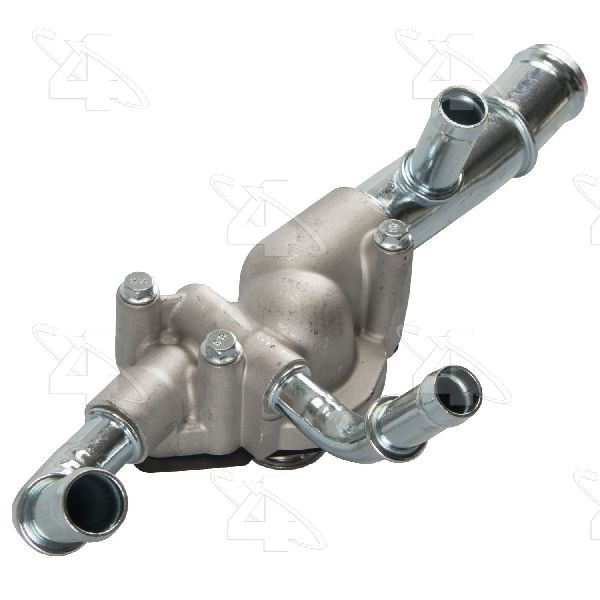
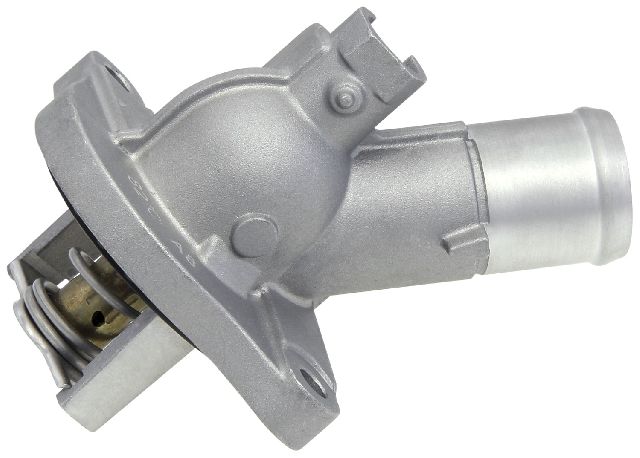
- Engine Coolant Thermostat Water Outlet Assembly
(OEM #12657134, 12671331, 12681132)— This is the part identified in TSB #PIP5300 as being prone to blockage from manufacturing debris, which is the most common cause for this code on this vehicle. The part number has been superseded over time.
Trusted brands: ACDelco (GM OE Part #15-81939)
OEM price range: $50-$100
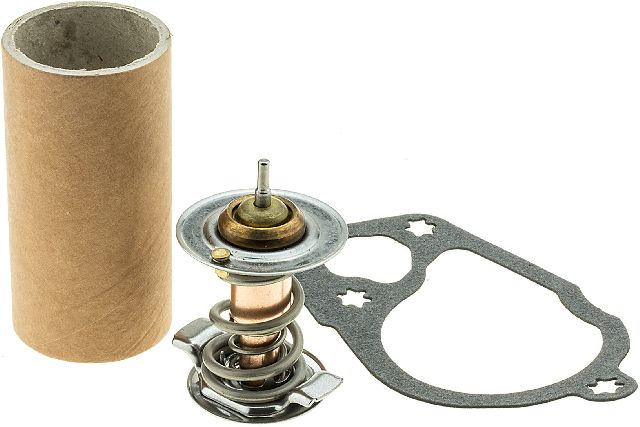
Aftermarket price range: $40-$80 - Engine Coolant Thermostat
(OEM #131-158)— If no debris is found in the water outlet, a standard stuck-open thermostat is the next most likely cause. Note that on these engines, the thermostat is typically integrated into the water outlet housing.
Trusted brands: ACDelco, Motorad
OEM price range: $40-$70
Aftermarket price range: $25-$50 - Engine Coolant Temperature (ECT) Sensor
(OEM #12639899, 213-4514)— A less common cause, this sensor can fail and send incorrect readings to the ECM, triggering the code.
Trusted brands: ACDelco
OEM price range: $25-$50
Aftermarket price range: $15-$35
Related Codes That Often Appear With This One
- P00B7 — This code for 'Engine Coolant Flow Low/Performance' is explicitly mentioned alongside P2181 in TSBs #PIP5300 and #PIC5764B. Seeing both codes together strongly points to the debris issue in the water outlet assembly.
Technical Service Bulletins (TSBs) & Recalls
- PIP5300: Notes that customers may complain of poor heater performance, an 'AC off' message, and MIL illumination due to DTC P00B7 and/or P2181. It directs technicians to inspect the water outlet assembly for flashing or debris and to replace it if found. It also mentions checking for a stray black plug in the heater hoses.
- PIC5764B: A preliminary bulletin, later superseded by PIP5300, that describes the same condition of engine overheating or poor heater performance at low RPM due to debris in the water outlet assembly on 2013 Malibu and ATS models, setting the stage for the wider TSB.
Platform-Specific Known Issues
- A known issue, documented in TSBs #PIP5300 and #PIC5764B, involves plastic flashing or debris from the manufacturing of the water outlet assembly breaking loose and causing a restriction. This prevents the engine from warming up properly and is a primary cause of code P2181 on this platform.
Mechanic-Grade Diagnostic Values
- Engine Coolant Temperature (ECT) Sensor Resistance — expected: 2,000 to 3,000 Ohms (Ω) at an ambient temperature of 68°F (20°C).. Failure: A reading of infinity (open circuit) or zero Ohms (short circuit) indicates a failed sensor.
- Engine Coolant Temperature (ECT) Sensor Reference Voltage — expected: Approximately 5.0 Volts on one of the outer pins of the connector with the key on, engine off.. Failure: Significantly lower or no voltage suggests a wiring or ECM problem, not a sensor failure.
- Thermostat Opening Temperature — expected: Coolant should begin to flow as the engine temperature approaches 190-195°F when monitored on a scan tool.. Failure: If coolant flows immediately from a cold start or temperature struggles to rise above 170°F, the thermostat is stuck open.
Scan Tool Commands That Help
- GM GDS2 (Global Diagnostic System 2): Control Functions / Bidirectional Controls — Use to manually command the cooling fans ON and OFF to verify the functionality of the fan motors, relays, and wiring. This helps rule out a fan control circuit issue if the engine is overheating or if the fans are running constantly as a fail-safe.
Wiring & Ground Locations
- G110 — Located on the upper rear of the cylinder head for 2.5L LCV engines.. This ground serves several sensors and ignition coils. A loose or corroded connection at G110 can introduce electrical noise or voltage drops, potentially affecting the ECT sensor circuit or the ECM's ability to accurately read the temperature.
- G104 — Located on the lower rear of the cylinder head for 2.5L LCV engines.. This is a primary engine ground. A poor connection here can cause erratic readings from multiple engine sensors and communication issues with the Engine Control Module (ECM), which could lead to an incorrect P2181 code being set.
- G105 — Located at the left front of the engine compartment, often behind the cooling fan relays.. This is the main ground point for the cooling fan assembly. A fault at this location can prevent the fans from operating correctly, leading to overheating at low speeds or in traffic, which can trigger a P2181 code.
OEM Part Supersession History
12657134→12671331, then 12681132— Part numbers for the water outlet assembly have been updated by GM over time. This is common for parts that have a known issue, like the debris problem identified in TSB #PIP5300. The newer parts are revised designs intended to resolve the original manufacturing flaw.
Heads up: The most current GM part number is 12681132, which is serviced by ACDelco part number 15-81939. Always use the latest available part number to ensure you have the revised component.
Model Year Variations Within This Range
- 2015: For the 2015 model year, the standard 2.5L LCV engine was updated with engine start/stop technology. While the root cause of P2181 (debris in water outlet) remains the same, the ECM software and some operating parameters differ from the 2014 model, which could be relevant during advanced diagnostics or software-related troubleshooting.
Helpful Videos
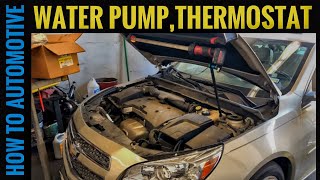


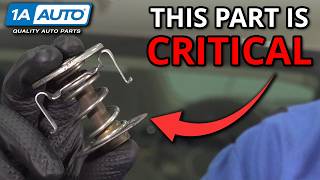
We Have This Part in Stock


The information in this article is provided for general reference and educational purposes only. Vehicle specifications, procedures, and part compatibility can vary by production date, trim level, and region. Always consult your vehicle's factory service manual and verify part numbers before purchasing or performing repairs. Safety-critical components such as airbags, seat belts, and braking systems should be installed by a qualified professional.
- Chevrolet IMPALA:
- 🧭 Diagnostic Flowchart
- 🎬 Helpful Videos
- 🛍️ Shop This Part
- What's Unique About the 2014-2015 Chevrolet IMPALA
- Symptoms You May Notice
- Most Likely Causes
- Rare But Worth Checking
- Diagnosis Steps
- Parts You'll Likely Need
- Related Codes That Often Appear With This One
- Technical Service Bulletins (TSBs) & Recalls
- Platform-Specific Known Issues
- Mechanic-Grade Diagnostic Values
- Scan Tool Commands That Help
- Wiring & Ground Locations
- OEM Part Supersession History
- Model Year Variations Within This Range
- 🎟️ Get 5% Off