

P2187 on 2017-2019 Land Rover Discovery: System Too Lean at Idle Causes and Fixes
On a 2017-2019 Land Rover Discovery with the 3.0L V6 Supercharged engine, code P2187 is overwhelmingly caused by a vacuum leak from a failed PCV valve diaphragm on the passenger-side camshaft cover. A distinct hissing sound from this area is a key symptom. An inexpensive repair kit (OEM part LR133579) is the TSB-recommended fix and avoids replacing the entire camshaft cover.
- P2187 on a 2017-2019 Discovery almost certainly means there is a vacuum leak.
- The most likely source of the leak is a torn PCV valve diaphragm on the passenger-side valve cover, a very common and well-documented issue.
- A smoke test is the fastest and most accurate way to confirm the location of the leak.
- Do not replace oxygen sensors; they are correctly reporting the lean condition. The fix is to find and repair the air leak.
- An inexpensive repair kit (Part #LR133579) is available and is the manufacturer-recommended fix, saving hundreds of dollars over replacing the entire valve cover.
What's Unique About the 2017-2019 Land Rover DISCOVERY

The 3.0L V6 Supercharged (AJ126) engine used in the Discovery 5 and its platform mates is highly susceptible to this specific code due to the design of the Positive Crankcase Ventilation (PCV) system. The rubber diaphragm inside the PCV valve, which is integrated into the passenger-side camshaft cover, is known to tear from heat and age. This failure is so common that Land Rover issued a Technical Service Bulletin (TSB #SSM74374) acknowledging the problem and authorizing a repair with a diaphragm kit instead of replacing the entire, much more expensive, camshaft cover assembly. The bulletin explicitly states that an air leak from a split diaphragm can cause DTCs P2187, P2189, P0505, or P0507.
Diagnostic Flowchart

Tap your situation to follow the diagnostic path that matches what you're seeing on this vehicle.
Symptoms You May Notice
- Check Engine Light is on
- Rough or unstable engine idle.
- Engine RPMs surging to 3,000 RPM or higher on startup before settling down.
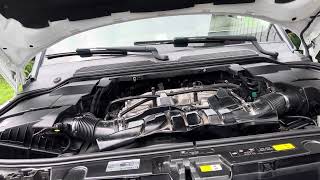
- Loud hissing or whistling sound from the engine bay, especially near the passenger-side valve cover toward the firewall.
- Hesitation or stumbling when accelerating from a stop.
- Poor fuel economy.
- Excessive oil consumption or smoke from the exhaust in severe cases, as the vacuum leak can pull oil into the intake.
- Replacing Oxygen (O2) Sensors: The O2 sensors are usually functioning correctly; they are simply detecting the lean condition caused by the unmetered air leak. Replacing them will not fix the root cause. Dealerships may incorrectly suggest this first.
- Replacing Fuel Injectors: While a clogged injector can cause a lean condition, it's far less likely to be the cause of P2187 on this vehicle compared to a vacuum leak.
- Replacing High-Pressure Fuel Pumps: This is a very expensive and unlikely fix. A vacuum leak should be ruled out completely before considering fuel pump issues for this specific code.
Most Likely Causes

- Ruptured PCV Valve Diaphragm 🔴 High Probability → Shop PCV Valve The rubber diaphragm in the PCV assembly (also called a pressure control valve) on the passenger-side camshaft cover becomes brittle and tears. This is a well-documented, common failure on this engine family, often occurring around 60,000-80,000 miles. TSB #SSM74374 was issued specifically for this issue.
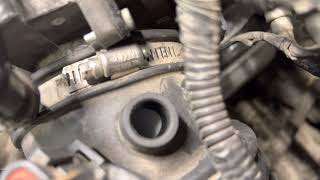
How to confirm: The most reliable method is a smoke test, which will show smoke escaping from the round PCV cap on the valve cover. A definitive DIY check is the 'oil filler cap test': with the engine idling, try to remove the oil cap. If there is very strong suction holding it down, making it difficult to remove, the PCV diaphragm has almost certainly failed. You may also hear a distinct hissing sound from this area or be able to visually inspect the orange or black diaphragm for tears after carefully prying the cap off (the retaining tabs often break).
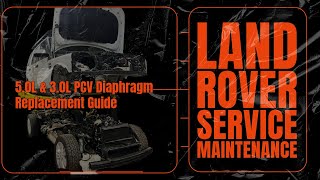
Typical fix: Replace the PCV diaphragm, spring, and cap using a repair kit. This avoids the much higher cost of replacing the entire camshaft cover. The repair can be done in 10-30 minutes. 🎬 Watch: Detailed DIY guide for replacing the PCV diaphragm.
Est. part cost: $25-$60 - Other Vacuum Leaks 🟡 Medium Probability Hoses and gaskets can become brittle and crack over time. Common leak points besides the PCV valve include the air intake ducts (check for rodent damage), throttle body gasket, and vacuum lines to accessories.
How to confirm: Perform a smoke test on the entire intake system to identify leaks from sources other than the PCV valve, such as intake gaskets, the brake booster hose, or cracked intake ducting.
Typical fix: Replace the specific leaking hose, gasket, or seal that was identified during the smoke test.
Est. part cost: $20-$200 - Leaking Brake Vacuum Pump ⚪ Low Probability On diesel (TD6) models and some gasoline models, the engine-driven brake vacuum pump can develop leaks from its seals. While often causing an oil leak, a vacuum leak can also occur, sometimes accompanied by a hissing sound when the brake pedal is pressed.
How to confirm: Inspect the vacuum pump at the rear of the engine for oil leaks or audible air hissing. Test the vacuum system as per Land Rover Special Service Message (SSM) 75757 if turbo-related codes are also present.
Typical fix: Replace the vacuum pump gaskets or the entire pump assembly. An aftermarket seal kit for the pump is available (part LR012685-AM).
Est. part cost: $25-$250
Rare But Worth Checking
- Exhaust leak before the O2 sensor: → Shop Oxygen Sensor A crack in the exhaust manifold or a bad gasket can pull in outside air, tricking the upstream oxygen sensor into reporting a false lean condition.
- Faulty Mass Airflow (MAF) Sensor: → Shop Fuel Injection Air Flow Meter A dirty or failing MAF sensor can under-report the amount of air entering the engine, causing the PCM to command an incorrect fuel mixture. This is less common than a vacuum leak and would typically affect both banks (P2187 and P2189).
- Leaking Fuel Injector O-rings: A deteriorated O-ring on a fuel injector in Bank 1 can allow unmetered air to enter the intake port. This can be a small leak that is difficult to find with a smoke test but can be enough to trigger the code at idle.
Diagnosis Steps

- Scan for Codes: Use an OBD-II scanner to confirm P2187 and check for other related codes like P2189. Note the freeze-frame data if available.
- Listen for Leaks: With the engine running at idle, listen for any obvious hissing or sucking noises around the engine, paying close attention to the passenger-side valve cover, near the firewall.
- Perform the Oil Cap Test: While the engine is idling, carefully attempt to remove the oil filler cap. If it is held down by very strong vacuum and is difficult to lift, a torn PCV diaphragm is the highly probable cause.
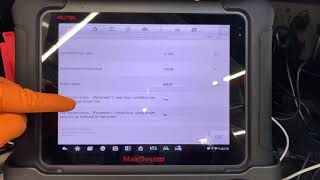
- Check Fuel Trims: Use a scan tool to view live data for Short-Term (STFT) and Long-Term Fuel Trims (LTFT). High positive numbers at idle (e.g., +20% or more) that decrease as you raise the engine RPM strongly indicate a vacuum leak.
- Perform a Smoke Test: This is the most effective step. Introduce smoke into the intake system via a vacuum port. Watch for smoke escaping from the PCV valve cap, intake manifold gaskets, vacuum hoses, or the air intake boot. This is the method dealers use to confirm the leak. 🎬 See how to perform a smoke test to find leaks.
- Isolate the PCV Valve: If a smoke test isn't available, you can temporarily block the hose leading from the intake to the PCV valve. If the fuel trims on your scan tool rapidly drop towards zero, you have confirmed the PCV valve is the source of the leak.
- Inspect MAF Sensor: If no vacuum leaks are found, remove and inspect the Mass Airflow (MAF) sensor. Clean it carefully with a dedicated MAF sensor cleaner and re-test.
- Inspect Exhaust: Check the exhaust manifolds and gaskets for any signs of black soot, which would indicate a leak before the primary O2 sensor.
Parts You'll Likely Need

- PCV Valve Diaphragm Service Kit
(OEM #LR133579)— This is the most common failure part for code P2187. The diaphragm inside the valve tears, creating a large vacuum leak. This kit is the official TSB-recommended repair and includes the diaphragm, spring, and cap.
Trusted brands: Land Rover (Genuine), Atlantic British, RKX, Allmakes 4x4
OEM price range: $45-$60
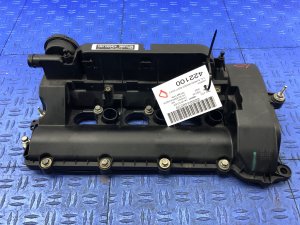
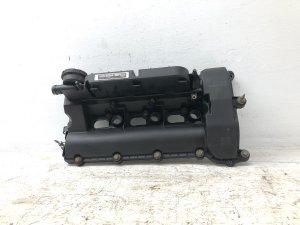
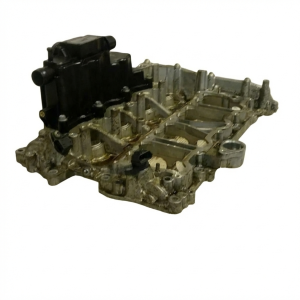
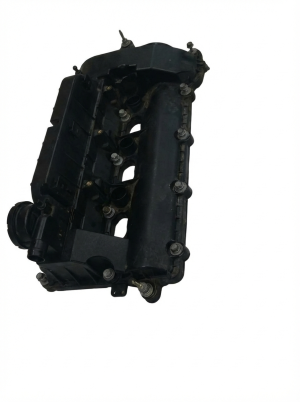
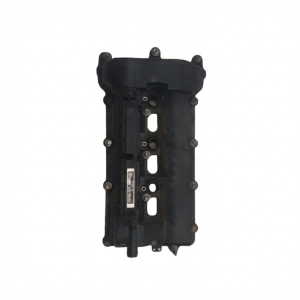
Aftermarket price range: $15-$40 - Camshaft Cover / Valve Cover (Bank 1 / Right)
(OEM #LR113201, LR109354)— This is only needed if the plastic tabs on the cover that hold the PCV cap break during the diaphragm replacement, or if the internal baffles of the cover are believed to have failed. It is a much more expensive and labor-intensive repair, as the supercharger may need to be removed for access.
Trusted brands: Land Rover (Genuine)
OEM price range: $300-$500
Aftermarket price range: $200-$350
Related Codes That Often Appear With This One
- P2189 — This is the identical code for Bank 2 (driver's side). A significant vacuum leak, like a failed PCV valve, will often affect both engine banks, causing both codes to appear together. 🎬 Watch a diagnosis and repair of lean codes on both banks.
- P0505 — Stands for 'Idle Air Control System Malfunction'. A large vacuum leak can prevent the PCM from controlling the idle speed correctly, triggering this code alongside the lean code. TSB SSM74374 specifically lists this as a possible companion code.
- P0507 — Stands for 'Idle Air Control System RPM Higher Than Expected'. This is another idle control code triggered when a vacuum leak causes the engine idle speed to be uncontrollably high. TSB SSM74374 also lists this code.
Technical Service Bulletins (TSBs) & Recalls
- SSM74374 - Air leak from the right hand camshaft cover assembly due to a split diaphragm within the pressure control valve.
- SFCC-14MAR19-Sli - Check Engine Lamp is on and the vehicle is running rough. DTCs vary, may include P2187-00... Fuel trims near limit when engine is at idle speed.
Platform-Specific Known Issues
- TSB SSM74374: Land Rover issued this bulletin due to the high failure rate of the PCV diaphragm. It states that an air leak from the right-hand camshaft cover due to a split diaphragm can cause codes P2187, P2189, P0505, or P0507. The bulletin introduces the diaphragm repair kit (LR133579) as the official fix, avoiding the need to replace the entire valve cover.
Mechanic-Grade Diagnostic Values
- Long-Term Fuel Trim (LTFT) at Idle — expected: Below +10%. Failure: A value that is maxed out, often at +25%, indicates the PCM is adding the maximum amount of fuel to compensate for a large vacuum leak.
- Mass Airflow (MAF) Sensor Reading at Idle — expected: Approximately 3.0 g/s. A general rule of thumb is engine displacement in liters multiplied by 1.0 (e.g., 3.0L * 1.0 = 3.0 g/s).. Failure: A significantly lower reading (e.g., 0.6-0.8 g/s) can indicate a vacuum leak downstream of the sensor, as unmetered air is entering the engine. A wildly fluctuating reading can indicate a failing sensor itself.
- Upstream O2 Sensor (Bank 1 Sensor 1) Voltage — expected: Rapidly fluctuating between approximately 0.1V (lean) and 0.9V (rich) on a healthy engine in closed loop.. Failure: A sensor that is stuck low (e.g., consistently below 0.45V) is reading a lean condition. This is the expected behavior with a vacuum leak; it does not typically mean the sensor itself has failed.
Scan Tool Commands That Help
- Land Rover SDD/Pathfinder or compatible advanced scanner: Reset Fuel Trim Adaptations / Clear Adaptations — This function should be performed after replacing a part that caused the lean condition, such as a PCV valve or leaking hose. It forces the Powertrain Control Module (PCM) to relearn the base fuel map immediately, rather than slowly adapting over time, which can resolve lingering rough idle or performance issues after the physical repair is complete.
Wiring & Ground Locations
- Engine Block to Chassis Ground — A primary ground strap typically runs from a starter motor mounting bolt to the vehicle's frame/chassis.. A poor engine ground can cause erratic behavior and incorrect readings from engine-mounted sensors, including the MAF and O2 sensors, which are critical for air-fuel ratio calculations. While not a common cause for P2187 specifically, ensuring a clean, tight connection is a fundamental step in diagnosing any electronic engine issue.
- Cylinder Head Grounds — The EFI wiring harness often has grounding points that attach directly to threaded holes on the rear of the cylinder heads.. These grounds are crucial for the proper operation of the fuel injection system and its sensors. A loose or corroded ground on Bank 1 could potentially contribute to faulty sensor readings, although it is an unlikely root cause for this specific code.
Real Owner Repair Stories
- YouTube user review of a 2016 Range Rover Sport (2016 Land Rover Range Rover Sport (same AJ126 engine), 67,000 miles) — Check Engine Light with codes P2187 and P2189.
❌ Tried (didn't work) The owner initially suspected an O2 sensor or a loose gas cap.
✅ What actually fixed it A repair shop performed a smoke test and confirmed a leak. The fix was replacing the PCV valve diaphragm kit for a cost of around $44 for the part plus one hour of labor. - Land Rover Forums user 'gmf' on landroverforums.com (2015 Land Rover (model not specified, but engine implies LR4 or RRS), mileage not specified) — P2187 and P2189 codes.
✅ What actually fixed it The dealer performed a smoke test and verified a vacuum leak at the passenger side valve cover breather (PCV valve). They replaced the entire valve cover (Part No. LR109354) under warranty to resolve the issue.
"I Checked Everything" — The Actual Cause
- In a forum post, a user with a Discovery 5 reported having codes P2187 and P2189 despite a smoke test showing no leaks and a visual inspection of the PCV diaphragm showing no tears. While the user was seeking advice on O2 sensor resistance values and the thread did not have a final resolution, this highlights a scenario where the primary diagnostic steps do not reveal the fault, suggesting a more elusive cause like a failing sensor or an intermittent leak.
OEM Part Supersession History
LR010780, LR032082, LR038166, LR041443→LR113201— These are previous part numbers for the Bank 1 (Right) camshaft cover assembly which have been superseded by LR113201. The reasons are typically minor design revisions or supplier changes.
Heads up: While all listed parts are for the right-side V6/V8 cover, it is always best practice to use the latest superseded part number (LR113201) for any replacement to ensure the most current design is installed.N/A→LR133579— This PCV diaphragm repair kit was introduced by Land Rover via TSB SSM74374 as a service solution. It did not supersede a previously available kit, but rather was created to avoid the costly replacement of the entire camshaft cover assembly (like LR113201) for a common diaphragm failure.
Model Year Variations Within This Range
- 2019: For the 2019 model year, Land Rover made the Smartphone Pack with Apple CarPlay® and Android Auto™ a no-cost option and made Adaptive Dynamics standard on all trims. While these are not directly related to the P2187 code, models with the supercharged V6 also received a larger 21.6-gallon fuel tank. There were no significant changes to the core 3.0L V6 Supercharged engine itself that would alter the causes or diagnosis of P2187 within the 2017-2019 range.
Helpful Videos

Used OEM Parts in Stock
New Aftermarket Parts Available


The information in this article is provided for general reference and educational purposes only. Vehicle specifications, procedures, and part compatibility can vary by production date, trim level, and region. Always consult your vehicle's factory service manual and verify part numbers before purchasing or performing repairs. Safety-critical components such as airbags, seat belts, and braking systems should be installed by a qualified professional.
- Land Rover DISCOVERY:
- 🧭 Diagnostic Flowchart
- 🎬 Helpful Videos
- 🛍️ Shop This Part
- What's Unique About the 2017-2019 Land Rover DISCOVERY
- Symptoms You May Notice
- Most Likely Causes
- Rare But Worth Checking
- Diagnosis Steps
- Parts You'll Likely Need
- Related Codes That Often Appear With This One
- Technical Service Bulletins (TSBs) & Recalls
- Platform-Specific Known Issues
- Mechanic-Grade Diagnostic Values
- Scan Tool Commands That Help
- Wiring & Ground Locations
- Real Owner Repair Stories
- "I Checked Everything" — The Actual Cause
- OEM Part Supersession History
- Model Year Variations Within This Range
- 🎟️ Get 5% Off