

P2192 on 2012-2014 Kia Rio: "System Too Rich at Higher Load" Causes and Fixes
For a 2012-2014 Kia Rio, code P2192 is most often caused by outdated engine control module (ECM) software. Kia released technical service bulletins (TSBs) to fix this specific issue, which also affects the 2012-2013 Kia Soul with the same 1.6L engine. The primary fix is a software update at a dealership, not a part replacement.
- For a 2012-2014 Kia Rio, P2192 is most likely a software problem, not a bad part.
- The first step in diagnosis should always be to check if Kia's software update (TSB #TSBENG146R1) has been performed.
- Do not replace the oxygen sensor or other parts until after the ECM has been updated, as this is unlikely to fix the problem and will waste money.
- Symptoms include poor gas mileage and sluggish acceleration, especially when the engine is working hard.
- If the code persists after the software update, then investigate mechanical causes like a faulty oxygen sensor or leaking fuel injector.
What's Unique About the 2012-2014 Kia RIO

The 2012-2014 Kia Rio with the 1.6L GDI engine has a well-documented issue where the factory engine management software can incorrectly interpret sensor readings, leading to a false P2192 code. Kia acknowledged this by issuing Technical Service Bulletins (TSBs) #TSBENG146R1 and #TSB-ENG118R2 to reprogram the ECM. This issue is not unique to the Rio; it also affects the 2012-2013 Kia Soul (AM) and 2014 Kia Soul (PS) with the same 1.6L GDI engine, as they are cited in the same TSBs. This means that unlike in many other vehicles where this code points to a mechanical fault, the first and most probable cause for this specific Kia is a software calibration issue.
Diagnostic Flowchart

Tap your situation to follow the diagnostic path that matches what you're seeing on this vehicle.
Symptoms You May Notice

- Check Engine Light is on
- Reduced fuel economy
- Sluggish or poor acceleration, especially when passing or going uphill
- Hesitation or stumbling when accelerating
- Black smoke from the tailpipe (in severe cases)
- Engine bogs down under load
- Replacing the oxygen sensor before checking for the ECM software update. The TSB explicitly warns not to replace any parts unless the software reflash has been performed and fails to solve the issue.
Most Likely Causes

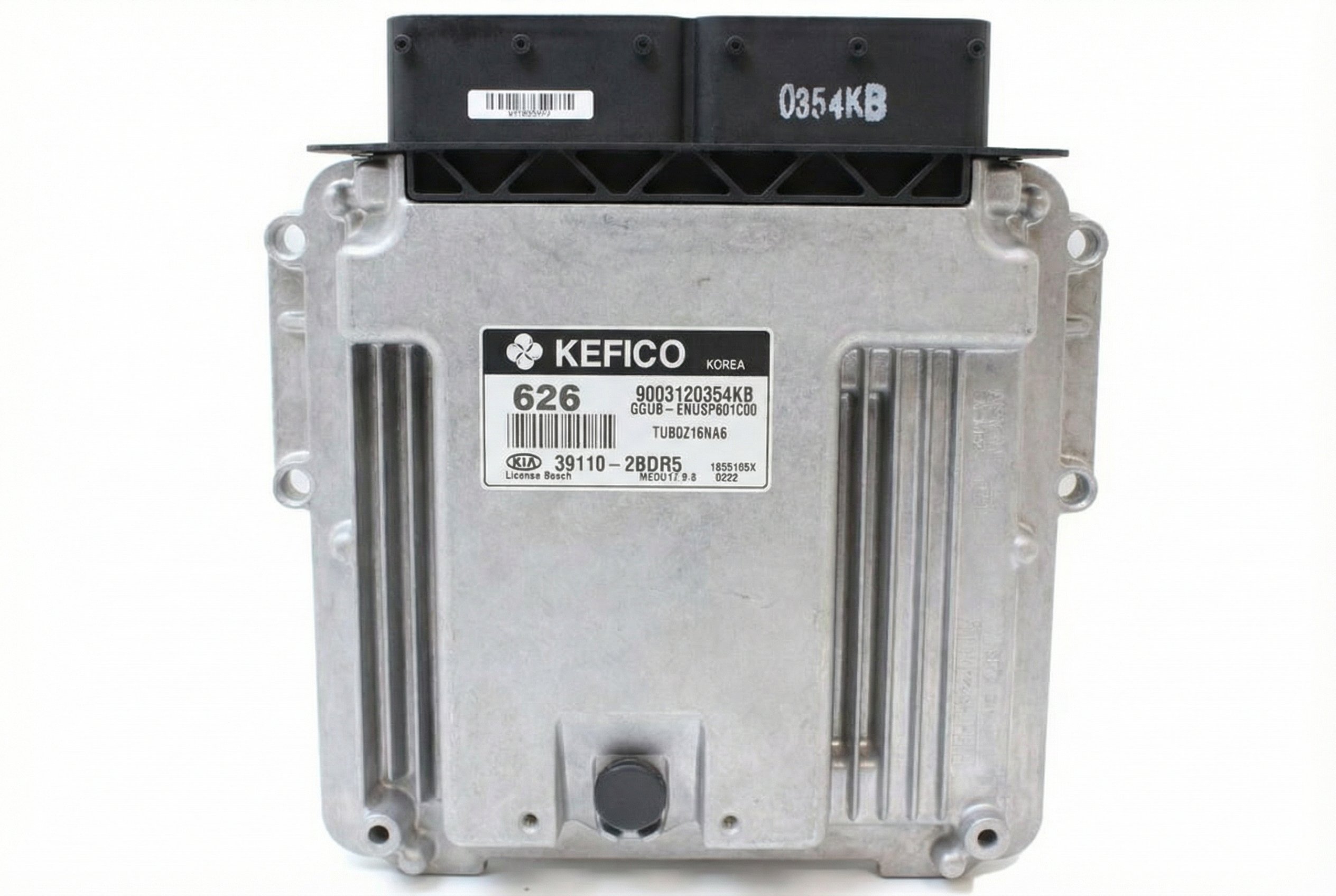
- Outdated Engine Control Module (ECM) Software 🔴 High Probability → Shop Engine Control Module (ECM) Kia issued TSBs #TSBENG146R1 and #TSB-ENG118R2 specifically to address this code with a software update, indicating a known logic flaw in the original programming. The TSBs cover multiple codes (P2188, P0128, etc.) and apply to both the Rio and Soul, confirming a widespread software issue.
How to confirm: A Kia dealership or a qualified shop with access to Kia's GDS/KDS diagnostic tools can check the current software (ROM ID) on your ECM and compare it to the updated versions listed in the TSBs. The TSB explicitly states to check the ROM ID to confirm if the reflash has already been performed.
Typical fix: Reprogramming the ECM with the updated software provided by Kia. This is often called a "reflash" or "ECU Upgrade." The TSB for the 2012-2014 Rio is associated with Event #238.
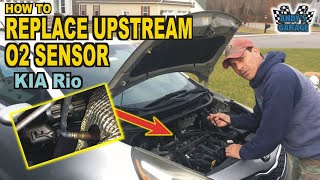
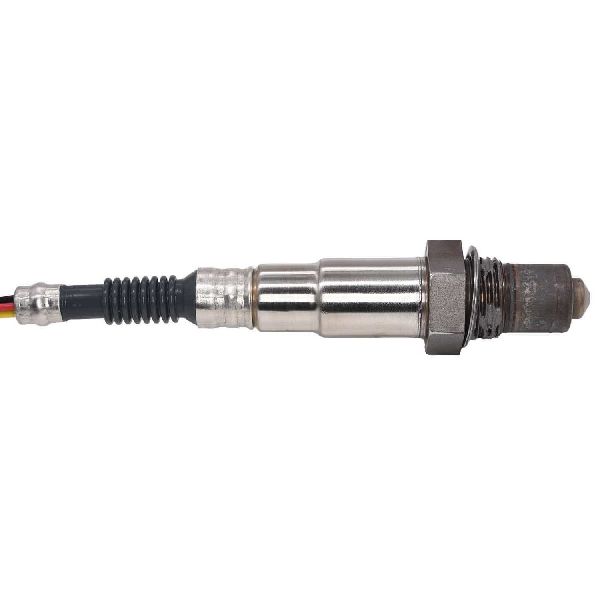
Est. part cost: $0 - Faulty Upstream Oxygen (O2) Sensor 🟡 Medium Probability → Shop Oxygen Sensor The O2 sensor provides the primary data for air-fuel mixture. If it becomes slow, contaminated, or fails, it can send incorrect signals to the ECM, causing a rich condition. This is a common failure point after the software has been updated and the code returns.
How to confirm: A mechanic can use a scan tool to monitor the live data from the O2 sensor. A slow or non-responsive sensor will not fluctuate correctly as the air-fuel mixture changes. A good sensor's voltage should fluctuate constantly between 0.1 and 0.9 volts.
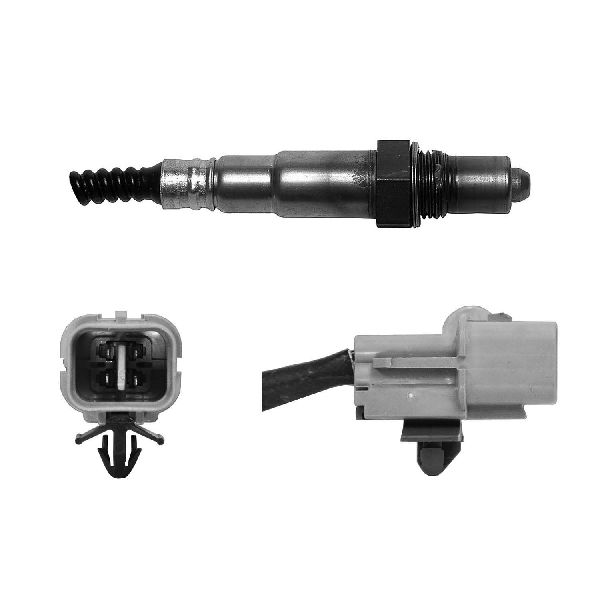
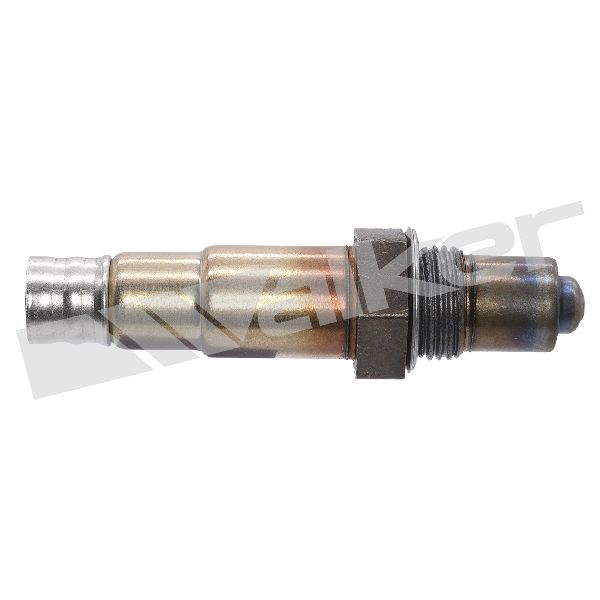
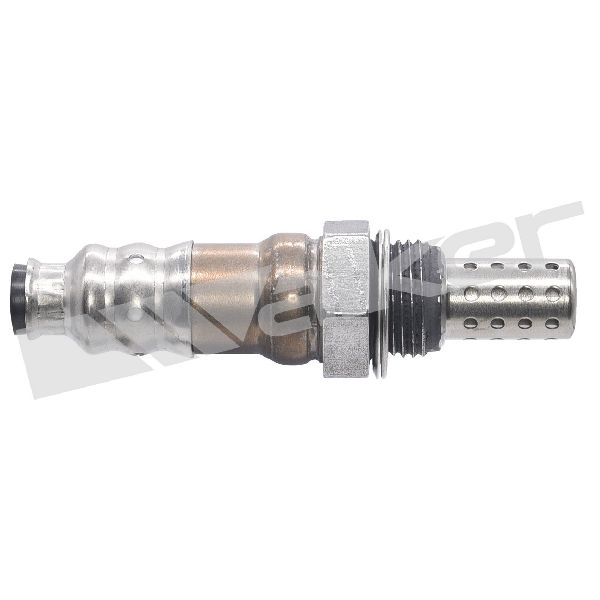
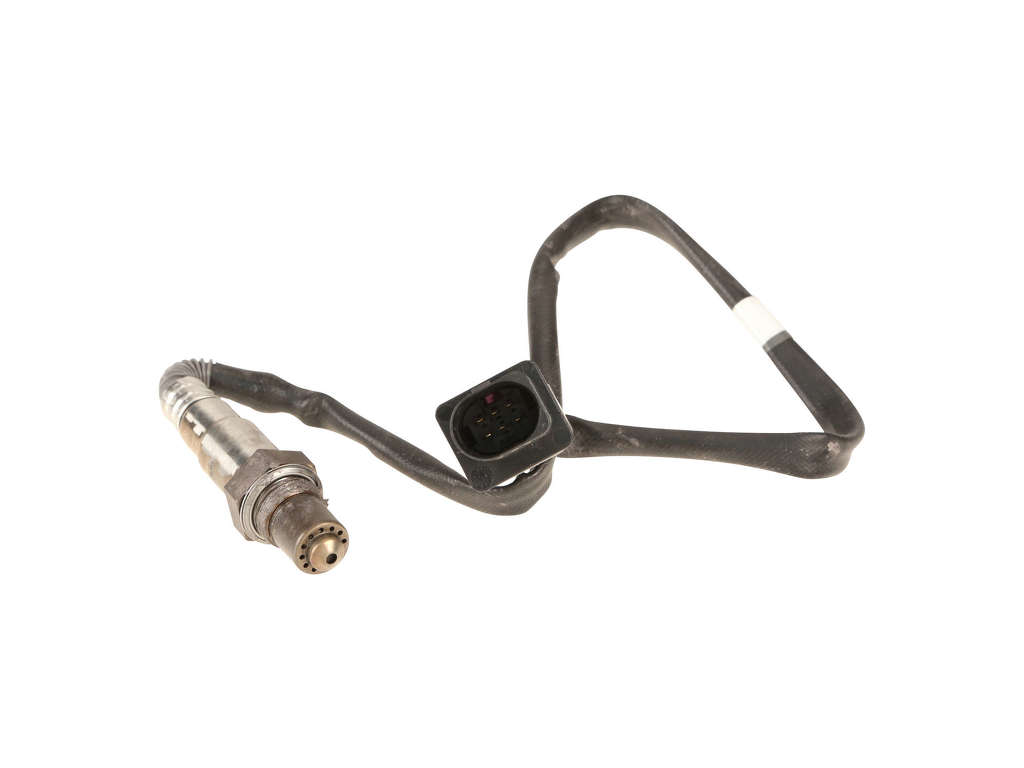
Typical fix: Replace the Bank 1 Sensor 1 (upstream) oxygen sensor. The OEM part number is 39210-2B210.
Est. part cost: $60-$150 - Leaking Fuel Injector(s) ⚪ Low Probability → Shop Fuel Injector GDI (Gasoline Direct Injection) injectors operate under very high pressure. An injector can leak fuel into the cylinder when it's supposed to be closed, causing a rich mixture. While less common than the software or O2 sensor issue, it is a possible mechanical cause.
How to confirm: A fuel pressure test that checks for pressure drop after the engine is off can indicate a leak. A mechanic may also perform a cylinder balance test or remove the injectors for bench testing.
Typical fix: Replace the faulty fuel injector(s) and their seals.
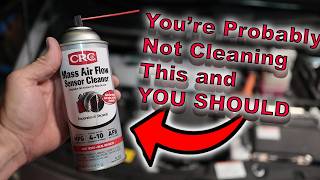
Est. part cost: $50-$120 per injector - Faulty Mass Airflow (MAF) Sensor ⚪ Low Probability → Shop Fuel Injection Air Flow Meter If the MAF sensor is dirty or failing, it can under-report the amount of air entering the engine. The ECM then injects the correct amount of fuel for the reported air, but it's too much for the actual air, creating a rich condition.
How to confirm: A mechanic can check live data from the MAF sensor on a scan tool to see if its readings are plausible for the given engine speed and load. Cleaning the sensor with a dedicated cleaner is a common first step.
Typical fix: Clean the MAF sensor with a dedicated cleaner. If the problem persists, replace the sensor.
Est. part cost: $70-$180
Rare But Worth Checking
- High Fuel Pressure: A failing fuel pressure regulator or an issue with the high-pressure fuel pump (HPFP) could cause excessive fuel pressure, leading to a rich condition.
- Clogged Catalytic Converter: A rich condition over time can damage the catalytic converter. A Reddit user with a 2013 Soul reported codes P0420 and P2192, finding the primary catalytic converter had disintegrated, causing a major loss of power. This is often a consequence of the rich condition, not the initial cause.
- Rodent Damage: In one documented case on a Kia forum, a user discovered a P2192 code was caused by a rodent chewing through the wire for the MAP sensor, leading to incorrect readings and a rich mixture.
Diagnosis Steps
- Check for TSBs: The first step for this specific vehicle and code is to check if TSB #TSBENG146R1 or #TSB-ENG118R2 has been performed. A Kia dealer can verify this with your VIN and by checking the ECM's ROM ID.
- Perform ECM Update: If the update has not been done, have the ECM reprogrammed by a dealer or qualified shop. This is the most likely fix. The TSB warns not to replace parts before performing the reflash.
- Re-evaluate: After the update, clear the codes and drive the vehicle under various load conditions. If the P2192 code returns, proceed with further mechanical diagnosis.
- Scan Tool Live Data: Connect a scan tool and observe the long-term fuel trim (LTFT) and short-term fuel trim (STFT) values. Consistently negative numbers confirm a rich condition. Monitor the upstream O2 sensor voltage to ensure it is fluctuating properly and not biased rich. A healthy sensor fluctuates between 0.1V and 0.9V.
- Inspect for Fuel Leaks: Check for leaking fuel injectors, which can sometimes be diagnosed with a fuel pressure hold test. Also, check the engine oil for a strong smell of gasoline, which could indicate a leaking high-pressure fuel pump (HPFP).
- Check MAF Sensor: Inspect and clean the Mass Airflow sensor. Check its readings on the scan tool to ensure they are within specification for the given engine speed and load.
- Inspect Air Intake: Check for a severely clogged engine air filter or any obstructions in the air intake path, which could restrict airflow and cause a rich condition.
- Check for Exhaust Backpressure: If a loss of power is a major symptom, test for a clogged catalytic converter using a backpressure gauge in the upstream O2 sensor port.
Parts You'll Likely Need
- ECM Software Update
(OEM #Event #238 (for 2012-14 Rio))— This is not a physical part, but a service. Kia identified a logic flaw in the original ECM programming that causes this code to set incorrectly. The TSB-mandated update corrects this logic.
OEM price range: $100-$200
Aftermarket price range: N/A - Upstream Oxygen Sensor
(OEM #39210-2B210)— If the ECM update does not fix the issue, the next most likely cause is a failing O2 sensor providing incorrect data to the ECM.
Trusted brands: Bosch, Denso (234-5055), NGK
OEM price range: $212-$250
Aftermarket price range: $60-$150
Related Codes That Often Appear With This One
- P2188 — P2188 is "System Too Rich at Idle." Both P2192 and P2188 are listed in the same Kia TSBs, suggesting the underlying software issue can cause rich conditions at both idle and high load.
- P0128 — P0128 is "Coolant Thermostat (Temperature Below Regulating Temperature)." This code is also included in the same TSBs, indicating the software update addresses multiple potential logic errors.
- P0326 — P0326 is "Knock Sensor 1 Circuit Range/Performance." An owner complaint and the TSBs link this code to the same software update.
- P0420 — P0420 is "Catalyst System Efficiency Below Threshold." This can appear alongside P2192 if the long-term rich condition has damaged or clogged the catalytic converter.
Technical Service Bulletins (TSBs) & Recalls
- TSBENG146R1: Recommends an ECM software upgrade for 2012-2014 Rio and 2012-2014 Soul models to correct MIL illumination with DTC P2192, P2188, P0128, and others. It explicitly warns technicians not to replace parts unless the reflash fails to fix the problem.
- TSB-ENG118R2: A combined TSB and Service Action (SA152) for an ECM software upgrade on 2012-2013 Rio and Soul models for DTC P2192 and others.
Platform-Specific Known Issues
- A known software calibration issue causes the ECM to incorrectly flag a P2192 code. Kia addressed this with Technical Service Bulletin #TSBENG146R1 (for 2012-2014 Rio) and #TSB-ENG118R2 (for 2012-2013 Rio), which involve an ECM software upgrade.
Mechanic-Grade Diagnostic Values
- Upstream Oxygen (O2) Sensor Voltage — expected: Fluctuating constantly between 0.1 and 0.9 Volts on a scan tool after the engine warms up.. Failure: Voltage remains high (stuck above 0.7V) even when decelerating, or is slow to respond.
- Long Term and Short Term Fuel Trim (LTFT + STFT) — expected: The sum of LTFT and STFT should be within +/- 10% at idle.. Failure: Consistently high negative numbers (e.g., -15% or more) indicate the ECM is constantly reducing fuel to compensate for a rich condition.
- High-Pressure Fuel Pump Mounting Bolt Torque — expected: 12.7 ~ 14.7 N.m (9.4 ~ 10.8 lb-ft). Failure: N/A - This is an installation specification.
Scan Tool Commands That Help
- Kia GDS/KDS: ECU Upgrade > Auto Mode > Engine — This is the specific function used to perform the software reflash as mandated by TSBs #TSBENG146R1 and #TSB-ENG118R2 to fix the false P2192 code.
- Kia GDS/KDS: Guided Troubleshooting Procedures — After the ECU update, if the code returns, the dealer tool provides step-by-step diagnostic paths based on the specific fault.
- Kia GDS/KDS: Active Tests (e.g., Injector Test, EVAP Test) — Allows a technician to command specific components to operate, helping to isolate a faulty fuel injector or other part without having to remove it first.
Wiring & Ground Locations
- ECM Power Ground — Pins 3 and 4 on the ECM harness connector are power grounds connected to the chassis ground.. A poor ground connection at the ECM can cause incorrect sensor readings and faulty calculations, potentially leading to false rich or lean codes. Ensuring these grounds are clean and secure is a fundamental electrical diagnostic step.
- Upstream O2 Sensor (Heated Oxygen Sensor 1) Signal — Pin 7 on the ECM harness connector.. This is the specific pin where the ECM receives the voltage signal from the primary oxygen sensor. It can be used for testing the signal wire's integrity between the sensor and the ECM.
- Instrument Panel Fuse Box — Located behind a cover below the steering wheel on the driver's side.. This panel contains fuses for various electronic modules. While a fuse is not a likely cause for P2192, knowing its location is essential for any electrical diagnosis.
- Engine Compartment Fuse Box — Located in the engine bay, this box contains main relays and fuses for critical engine components like the ECU and fuel pump.. A fault in the main ECU or fuel pump relay, located here, could potentially cause fuel control issues.
Model Year Variations Within This Range
- 2012-2013: These model years are covered by TSB #TSB-ENG118R2, which was an earlier version of the software update campaign.
- 2012-2014: These model years are covered by the revised and more comprehensive TSB #TSBENG146R1, which also includes the 2014 Soul (PS). This indicates the software issue persisted and the fix was updated over time.
Helpful Videos

Used OEM Parts in Stock
New Aftermarket Parts Available


The information in this article is provided for general reference and educational purposes only. Vehicle specifications, procedures, and part compatibility can vary by production date, trim level, and region. Always consult your vehicle's factory service manual and verify part numbers before purchasing or performing repairs. Safety-critical components such as airbags, seat belts, and braking systems should be installed by a qualified professional.
- Kia RIO:
- 🧭 Diagnostic Flowchart
- 🎬 Helpful Videos
- 🛍️ Shop This Part
- What's Unique About the 2012-2014 Kia RIO
- Symptoms You May Notice
- Most Likely Causes
- Rare But Worth Checking
- Diagnosis Steps
- Parts You'll Likely Need
- Related Codes That Often Appear With This One
- Technical Service Bulletins (TSBs) & Recalls
- Platform-Specific Known Issues
- Mechanic-Grade Diagnostic Values
- Scan Tool Commands That Help
- Wiring & Ground Locations
- Model Year Variations Within This Range
- 🎟️ Get 5% Off