

P2196 on 2007-2012 Hyundai Veracruz 3.8L: Causes and Fixes for a Stuck Rich O2 Sensor
This code means the engine is running rich on Bank 1. The most likely causes are a leaking fuel injector, a faulty fuel pressure regulator, or a stuck-open EVAP purge valve. While it could be a bad oxygen sensor, it's crucial to diagnose the fuel system first to avoid replacing a part that's working correctly and just reporting an actual rich condition.
- P2196 means the engine's computer sees too much fuel in the exhaust on Bank 1 (the firewall side).
- Do not immediately replace the oxygen sensor. First, verify if the engine is actually running rich.
- Check fuel pressure and inspect for leaking fuel injectors, as these are common causes on the 3.8L V6.
- Use a scan tool to watch live O2 sensor data; a stuck high voltage confirms the code's trigger but not necessarily the root cause.
- Ignoring this code will lead to very poor gas mileage and can cause expensive damage to your catalytic converter.
What's Unique About the 2007-2012 Hyundai Veracruz
The Hyundai Veracruz was a single-generation vehicle (2007-2012), so these issues apply consistently across the model years. While P2196 can point to a failed oxygen sensor on any vehicle, owners and technicians working on the 3.8L Lambda V6 engine often find that the O2 sensor is accurately reporting a problem caused elsewhere. Issues with the fuel delivery system, particularly leaking fuel injectors or a failing fuel pressure regulator, are common culprits that create a genuine rich condition. Therefore, a thorough diagnosis is essential before assuming the sensor itself is at fault. The Bank 1 (firewall side) O2 sensor is also notoriously difficult to access, making it an expensive part to replace unnecessarily.
Symptoms You May Notice
- Check Engine Light is on
- Noticeably reduced fuel economy
- Rough or unstable idle
- Engine hesitation or stumbling on acceleration
- Black smoke from the exhaust pipe in severe cases
- A smell of gasoline from the exhaust
- Difficulty starting the engine, especially after refueling (points to EVAP purge valve)
- Immediately replacing the Bank 1 Sensor 1 oxygen sensor without performing any tests. The sensor is often just reporting a rich condition caused by another component, like a leaking fuel injector or faulty fuel pressure regulator.
Most Likely Causes
- Leaking Fuel Injector(s) 🔴 High Probability → Shop Fuel Injector Over time, injector seals can fail or internal components can wear, causing them to drip fuel into a cylinder even when closed. This is a common failure point on many port-injected engines as they age.
How to confirm: A mechanic can perform a fuel injector balance test or a leak-down test. A DIY method involves letting the fuel rail sit under pressure and observing for a drop. You can also check the spark plugs on Bank 1 (cylinders 1, 3, 5); a plug that is black and sooty compared to others indicates a rich condition in that cylinder.
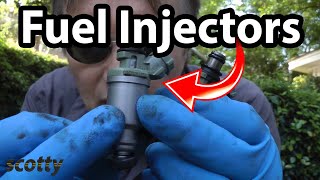
Typical fix: Replace the faulty fuel injector(s). It is often recommended to replace them as a set on a high-mileage engine, especially for the affected bank. 🎬 Watch: Step-by-step instructions for replacing fuel injectors in your car.
Est. part cost: $50-$150 per injector - Faulty Fuel Pressure Regulator 🟡 Medium Probability → Shop Fuel Injection Pressure Regulator The diaphragm inside the regulator can rupture, allowing excess fuel pressure to build in the fuel rail, forcing too much fuel through the injectors.
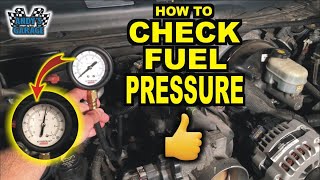
How to confirm: Connect a fuel pressure gauge to the fuel rail's service port. If the pressure is significantly higher than the manufacturer's specification of 47-52 psi, the regulator is likely faulty. You can also check the vacuum line attached to the regulator for the presence of raw fuel, which is a definitive sign of failure.
Typical fix: Replace the fuel pressure regulator.
Est. part cost: $40-$100 - Faulty Bank 1, Sensor 1 Oxygen Sensor 🟡 Medium Probability → Shop Oxygen Sensor Sensors fail with age and from contamination by oil, carbon, or coolant. However, this is often misdiagnosed when the sensor is actually doing its job. Given the high incidence of fuel system issues on this platform causing a true rich condition, the sensor should not be the first part replaced without testing.
How to confirm: Use a scan tool to watch the live data for the B1S1 O2 sensor. A healthy sensor's voltage should fluctuate rapidly between approximately 0.1V and 0.9V, switching more than 3 times in 10 seconds at idle. If it stays fixed at a high voltage (e.g., >0.8V) even when the engine is revved, and you have ruled out an actual rich condition, the sensor is likely bad. Also inspect the wiring and connector for damage, as this can mimic a failed sensor.
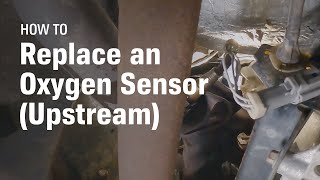
Typical fix: Replace the Bank 1, Sensor 1 oxygen sensor. This sensor is on the firewall side and can be very difficult to access.
Est. part cost: $50-$120 - Stuck-Open EVAP Purge Valve ⚪ Low Probability → Shop Vapor Canister The purge valve controls the flow of fuel vapors from the charcoal canister to the engine. If it sticks open, it allows unmetered fuel vapor to enter the intake manifold, creating a rich condition.
How to confirm: With the engine off, unplug the electrical connector and the hose leading to the intake manifold. Try to blow through the valve; it should be closed and not allow air to pass. A common symptom is difficulty starting the vehicle right after refueling. You can also apply 12V to the valve's connector and listen for a click.
Typical fix: Replace the EVAP canister purge valve.
Est. part cost: $25-$75
Rare But Worth Checking
- Faulty Powertrain Control Module (PCM): → Shop Engine Control Module (ECM) This is very uncommon, but a failure within the PCM's internal driver or analog-to-digital converter for the O2 sensor can cause it to misinterpret the signal. This should only be considered after all other possibilities have been exhaustively ruled out and the wiring has been confirmed to be intact.
- Clogged Air Filter or MAF Sensor Issues: A severely restricted air filter can reduce the amount of air entering the engine, leading to a rich mixture. A faulty Mass Airflow (MAF) sensor can also under-report airflow, causing the PCM to inject too much fuel. This would typically affect both banks and may set other codes.
Diagnosis Steps
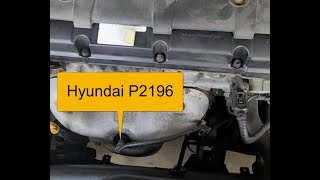
- Connect an OBD-II scanner and confirm P2196 is present. 🎬 Watch: A detailed breakdown of the P2196 code and diagnosis. Check for any other codes, especially fuel trim (P0172) or misfire codes (P030x).
- View the freeze frame data to see the engine conditions (RPM, load, temperature) when the code was set.
- Monitor live data. Watch the voltage for the Bank 1, Sensor 1 (B1S1) O2 sensor. If it is stuck high (above 0.8V), this confirms the 'stuck rich' signal.
- Check the short-term and long-term fuel trims for Bank 1. A true rich condition will cause the PCM to command large negative fuel trims (e.g., -15% or more) to try and compensate.
- If fuel trims are highly negative, suspect a true rich condition. Test the fuel pressure at the rail's service port. If it's above the spec of 47-52 psi, suspect the fuel pressure regulator.
- Inspect the vacuum hose on the fuel pressure regulator for raw fuel. If fuel is present, the regulator has a ruptured diaphragm and is bad.
- Test the EVAP purge valve. Disconnect it and see if it holds a vacuum when off. A common symptom of a stuck-open valve is difficulty starting after filling the gas tank.
- If fuel pressure is normal, suspect leaking fuel injectors. Pull the spark plugs on Bank 1 (firewall side). Plugs that are black, sooty, or wet with fuel point to a leaking injector in that cylinder.
- Inspect the air intake system for a severely clogged air filter and check the MAF sensor's live data for plausible readings.
- If all fuel delivery and air intake systems check out, and the O2 sensor signal is still stuck high, the sensor itself is the most likely remaining culprit. Inspect its wiring and connector before replacing it.
Parts You'll Likely Need
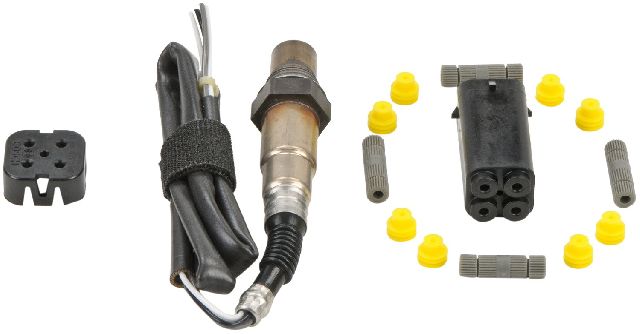
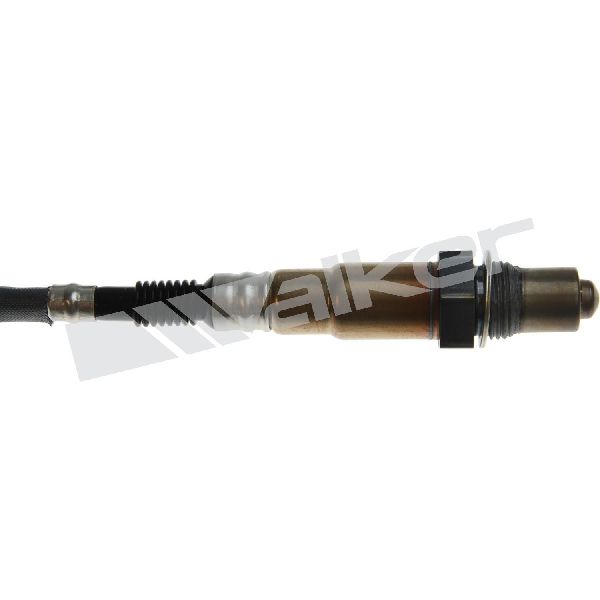
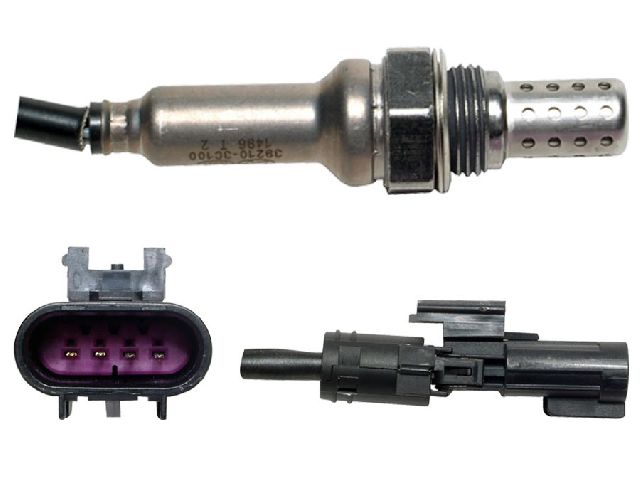
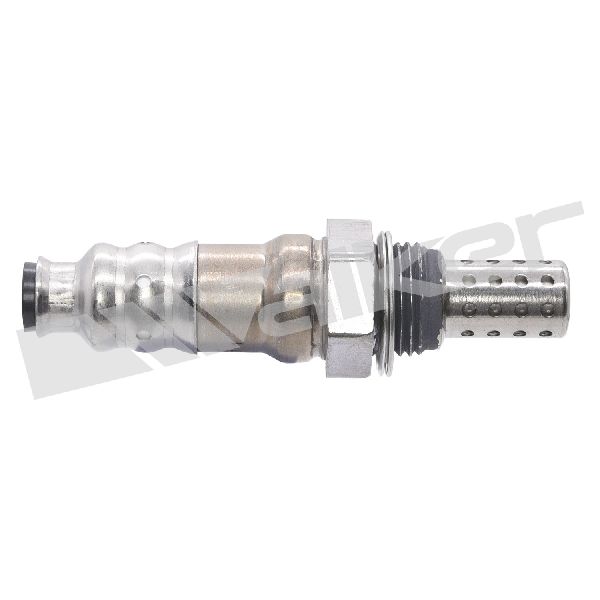
- Oxygen Sensor (Bank 1, Sensor 1)
(OEM #39210-3C100)— This sensor provides the reading that triggers the code. It may have failed internally or become contaminated. It is located on the exhaust manifold against the firewall.
Trusted brands: Denso, Bosch, NGK/NTK
OEM price range: $120-$180
Aftermarket price range: $50-$120 - Fuel Injector
(OEM #35310-3C000)— A common cause of a true rich condition is an injector that is leaking fuel into the cylinder.
Trusted brands: Bosch, Standard Motor Products, GB Remanufacturing
OEM price range: $90-$150
Aftermarket price range: $50-$100 - Fuel Pressure Regulator
(OEM #35301-3C000)— A failed regulator can cause excessive fuel pressure, leading to a rich condition across all cylinders on the fuel rail.
Trusted brands: Delphi, Standard Motor Products
OEM price range: $60-$110
Aftermarket price range: $40-$80
Related Codes That Often Appear With This One
- P0172 — P0172 is 'System Too Rich (Bank 1)'. P2196 is a more specific code indicating the sensor signal itself is stuck, while P0172 indicates the PCM has reached its negative fuel trim limit trying to correct for the rich condition. They often appear together.
- P0301, P0303, P0305 — These are misfire codes for the cylinders on Bank 1. A severe rich condition from a leaking injector can foul the spark plug and cause a misfire in that specific cylinder.
Technical Service Bulletins (TSBs) & Recalls
- Hyundai Recall 121 / NHTSA 14V415000: While not directly for P2196, this critical recall addresses an oil leak from the front valve cover gasket that drips onto the alternator, causing it to fail. An oil-soaked wiring harness for the nearby O2 sensor could potentially cause signal issues. This is a well-documented issue for the Veracruz.
- Hyundai Recall 197: A follow-up to the 2014 recall (Recall 121) because the initial repair procedure was sometimes ineffective, leading to repeat failures. This second recall provided more detailed instructions for dealers to ensure the valve cover gasket leak was fixed properly.
Platform-Specific Known Issues
- Owner Experience with P2196 and P0172: A user on the 'Hyundai Forums' website with a 2007 Veracruz reported codes P2196 and P0172. After replacing the Bank 1 Sensor 1 O2 sensor, the problem persisted. The eventual fix was replacing a leaking fuel injector on Bank 1.
- Valve Cover Gasket Leak Recall: A recall (NHTSA 14V-415, later 20V-705) was issued for an oil leak from the front cylinder bank (Bank 2) valve cover gasket, which could drip onto the alternator. While this affects the other bank, it highlights a known issue with valve cover gaskets on this engine which could, in theory, also affect Bank 1 and potentially contaminate the O2 sensor with oil if the leak were severe.
Mechanic-Grade Diagnostic Values
- Fuel Pressure (at idle) — expected: 47-52 psi. Failure: Pressure significantly above 52 psi indicates a faulty regulator.
- Fuel Injector Resistance (MPI Engine) — expected: 10.0 - 15.0 Ohms. Failure: A reading of infinite resistance (open) or near-zero (short), or a value that deviates significantly from the other injectors.
- Upstream O2 Sensor (B1S1) Live Data Voltage — expected: Rapidly fluctuating between ~0.1V (lean) and ~0.9V (rich).. Failure: Voltage is stuck high, consistently >0.8V, or fails to switch.
- Upstream O2 Sensor (B1S1) Switching Speed — expected: Switches from rich to lean more than 3 times in 10 seconds at idle.. Failure: Fewer than 3 switches in 10 seconds ('lazy' sensor).
- Engine Compression — expected: Approx. 192 psi (1323 kPa). Failure: A cylinder reading significantly lower than others. While not a direct cause of a rich code, it's a key engine health metric to check during a deep diagnosis.
Hidden / Shadow Codes Worth Checking
- Mode 6, Test ID $A5: Cylinder 6 Misfire Count (and corresponding IDs for other cylinders). While not a hidden code, monitoring these non-continuous test results can reveal low-grade misfires caused by a rich condition before they are frequent enough to set a P030x code. (see via A professional scan tool capable of displaying Mode 6 test data.)
Scan Tool Commands That Help
- Hyundai GDS (or equivalent advanced scanner): Fuel Injector Balance Test — To electronically test for a leaking or clogged injector by measuring the pressure drop for each injector individually. This is a precise way to confirm a faulty injector causing the rich condition.
- Hyundai GDS (or equivalent advanced scanner): EVAP Purge Valve Actuation Test — To command the purge valve open and closed while monitoring its effect on fuel trims. This can confirm if the valve is physically stuck or electronically unresponsive.
Wiring & Ground Locations
- ECM (Engine Control Module) — Right front corner of the engine compartment.. The ECM is the source of the code and processes the O2 sensor signal. Knowing its location is critical for checking power/ground pins and the harness connector.
- GE01 — Left side of the engine compartment.. This is a primary ground distribution point for multiple engine components. A corroded or loose connection here can cause erratic sensor readings, including for the O2 sensor.
- ECM Power Ground Pins — Pins 3 and 4 on the ECM harness connector.. A poor ground connection directly at the ECM can cause it to misinterpret sensor voltage. A voltage drop test between these pins and the battery negative post can identify a bad ground affecting the entire engine management system.
OEM Part Supersession History
39210-3C100→39210-3C100-QQH (sometimes written as 392103c100qqh)— Standard part revision or update by the manufacturer.
Model Year Variations Within This Range
- 2007-2012: The 3.8L Lambda V6 in the Veracruz was a Multi-Port Injection (MPI) engine for its entire run. Later versions of the 3.8L Lambda in other Hyundai/Genesis models switched to Gasoline Direct Injection (GDI), which has different fuel pressure specs and injector types. This distinction is important when searching for parts or diagnostic values to ensure they apply to the Veracruz's MPI system.
Diagnostic Flowchart
Other Known Issues on This Vehicle
Issues unrelated to this code that are worth knowing about as an owner of this generation:
- Valve Cover Gasket Oil Leak onto Alternator 🔴 High — Extremely common, affecting all model years. Led to two separate safety recalls. (Ref: Hyundai Recall 121 (NHTSA 14V415000) and Recall 197.)
- Timing Cover Gasket Oil Leak 🟠 Medium — Common on higher-mileage vehicles. It is a labor-intensive repair.
- Power Steering Pressure Hose Leak 🟠 Medium — The rubber hoses can degrade and leak over time, especially at the crimped ends.
- Alternator Failure 🔴 High — Very common, almost always as a direct result of the valve cover gasket oil leak. (Ref: Directly related to Hyundai Recalls 121 and 197.)
Used vs. New Parts: Buying Guide for This Vehicle
When a used part is the smart pick: For this repair, used parts like a fuel rail, EVAP purge valve, or intake manifold components are generally safe bets as they have low failure rates and are not wear items. A complete fuel pump assembly from a low-mileage donor can also be a cost-effective option.
Donor-vehicle mileage cap: roughly under 80000 miles for the part to have meaningful remaining life.
What to inspect on the donor part:
- For fuel injectors, ask for the donor vehicle's mileage; avoid injectors from very high-mileage engines.
- Check electrical connectors for corrosion, cracks, or broken locking tabs.
- Inspect hoses (like the vacuum line on a fuel pressure regulator) for cracks or brittleness.
OEM-only on this vehicle (don't cheap out):
- Powertrain Control Module (PCM) - Requires vehicle-specific programming that makes used units difficult or impossible to install.
- Oxygen Sensor - While good aftermarket brands exist, cheap, unbranded sensors are notorious for failing early or having incorrect calibration, causing persistent codes. Sticking with OEM or OEM-supplier brands is highly recommended.
Aftermarket brands forum-validated for this vehicle:
- Denso (for O2 sensors, often the OEM supplier)
- Bosch (for O2 sensors and fuel injectors)
- NGK/NTK (for O2 sensors)
- Delphi (for fuel system components)
Brands owners have reported issues with on this vehicle:
- Unbranded or 'white-box' oxygen sensors and fuel injectors from online marketplaces are a significant risk and often do not perform to OEM specifications.
Real Owner Stories
Aggregated from forums and TSBs cited above. Mileages and costs reflect what owners reported in those sources.
2007 Hyundai Veracruz 3.8L Lambda V6
Symptoms: The vehicle had codes P2196 and P0172. The problem persisted even after replacing the Bank 1 Sensor 1 O2 sensor.
What fixed it: Replacing a leaking fuel injector on Bank 1.
Source hint: A user on the 'Hyundai Forums' website with a 2007 Veracruz
2007-2012 Hyundai Veracruz 3.8L Lambda V6
Symptoms: Vehicle displayed a P2196 code, and the owner initially and incorrectly suspected the oxygen sensor was the problem.
What fixed it: The problem was solved by replacing either the fuel injectors or the fuel pressure regulator.
Source hint: Veracruz Forum on Hyundai-Forums.com
Related OBD-II Codes
Frequently Asked Questions
My mechanic wants to replace the Bank 1 oxygen sensor for code P2196. Is this the correct fix for my Veracruz?
I heard about an oil leak recall for the Veracruz. Could that be related to my P2196 code?
My Veracruz is hard to start right after I fill up with gas. Is this connected to the Check Engine Light for P2196?
What is the correct fuel pressure for the 3.8L V6 engine in my Veracruz?
Where is the Bank 1, Sensor 1 oxygen sensor located, and is it an easy DIY job?
How can I tell which cylinders are on Bank 1 to check for a leaking injector?
Helpful Videos
We Have This Part in Stock



The information in this article is provided for general reference and educational purposes only. Vehicle specifications, procedures, and part compatibility can vary by production date, trim level, and region. Always consult your vehicle's factory service manual and verify part numbers before purchasing or performing repairs. Safety-critical components such as airbags, seat belts, and braking systems should be installed by a qualified professional.
- Hyundai Veracruz:
- 🧭 Diagnostic Flowchart
- 🎬 Helpful Videos
- 🛍️ Shop This Part
- What's Unique About the 2007-2012 Hyundai Veracruz
- Symptoms You May Notice
- Most Likely Causes
- Rare But Worth Checking
- Diagnosis Steps
- Parts You'll Likely Need
- Related Codes That Often Appear With This One
- Technical Service Bulletins (TSBs) & Recalls
- Platform-Specific Known Issues
- Mechanic-Grade Diagnostic Values
- Hidden / Shadow Codes Worth Checking
- Scan Tool Commands That Help
- Wiring & Ground Locations
- OEM Part Supersession History
- Model Year Variations Within This Range
- Other Known Issues on This Vehicle
- Used vs. New Parts: Buying Guide for This Vehicle
- Real Owner Stories
- 2007 Hyundai Veracruz 3.8L Lambda V6
- 2007-2012 Hyundai Veracruz 3.8L Lambda V6
- Related OBD-II Codes
- Frequently Asked Questions
- 🎟️ Get 5% Off