

P2196 on 2019-2020 Lincoln Nautilus: Stuck Rich Causes and Fixes
On a 2019-2020 Lincoln Nautilus with the 2.0L EcoBoost engine, code P2196 is frequently caused by a leaking EGR cooler or a PCM software issue, as noted in manufacturer TSBs. Before replacing the O2 sensor, these vehicle-specific issues must be investigated, as the sensor is often correctly reporting a rich condition caused by another component.
- For a P2196 code on a 2019-2020 Lincoln Nautilus 2.0L, do not immediately replace the oxygen sensor.
- The most probable causes are a leaking EGR cooler (TSB #SSM 48345) or a PCM software glitch (TSB #TSB 19-2046).
- Check for symptoms of coolant loss (low level, white smoke, overheating), which strongly point to the EGR cooler issue.
- Another common, but less vehicle-specific, cause is a stuck-open EVAP purge valve.
- Professional diagnosis is recommended to correctly identify the root cause and avoid replacing unnecessary parts.
What's Unique About the 2019-2020 Lincoln NAUTILUS
While many vehicles with a P2196 code might have a simple O2 sensor or fuel injector failure, the 2019-2020 Lincoln Nautilus with the 2.0L EcoBoost engine has two widely documented issues that are more likely culprits. Lincoln has issued Technical Service Bulletins (TSBs) for a faulty EGR cooler that can leak coolant into the exhaust and for PCM software that requires an update to correct false rich readings. Addressing these TSBs first is critical to avoid a misdiagnosis and unnecessary parts replacement.
Diagnostic Flowchart
Tap your situation to follow the diagnostic path that matches what you're seeing on this vehicle.
Symptoms You May Notice
- Illuminated Check Engine Light
- Poor fuel economy
- Black smoke from the tailpipe
- Rough idle or engine misfires
- Reduced engine power or sluggishness
- Low coolant level or overheating warning (if EGR cooler is leaking)
- White smoke from the tailpipe (indicating coolant burn)
- Engine may take a long time to start, especially after refueling (if EVAP purge valve is stuck open)
- Replacing the Bank 1 Sensor 1 oxygen sensor without first checking for the TSB-related issues (leaking EGR cooler, PCM software update) or a faulty EVAP purge valve. The O2 sensor is often reporting the problem correctly, rather than being the cause of it.
Most Likely Causes
- Leaking EGR Cooler 🔴 High Probability → Shop Exhaust Gas Recirculation (EGR) Valve This is a known issue for the 2.0L EcoBoost engine, as documented in Lincoln TSB #SSM 48345. Coolant leaks internally from the cooler into the exhaust stream, which contaminates the O2 sensor and causes it to send a false, persistently rich signal to the PCM.
How to confirm: A technician will perform a cooling system pressure test and visually inspect the EGR cooler for internal or external leaks, as specified in the TSB. This involves checking for the presence of coolant in the exhaust chamber of the cooler.
Typical fix: Replacement of the EGR cooler assembly and associated gaskets. TSB 20-2234, 🎬 Watch this walkthrough on replacing the EGR cooler. which supersedes the original TSB, specifies replacing the EGR cooler and the EGR outlet tube.
Est. part cost: $300-$500 - Powertrain Control Module (PCM) Software Issue 🔴 High Probability → Shop Engine Control Module (ECM) Lincoln TSB #19-2046 identifies that incorrect software settings in the PCM can cause this and other codes on 2.0L EcoBoost models built on or before January 23, 2019. The software may misinterpret sensor data, leading to a false P2196 code.
How to confirm: A dealership or qualified shop must connect a Ford diagnostic scan tool (like IDS) to check the current PCM software version against the latest available version from Ford/Lincoln.
Typical fix: Reprogramming (updating) the PCM to the latest software level. This is a software-only fix.
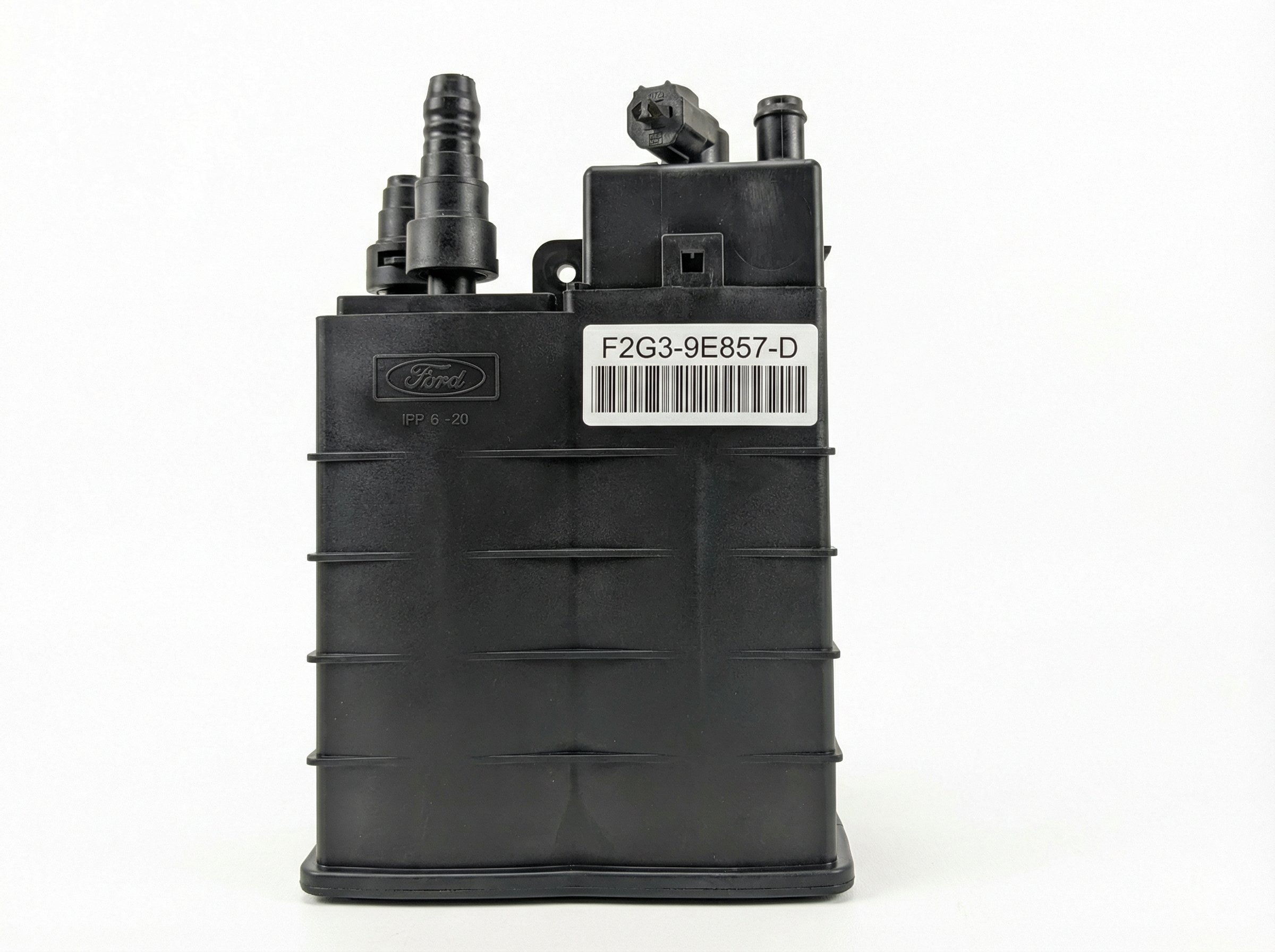
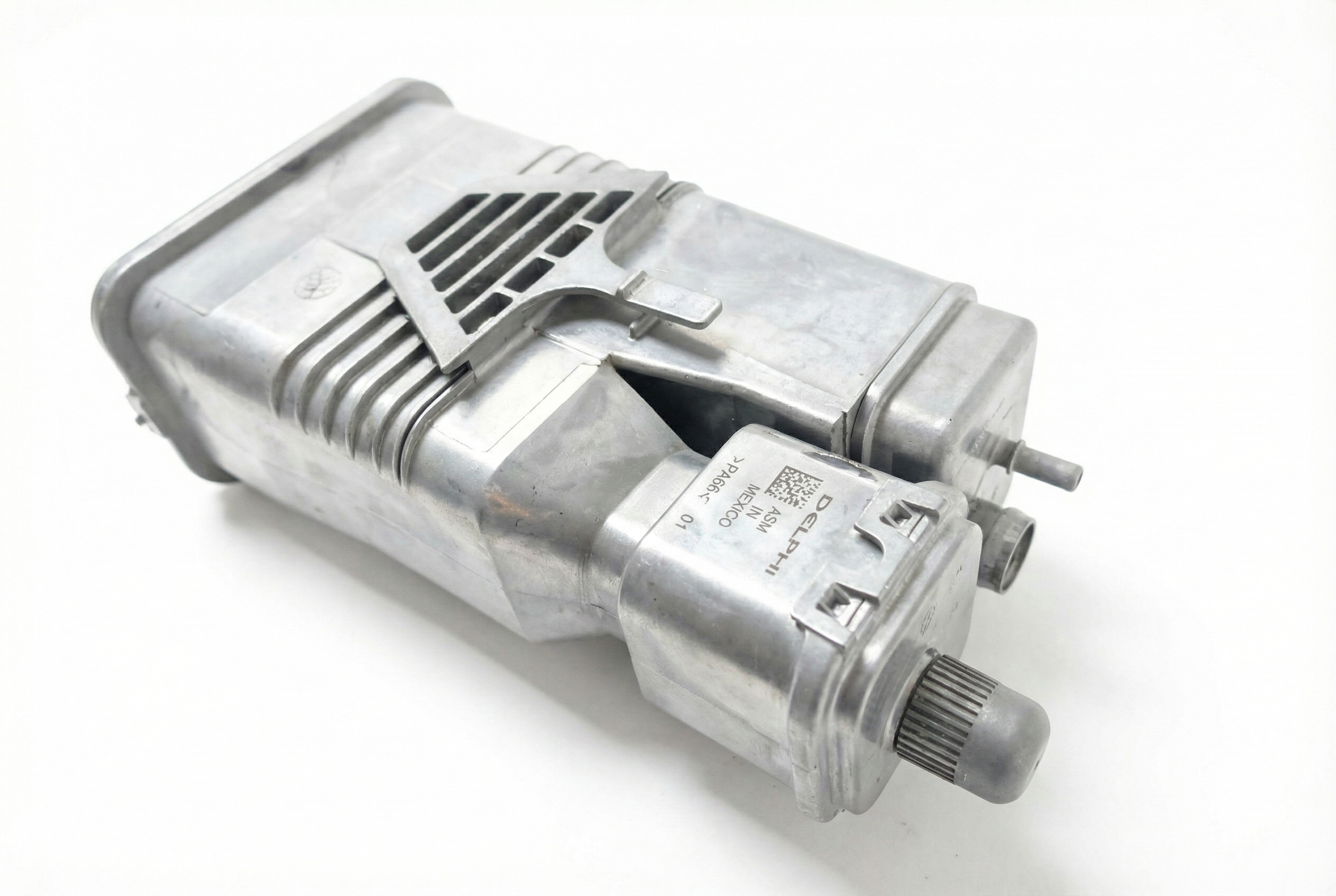
Est. part cost: $0 (if under warranty), $100-$250 for labor otherwise - Faulty EVAP Purge Valve 🟡 Medium Probability → Shop Vapor Canister Stuck-open purge valves are a common issue on many Ford and Lincoln vehicles, allowing un-metered fuel vapors from the gas tank into the engine, causing a rich condition. This introduces fuel that the PCM does not account for, leading to a rich reading from the O2 sensor.
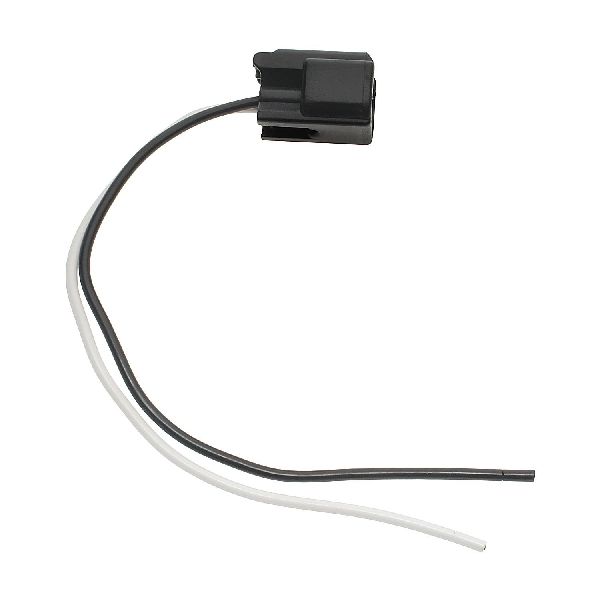
How to confirm: A simple test can be done without tools: disconnect the electrical connector and the vapor line from the charcoal canister side of the valve. Start the engine. If you can feel any vacuum with your finger on the valve's port, it is stuck open and needs to be replaced.
Typical fix: Replace the canister purge valve. 🎬 See how to replace the purge valve on a Nautilus.
Est. part cost: $50-$100 - Leaking Fuel Injector(s) 🟡 Medium Probability → Shop Fuel Injector
How to confirm: Perform a fuel injector balance test or have a technician check for injectors that are stuck open or leaking fuel when closed. A mechanic can use a stethoscope or long screwdriver to listen for an abnormal clicking sound from the injector.
Typical fix: Replace the faulty fuel injector(s). It is often recommended to replace them as a set to ensure balanced engine operation.
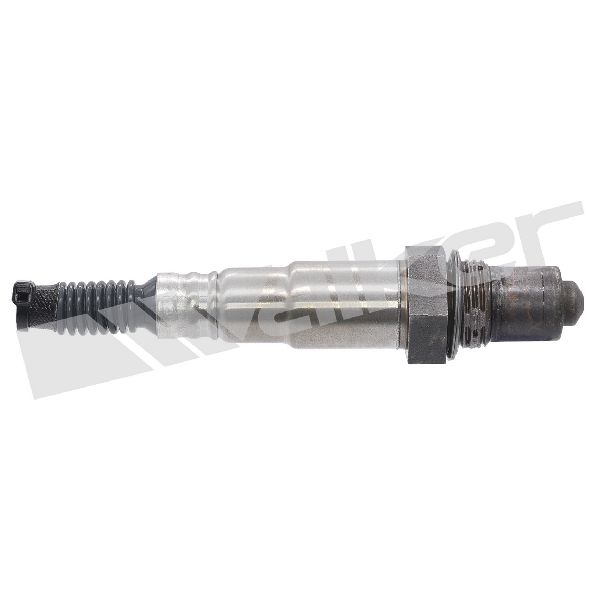
Est. part cost: $70-$150 per injector - Faulty Upstream Oxygen Sensor (Bank 1, Sensor 1) ⚪ Low Probability → Shop Oxygen Sensor The sensor itself can fail, but it is more often a symptom of another problem on this vehicle, such as coolant contamination from the EGR cooler or soot from a rich condition.
How to confirm: After ruling out all other causes, test the O2 sensor's voltage output and response time with a scan tool. A healthy sensor's voltage should fluctuate rapidly. A stuck rich 🎬 Watch this guide on diagnosing Ford P2196 rich codes. sensor will have a consistently high voltage reading (around 0.9V).
Typical fix: Replace the Bank 1, Sensor 1 oxygen sensor. If the EGR cooler was leaking, the O2 sensor should be replaced as well, as coolant contamination can permanently damage it.
Est. part cost: $80-$180
Rare But Worth Checking
- High Fuel Pressure: A failing fuel pressure regulator or high-pressure fuel pump can cause system-wide high fuel pressure, leading to a rich condition. This should be checked with a fuel pressure gauge.
- External Oil Leak: Oil leaking from a valve cover gasket can drip onto the O2 sensor's wiring and contaminate the area where the sensor draws its fresh air reference, leading to an incorrect reading and a P2196 code.
Diagnosis Steps
- Scan the PCM for any other stored trouble codes to see if they provide additional clues.
- Check for applicable Technical Service Bulletins (TSBs). Specifically, look for TSB #SSM 48345, TSB 20-2234, and TSB #19-2046.
- If TSB #19-2046 applies to your vehicle's build date (on or before Jan 23, 2019), have a dealer verify and update the PCM software.
- If symptoms include coolant loss or overheating, perform a cooling system pressure test and inspect the EGR cooler for leaks as outlined in TSB #SSM 48345.
- Test the EVAP purge valve to ensure it is not stuck open. Disconnect the electrical plug and the canister-side hose, start the engine, and check for vacuum at the valve's port.
- Monitor live data on a scan tool, specifically short-term and long-term fuel trims for Bank 1. A significant negative percentage (e.g., -15% or more) confirms the PCM is trying to correct a rich condition.
- Watch the Bank 1 Sensor 1 O2 sensor voltage. If it is stuck high (e.g., >0.8V) and does not fluctuate, it confirms a rich reading.
- Test fuel pressure to ensure it is within the manufacturer's specifications.
- Inspect for external oil leaks from the valve cover that could be contaminating the O2 sensor.
- If all other causes are ruled out, test the Bank 1, Sensor 1 oxygen sensor directly for proper operation and consider replacement, especially if coolant contamination was found.
Parts You'll Likely Need
- EGR Cooler
(OEM #K2GZ-9F464-A)— A common failure point on the 2.0L EcoBoost engine leading to coolant leaks that cause a P2196 code, as documented in TSBs SSM 48345 and 20-2234.
Trusted brands: Motorcraft
OEM price range: $400-$550
Aftermarket price range: $250-$400 - Canister Purge Valve
(OEM #GL3Z-9B325-B)— Frequently fails by sticking open on Ford/Lincoln vehicles, causing a rich condition. Often accompanied by code P0496.
Trusted brands: Motorcraft, Bosch
OEM price range: $60-$90
Aftermarket price range: $30-$50 - Upstream Oxygen Sensor (Bank 1, Sensor 1)
(OEM #FR3Z-9F472-A)— While often not the root cause, the sensor can fail or be contaminated by coolant from a leaking EGR cooler, requiring replacement after the primary issue is fixed.
Trusted brands: Motorcraft, Bosch, Denso, NTK
OEM price range: $120-$180
Aftermarket price range: $70-$110
Related Codes That Often Appear With This One
- P0217 — Engine Overheat Condition. Often appears with P2196 when a leaking EGR cooler is the cause, as noted in TSB #SSM 48345.
- P1299 — Cylinder Head Overtemperature Protection Active. Also associated with the leaking EGR cooler issue per TSB #SSM 48345.
- P0128 — Coolant Thermostat (Coolant Temperature Below Thermostat Regulating Temperature). Can be triggered by the PCM software issue mentioned in TSB #19-2046.
- P0496 — EVAP Flow During a Non-Purge Condition. This code often points directly to a faulty (stuck open) EVAP purge valve, a common cause for a rich condition.
Technical Service Bulletins (TSBs) & Recalls
- SSM 48345: Addresses a leaking EGR cooler on 2.0L EcoBoost engines causing low coolant, smoke, and various DTCs including P2196.
- TSB 19-2046: Recommends a PCM software update for various DTCs, including P2196, on early-build 2019 Nautilus vehicles with the 2.0L EcoBoost engine.
- TSB 20-2234: An updated and more comprehensive bulletin for the leaking EGR cooler issue, providing specific part numbers for the cooler (K2GZ-9F464-A) and gaskets, and outlining repair labor times (3.6 hours for replacement with PCM reprogram).
Platform-Specific Known Issues
- TSB #SSM 48345: Documents an issue on 2019-2020 Nautilus models with the 2.0L EcoBoost engine where the EGR cooler may leak coolant internally, causing a rich condition and triggering code P2196 along with potential overheating codes like P0217 and P1299.
- TSB #19-2046: Specifies that vehicles built on or before January 23, 2019, may have a PCM software issue that causes P2196 and other codes. The fix is a software update, not a hardware replacement.
Hidden / Shadow Codes Worth Checking
- Mode $06 Data: This is not a specific code, but a diagnostic mode that provides test results for non-continuously monitored systems. A technician can analyze the raw data for the O2 sensor heater and sensor response tests to see if they are nearing failure thresholds, even if a hard code has not been set. (see via Professional scan tool (like Ford IDS, FORScan, or other advanced scanners) that can access OBD-II Mode $06.)
Scan Tool Commands That Help
- Ford IDS / FORScan: KOER/KOEO Self-Test (Key On, Engine Running / Key On, Engine Off) — This command initiates a comprehensive self-test of the powertrain control system, cycling various actuators and checking sensor responses. It can help confirm if the PCM is commanding components correctly and if they are responding, which is useful for verifying repairs or narrowing down intermittent issues.
- Ford IDS / FORScan: EVAP System Test — This function specifically tests the integrity and function of the evaporative emissions system, including commanding the purge valve and vent solenoid to check for leaks and proper operation. This is critical when a faulty purge valve is suspected.
Wiring & Ground Locations
- Engine Compartment Fuse Box — Located in the engine compartment on the left side of the vehicle.. This box contains critical fuses for the Powertrain Control Module (PCM). A poor connection or blown fuse here can cause the P2196 code. Specifically, check fuses F23, F24, F26, and F27, which are designated for 'Powertrain control module - vehicle power'.
- G104 / G105 (example identifiers) — Main engine and chassis ground points are typically located on the frame rail in the engine bay, near the battery, and from the engine block to the chassis. A specific ground cable part number K2GT-19A095-BC has been identified as the negative battery ground cable.. A corroded or loose main ground connection for the PCM or its sensors can cause incorrect voltage readings, leading to false rich codes like P2196. The O2 sensor relies on a solid ground reference to produce an accurate signal.
Real Owner Repair Stories
- YouTube channel 'JVFIX LLC' (2013 Ford Mustang V6 (similar Ford EVAP system design)) — Check engine light with codes P2196 and P2198 (Stuck Rich for both banks).
❌ Tried (didn't work) The video focuses on diagnosing the most common cause first, rather than listing failed attempts.
✅ What actually fixed it The EVAP canister purge valve was found to be leaking, sucking un-metered fuel vapors into the engine at idle. Replacing the purge valve resolved the rich condition and the codes. - YouTube channel 'Rainman Ray's Repairs' (2014 Ford Explorer (similar Ford EVAP system design)) — Intermittent P2196 and P2198 codes that three different Ford dealers could not fix. The issue primarily occurred after refueling the vehicle.
❌ Tried (didn't work) Multiple dealership visits with unspecified attempted repairs.
✅ What actually fixed it The technician diagnosed a faulty EVAP purge valve that was leaking intermittently, specifically after being subjected to the pressure increase in the fuel tank during refueling. This forced fuel vapors into the intake, causing the temporary rich condition that set the codes. Replacing the purge valve provided the final fix.
"I Checked Everything" — The Actual Cause
- In a documented repair on a similar Ford platform, the root cause for P2196 was an intermittently failing EVAP purge valve that only leaked after the pressure change from refueling. A standard smoke test performed at another time would likely show no leaks, as the valve was not in its failed state. This highlights that dynamic testing or understanding the specific conditions that trigger the fault (like refueling) is key, as static tests like a smoke test can be misleading.
OEM Part Supersession History
K2GZ-9F464-A→K2GZ-9F464-B— Part revision by the manufacturer, likely for improved durability or to address the leaking issue.
Heads up: The new part is a direct replacement for the old one.GL3Z-9B325-A (and FL3Z-9B325-A)→GL3Z-9B325-B— Part revision for the EVAP canister purge valve, common across many Ford/Lincoln models.
Heads up: The new part is a direct replacement for the previous versions.
Model Year Variations Within This Range
- 2019: Vehicles built on or before January 23, 2019, are subject to TSB #19-2046, which calls for a PCM software update to resolve potential false P2196 codes. Models built after this date should already have the updated software.
- 2020: For the 2020 model year, Lincoln discontinued the 'Select' trim level, leaving only the Standard, Reserve, and Black Label trims. This was a packaging change and did not affect the powertrain components related to this code.
Helpful Videos


Used OEM Parts in Stock
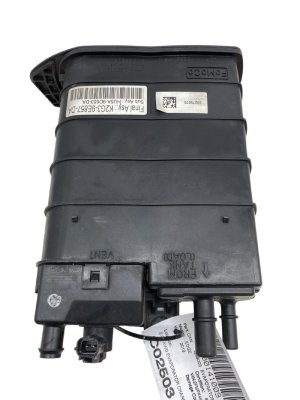
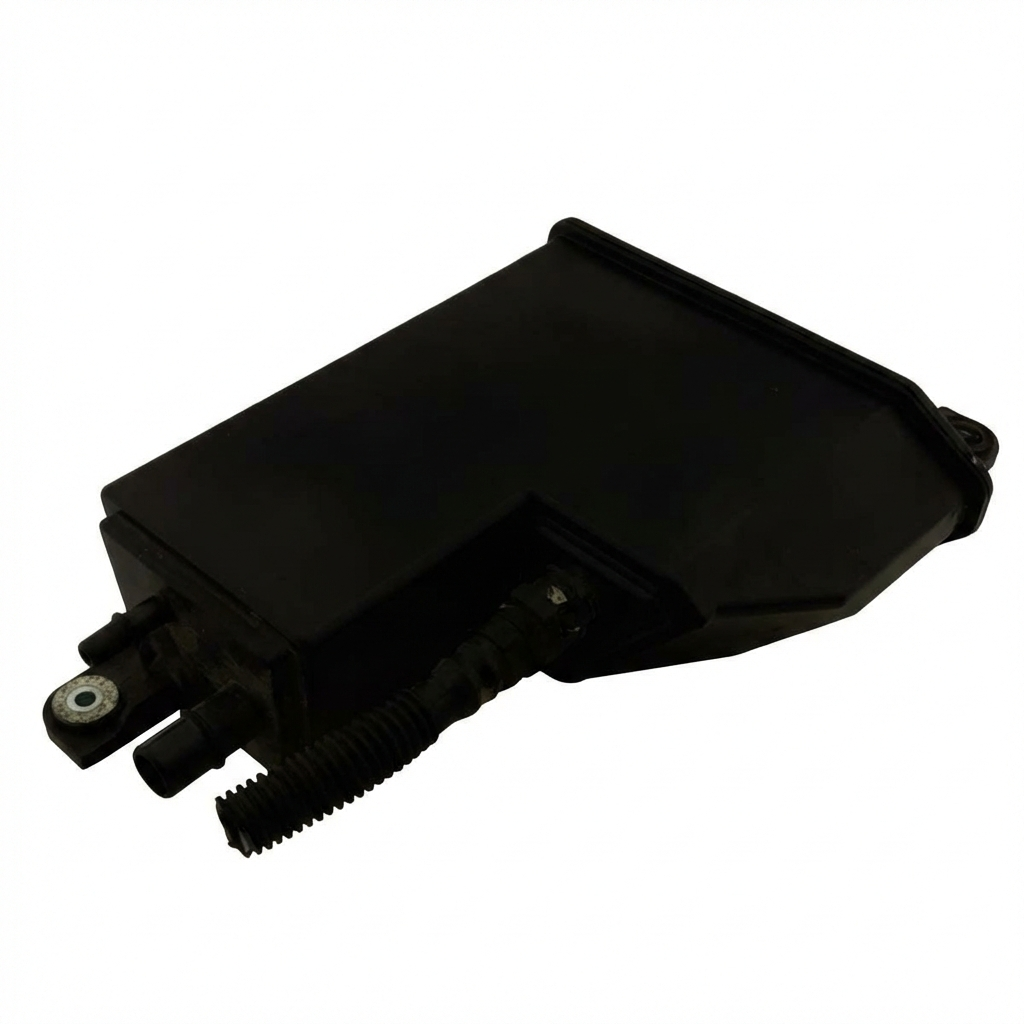
New Aftermarket Parts Available


The information in this article is provided for general reference and educational purposes only. Vehicle specifications, procedures, and part compatibility can vary by production date, trim level, and region. Always consult your vehicle's factory service manual and verify part numbers before purchasing or performing repairs. Safety-critical components such as airbags, seat belts, and braking systems should be installed by a qualified professional.
- Lincoln NAUTILUS:
- 🧭 Diagnostic Flowchart
- 🎬 Helpful Videos
- 🛍️ Shop This Part
- What's Unique About the 2019-2020 Lincoln NAUTILUS
- Symptoms You May Notice
- Most Likely Causes
- Rare But Worth Checking
- Diagnosis Steps
- Parts You'll Likely Need
- Related Codes That Often Appear With This One
- Technical Service Bulletins (TSBs) & Recalls
- Platform-Specific Known Issues
- Hidden / Shadow Codes Worth Checking
- Scan Tool Commands That Help
- Wiring & Ground Locations
- Real Owner Repair Stories
- "I Checked Everything" — The Actual Cause
- OEM Part Supersession History
- Model Year Variations Within This Range
- 🎟️ Get 5% Off