

P2198 on 2011-2019 Ford Explorer 3.5L V6: O2 Sensor Stuck Rich Causes and Fixes
On a 2011-2019 Explorer with the 3.5L V6, code P2198 is most often caused by a faulty EVAP canister purge valve stuck open, not the oxygen sensor itself. This is a very common Ford issue, and the part costs around $35-$70. It's an easy 15-minute DIY replacement located on top of the engine. When this part fails, it often triggers P1450 and P2196 codes as well.
- P2198 on your Explorer most likely means you need a new EVAP purge valve, not a new oxygen sensor.
- Always test the purge valve first; it's easy to access on top of the engine and the 'thumb test' at idle takes less than five minutes.
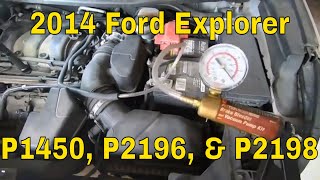
- If you also have codes P2196 (for the other bank) and P1450, it is almost certainly the purge valve.
- Driving with this code can hurt your gas mileage and eventually lead to a very expensive catalytic converter replacement, so it's best to address it promptly.
- Replacing the purge valve is a beginner-friendly DIY job that can save you hundreds of dollars compared to a shop visit.
What's Unique About the 2011-2019 Ford Explorer
For this generation of Ford Explorer and other vehicles with the 3.5L V6, the P2198 code is very frequently a symptom of another problem rather than a failed oxygen sensor. The EVAP canister purge valve has a high failure rate, where it sticks open and allows un-metered fuel vapors to be drawn into the engine, creating a rich condition that the O2 sensor accurately reports. Owners and technicians familiar with this platform will almost always check the purge valve before considering replacing the more expensive and harder-to-access O2 sensor. This issue is so common that seeing P2198 alongside P2196 (Bank 1 Stuck Rich) and P1450 (Unable to Bleed Up Fuel Tank Vacuum) is a classic signature of a failed purge valve.
Generation note: The 2011-2019 model years all belong to the fifth generation of the Ford Explorer. The information and common causes are consistent for all vehicles in this range equipped with the naturally aspirated 3.5L Cyclone V6.
Symptoms You May Notice
- Check Engine Light is on
- Reduced fuel economy
- Rough or unstable idle, sometimes dropping low as if to stall
- Engine hesitation or stumbling during acceleration
- Difficulty starting the engine, especially right after refueling
- A faint smell of gasoline
- When accompanied by P1450, a 'whoosh' sound may be heard from the fuel filler neck when opening it due to excessive vacuum.
- Immediately replacing the oxygen sensor without first testing the EVAP purge valve. The O2 sensor is often just the messenger reporting the rich condition caused by the faulty valve.
Most Likely Causes
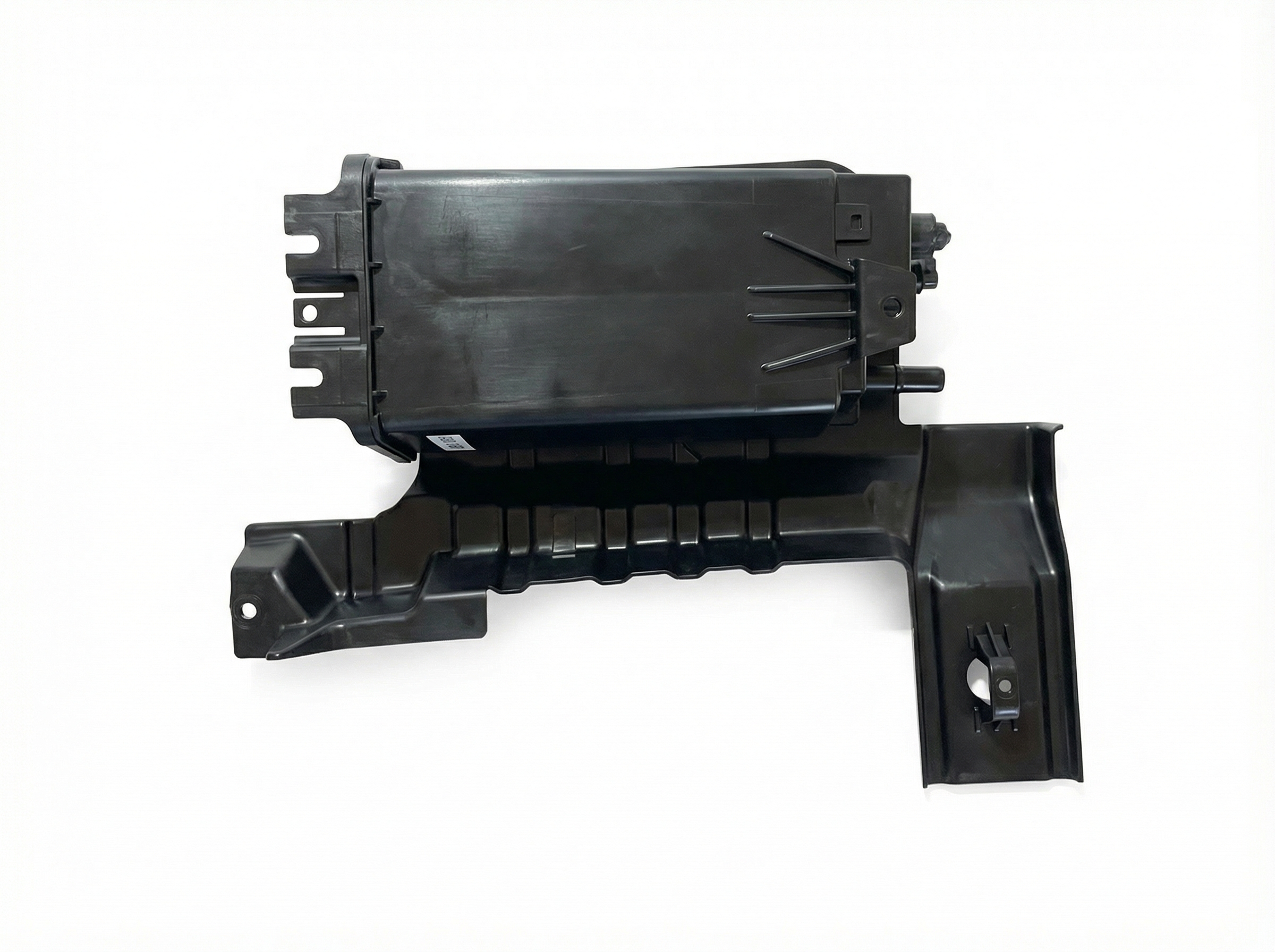
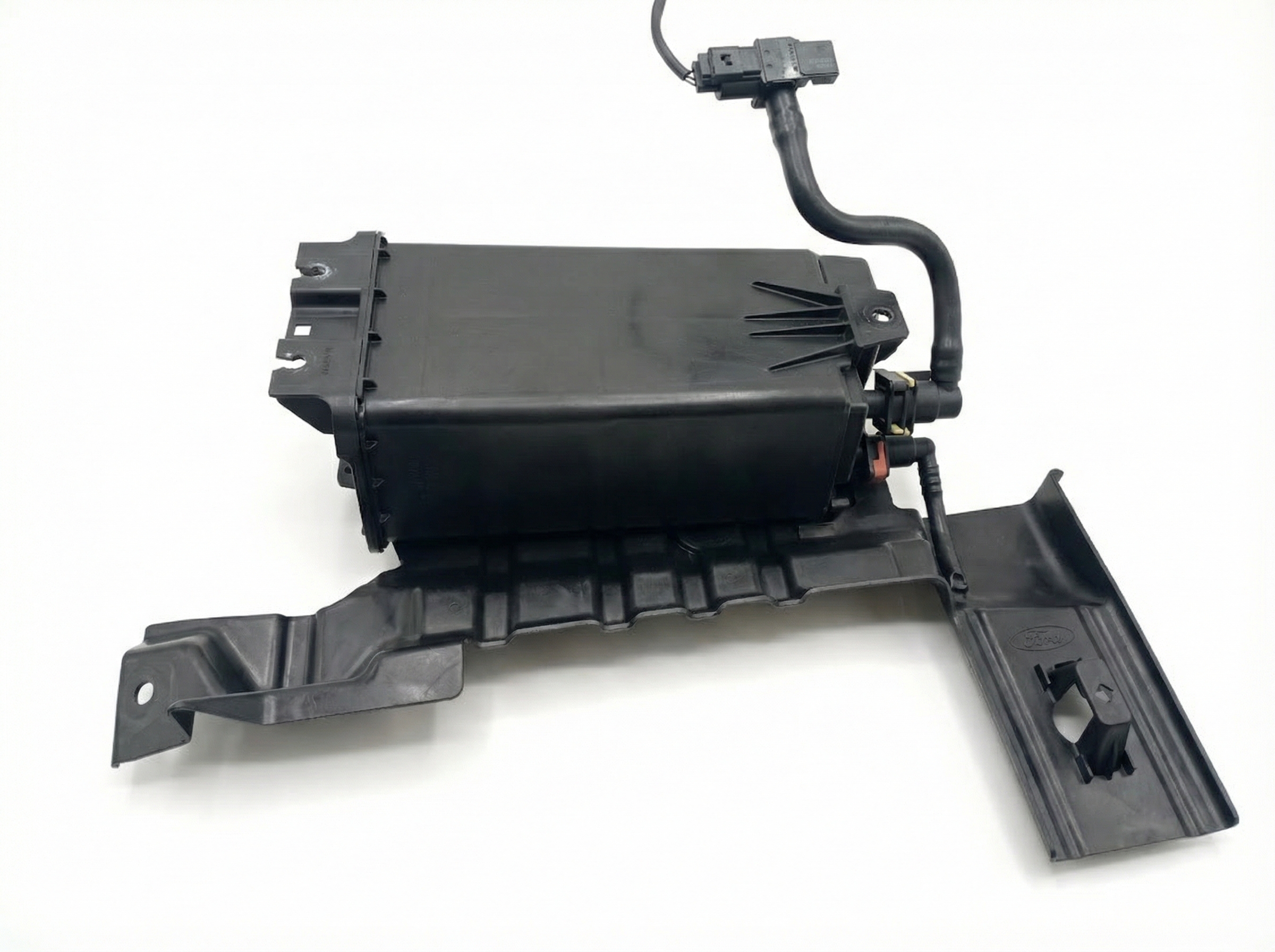
- Faulty EVAP Canister Purge Valve 🔴 High Probability → Shop Vapor Canister This specific part is a well-documented, high-failure item on many Ford vehicles from this era, including the Explorer with the 3.5L engine. It fails by sticking open, which is not its default state, allowing a constant flow of fuel vapors into the intake.
How to confirm: With the engine idling, disconnect the vapor hose from the purge valve on the engine. Place your finger or a vacuum gauge over the port on the valve itself. If you feel any suction or see a vacuum reading, the valve is stuck open and faulty. This is a definitive test. Some owners have also confirmed failure by blowing through the valve when it's removed from the vehicle; if air passes through, it's bad.
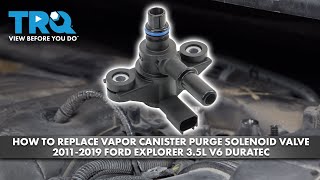
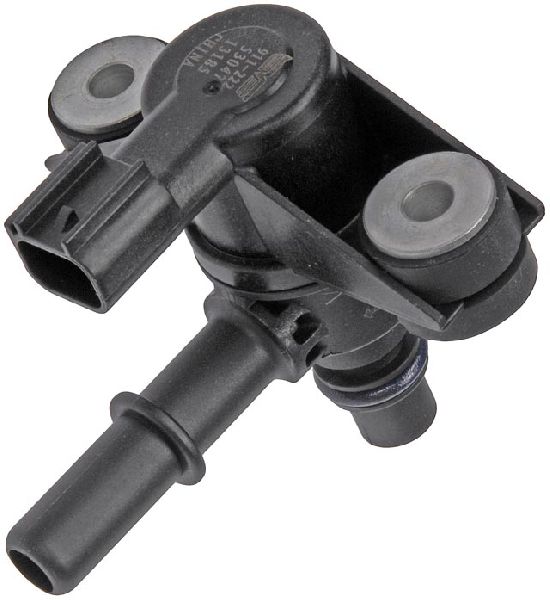
Typical fix: Replace the canister purge valve. It is located on top of the intake manifold and is typically held on by two 8mm bolts, making it a very simple replacement. 🎬 Watch: How to replace the purge valve
Est. part cost: $35-$70 - Faulty Bank 2, Sensor 1 Oxygen Sensor 🟡 Medium Probability → Shop Oxygen Sensor Oxygen sensors are wear-and-tear items that eventually fail. However, on this platform, it's much more likely to be the purge valve. This should be considered the second step after the purge valve is confirmed to be good.
How to confirm: Use a scan tool to monitor the live voltage data for the Bank 2, Sensor 1 O2 sensor. A healthy sensor's voltage should fluctuate rapidly between approximately 0.1V (lean) and 0.9V (rich). If the voltage is stuck high (e.g., >0.8V) and does not switch, the sensor may be bad. This test should be performed after confirming the purge valve is working correctly.
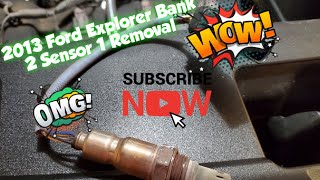
Typical fix: Replace the Bank 2, Sensor 1 (upstream) oxygen sensor. It is located on the front exhaust manifold (radiator side) and is the easiest of the four O2 sensors to access. 🎬 See how to remove the Bank 2 Sensor 1 O2 sensor
Est. part cost: $50-$120 - Leaking Fuel Injector(s) on Bank 2 ⚪ Low Probability → Shop Fuel Injector While less common for this specific engine, leaking injectors can cause a rich condition. It's important to note that Ford Safety Recall 22S73 for cracking fuel injectors applies to 1.5L engines in Bronco Sport and Escape models, not the 3.5L V6 in the Explorer.
How to confirm: This is more difficult to diagnose. A professional may perform a fuel pressure leak-down test. Another method is to pull the spark plugs from Bank 2 (the front three cylinders) and inspect them for signs of being fuel-fouled (wet with gas, heavy black soot) compared to Bank 1.
Typical fix: Replace the leaking fuel injector(s) on Bank 2. This is a more involved repair.
Est. part cost: $40-$100 per injector
Rare But Worth Checking
- Dirty or Faulty Mass Airflow (MAF) Sensor: An incorrect airflow reading can cause the computer to miscalculate the fuel mixture for both banks. While less common for a single-bank code, it's worth cleaning the MAF sensor with a dedicated cleaner as it's easy and inexpensive.
- High Fuel Pressure: A failing fuel pressure regulator or a restriction in the fuel return line could cause system-wide high fuel pressure, leading to rich conditions. This would typically set codes for both banks (P2196 and P2198).
- PCM Software Issue: Less commonly, the PCM may have outdated software logic. 🎬 Watch: Diagnosing an intermittent P2196 and P2198 code Check with a Ford dealer if any software updates related to fuel trim or emissions are available for your vehicle's VIN.
- Contaminated Engine Oil: In some cases discussed by Ford technicians, a severe rich condition (like from a stuck purge valve) can contaminate the engine oil with fuel. Even after fixing the root cause, the contaminated oil can continue to cause rich running conditions until it is changed.
Diagnosis Steps
- Connect an OBD-II scanner to confirm the P2198 code and check for any other related codes like P2196, P1450, or P0175. The presence of P1450 almost guarantees a bad purge valve.
- With the engine running at idle, locate the EVAP purge valve on the top of the engine's intake manifold.
- Disconnect the vapor line that runs from the valve towards the firewall. Place your thumb or a vacuum gauge over the open port on the valve itself.
- If you feel any suction at idle, the purge valve has failed and must be replaced. This is the most likely solution.
- If there is no suction, the purge valve is likely good. Proceed to the next step.
- Using the scan tool, observe the live data for the 'O2S21' (Oxygen Sensor, Bank 2, Sensor 1) voltage. If the voltage is stuck high (above 0.8V) and not fluctuating, the sensor may be faulty or there is a true rich condition from another cause.
- Inspect the wiring and connector for the Bank 2, Sensor 1 O2 sensor for any damage, melting, or corrosion.
- If the purge valve and O2 sensor wiring are good, consider cleaning the Mass Airflow (MAF) sensor, located on the air filter housing, with a dedicated MAF sensor cleaner spray.
- If the issue persists, the problem may be a leaking fuel injector on Bank 2, which may require professional diagnosis. Consider an oil change if the oil smells strongly of gasoline.
Parts You'll Likely Need
- Vapor Canister Purge Valve
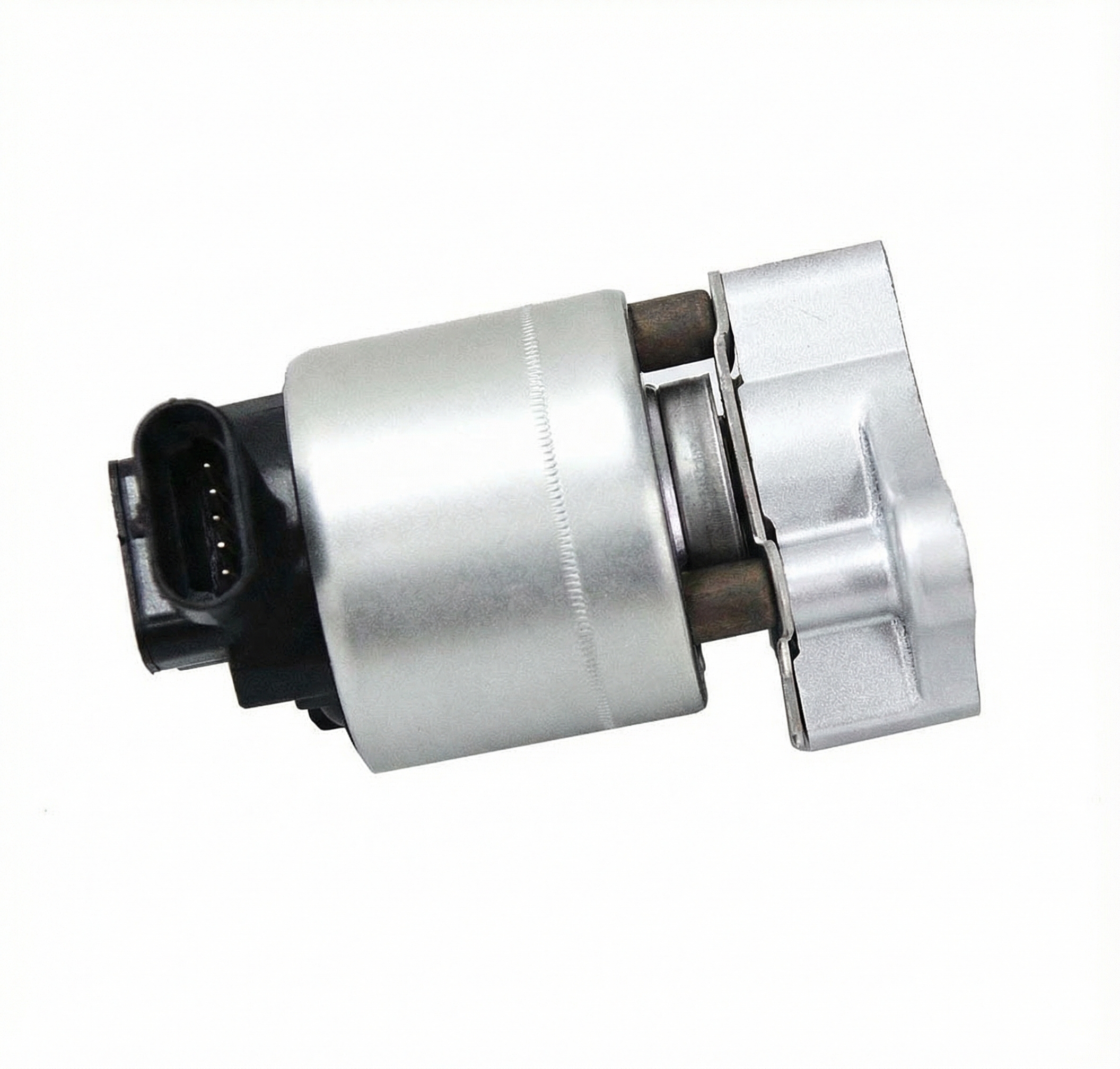
(OEM #9U5Z-9C915-H (Ford Engineering Number), CX-2409 (Motorcraft Service Number))— This is the most common failure point on the 3.5L V6 that causes a P2198 code by sticking open and creating a rich condition.
Trusted brands: Motorcraft, Bosch, Dorman
OEM price range: $50-$70
Aftermarket price range: $35-$55 - Upstream Oxygen Sensor (Bank 2, Sensor 1)
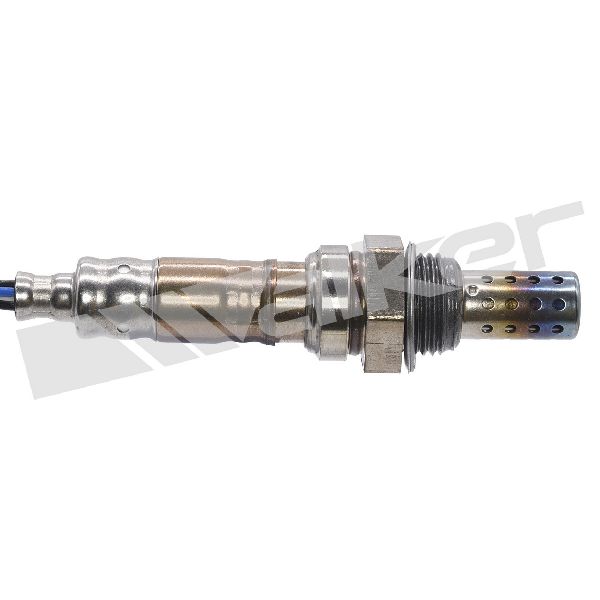
(OEM #DY-1178 (Motorcraft))— If the purge valve is confirmed to be working correctly, the O2 sensor itself may have failed and is the next most likely component to replace.
Trusted brands: Motorcraft, Bosch, Denso, NTK
OEM price range: $80-$120
Aftermarket price range: $50-$90
Related Codes That Often Appear With This One
- P2196 — This is the identical 'Stuck Rich' code for Bank 1 (firewall side). When both P2196 and P2198 appear together, it strongly points to a common cause affecting both banks, like a faulty EVAP purge valve or MAF sensor.
- P1450 — This code means 'Unable to Bleed Up Fuel Tank Vacuum' and is a classic indicator of a stuck-open EVAP purge valve on Ford vehicles. Seeing it with P2198 is a near-certain diagnosis of a bad purge valve.
- P0175 — This is a more general code for 'System Too Rich (Bank 2)'. P2198 is a more specific fault pointing to the sensor signal itself, but they often appear together as they describe the same underlying problem.
- P0172 — This is the general 'System Too Rich' code for Bank 1. Seeing it with P2198 and P2196 reinforces a problem common to the entire engine.
Platform-Specific Known Issues
- cause: Ford Safety Recall 22S73 was issued for some Ford models concerning cracking fuel injectors that could leak fuel, potentially causing a rich condition and, in rare cases, an underhood fire. However, this recall specifically applies to 2020-2023 models with the 1.5L engine (like Escape and Bronco Sport) and does NOT apply to the 3.5L V6 in the 2011-2019 Explorer.
Mechanic-Grade Diagnostic Values
- Mass Airflow (MAF) Sensor Reading at Idle — expected: Approximately 3-4 g/s at normal operating temperature and idle (~600 RPM).. Failure: A reading significantly lower than 3 g/s, such as 0.3-0.8 g/s, could indicate a large vacuum leak downstream of the sensor, causing the PCM to incorrectly calculate fuel mixture.
- Upstream O2 Sensor (A/F Sensor) Voltage — expected: Should rapidly fluctuate between approximately 0.1V (lean) and 0.9V (rich).. Failure: A signal that is consistently above 0.45V and does not switch indicates a stuck rich condition. If it's pegged near 0.9V, the sensor is either faulty or accurately reporting a severe rich condition.
- Mechanical vs. Scan Tool Fuel Pressure — expected: The reading from a mechanical fuel pressure gauge and the Fuel Rail Pressure (FRP) PID on a scan tool should be nearly identical.. Failure: A significant discrepancy, such as a mechanical gauge showing 100+ psi while the scan tool shows 30 psi, points to a faulty Fuel Rail Pressure sensor, not an actual pressure problem. This can trick the PCM and cause rich codes.
Scan Tool Commands That Help
- FORScan / Ford IDS: EVAP System Test or Purge Valve Duty Cycle Command — This bidirectional command allows the technician to manually open and close the EVAP purge valve while the engine is running. You can command the valve to 0% (closed) and verify no vacuum is present at the valve's port. Then, command it to 50% or 100% and confirm vacuum is now present. This is a more controlled way to test the valve and its circuit compared to simply unplugging it.
- Ford IDS: Key On Engine Running (KOER) Self-Test — After a repair, running the KOER self-test is a good way to confirm the fix. The PCM will cycle through various sensor and actuator tests. If the test completes with no faults detected, it provides high confidence that the issue (like the stuck rich O2 sensor reading) is resolved.
Wiring & Ground Locations
- Engine to Body/Firewall Ground Strap — Look for a braided strap or heavy wire running from the firewall to a bolt on the intake manifold or cylinder head. On the 3.5L V6, this is often on the passenger side near the back of the engine.. A corroded or loose engine ground can cause erratic voltage references for various sensors, including the O2 sensors. This can lead to incorrect readings and phantom codes. Ensuring this ground is clean and tight is a critical step in diagnosing electrical gremlins.
- Battery Negative to Body Ground — Follow the main negative battery cable. It typically bolts to the inner fender or radiator support structure near the battery.. This is the primary ground for the entire vehicle's body, which serves as the ground plane for the PCM and many sensors. Corrosion here can cause widespread electrical issues, including sensor data corruption that could trigger a P2198 code.
Real Owner Repair Stories
- YouTube Commenter on 'Causes and Fixes P2198 Code' (2011 Ford Explorer Limited Edition) — Initial codes P2196 & P2198 with engine misfire, shaking, and gas smell. After replacing spark plugs and ignition coils, the car ran well for a week, then the misfire and gas smell returned violently, accompanied by new codes P2195, P2196, P2197, P2198.
❌ Tried (didn't work) Replaced radiator (unrelated old issue), Replaced spark plugs, Replaced ignition coils
✅ What actually fixed it The user's story ends with them asking for advice, suspecting a vacuum leak or fuel injectors. This highlights a scenario where initial common fixes (plugs/coils) did not resolve the underlying rich condition, which then became severe enough to affect both banks with both rich and lean codes, pointing towards a more complex fuel delivery or unmetered air issue. - Reddit /r/MechanicAdvice user (2013 Ford Edge SEL 3.5L V6 (same engine and common issues)) — Intermittent shutter/stall at idle with P2196/P2198 codes. Lurching on acceleration. Later developed a no-start after refueling, which was temporarily resolved by giving it gas while starting, but then threw P2195/P2197 (stuck lean) and P0300 (random misfire) codes.
❌ Tried (didn't work) Cleaned MAF sensor, Cleaned throttle body, Replaced EVAP purge valve with an Autozone part
✅ What actually fixed it The user's post is a request for help, but it serves as a critical case study. The fact that replacing the purge valve with an aftermarket part did NOT fix the issue, and the problem evolved from 'stuck rich' to include 'stuck lean' and misfire codes after a fueling event, strongly suggests either the aftermarket purge valve was faulty out of the box, or a more complex issue like a failing fuel pump driver module or contaminated fuel is present.
OEM Part Supersession History
9U5Z-9C915-H→AU5Z-9C915-B (one of the common replacements, though multiple numbers exist)— Part consolidation and potential minor revisions over the vehicle's long production run. The core design flaw of sticking open remains a common failure mode across revisions.
Heads up: While many aftermarket parts are available (e.g., Dorman 911-222), some forum users report higher failure rates with non-OEM brands. Given the low cost of the Motorcraft part, it is often recommended to stick with OEM to avoid repeat failures.
Model Year Variations Within This Range
- 2016-2019: The 2016 model year introduced a mid-cycle refresh with exterior updates and a new SYNC 3 infotainment system. While the naturally aspirated 3.5L V6 engine remained fundamentally the same workhorse, some underlying electronics and software versions may differ from the 2011-2015 models. However, the common causes and fixes for P2198, particularly the EVAP purge valve failure, are consistent across the entire 2011-2019 generation.
- 2013-2016: For the related 3.5L EcoBoost (turbocharged) engine not covered here, Ford switched from a Hitachi fuel system to a Bosch direct injection system in 2013. While this doesn't affect the naturally aspirated Cyclone V6, it's an example of component changes within the same engine family during this period.
Diagnostic Flowchart
Other Known Issues on This Vehicle
Issues unrelated to this code that are worth knowing about as an owner of this generation:
- Internal Water Pump Failure 🔴 High — Common after 80,000-120,000 miles. Failure can be catastrophic, as leaking coolant mixes with engine oil, leading to engine seizure.
- Power Transfer Unit (PTU) Failure 🔴 High — Common on AWD models. The unit is located near the hot exhaust, causing its small fluid capacity to overheat and break down, leading to gear and bearing failure.
- Exhaust Odor in Cabin 🟠 Medium — Widespread issue, particularly on 2011-2017 models, where exhaust fumes (sometimes smelling of sulfur) can enter the cabin during heavy acceleration or with the A/C on recirculation. (Ref: TSB 16-0166, TSB 17-0029, TSB 17-0044)
- Electronic Throttle Body Failure 🟠 Medium — A well-known issue causing the vehicle to enter 'limp mode' with sudden loss of power. The fault is internal to the throttle body electronics. (Ref: Customer Satisfaction Program 13N03 (extended warranty))
- Steering Gear / Power Steering Failure 🔴 High — A significant number of complaints exist for failures of the electronic power steering rack, leading to a sudden loss of power assist. (Ref: Multiple steering-related recalls were issued.)
- Paint bubbling on aluminum hood 🟡 Low — Cosmetic issue common on earlier models (2011-2015) where contamination during manufacturing causes the paint to bubble and flake off the leading edge of the aluminum hood.
Used vs. New Parts: Buying Guide for This Vehicle
When a used part is the smart pick: For this specific repair, using used parts is generally not recommended. The primary failure part, the EVAP purge valve, is inexpensive to buy new, and the failure is so common that a used part from a junkyard has a high probability of either being already faulty or failing soon.
Donor-vehicle mileage cap: roughly under 20000 miles for the part to have meaningful remaining life.
What to inspect on the donor part:
- If forced to use a used part, source it from a vehicle with the lowest possible mileage.
- Inspect for cracks or damage to the plastic housing and connectors.
- Attempt to blow through the valve; if any air passes, it is faulty.
OEM-only on this vehicle (don't cheap out):
- EVAP Canister Purge Valve: While not strictly 'OEM-only', the Motorcraft part (CX-2409) is highly recommended over aftermarket alternatives due to reports of premature failure on brands like Dorman in some applications. Given the small price difference, OEM is the smarter choice for reliability.
Aftermarket brands forum-validated for this vehicle:
- O2 Sensors: Denso and NTK (an NGK brand) are widely regarded in forums as high-quality alternatives to OEM Motorcraft sensors, and are often the original equipment manufacturer anyway.
Brands owners have reported issues with on this vehicle:
- Generic/No-Name O2 Sensors: Avoid unbranded, ultra-cheap oxygen sensors from online marketplaces. They often have poor calibration and short lifespans, leading to recurring codes.
- Dorman Purge Valves: Some users across various Ford platforms have reported quick failures with Dorman-branded purge valves, suggesting the internal components may not be as robust as the OEM Motorcraft/Bosch units.
Related OBD-II Codes
Frequently Asked Questions
Does the Ford Safety Recall 22S73 for cracking fuel injectors apply to my 2011-2019 Explorer 3.5L?
I have a P2198 and a P1450 code at the same time on my Explorer; what does this mean?
Why does my Explorer have difficulty starting specifically after I fill up the gas tank?
Is the Bank 2, Sensor 1 oxygen sensor difficult to replace on the 3.5L V6?
Can a bad purge valve cause a 'whoosh' sound when I open my gas cap?
Are there any TSBs for the exhaust smell I notice in the cabin during acceleration?
Helpful Videos

Used OEM Parts in Stock
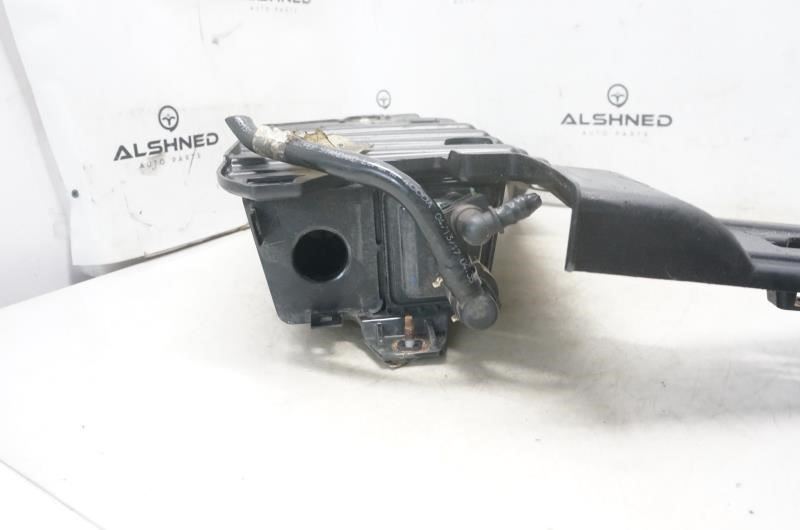

New Aftermarket Parts Available


The information in this article is provided for general reference and educational purposes only. Vehicle specifications, procedures, and part compatibility can vary by production date, trim level, and region. Always consult your vehicle's factory service manual and verify part numbers before purchasing or performing repairs. Safety-critical components such as airbags, seat belts, and braking systems should be installed by a qualified professional.
- Ford Explorer:
- 🧭 Diagnostic Flowchart
- 🎬 Helpful Videos
- 🛍️ Shop This Part
- What's Unique About the 2011-2019 Ford Explorer
- Symptoms You May Notice
- Most Likely Causes
- Rare But Worth Checking
- Diagnosis Steps
- Parts You'll Likely Need
- Related Codes That Often Appear With This One
- Platform-Specific Known Issues
- Mechanic-Grade Diagnostic Values
- Scan Tool Commands That Help
- Wiring & Ground Locations
- Real Owner Repair Stories
- OEM Part Supersession History
- Model Year Variations Within This Range
- Other Known Issues on This Vehicle
- Used vs. New Parts: Buying Guide for This Vehicle
- Related OBD-II Codes
- Frequently Asked Questions
- 🎟️ Get 5% Off