

P2198 on 2015-2018 Ford Transit: O2 Sensor Stuck Rich (Bank 2) Causes & Fixes
On a 2015-2018 Ford Transit with a gas engine, code P2198 is most often caused by a water leak into the engine bay from a bad cowl seal, which shorts wiring or soaks the air filter (per TSB 19-2091). The second most likely cause is a failed EVAP canister purge valve stuck open. Do not replace the O2 sensor until these two common issues are ruled out.
- For code P2198 on a 2015-2018 Transit, always start by checking for water in the air filter box, a known issue covered by Ford TSB 19-2091.
- The second most likely cause is a stuck-open EVAP purge valve, a common Ford problem that often triggers code P1450 as well.
- Do not assume the O2 sensor is bad. It is often just accurately reporting a rich condition caused by another component.
- Driving with this code can lead to costly catalytic converter failure, so it should be addressed promptly.
What's Unique About the 2015-2018 Ford Transit
Unlike many vehicles where this code points to a bad sensor or injector, the 2015-2018 Transit is known for a specific design flaw. Ford issued Technical Service Bulletin (TSB) 19-2091 acknowledging that water can leak from the cowl area directly into the engine bay on vehicles built on or before July 24, 2018. This water can saturate the air filter, causing a genuinely rich condition, or damage the O2 sensor wiring and connectors, leading to the P2198 code. This makes checking for water intrusion the mandatory first diagnostic step on these vans.
Symptoms You May Notice
- Check Engine Light is on
- Reduced fuel economy
- Rough or unstable idle
- Hesitation or sluggish acceleration
- Black smoke from the exhaust
- Smell of raw fuel
- Replacing the oxygen sensor without first checking for water intrusion or a faulty EVAP purge valve. These are more common issues on the Transit and should be investigated first to avoid wasting money on a sensor that isn't broken.
Most Likely Causes
- Water Intrusion into Engine Bay 🔴 High Probability A known issue documented in Ford TSB 19-2091 where a poorly sealed cowl on vans built before July 24, 2018, allows water to leak onto the airbox and driver's side wiring.
How to confirm: Open the hood and inspect the air filter housing, engine cover, and electrical connectors on the driver's side for water stains, corrosion, or moisture. Remove the air filter and check if it is damp or saturated.
Typical fix: Install the updated water management hardware (cowl panel seals/deflectors, e.g., OEM part CK4Z-6102408-AA) as detailed in TSB 19-2091. Dry out or replace any damaged connectors and replace the wet air filter.
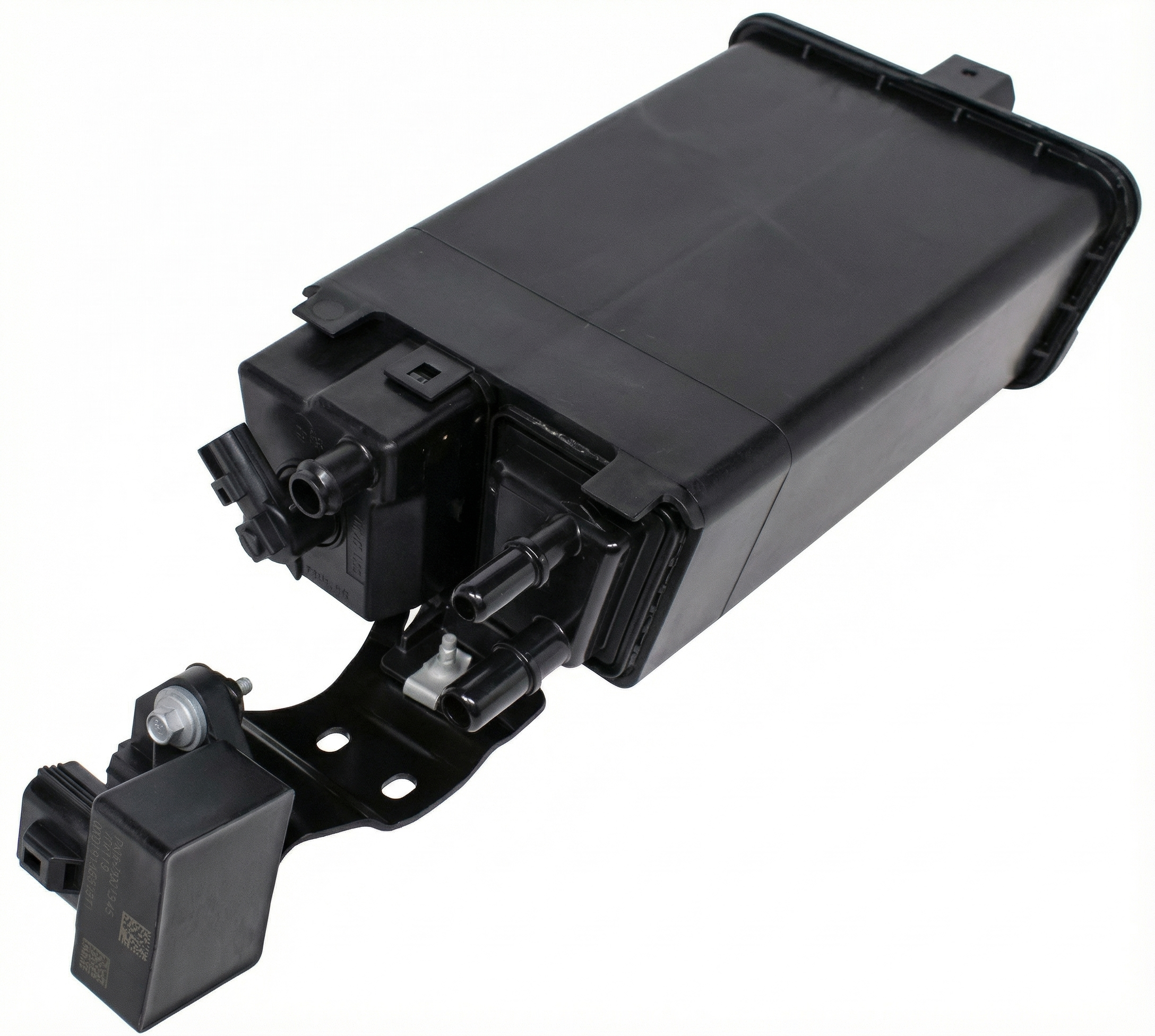
Est. part cost: $30-$100 - Stuck-Open EVAP Canister Purge Valve 🔴 High Probability → Shop Vapor Canister This is a very common failure part on many Ford vehicles. When it sticks open, it allows unmetered fuel vapor into the intake manifold, creating a rich condition. It often appears with code P1450.
How to confirm: Locate the purge valve on the intake manifold. With the engine idling, disconnect the vapor line running from the valve to the intake manifold and feel for suction. There should be no vacuum at idle. If there is, the valve is stuck open.
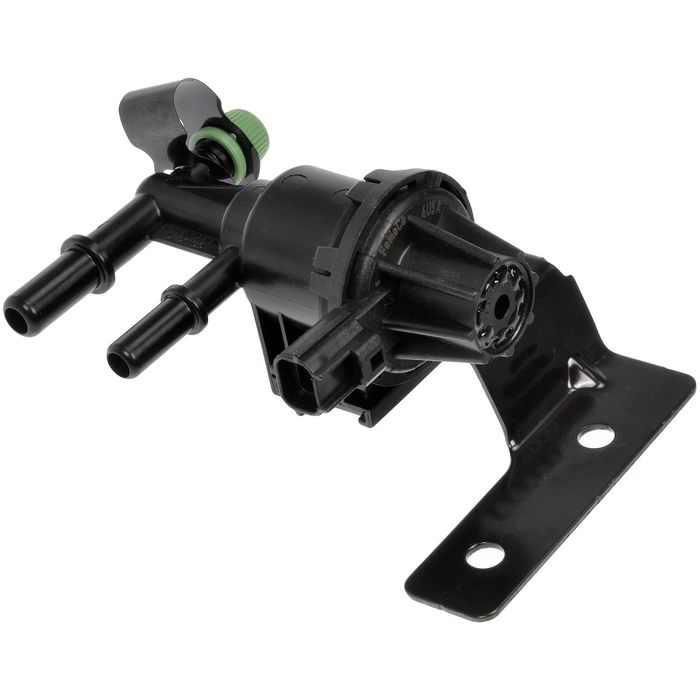
Typical fix: Replace the canister purge valve. This is a simple repair with two 8mm bolts.
Est. part cost: $40-$80 - Leaking Fuel Injector(s) on Bank 2 🟡 Medium Probability → Shop Fuel Injector Particularly on the 3.5L EcoBoost direct-injection engine, injectors can leak fuel directly into a cylinder, causing a rich condition that the O2 sensor correctly identifies. This is a known issue on EcoBoost platforms.
How to confirm: This is more difficult to confirm. A mechanic can perform a fuel injector balance test using a professional scan tool. A fuel pressure leak-down test can also point to a leaking injector.
Typical fix: Replace the faulty fuel injector(s) on Bank 2 (driver's side). It is often recommended to replace all three on that bank at the same time.
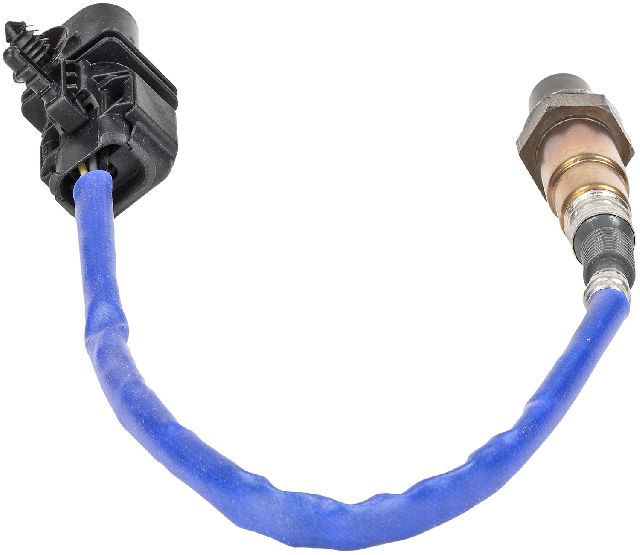
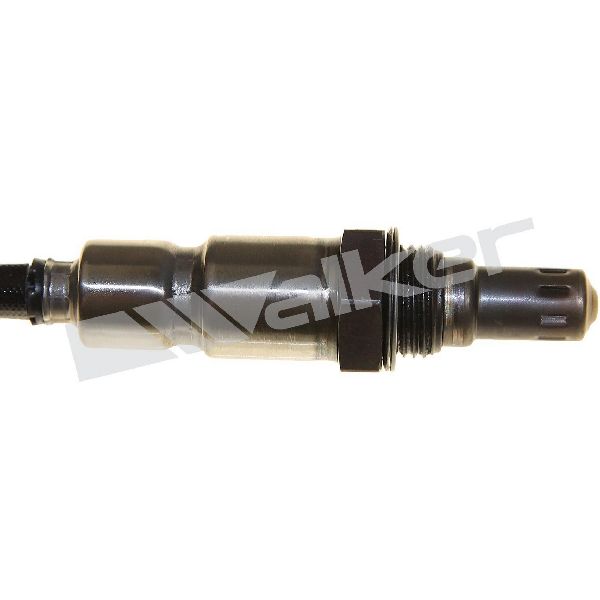
Est. part cost: $50-$150 per injector - Faulty Bank 2, Sensor 1 Oxygen Sensor 🟡 Medium Probability → Shop Oxygen Sensor The sensor itself can fail from age, contamination, or damage from the aforementioned water leak. However, it is often replaced unnecessarily when the root cause is something else.
How to confirm: Use a scan tool to watch the live voltage data from the Bank 2, Sensor 1 O2 sensor. If the voltage is stuck high (above 0.8V) and does not fluctuate, and you have ruled out an actual rich condition, the sensor is likely bad.
Typical fix: Replace the Bank 2, Sensor 1 (driver's side, upstream) oxygen sensor.
Est. part cost: $50-$120
Rare But Worth Checking
- Damaged O2 Sensor Wiring or Connector: → Shop Oxygen Sensor Wiring can be damaged by heat, abrasion, or corrosion from water intrusion. TSB 15-0160 specifically mentions inspecting for a chafed wiring harness as a cause for O2 sensor codes on some 3.7L models. Always inspect the harness between the sensor and the main loom before replacing the sensor itself.
- High Fuel Pressure: A failing fuel pressure regulator or sensor can cause excessive pressure system-wide, leading to rich codes on both banks (P2196 and P2198).
- Powertrain Control Module (PCM) Failure: → Shop Engine Control Module (ECM) In very rare cases, the fault can be internal to the PCM, causing it to misinterpret the sensor's signal. This should only be considered after all other possibilities are exhausted.
Diagnosis Steps
- Scan for Codes: Use an OBD-II scanner to confirm P2198 and check for any other codes like P1450, P2196, or P0175, which provide critical clues.
- Inspect for Water Intrusion (TSB 19-2091): This is the most important first step. Open the hood and look for signs of water leakage around the airbox and on the driver's side of the engine. Check if the air filter is wet.
- Test the EVAP Purge Valve: Locate the valve on the intake manifold. With the engine running, disconnect the hose leading to the intake and check for vacuum. If suction is present, the valve is stuck open and must be replaced.
- Analyze Live Data: Use a scanner to monitor the voltage of the Bank 2, Sensor 1 O2 sensor. If it's stuck high (e.g., >0.8V) while Bank 1's sensor is switching normally, it confirms the issue is isolated to Bank 2.
- Check for a True Rich Condition: If the purge valve is good and there's no water, determine if the sensor is reading a real rich condition or is faulty. Check fuel pressure to ensure it's within spec (around 55 PSI +/- 5 PSI). Consider having a professional test for leaking fuel injectors on Bank 2.
- Inspect Wiring: Visually inspect the O2 sensor's wiring harness and connector for any signs of melting, corrosion, or physical damage, paying close attention to areas mentioned in TSB 15-0160.
- Replace the O2 Sensor: If all other causes have been ruled out, the O2 sensor itself is the likely culprit.
Parts You'll Likely Need
- EVAP Canister Purge Valve
(OEM #Motorcraft CX-2695 (3.7L))— A very common failure on Ford vehicles that causes a rich condition when it sticks open. Often the true cause of P2198.
Trusted brands: Motorcraft, Dorman
OEM price range: $50-$90
Aftermarket price range: $30-$60 - Upstream Oxygen Sensor (Bank 2, Sensor 1)
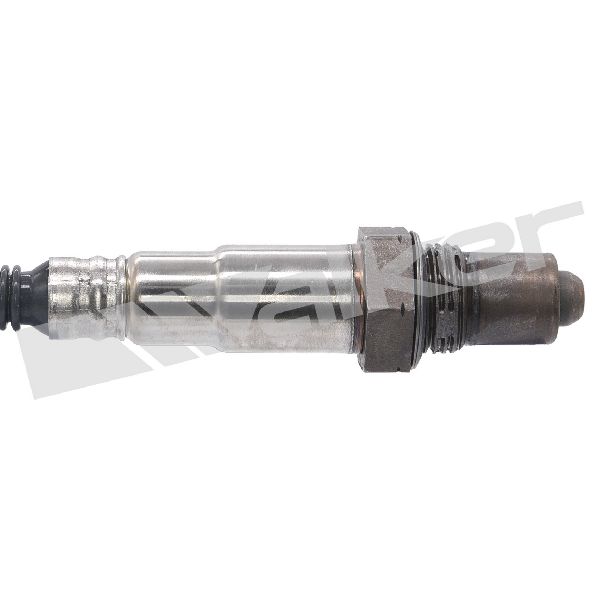
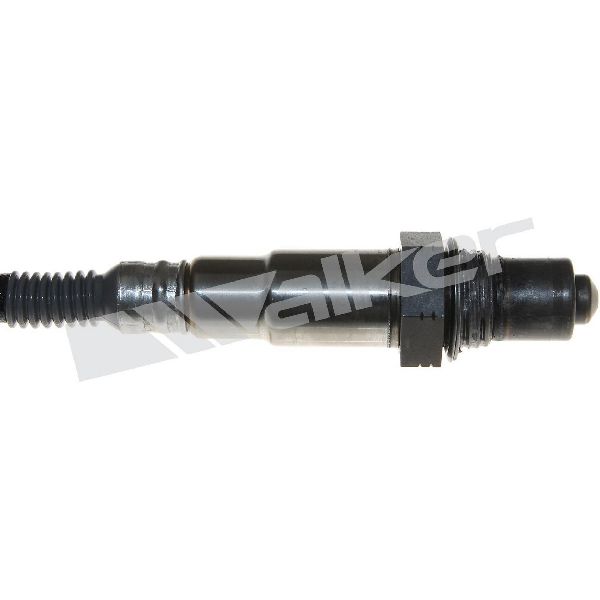
(OEM #Motorcraft DY-1337 (3.7L))— This sensor provides the reading that triggers the code. It may fail due to age, contamination, or water damage, but should only be replaced after ruling out other causes.
Trusted brands: Motorcraft, Bosch, Denso, NTK
OEM price range: $80-$150
Aftermarket price range: $50-$100 - Engine Air Filter
(OEM #Motorcraft FA-1914)— If water intrusion has occurred per TSB 19-2091, the air filter will be saturated, restricting airflow and causing a rich condition. It must be replaced.
Trusted brands: Motorcraft, WIX, Fram
OEM price range: $25-$40
Aftermarket price range: $15-$30 - Water Intrusion TSB Repair Kit
(OEM #CK4Z-6102408-AA (Water Deflector))— Required hardware to perform the official Ford fix for the cowl water leak, which is a primary cause of P2198 on these vans.
Trusted brands: Ford (OEM)
OEM price range: $100-$200
Related Codes That Often Appear With This One
- P1450 — This code for 'Unable to Bleed Up Fuel Tank Vacuum' strongly points to a faulty EVAP canister purge valve, which is a primary cause of the P2198 rich condition.
- P2196 — This is the identical 'Stuck Rich' code but for Bank 1 (passenger side). Seeing both codes together indicates a problem affecting the entire engine, such as a faulty purge valve, high fuel pressure, or a saturated air filter.
- P0175 — This code for 'System Too Rich (Bank 2)' is a more general code that confirms the PCM is detecting a rich fuel mixture on the same bank, often appearing alongside P2198.
Technical Service Bulletins (TSBs) & Recalls
- TSB 19-2091: Supersedes TSB 18-2321. Addresses various drivability DTCs, including P2198, on 2015-2018 Transits built on or before July 24, 2018, caused by water leaking into the engine bay. The fix involves installing updated water management hardware.
- TSB 15-0160: Mentioned for 2015 3.7L models, this TSB points to a potentially chafed wiring harness as a cause for O2 sensor codes, advising an inspection before replacing parts.
Platform-Specific Known Issues
- TSB 19-2091: Details a known issue of water leaking from the cowl panel into the engine bay, which can saturate the air filter or damage wiring, directly causing code P2198. The fix involves installing an updated water shield.
- TSB 15-0160: An older bulletin for 2015 3.7L models that points to a chafed wiring harness as a potential cause for O2 sensor codes, advising inspection.
Mechanic-Grade Diagnostic Values
- Upstream O2 Sensor (HO2S B2S1) Voltage — expected: Rapidly fluctuating between approximately 0.1V and 0.9V at idle.. Failure: Stuck consistently above 0.8V, or pegged at a specific voltage like 0.98V.
- Fuel Pressure (Key On, Engine Running) — expected: 55 PSI +/- 5 PSI.. Failure: Significantly higher pressure can override the PCM's control and cause a rich condition. Low pressure is not a cause for P2198.
- O2 Sensor Heater Circuit Resistance — expected: Between 4 and 25 Ω when tested at the sensor connector.. Failure: An open circuit (infinite resistance) or a short (near zero resistance) indicates a failed heater, though this typically sets a separate heater circuit code.
- MAP Sensor Voltage (KOEO vs. KOER) — expected: The voltage reading on a scan tool (PID: MAP_V) should change distinctly between Key On, Engine Off and Key On, Engine Running.. Failure: No change in voltage suggests a faulty MAP sensor, which can affect fuel calculations.
Hidden / Shadow Codes Worth Checking
- Mode $06, Test ID (TID): While not a hidden code, Mode $06 provides raw data from the PCM's non-continuous self-tests. For O2 sensors, this includes switch time and response rate tests. A technician can see if the sensor is failing these tests and approaching the threshold to set a DTC like P2198, even if the light isn't on yet. (see via A professional-grade OBD-II scan tool with Mode $06 functionality is required.)
Scan Tool Commands That Help
- Ford IDS (or FORScan): Key On Engine Running (KOER) Self-Test — After a repair, such as replacing the purge valve, running the KOER self-test is a good way to verify the fix. The PCM will cycle through various tests, including for the O2 sensors, and confirm if the system is operating correctly.
- Ford IDS (or other professional scanner): Power Balance Test — If a leaking fuel injector is suspected, this bidirectional test can help identify which specific cylinder is contributing less power due to being overly rich, helping to pinpoint the faulty injector on Bank 2.
Wiring & Ground Locations
- Fuse F36 (20A) — In the Battery Junction Box (under the hood).. This single fuse provides power to the heaters for all four oxygen sensors as well as the Variable Camshaft Timing (VCT) solenoids. A problem with this fuse or its circuit could cause multiple O2 sensor and VVT codes simultaneously.
- Bank 2, Sensor 1 O2 Sensor Connector — On the driver's side of the engine, connected to the upstream O2 sensor located in the exhaust manifold before the catalytic converter.. This connector is a primary point of failure due to heat and potential water damage from the cowl leak. Inspecting for corrosion, melted plastic, or backed-out pins is critical. The Motorcraft connector pigtail part number is WPT-1355.
Real Owner Repair Stories
- Reddit user on r/MechanicAdvice (2015 Ford Transit) — Not specified, but implied Check Engine Light with P2198.
✅ What actually fixed it The plastic nozzle on the back of the main air intake hose had cracked, creating a vacuum leak after the MAF sensor. This unmetered air caused the PCM to incorrectly enrich the fuel mixture. Replacing the entire air intake hose assembly resolved the issue.
OEM Part Supersession History
AU5Z-9C915-A, AU5Z-9C915-B, CX-2383→Motorcraft CX-2695 (latest common number, supersedes AU5Z-9C915-C, D, and E, as well as CX-2409, CX-2470).— Part has been revised multiple times by Ford to improve reliability.
Heads up: While many aftermarket versions exist, some owners report issues with the electrical connector clips not seating as securely as the OEM Motorcraft part.
Model Year Variations Within This Range
- 2015-2018 (built on or before July 24, 2018): These vehicles are the primary subjects of TSB 19-2091 regarding the cowl water leak. Later 2018 models and newer should have the updated water management hardware from the factory, making this cause less likely.
Diagnostic Flowchart
Other Known Issues on This Vehicle
Issues unrelated to this code that are worth knowing about as an owner of this generation:
- Driveshaft Flexible Coupling (Giubo) Failure 🔴 High — Very common on 2015-2017 models, leading to multiple recalls. Failure can occur as early as 30,000-40,000 miles. (Ref: Safety Recall 19S38 (supersedes 17S15). The final fix involves replacing the flexible coupling with a mechanical U-joint.)
- Cracked Flexplate 🔴 High — A known issue, particularly on the 3.7L engine, causing a rattling or knocking noise at idle. Ford initiated Customer Satisfaction Program 22N12 to address this. (Ref: Customer Satisfaction Program 22N12.)
- Sliding Door Wiring Harness Failure 🟠 Medium — Commonly occurs from the repeated motion of the door opening and closing, leading to broken wires. This can cause issues with door locks, sensors, and speakers.
- Water Intrusion from Cowl Panel 🔴 High — A design flaw on 2015-2018 models built on or before July 24, 2018, where water leaks into the engine bay, causing various electrical and drivability problems. (Ref: TSB 19-2091)
- HVAC Blend Door Actuator/Cam Failure 🟡 Low — Can cause a loss of heating or cooling from vents as the blend door gets stuck. While a TSB exists for F-150s, the issue is also reported by Transit owners. (Ref: TSB 21-2199 (for F-150, but relevant mechanism))
Used vs. New Parts: Buying Guide for This Vehicle
When a used part is the smart pick: For this repair, using a used part is generally not recommended for the electronic components. However, if the cause is a cracked air intake hose, a used hose assembly from a low-mileage donor vehicle is a perfectly acceptable and cost-effective repair.
Donor-vehicle mileage cap: roughly under 70000 miles for the part to have meaningful remaining life.
What to inspect on the donor part:
- For an air intake hose: Check for any visible cracks, especially around connection points. The plastic and rubber should still be flexible, not hard and brittle.
- For electronic parts (Purge Valve, O2 Sensor): There are no reliable visual cues. It's a gamble based on donor mileage, making new parts a safer bet.
OEM-only on this vehicle (don't cheap out):
- EVAP Canister Purge Valve: While aftermarket options exist, the cost difference is often minimal, and the OEM Motorcraft part is known to have better-fitting connectors and higher reliability after multiple factory revisions.
Aftermarket brands forum-validated for this vehicle:
- O2 Sensors: Bosch, Denso, and NTK are reputable OEM suppliers and are considered safe alternatives to Motorcraft.
- EVAP Purge Valve: Dorman is a widely available aftermarket option that many users report success with, and they sometimes feature improved connector designs over the original Ford part.
Brands owners have reported issues with on this vehicle:
- Unbranded 'white-box' electronic parts from online marketplaces should be avoided. Failure rates are high, and they can introduce new, confusing diagnostic problems.
Real Owner Stories
Aggregated from forums and TSBs cited above. Mileages and costs reflect what owners reported in those sources.
2015-2018 Ford Transit
Symptoms: Water leaking onto the airbox and driver's side wiring due to a poorly sealed cowl.
What fixed it: Drilled small relief holes in the plastic diverter tray under the cowl and applied sealant around cowl clips to prevent water from reaching the airbox.
Source hint: fordtransitusaforum.com - 'Transit cowl water leak findings and fixes'
2015-2018 Ford Transit 3.7L V6
Symptoms: P2198 and P2196 codes present; vacuum suction felt at the purge valve while the engine was idling.
What fixed it: Replacement of the EVAP purge valve solenoid.
Source hint: youtube.com - 'Fords 3.7L V6 Most common EVAP issue. P2198 and P2196' by 'Ford Tech Makuloco'
Related OBD-II Codes
Frequently Asked Questions
Does TSB 19-2091 apply to my 2018 Ford Transit?
What part do I need to fix the water leak mentioned in TSB 19-2091?
My 3.7L Transit has P2198 and a rough idle; could it be the EVAP system?
Is there a specific wiring issue for the 2015 Transit 3.7L model?
Could the P2198 code be related to the driveshaft recall on my 2016 Transit?
What is the correct replacement O2 sensor for my 3.7L Transit?
Helpful Videos

Used OEM Parts in Stock
New Aftermarket Parts Available



The information in this article is provided for general reference and educational purposes only. Vehicle specifications, procedures, and part compatibility can vary by production date, trim level, and region. Always consult your vehicle's factory service manual and verify part numbers before purchasing or performing repairs. Safety-critical components such as airbags, seat belts, and braking systems should be installed by a qualified professional.
- Ford Transit:
- 🧭 Diagnostic Flowchart
- 🎬 Helpful Videos
- 🛍️ Shop This Part
- What's Unique About the 2015-2018 Ford Transit
- Symptoms You May Notice
- Most Likely Causes
- Rare But Worth Checking
- Diagnosis Steps
- Parts You'll Likely Need
- Related Codes That Often Appear With This One
- Technical Service Bulletins (TSBs) & Recalls
- Platform-Specific Known Issues
- Mechanic-Grade Diagnostic Values
- Hidden / Shadow Codes Worth Checking
- Scan Tool Commands That Help
- Wiring & Ground Locations
- Real Owner Repair Stories
- OEM Part Supersession History
- Model Year Variations Within This Range
- Other Known Issues on This Vehicle
- Used vs. New Parts: Buying Guide for This Vehicle
- Real Owner Stories
- 2015-2018 Ford Transit
- 2015-2018 Ford Transit 3.7L V6
- Related OBD-II Codes
- Frequently Asked Questions
- 🎟️ Get 5% Off