

P2198 on 2005-2015 Toyota Tacoma 4.0L V6: Stuck Rich Bank 2 Causes & Fixes
P2198 on a V6 Tacoma means the driver's side upstream A/F sensor detects a constant rich condition. This is often caused by a failing Air/Fuel ratio sensor, but a clogged EVAP system or leaking fuel injector are also common culprits. Do not replace the sensor without first confirming it's not a real rich condition.
- P2198 on a 2005-2015 Tacoma V6 points to a rich condition on the driver's side of the engine.
- Do not automatically replace the A/F sensor. First, verify it's not a real rich condition caused by a leaking fuel injector or a faulty EVAP purge valve.
- If the Check Engine Light comes on shortly after you fill up with gas, the EVAP system is a very likely suspect.
- The correct replacement sensor for Bank 2, Sensor 1 is the upstream (pre-cat) sensor on the driver's side. Denso is the original equipment manufacturer.
What's Unique About the 2005-2015 Toyota Tacoma
On the 2nd generation Tacoma V6, while a faulty A/F sensor is a common trigger for P2198, owners frequently encounter this code due to issues with the EVAP system. Forum discussions show a pattern of the code appearing after refueling, which was traced back to a clogged EVAP system breather line or a stuck purge valve flooding the intake with fuel vapors. One owner on TacomaWorld resolved recurring P2196 and P2198 codes that only appeared after fill-ups by using a smoke machine to clear a blockage in the EVAP breather lines. Therefore, unlike in some other vehicles where the sensor is almost always the immediate cause, Tacoma owners should strongly consider the EVAP system as a potential root cause before replacing parts, especially if the issue is linked to refueling.
Symptoms You May Notice
- Check Engine Light is on
- Reduced fuel economy
- Smell of gasoline from the exhaust
- Rough idle or hesitation, especially after starting up after a refuel
- Black smoke from the tailpipe in severe cases
- Failed emissions test due to high hydrocarbons (HC) and carbon monoxide (CO)
- Engine misfiring or running rough
- Immediately replacing the Air/Fuel ratio sensor without checking if the engine is actually running rich. The sensor may be accurately reporting a problem caused by a leaking injector or EVAP fault. Always verify fuel trims and check for other causes first.
Most Likely Causes
- Faulty Bank 2 Air/Fuel Ratio Sensor 🔴 High Probability → Shop Oxygen Sensor The A/F sensor is a wear-and-tear item. Over time, the sensing element can degrade from heat and contaminants, causing it to send inaccurate, biased-rich signals to the PCM.
How to confirm: Use an OBD-II scanner to monitor live data for the Bank 2, Sensor 1 voltage. A healthy sensor's voltage fluctuates rapidly. If the voltage is stuck high (typically above 0.8V or near 0.9V) and not fluctuating, the sensor is suspect. A definitive test is to swap the Bank 1 and Bank 2 upstream sensors; if the code changes to P2196 (Bank 1 Stuck Rich), the sensor is faulty.
Typical fix: Replace the Bank 2, Sensor 1 (Upstream, Driver's Side) Air/Fuel Ratio Sensor.
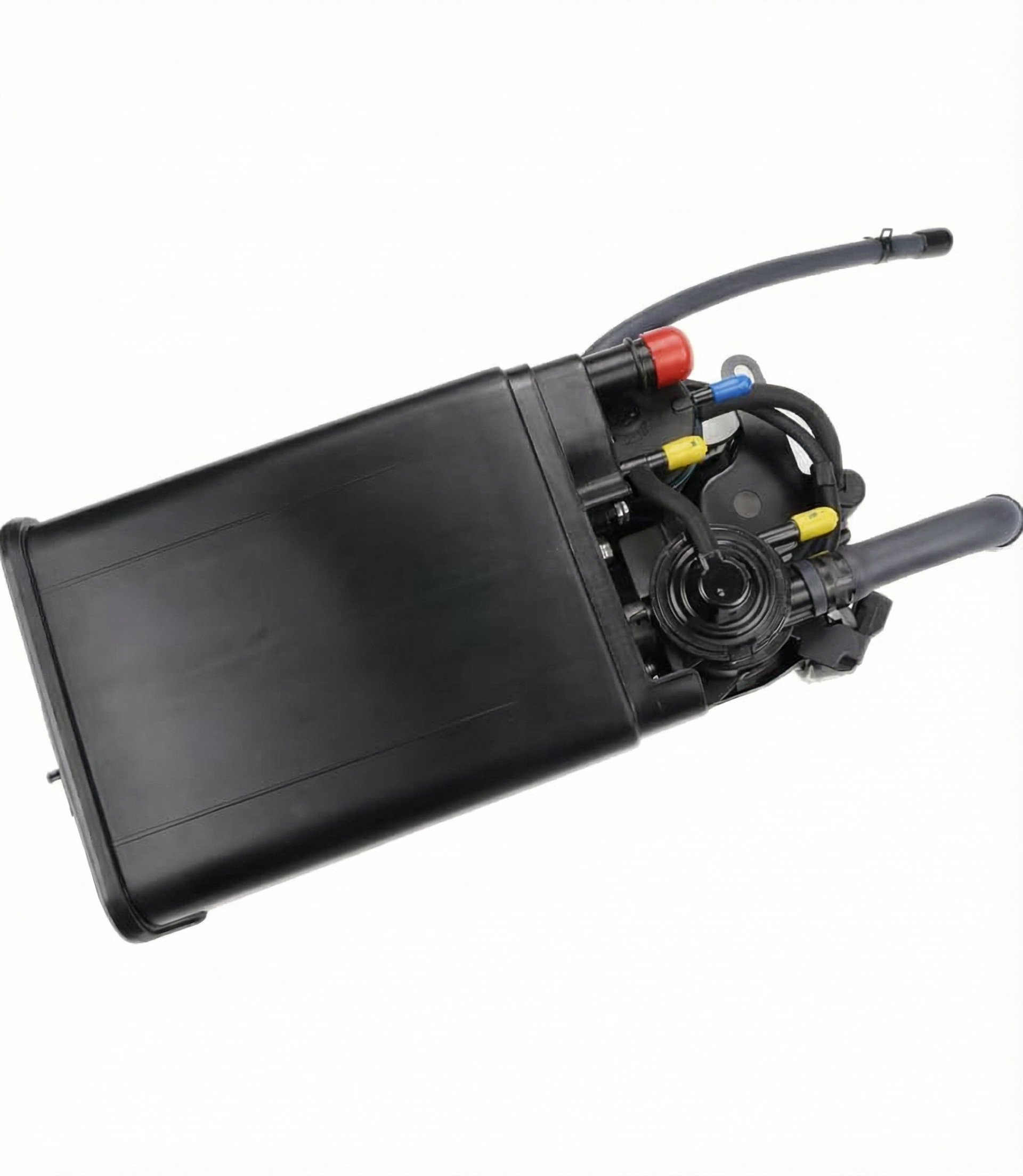
Est. part cost: $120-$200 - EVAP System Malfunction 🟡 Medium Probability Forum reports strongly indicate that a clogged EVAP canister or a stuck-open purge valve can cause intermittent rich codes, particularly after refueling, as excess fuel vapors are incorrectly drawn into the intake manifold. This is a well-documented pattern on Tacoma forums.
How to confirm: Listen for a clicking sound from the purge valve solenoid with the engine running. To test if it's stuck open, disconnect the valve's electrical connector and remove the hose from the tank side. With the engine running, there should be no vacuum felt at the valve port. A smoke test of the EVAP system is the best way to identify leaks or blockages. The issue is often most apparent immediately after filling the gas tank.
Typical fix: If the purge valve is stuck, it needs to be replaced. If the system is clogged, it may require cleaning the lines with low-pressure air or replacing the charcoal canister.
Est. part cost: $30-$150 - Leaking Fuel Injector(s) on Bank 2 🟡 Medium Probability → Shop Fuel Injector An injector can become stuck partially open due to internal wear or deposits from fuel, causing it to drip excess fuel into one or more cylinders on the driver's side bank (cylinders 2, 4, 6).
How to confirm: Perform a fuel pressure leak-down test. After shutting the engine off, the pressure should hold steady. A gradual drop in pressure can indicate a leaking injector. A fuel leakage test specifies that 1 drop or less every 12 minutes is acceptable. You can also remove the spark plugs on Bank 2 (driver's side) and inspect them. A plug that is black, sooty, and smells of fuel compared to the others points to the cylinder with the leaking injector.
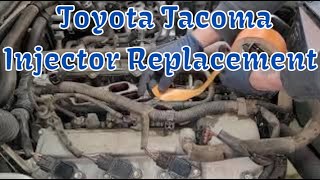
Typical fix: Replace the faulty fuel injector(s) on Bank 2. It is often recommended to replace them as a set on that bank, or have the full set cleaned and flow-tested. 🎬 Watch: Step-by-step guide to replacing your V6 fuel injectors.
Est. part cost: $50-$150 per injector - Dirty or Faulty Mass Airflow (MAF) Sensor ⚪ Low Probability Oil from aftermarket air filters or general grime can contaminate the MAF sensor, causing it to under-report airflow. This leads the PCM to calculate a richer fuel mixture for the entire engine. While this usually affects both banks, it can sometimes trigger a code on one bank first.
How to confirm: Inspect the MAF sensor wires for contamination. You can try cleaning it with a dedicated MAF sensor cleaner. If the problem persists, monitor the MAF reading on a scan tool to see if it corresponds correctly with engine RPM and load.
Typical fix: Clean the MAF sensor with a specialized cleaner. If cleaning doesn't work, replace the sensor.
Est. part cost: $15-$100
Rare But Worth Checking
- High Fuel Pressure: A failing fuel pressure regulator can cause system-wide high pressure, forcing too much fuel through the injectors. This would typically set rich codes for both banks (P2196 and P2198) but can sometimes appear on one bank first.
- Exhaust Leak: An exhaust leak *before* the A/F sensor can, in some cases, draw in fresh air, confusing the sensor and leading to improper fuel trim adjustments. While more commonly associated with lean codes, it can disrupt readings enough to cause a rich code under certain conditions.
- PCM Malfunction: In very rare cases, the Powertrain Control Module (PCM) itself can fail, or its software may need an update to correct how it interprets sensor data. This should be considered a last resort after all other possibilities have been exhausted.
Diagnosis Steps
- Connect an OBD-II scanner and confirm P2198 is the active code. Check for any other codes, especially P2196, P0175, or EVAP codes.
- View live data. Watch the short-term and long-term fuel trims for Bank 2. They will likely be highly negative (e.g., -20% or more) as the PCM tries to pull fuel. Observe the voltage for the Bank 2, Sensor 1 A/F sensor. If it's stuck high (e.g., >0.8V) and not fluctuating, the code condition is confirmed.
- Consider recent events. Did the code appear immediately after filling the gas tank? If so, the EVAP system is a prime suspect.
- Rule out a true rich condition. Check for a stuck-open EVAP purge valve. A smoke test is highly effective for finding EVAP system clogs or leaks.
- Perform a fuel pressure test to check for high pressure or a leak-down condition that would indicate a faulty regulator or leaking injector.
- Inspect the intake system for any unmetered air leaks (though this usually causes a lean code, it can disrupt fuel trims). Inspect the MAF sensor for contamination and clean if necessary.
- If the above systems check out, the A/F sensor itself is the most likely culprit. Inspect its wiring and connector for damage, corrosion, or shorting.
- As a final test, swap the upstream A/F sensors between Bank 1 and Bank 2. Clear the codes and drive the vehicle. If the code returns as P2196 (Bank 1), you have definitively proven the sensor is faulty.
- Replace the faulty component (A/F sensor, fuel injector, purge valve, etc.). Clear the codes and perform a test drive to ensure the repair is complete.
Parts You'll Likely Need
- Air/Fuel Ratio Sensor (Bank 2, Sensor 1)
(OEM #89467-35110)— This is the sensor that triggers the code. It is a common failure point due to age and heat cycles. Bank 2 Sensor 1 is on the driver's side, upstream of the catalytic converter.
Trusted brands: Denso (OEM supplier), Bosch
OEM price range: $180-$220
Aftermarket price range: $120-$160 - EVAP Canister Purge Valve / Solenoid
(OEM #90910-12276)— A common cause for rich conditions, especially if the code appears after filling the gas tank. A stuck-open valve allows unmetered fuel vapor into the engine.
Trusted brands: Toyota (OEM), Dorman, Standard Motor Products
OEM price range: $70-$90
Aftermarket price range: $30-$60
Related Codes That Often Appear With This One
- P0175 — P0175 is the generic code for 'System Too Rich (Bank 2)'. P2198 is the more specific code indicating the sensor signal itself is stuck. They often appear together as they describe the same core problem.
- P2196 — This is the equivalent 'Stuck Rich' code for Bank 1 (passenger side). If both P2196 and P2198 are present, it points to a problem affecting the entire engine, such as a faulty MAF sensor, incorrect fuel pressure, or a systemic EVAP issue.
- P0441, P0455, P0456 — These are EVAP system codes. If one of these is present with P2198, it strongly suggests the EVAP system (e.g., purge valve, charcoal canister) is the root cause of the rich condition.
Mechanic-Grade Diagnostic Values
- Fuel Pressure — expected: 281 to 287 kPa (40.8 to 41.7 psi). Failure: Pressure significantly higher than 42 psi may indicate a faulty fuel pressure regulator. Pressure dropping more than 21 psi within 5 minutes of engine off can indicate a leaking injector or faulty fuel pump check valve.
- Fuel Injector Resistance — expected: 11.6 to 12.4 Ω at 20°C (68°F). Failure: Resistance outside of this range indicates a faulty injector coil.
- A/F Sensor Circuit Voltage at ECM (Key On, Engine Off) — expected: Terminals A1A+ and A2A+ to ground should be ~3.3V. Terminals A1A- and A2A- to ground should be ~2.9V.. Failure: Voltage outside these ranges points to a wiring issue or a fault in the ECM's internal reference voltage circuit.
- A/F Sensor Live Data Voltage (Stuck Rich Condition) — expected: A healthy sensor fluctuates rapidly. A stuck sensor will show a steady voltage.. Failure: A flat reading near or above 0.9V indicates the sensor is stuck rich or is accurately reporting a severe rich condition.
Scan Tool Commands That Help
- Toyota Techstream: Active Test: A/F Control — This function allows a technician to manually command the fuel injection volume up or down (typically +25% or -12.5%). By observing the A/F sensor's reaction, you can determine if the sensor is responsive or truly stuck, helping to differentiate between a bad sensor and an actual rich condition.
- Toyota Techstream: Active Test: Control the Fuel Pump / Speed — This command allows you to turn the fuel pump on with the engine off. It is used to safely build pressure in the system to check for leaks and to perform a fuel pressure and leak-down test without running the engine.
Wiring & Ground Locations
- EC — On the right front of the engine, near the cylinder head.. This is a primary engine ground point. A poor connection here can cause erratic sensor readings for multiple components, including the A/F sensors.
- E01, E04, E05 — These are ground splices within the engine wiring harness, ultimately leading to the main ground points.. The A/F sensor circuits rely on these grounds for a stable reference. Corrosion or damage within the harness at these splices can cause a biased signal.
- A/F Sensor Connector (Bank 2) — On the driver's side of the engine, follow the wire up from the sensor in the exhaust manifold. The connector is typically clipped to a bracket on or near the valve cover.. This is the primary point to test for voltage, ground, and signal continuity between the sensor and the ECM. The pins for the Bank 2 Sensor 1 (A2A+, A2A-) can be checked here or at the ECM.
Real Owner Repair Stories
- TacomaWorld Forum User '12TRDTacoma' (2012 Toyota Tacoma, Supercharged, 96,000 miles) — Engine runs perfectly fine until refueling. After a fill-up, the engine has a hard time regulating idle, and scan tool shows extremely rich AFR (less than 9.0) with STFT at -20% or more on both banks. Intermittently throws P2196 and P2198.
❌ Tried (didn't work) The owner suspected the A/F sensors were not the root cause because the issue only occurred after refueling.
✅ What actually fixed it The owner had the EVAP system smoke tested. By repeatedly pressurizing the system with smoke and relieving it through the fuel cap area, a blockage in the EVAP breather lines was cleared. The problem never returned after this procedure.
OEM Part Supersession History
89467-35110→89467-04060— Standard part number evolution and supplier changes.
Heads up: The new part number is the correct service replacement for the original.90910-12276→90910-TC001— Part number consolidation and design updates.
Heads up: 90910-TC001 is listed as a compatible replacement for 90910-12276 and fits a wide range of Toyota models, including the Tacoma.
Model Year Variations Within This Range
- 2005-2015: While other Toyota models using the 1GR-FE (like the 4Runner and FJ Cruiser) were updated to Dual VVT-i around 2009, the Tacoma's 4.0L V6 retained the original single VVT-i (intake only) design for the entire second generation. This simplifies diagnosis as the fundamental engine management system for fuel control did not significantly change.
- 2012-2015: Later model years incorporated a secondary air injection system for emissions. While not a direct cause of P2198, a fault in this system could potentially affect exhaust chemistry and sensor readings, though it would typically set its own specific trouble codes.
Diagnostic Flowchart
Other Known Issues on This Vehicle
Issues unrelated to this code that are worth knowing about as an owner of this generation:
- Frame Rust/Corrosion 🔴 High — Very common, especially in salt-belt states. Led to a class-action lawsuit and a warranty enhancement program (ZH6) for 2005-2010 models, extending frame replacement coverage to 12 years from date of first use. (Ref: Warranty Enhancement Program ZH6)
- Rear Leaf Spring Fracture 🔴 High — Common on 2005-2011 models. The springs could corrode and fracture, potentially puncturing the fuel tank. (Ref: Safety Recall E02 (NHTSA 14V604000))
- Secondary Air Injection System Failure 🟠 Medium — Common on 2012-2015 models. The air pump filter degrades, sending debris into the pump and switching valves, causing them to fail and putting the truck in 'limp mode'. Very expensive dealer repair. (Ref: Special Service Campaign 20TC01 (for 2012 models))
- Head Gasket Failure 🟠 Medium — More prevalent on early 1GR-FE engines (approx. 2003-2006), often failing around cylinder #6. Symptoms include coolant loss, rough cold starts, and bubbles in the radiator.
- Front Differential Grinding/Groaning Noise 🟡 Low — Some 4x4 models may exhibit a grinding or groaning noise from the front differential when in 2WD that disappears in 4WD. Related to the needle bearing on the driver's side. (Ref: T-SB-0026-15)
Used vs. New Parts: Buying Guide for This Vehicle
When a used part is the smart pick: For this repair, used parts are generally not recommended for the primary failure components. However, if a related component like a wiring harness connector or a specific bracket is damaged, a used part from a junkyard is a perfectly acceptable and cost-effective choice.
Donor-vehicle mileage cap: roughly under 80000 miles for the part to have meaningful remaining life.
What to inspect on the donor part:
- For any electronic part or sensor, check for corrosion on pins.
- Inspect wiring for brittleness, cracking, or previous repairs.
- Avoid parts from vehicles with obvious signs of flood or fire damage.
OEM-only on this vehicle (don't cheap out):
- Air/Fuel Ratio Sensor: While some aftermarket brands are good, the surest bet for compatibility and longevity is the OEM Denso sensor. Many forum users report issues with off-brand sensors failing prematurely or not reading correctly.
- Powertrain Control Module (PCM): If the PCM is condemned, it must be replaced with an OEM unit matched to the vehicle's VIN and specifications. A used module may work but will require reprogramming by a dealer or specialist.
Aftermarket brands forum-validated for this vehicle:
- Denso for Air/Fuel Ratio sensors (Denso is the OEM supplier).
- Standard Motor Products (SMP) or Dorman for the EVAP Purge Valve.
Brands owners have reported issues with on this vehicle:
- Unbranded, no-name 'OEM-style' sensors from online marketplaces. These often have high failure rates and can cause more diagnostic headaches.
Real Owner Stories
Aggregated from forums and TSBs cited above. Mileages and costs reflect what owners reported in those sources.
2010 Toyota Tacoma 4.0L V6
Symptoms: Check Engine Light came on with codes P2196 and P2198. The codes would appear intermittently, almost always right after a fill-up at the gas station.
What fixed it: The issue was traced to the EVAP system. Replacing the stuck-open EVAP purge valve and ensuring the lines were clear resolved the intermittent rich codes.
Cost: $30-$150
Source hint: TacomaWorld.com thread titled 'p2196-and-p2198-codes-after-fill-up-intermittent'
2006 Toyota Tacoma 4.0L V6
Symptoms: The truck had a rough start, especially when cold, was losing coolant with no visible leaks, and there were bubbles in the radiator. This was happening alongside other engine performance issues.
What fixed it: The root cause was diagnosed as a failing head gasket, a known issue on early 1GR-FE engines. The head gasket was replaced to resolve the running problems.
Source hint: TacomaWorld.com thread titled '1gr-fe-head-gasket-failing-options'
Related OBD-II Codes
Frequently Asked Questions
My P2198 code only appears right after I fill up my Tacoma's gas tank. What's the most likely cause?
What is 'Bank 2' on my 2005-2015 Tacoma's V6 engine?
Is it a reliable test to swap the upstream O2 sensors to diagnose P2198 on my Tacoma?
My 2006 Tacoma has a rough start and this P2198 code. Could it be the head gasket issue I've heard about?
Are there any major recalls for the 2005-2011 Tacoma that could be related to the fuel system?
My 2014 Tacoma is in 'limp mode'. Could this be related to the P2198 code?
Helpful Videos
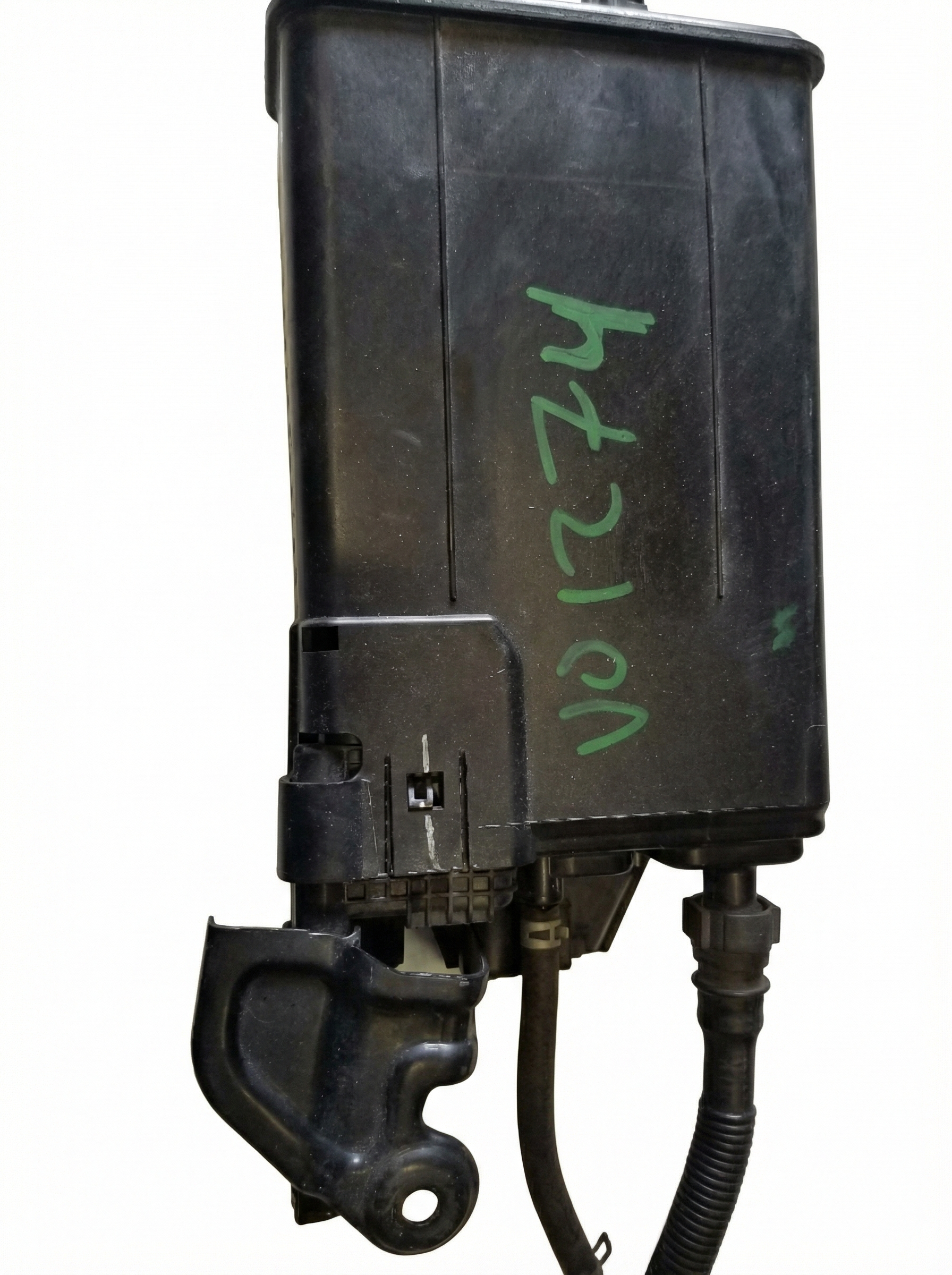
Used OEM Parts in Stock
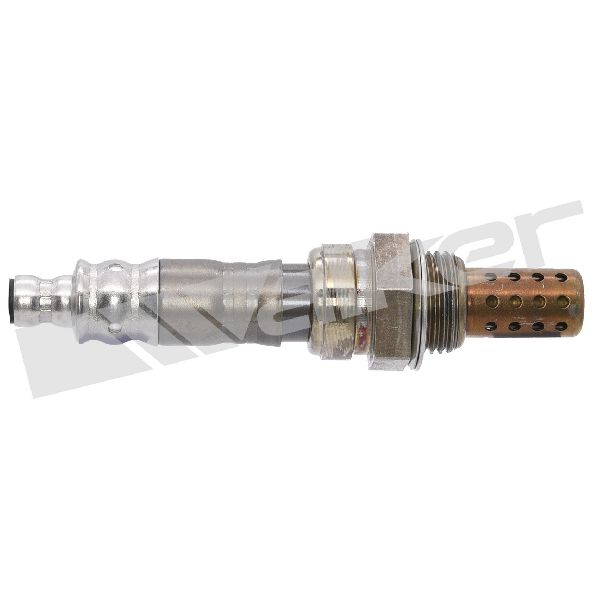
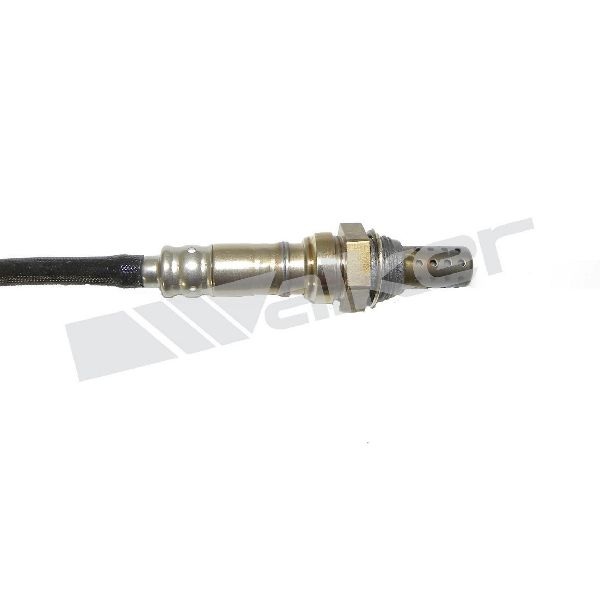
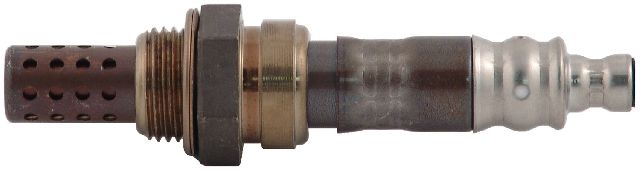
New Aftermarket Parts Available


The information in this article is provided for general reference and educational purposes only. Vehicle specifications, procedures, and part compatibility can vary by production date, trim level, and region. Always consult your vehicle's factory service manual and verify part numbers before purchasing or performing repairs. Safety-critical components such as airbags, seat belts, and braking systems should be installed by a qualified professional.
- Toyota Tacoma:
- 🧭 Diagnostic Flowchart
- 🎬 Helpful Videos
- 🛍️ Shop This Part
- What's Unique About the 2005-2015 Toyota Tacoma
- Symptoms You May Notice
- Most Likely Causes
- Rare But Worth Checking
- Diagnosis Steps
- Parts You'll Likely Need
- Related Codes That Often Appear With This One
- Mechanic-Grade Diagnostic Values
- Scan Tool Commands That Help
- Wiring & Ground Locations
- Real Owner Repair Stories
- OEM Part Supersession History
- Model Year Variations Within This Range
- Other Known Issues on This Vehicle
- Used vs. New Parts: Buying Guide for This Vehicle
- Real Owner Stories
- 2010 Toyota Tacoma 4.0L V6
- 2006 Toyota Tacoma 4.0L V6
- Related OBD-II Codes
- Frequently Asked Questions
- 🎟️ Get 5% Off